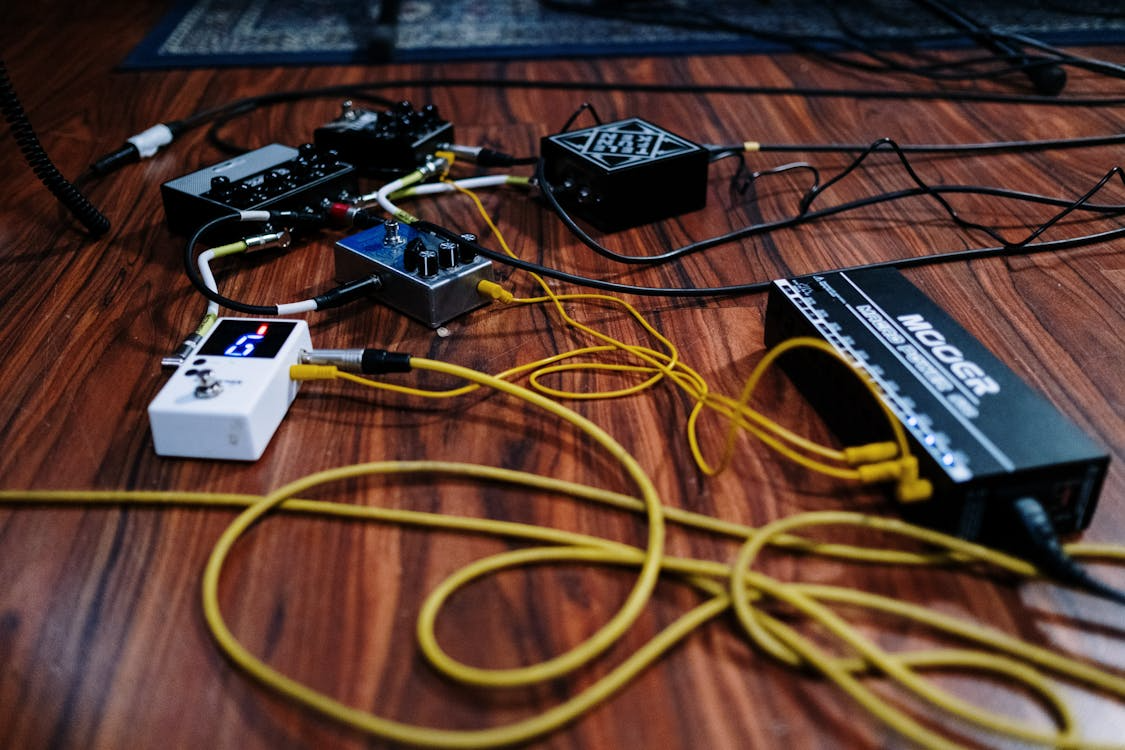
Some folks imagine wall cables always mean dusty holes and loud tools. But there’s a way to link spaces with solid signals – without cracking drywall or tearing up trim. Hidden fixes exist right under your nose, avoiding clutter completely.
Old cables tucked in walls still move information well – no tearing out required. Through outlets, electricity routes also pass messages, working silently beyond sight. Imagine reliable links buzzing where nobody would think to look. The structure stays untouched. Hidden layers remain undisturbed. Communication flows without digging or clutter.
Powerline adapters use home electrical wiring
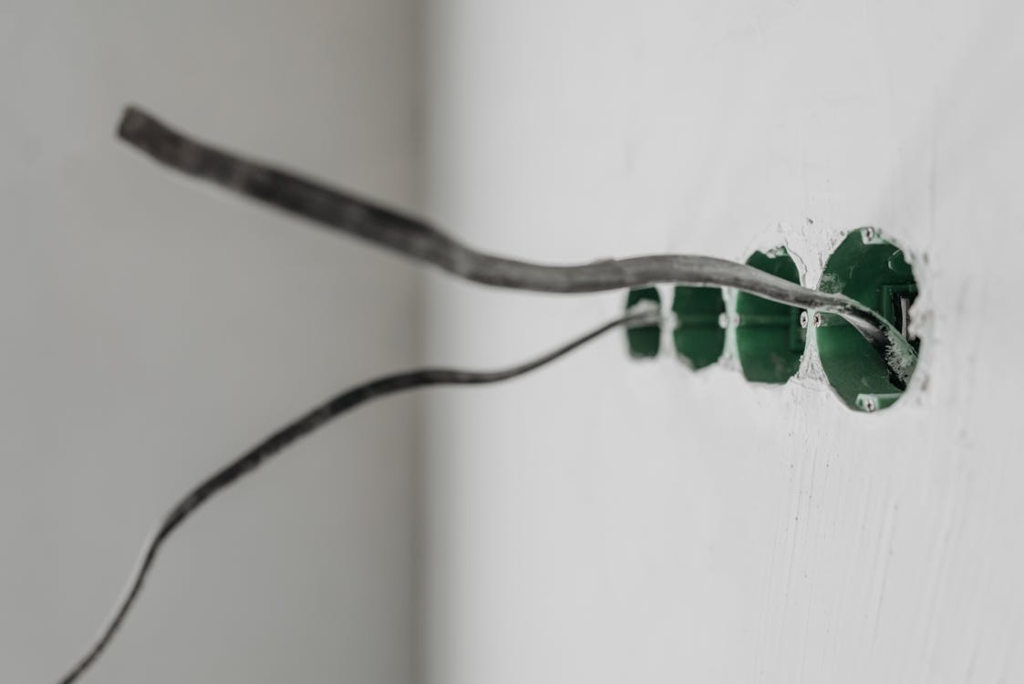
Out there where walls meet floorboards, electricity hums along hidden paths. Riding those same routes, a small box near the router pushes information room to room. From a socket on the far side of the home, internet appears – no wires strung through hallways. Each gadget taps into what already flows behind plaster.
It’s Basically Plug-and-Play
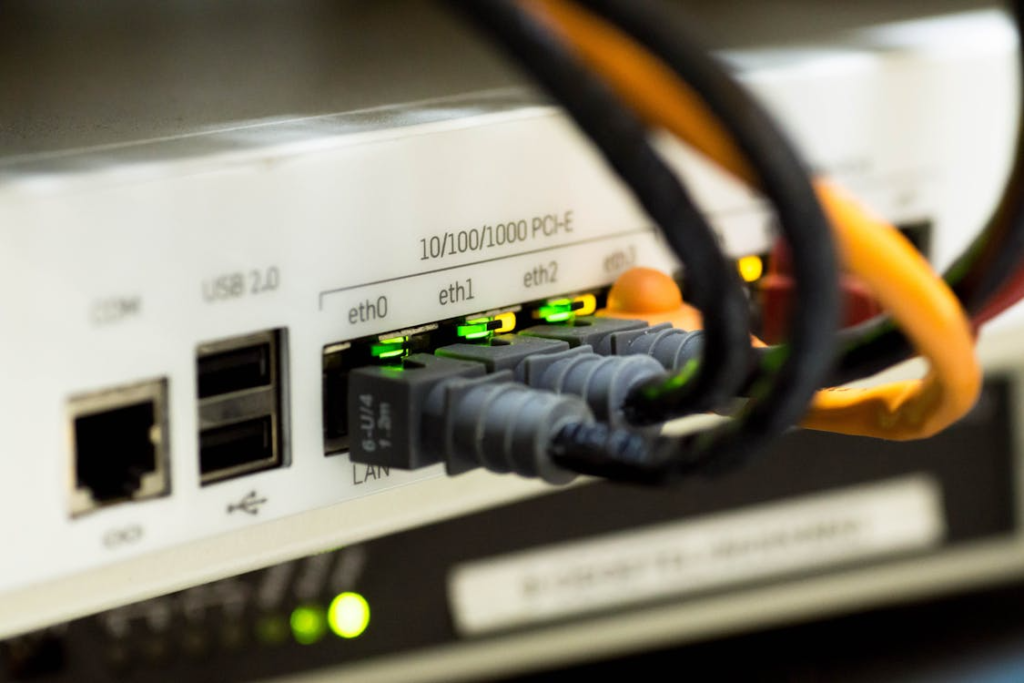
Plug the devices into a wall socket right away – no drilling required. With them in place, connect one to another through regular Ethernet cables. Soon after, all of it works smoothly on its own.
Some Wi Fi Speeds Exceed Normal
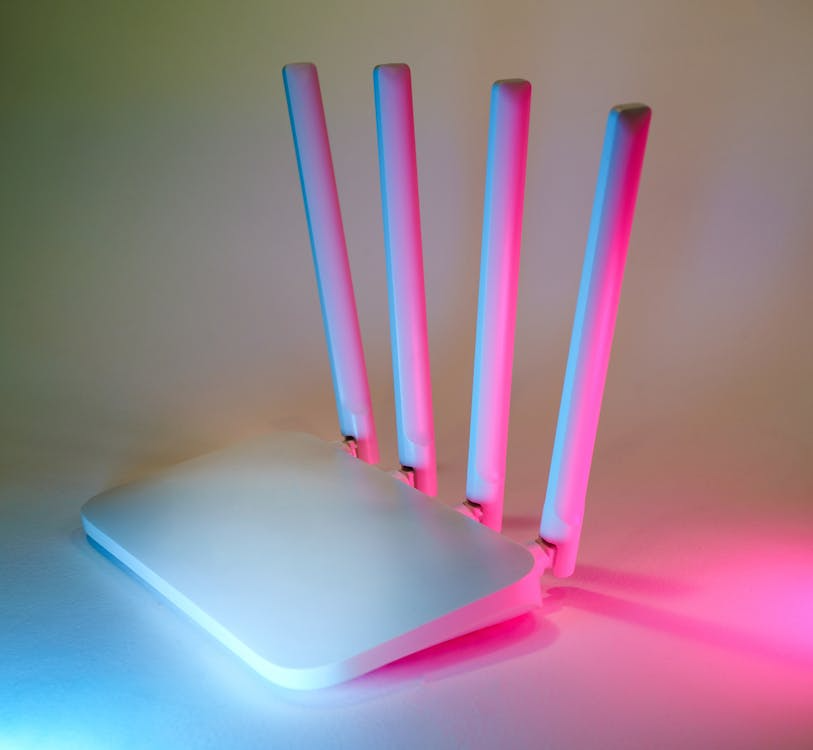
Even solid walls slow down Wi-Fi, but the power line keeps going. Not always as fast as a cable connection, still it often outlasts spotty links through air. Quiet strength matters when signals stumble.
Performs well for gaming and streaming

Most times, a wired setup keeps things running without hiccups during gameplay or calls. Unlike wireless links, it rarely slows down when more devices join. Stability sticks around, even if others are online too.
Mesh Wi-Fi covers weak spots
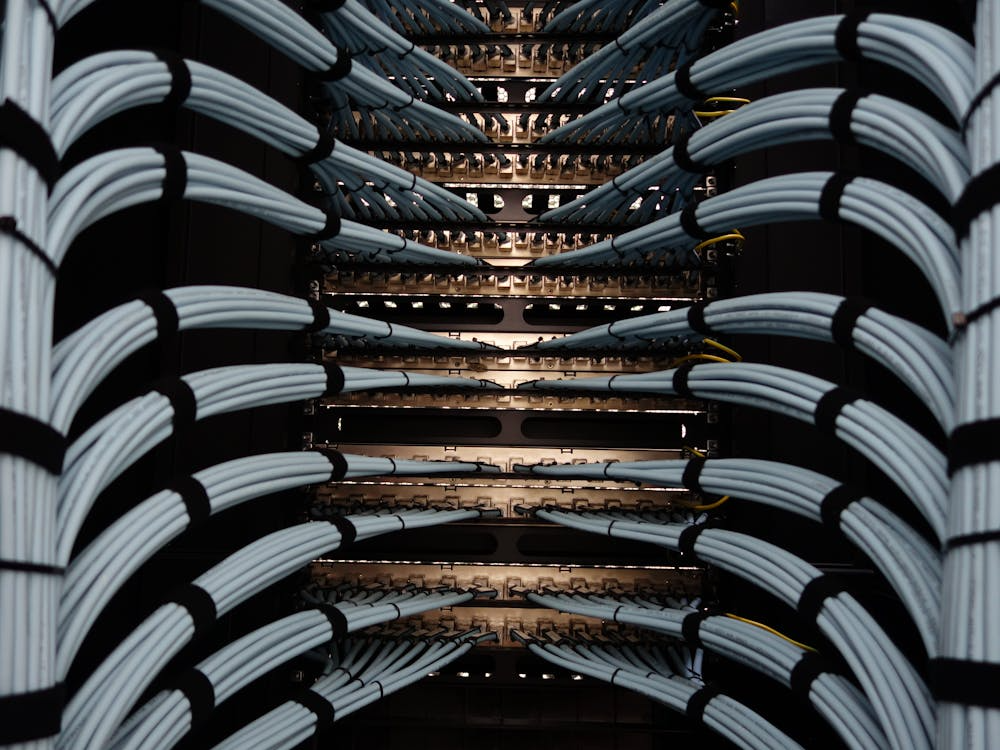
Out past broken wires, small units pass signals room to room. Jumping between each piece, the connection reaches spots old systems never touch.
Use Existing Coax Cables for Better Results
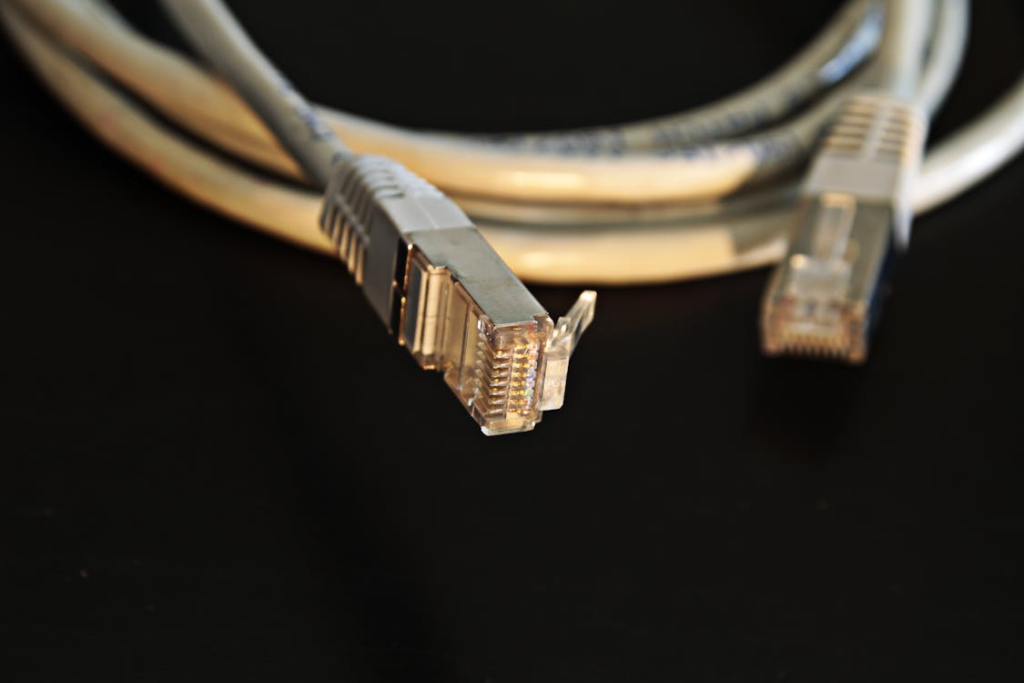
MoCA
Surprised your walls have coax lines? Those openings could deliver speeds nearly like standard Ethernet cables. Instead of hunting new solutions, consider MoCA tech – it uses existing pathways without adding wires. Usually outperforms powerline adapters that rely on circuitry meant for appliances. Gets you where you need, just takes a less obvious route.
No Permanent Changes Needed
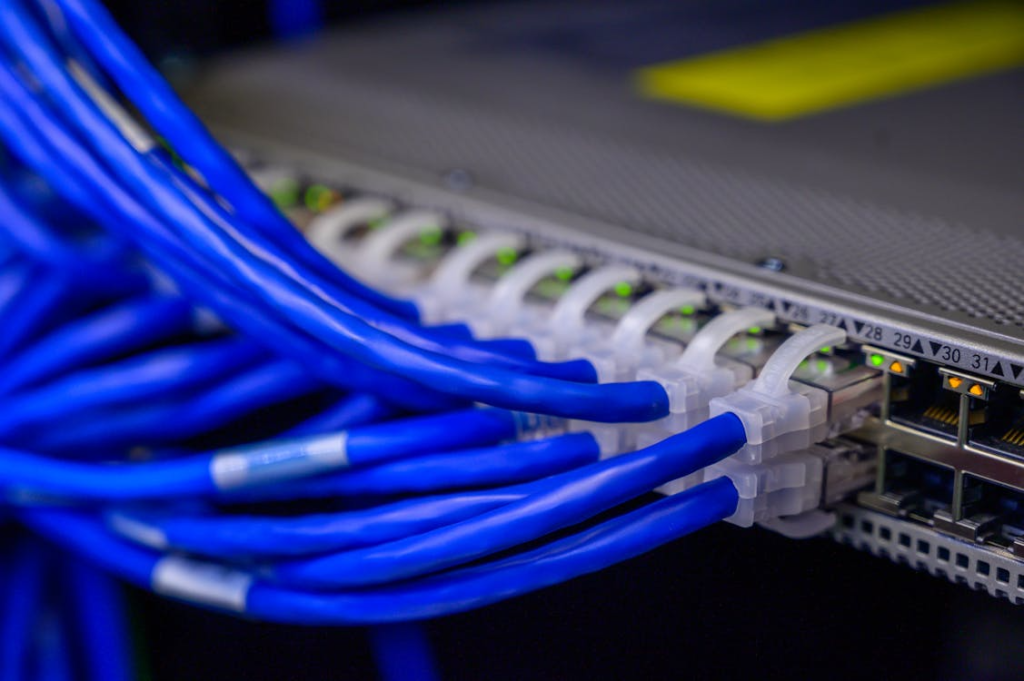
One minute they’re there, the next gone without warning. Ideal for renters – or anyone dead set against making even one puncture.
Placement Still Matters
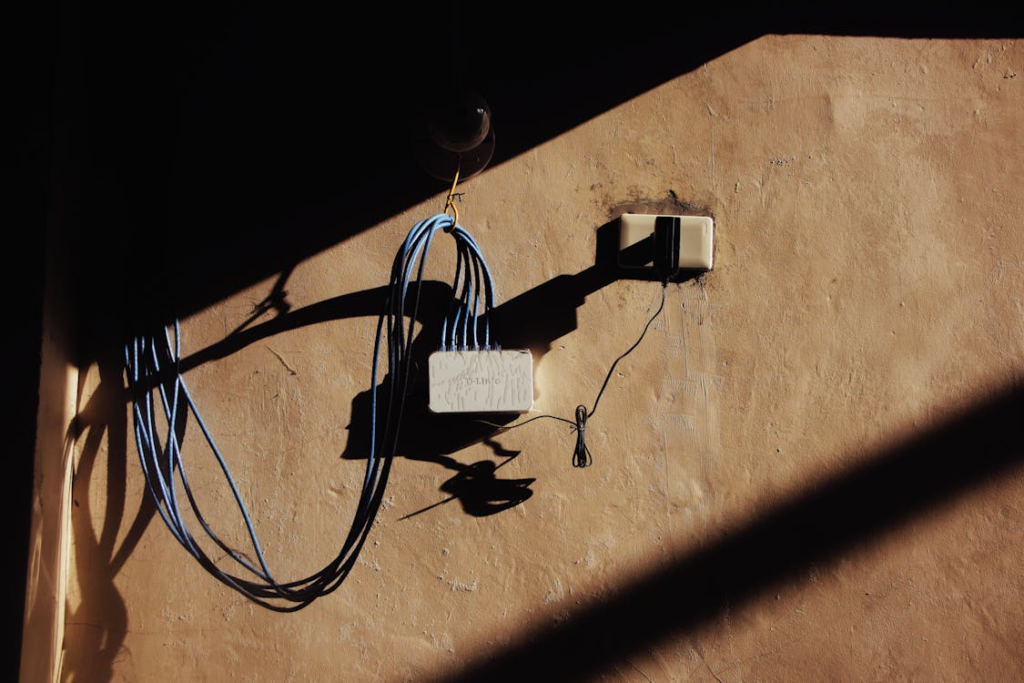
Hooked straight into the wall, adapters behave better. Since extension cords face heavy demands, performance slips sometimes. Function fades in power strips – reliability sways like a pendulum. Plugging right into an outlet cuts out shaky middle steps. Fewer pieces involved means less chance of things going quiet.
Spending less when skipping the complete setup

For less money, this approach gets the job done without hiring specialists to run cables through walls. When configured right, performance matches the traditional way.
