Setting up a brand-new, ultra-high-definition smart television should be the crowning achievement of your living room entertainment upgrade. However, official technology specifications from the HDMI Licensing Administrator show that using a cord from ten years ago can severely bottleneck your sparkling new display panel. Instead of delivering flawless cinematic magic, an old wire might quietly compromise your entire streaming experience. Let us unpack how these hidden hardware connections affect your favorite shows.
Missing Out on Brilliant 4K Resolution
Plugging an antique cord into a modern display might limit your video output to basic high definition. This restriction prevents your premium screen from showing the incredibly sharp details you paid for.
Encountering Frustrating Screen Flicker Issues
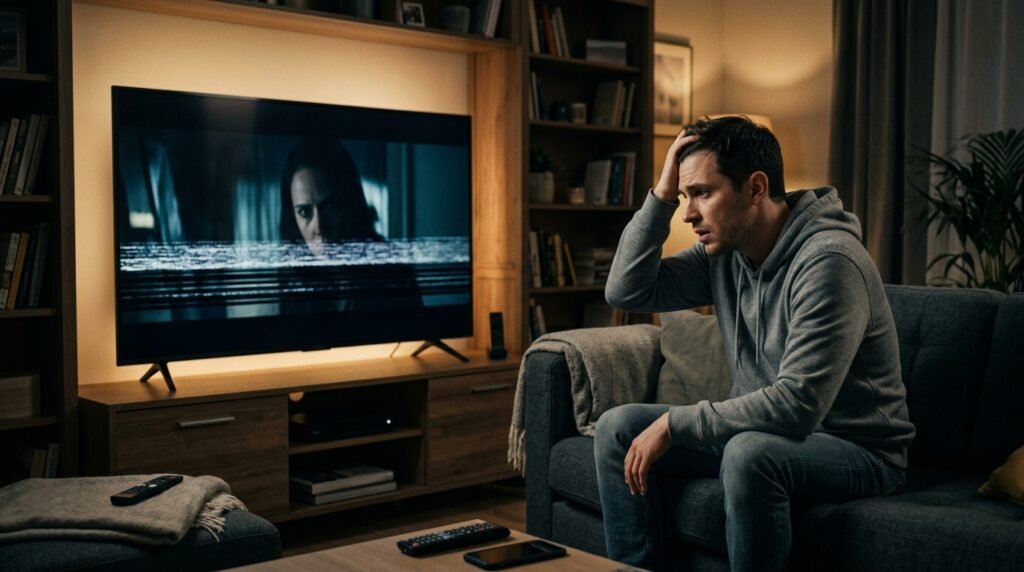
Aging digital cables often struggle to handle massive amounts of modern video information simultaneously. This bandwidth strain might cause your television screen to randomly blink or black out during intense scenes.
Losing the Magic of Dynamic HDR
High dynamic range rendering requires specialized, high-speed data transmission channels to display deep contrast levels. Older hardware versions simply lack the engineering required to pass these vibrant lighting profiles along properly.
Facing Strange Audio Video Sync Delays
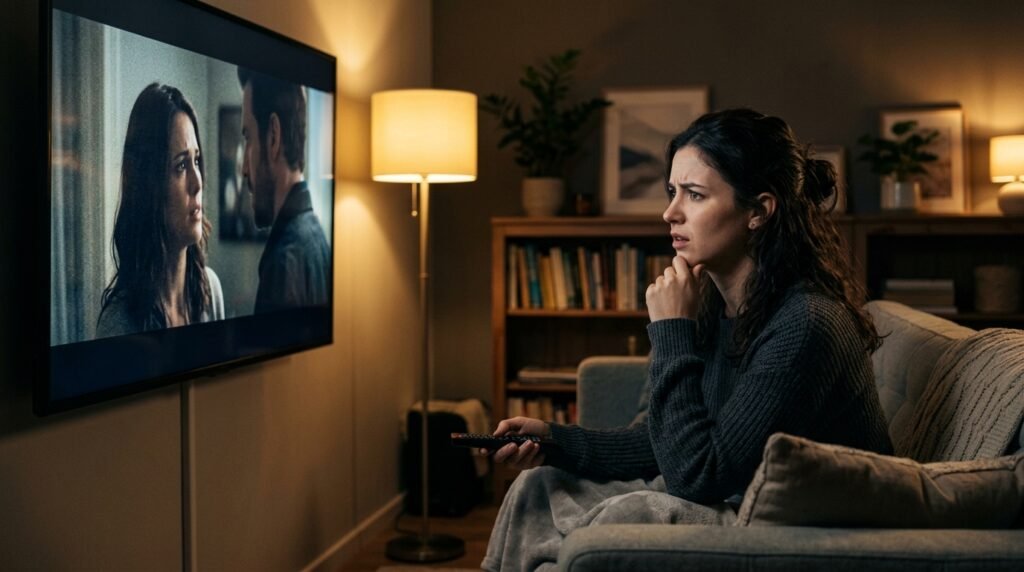
Have you ever noticed a movie actor’s lips moving completely out of time with their spoken words? Bandwidth constraints can occasionally cause the sound signals to fall behind the fast-moving video.
Lowering Your Maximum Gaming Frame Rates
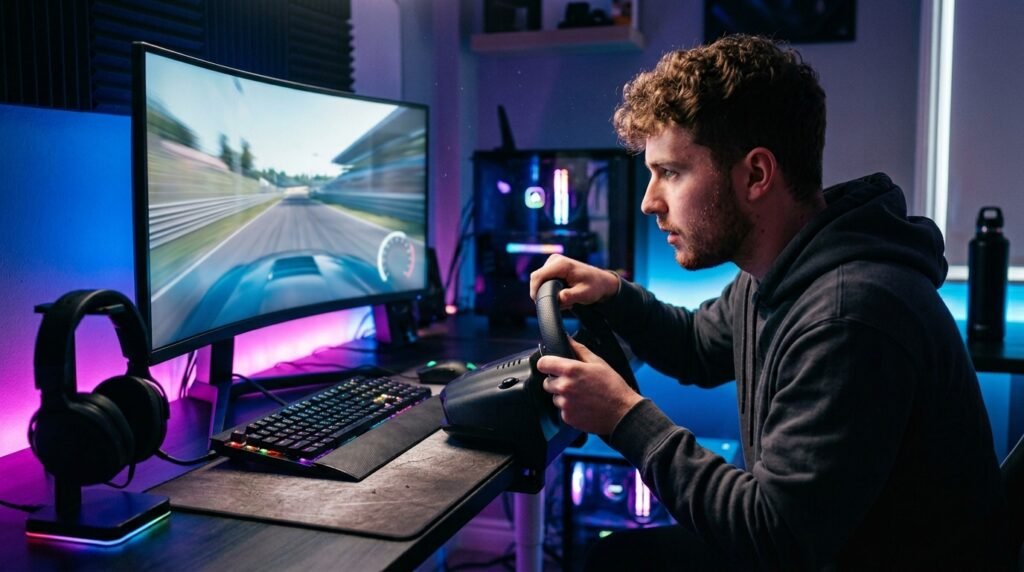
Connecting a modern gaming console with an obsolete wire can lock your refresh rates down completely. This hardware mismatch might cause fast-paced competitive games to look noticeably choppy and stutter heavily.
Missing Advanced Sound Formats Entirely
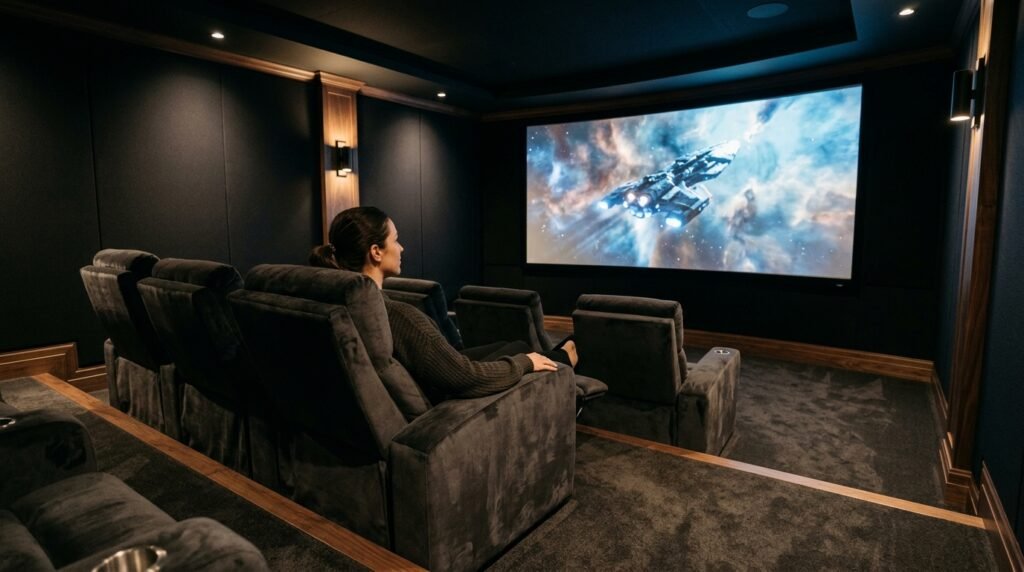
Modern home theater receivers rely on enhanced audio return channels to push immersive, theater-quality sound around the room. Older cords generally cannot carry these heavy acoustic data loads down the line.
Triggering Annoying Digital Copyright Errors
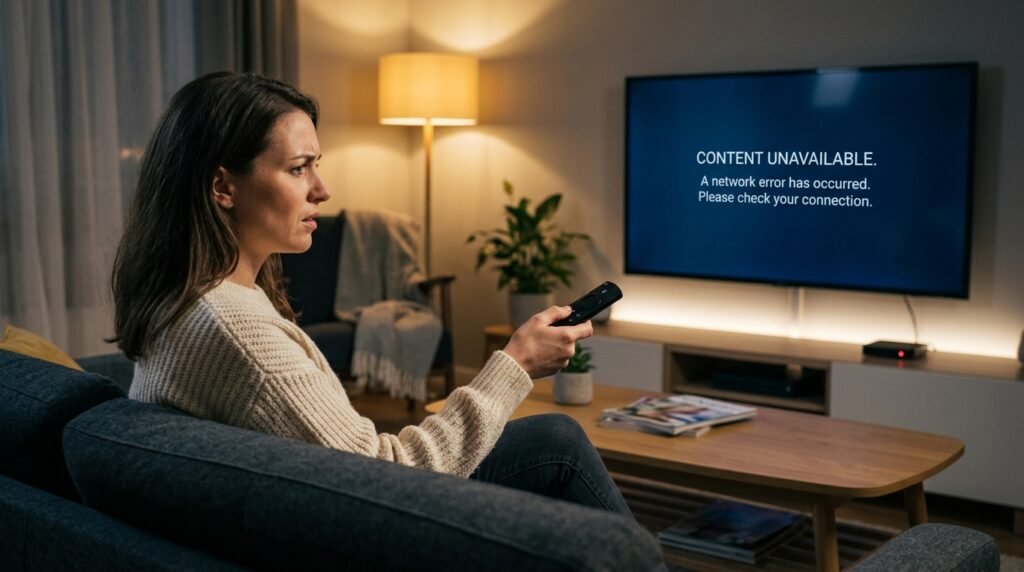
Media streaming devices constantly check for secure, updated digital handshakes across your entire hardware system. Outdated connectors can accidentally trigger blank screens or frustrating playback errors due to old security protocols.
Sacrificing the Depth of Color Space
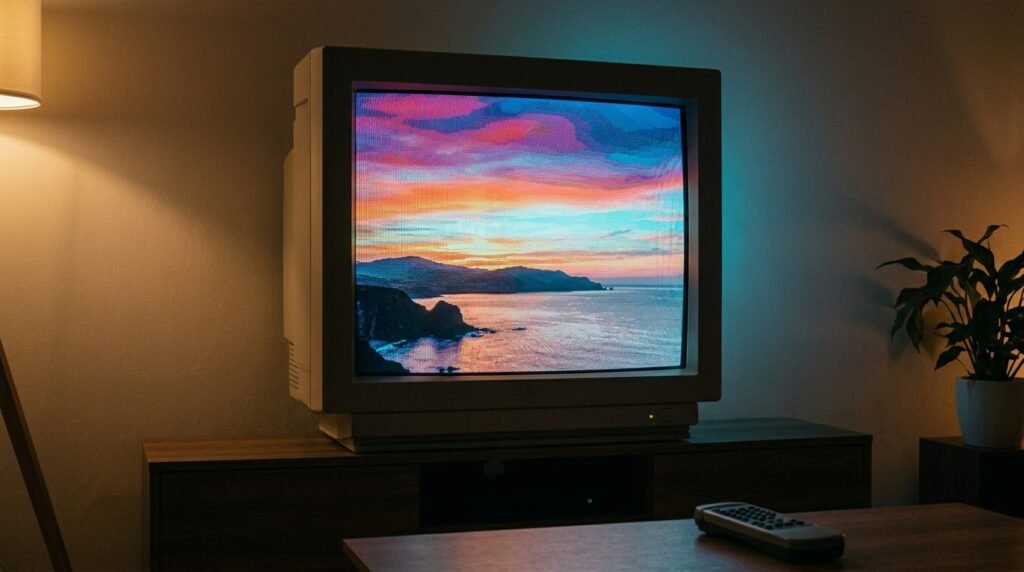
Newer displays can show billions of unique, subtle color shades to create incredibly realistic, natural imagery. Old cords often compress this data, potentially making beautiful sunsets look blocky and unnatural.
Suffering From Constant Signal Interference
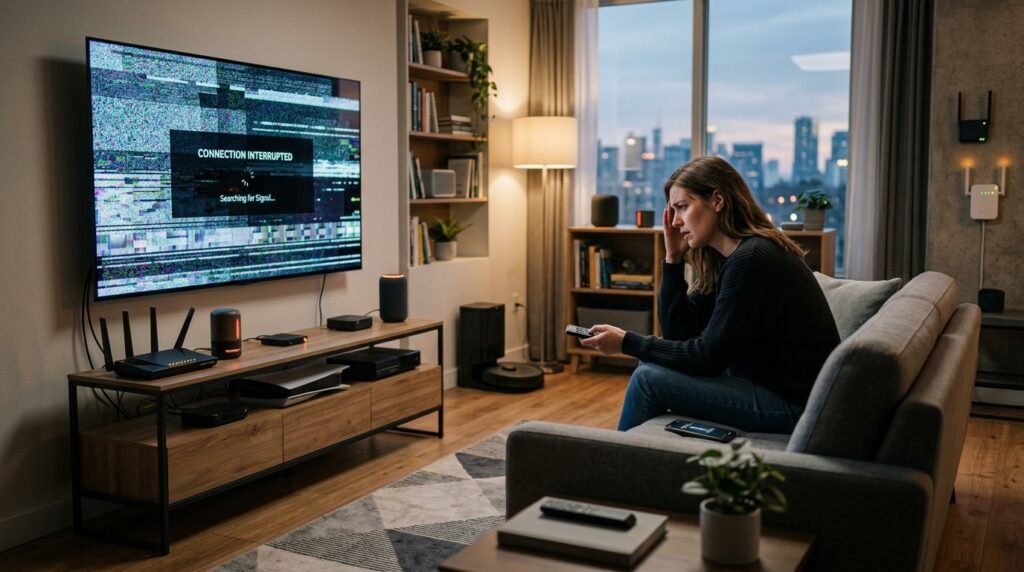
Older manufacturing standards did not require heavy internal shielding against modern wireless home networks. Unshielded wires can easily pick up annoying static loops from nearby routers or ringing cellular smartphones.
Limiting Your Home Office Potential

Using a legacy wire to connect your work laptop to a crisp external monitor can cause text pixelation. This subtle blurriness might accelerate eye strain during long, grueling remote work sessions.
Confusing Your Smart Television’s Auto Detection
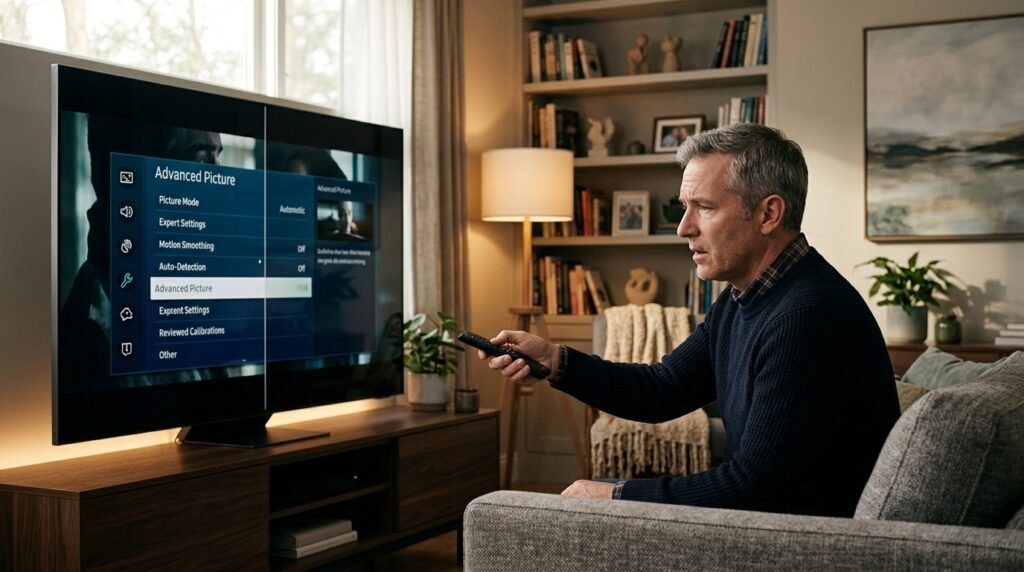
Modern smart displays try to automatically optimize color and resolution settings based on what is plugged in. An outdated cord can send confusing data profiles, resulting in a strangely washed-out picture.
Future Proofing Your Home Entertainment
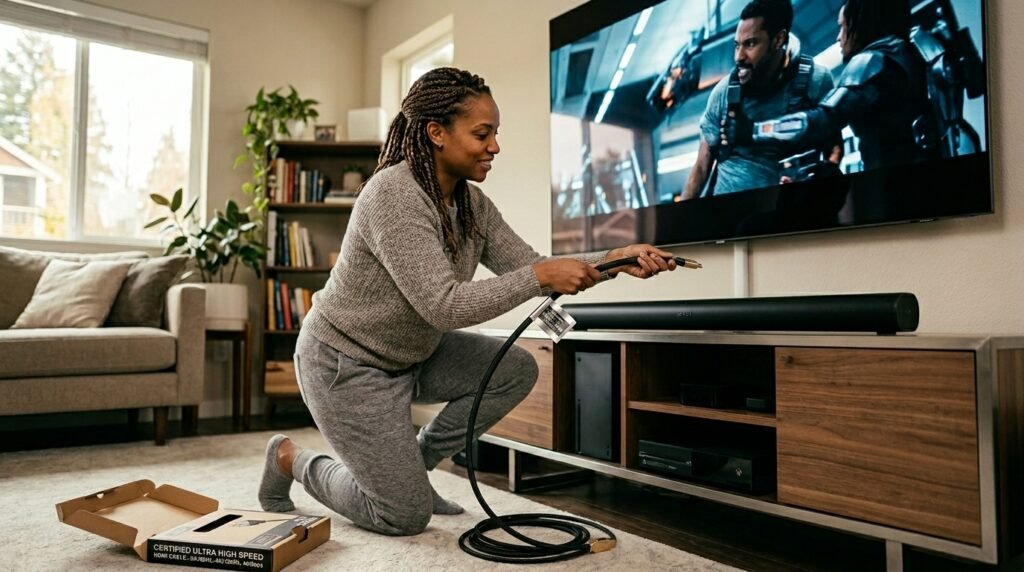
Investing a few dollars into a certified, ultra-high-speed wire keeps your living room running beautifully. Upgrading your connection ensures you can enjoy every bit of technological power your devices offer.
