
Tucking a power strip behind the television console or beneath an office desk usually solves your plug shortage problems for years without a second thought. However, recent safety alerts from the National Fire Protection Association indicate that aging electrical distribution and power transfer equipment heavily contribute to thousands of residential structure fires annually. Instead of shielding your delicate gear, an old power strip might actually expose your home to unexpected electrical malfunctions. Let us explore why updating your setup could be a crucial safety choice.
The Lifespan of Internal Components
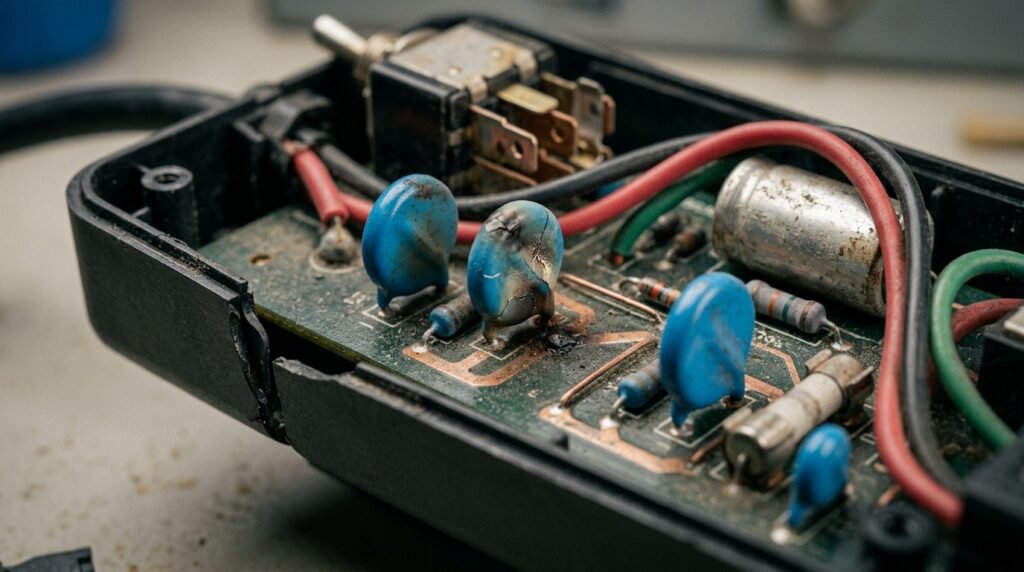
Most household power strips rely on internal parts called metal oxide varistors to absorb excess electricity. These tiny parts slowly degrade every single time they take a hit from a minor power spike.
Silent Degradation Leaving Gear Vulnerable
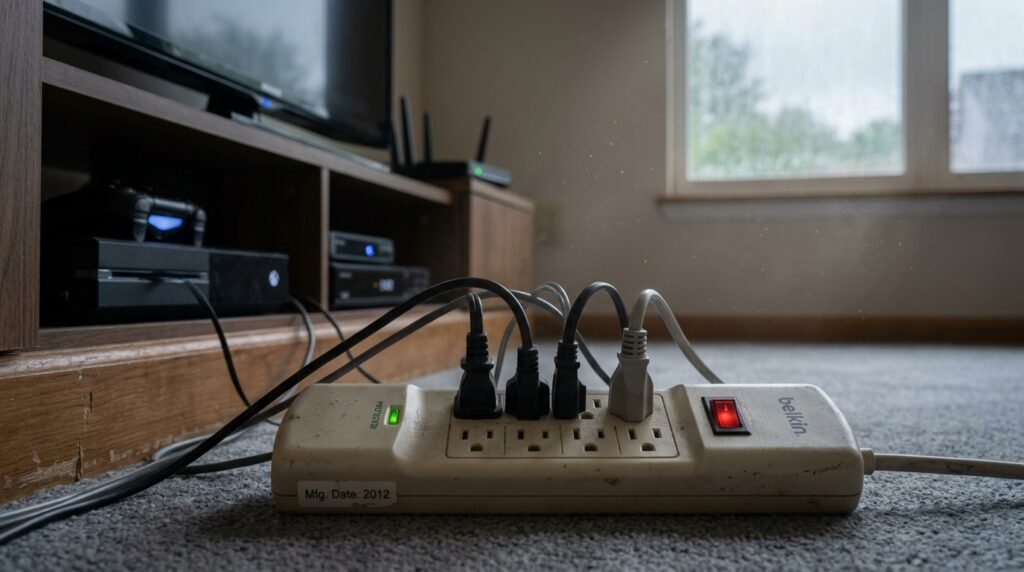
A major issue with aging units is that they degrade without making a sound or showing damage. Your electronics might stay powered up even when the protective shield has completely worn out.
The True Meaning of Indicator Lights
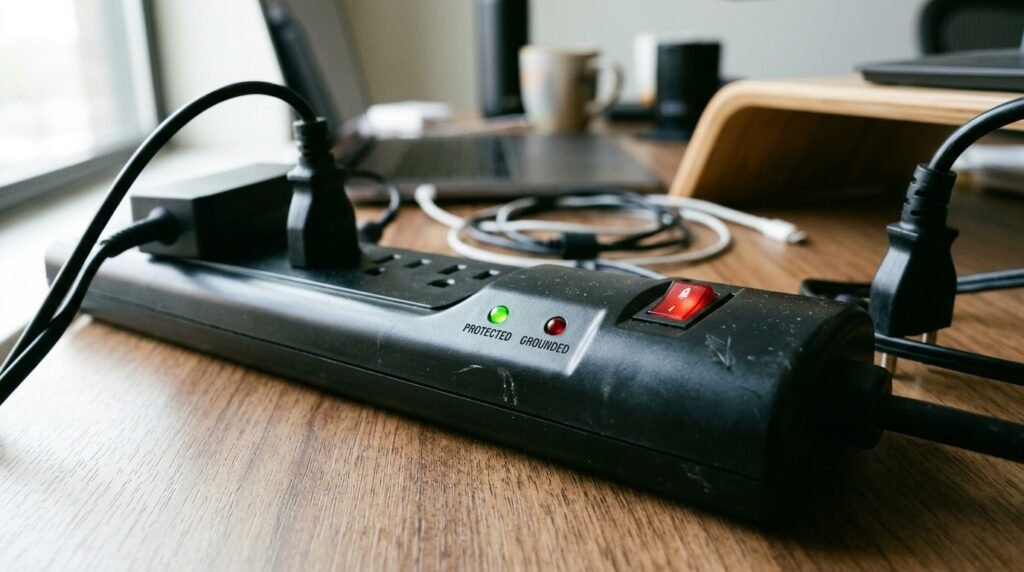
Many modern strips feature a small light labeled protected or grounded on the plastic casing. If this little bulb goes dark, it generally means the defensive engineering has entirely expired.
Accumulated Damage From Minor Spikes
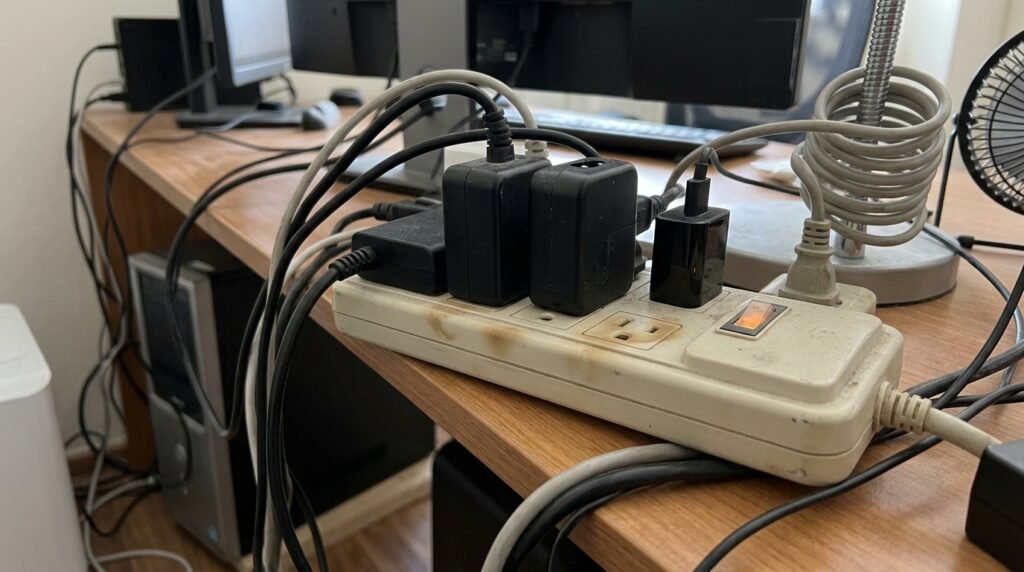
Massive lightning strikes are not the only threat to your home electronics setup. Small, everyday voltage fluctuations from appliances cycling on and off gradually chip away at your strip’s internal lifespan.
Fire Risks From Overheating Varistors
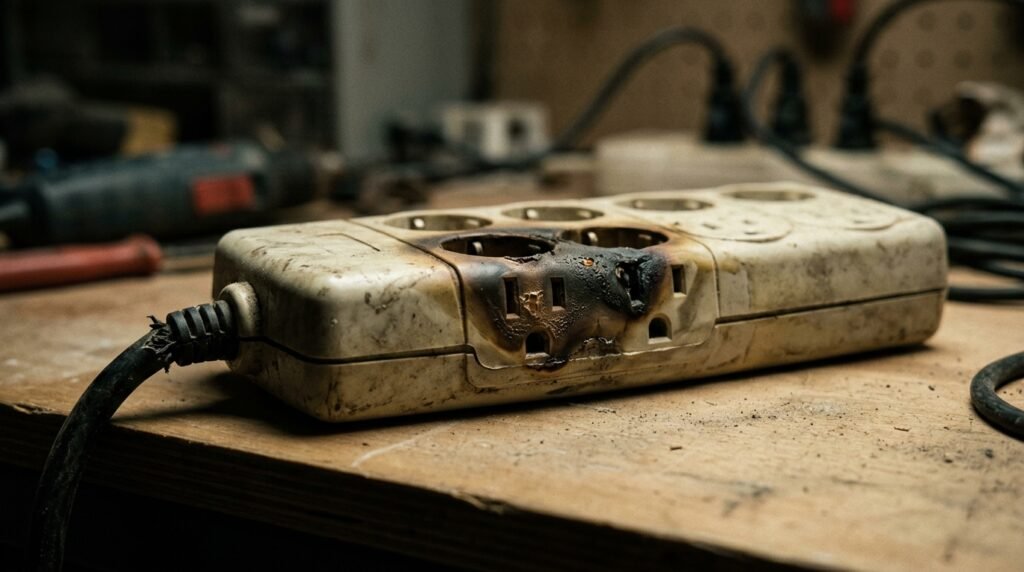
When the internal varistors become severely overworked and old, they can struggle to manage normal electrical currents. This wear can potentially cause the plastic housing to melt or catch fire.
The Importance of Joule Ratings
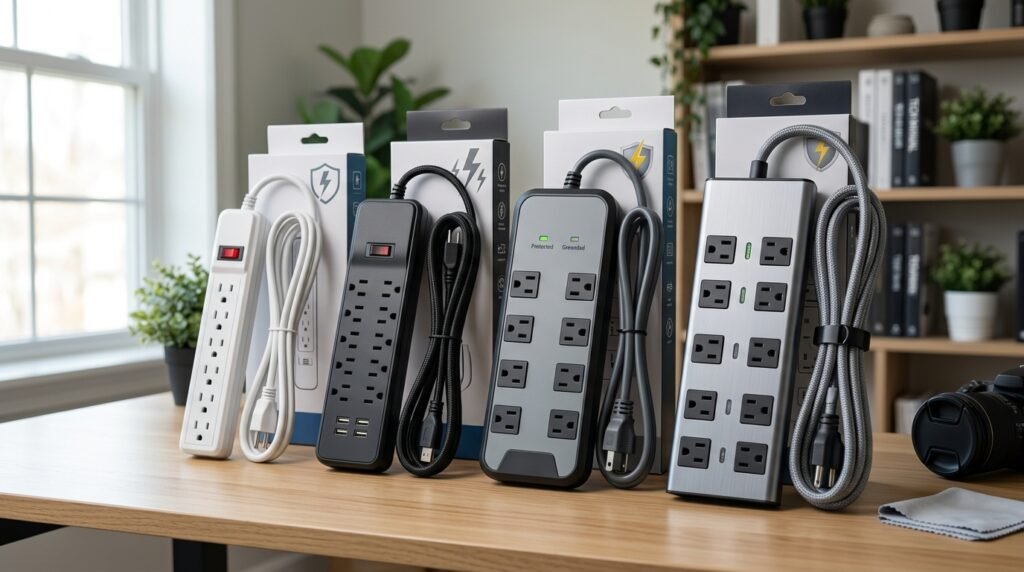
Every protective unit comes with a specific joule rating detailing how much energy it can handle. Once your home experiences that total amount of energy, the protection is completely gone.
Dangers of Daisy Chaining Old Units
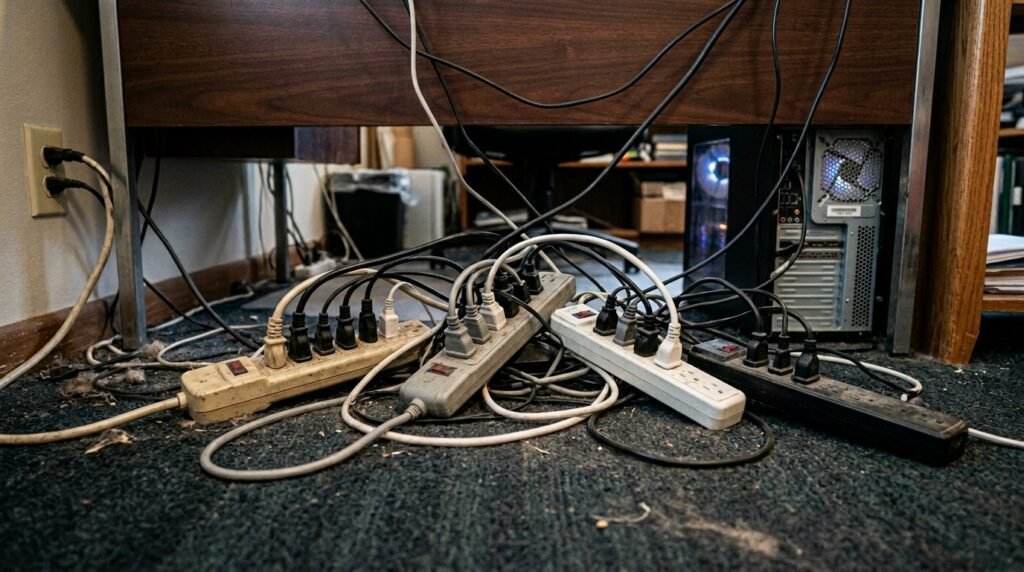
Plugging multiple extension blocks into one another to gain extra outlets is highly dangerous. This habit heavily overloads the primary wall circuit and dramatically elevates your risk of a fire.
Hidden Physical Wear and Tear
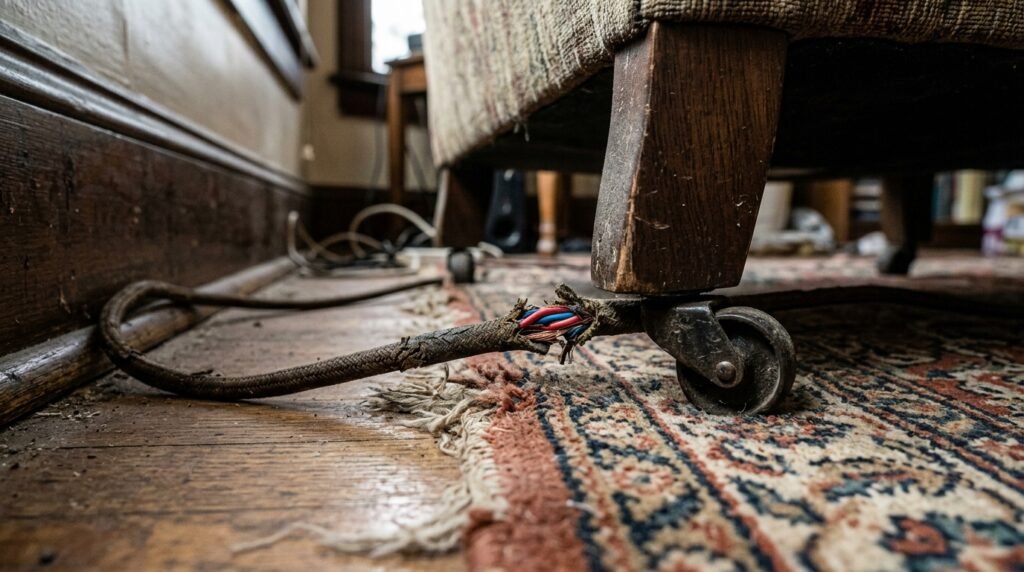
Tucking wires under heavy rugs or pinching them behind heavy desks causes serious structural damage. Internal wire fraying can create dangerous electrical arcs that reach incredibly hot temperatures very quickly.
Strict Upgrades in Underwriters Laboratories Standards

Safety testing groups frequently update their engineering benchmarks to maximize consumer safety. Older models missing recent certifications might not include advanced fire-suppression plastics or automatic shutoff switches.
The Three to Five Year Rule
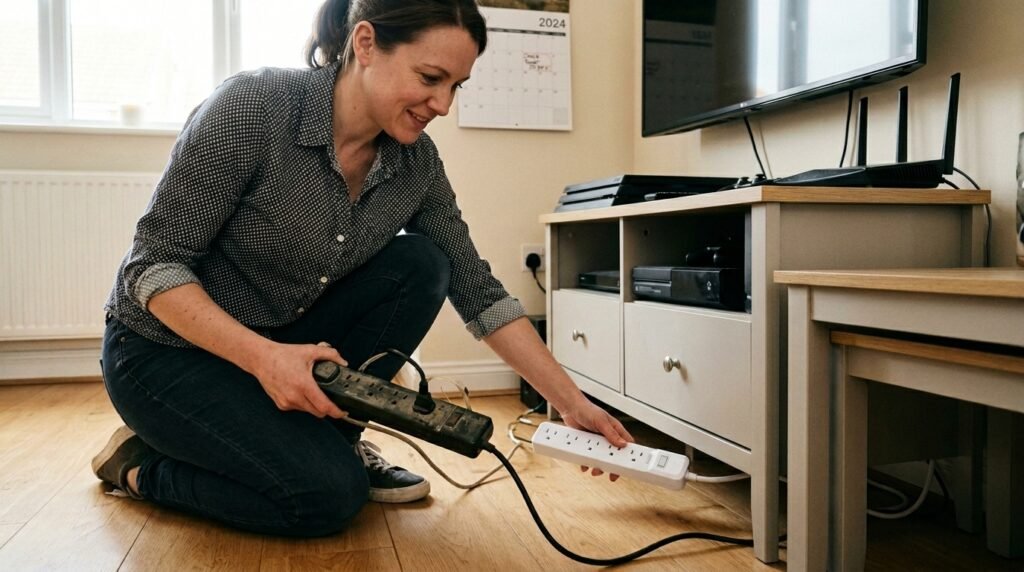
Electrical industry summaries generally suggest replacing your primary power bars every three to five years. Swapping them out on a regular schedule takes the dangerous guesswork out of home safety.
False Security of Regular Power Strips
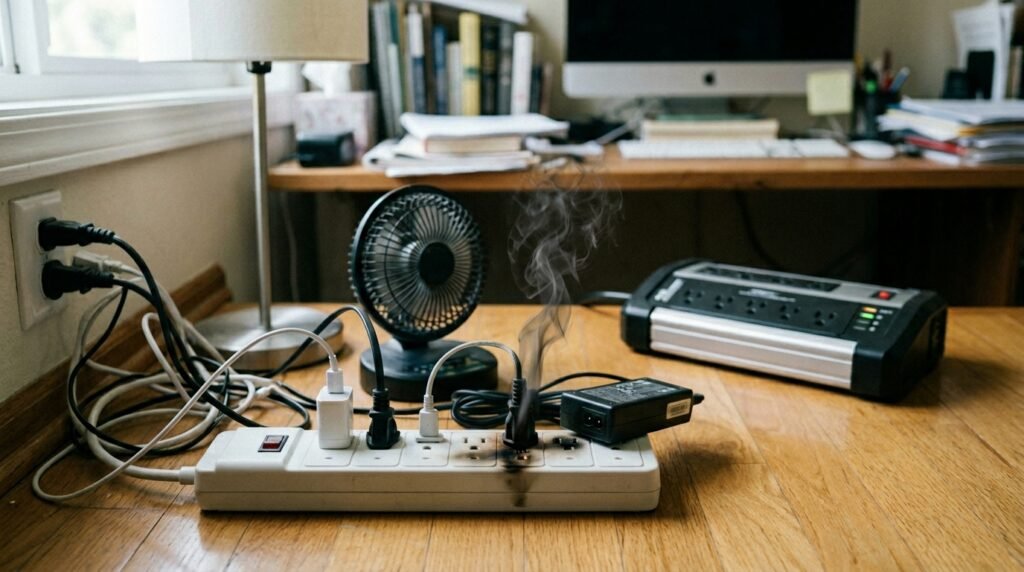
It is incredibly easy to confuse a cheap multi-outlet extension cord with a true defensive surge protector. Basic strips offer zero voltage redirection, leaving your gear completely defenseless from day one.
Upgrading for Peace of Mind

Investing a few dollars into fresh, certified protective equipment keeps your household running smoothly. Replacing those ancient power blocks ensures your home and electronics stay thoroughly safe for years.
