
Sitting down with a hot cup of coffee to tidy up your digital workspace can reveal some truly eye-opening surprises about your personal privacy. A recent cybersecurity posture report published by the Cybersecurity and Infrastructure Security Agency indicates that unmanaged background software privileges can potentially expose consumer machines to unintended data harvesting. Spending twenty minutes auditing these highly specific access toggles might drastically lower your exposure, boost processing speeds, and restore absolute peace of mind.
Restricting Your Constant Precise Location Tracking
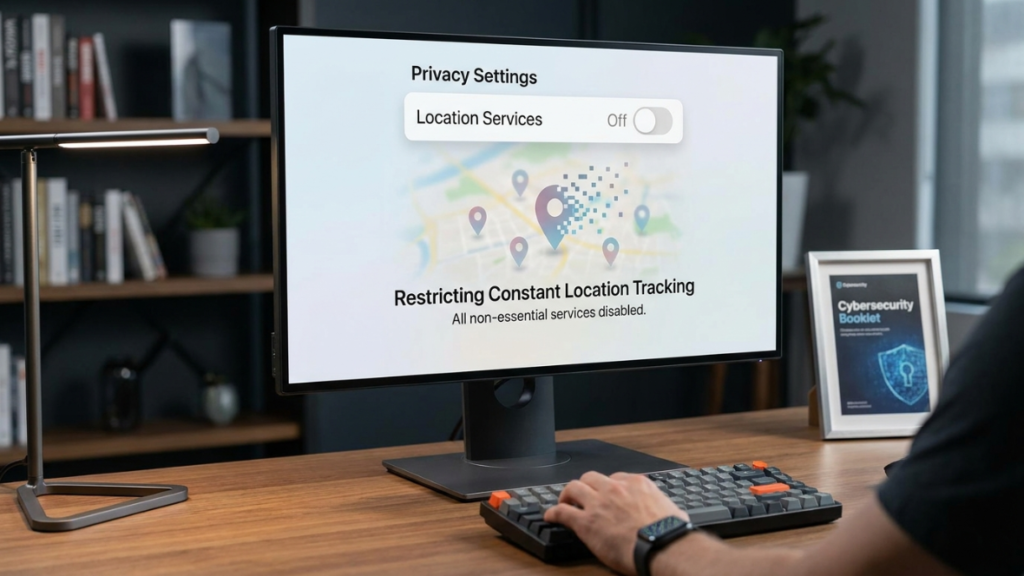
Allowing standard retail apps or weather widgets to map your exact geographic coordinates is often completely unnecessary. Toggling these location permissions off keeps your physical daily movements entirely private and secure.
Reviewing Idle Microphone Access Permissions Confidently
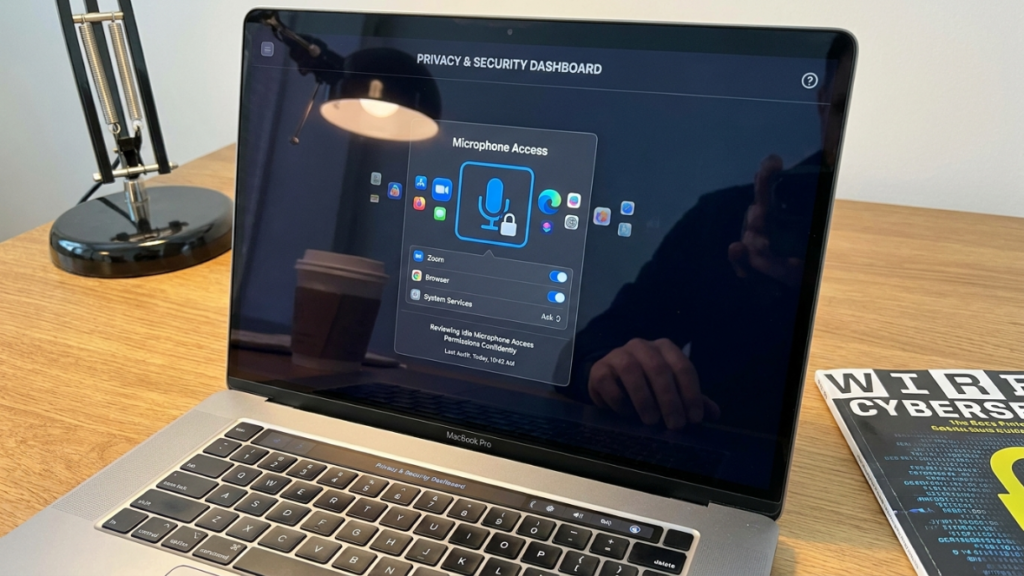
Various media tools and communication platforms request permanent access to your primary audio hardware. Restricting this setting ensures your microphone remains completely inactive until you explicitly grant active permission.
Managing Your Integrated Webcam Access Toggles
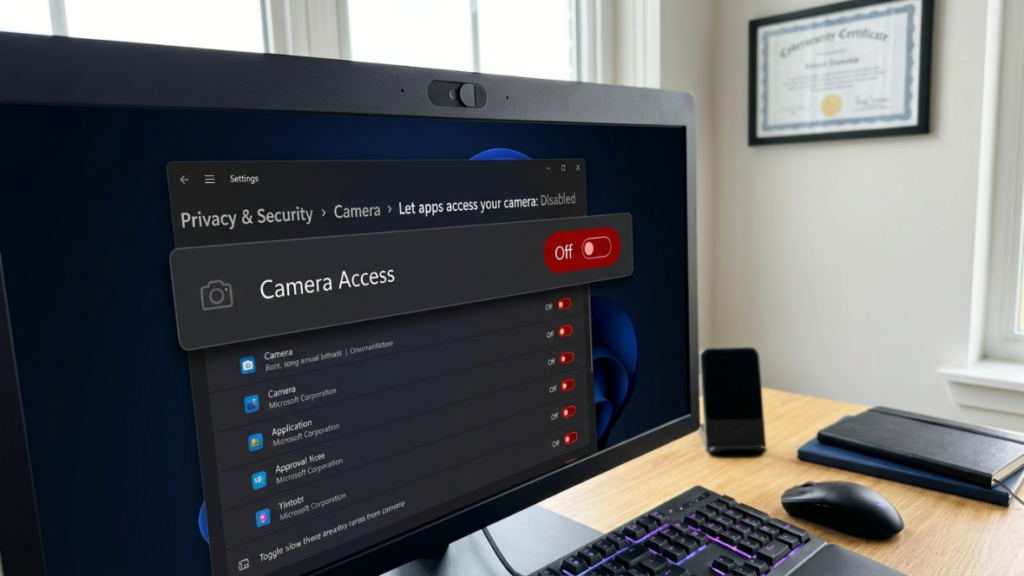
Securing your home office environment requires checking which applications carry permission to trigger your camera. Turning this access off prevents background software from unexpectedly turning on your lens without warning.
Locking Down Excessively Broad Contacts Access
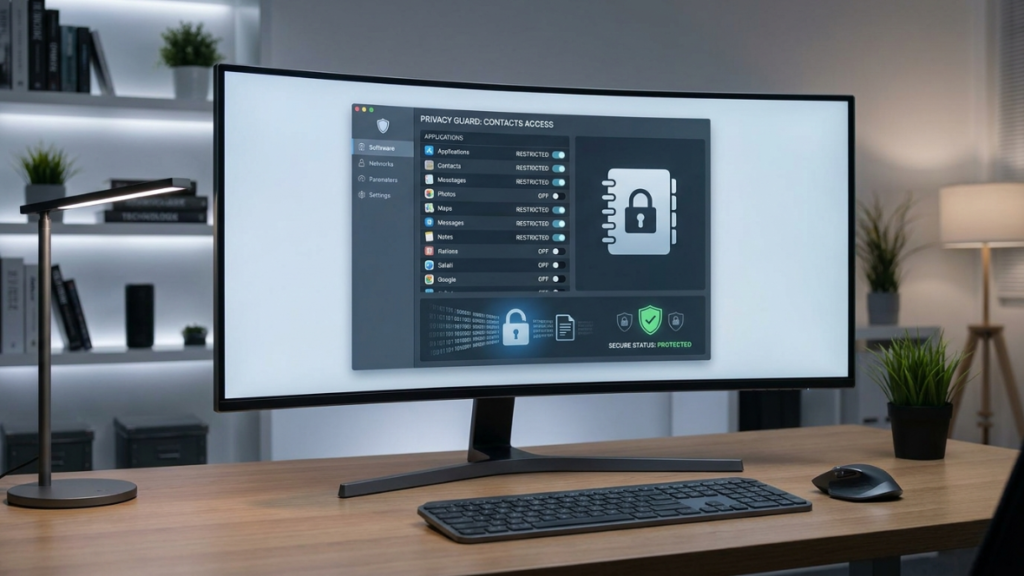
Many desktop utilities scan your local address book under the guise of optimizing your social sharing. Restricting this entry point safeguards the private email addresses of your professional colleagues and family.
Auditing the Pictures and Videos Folder Access
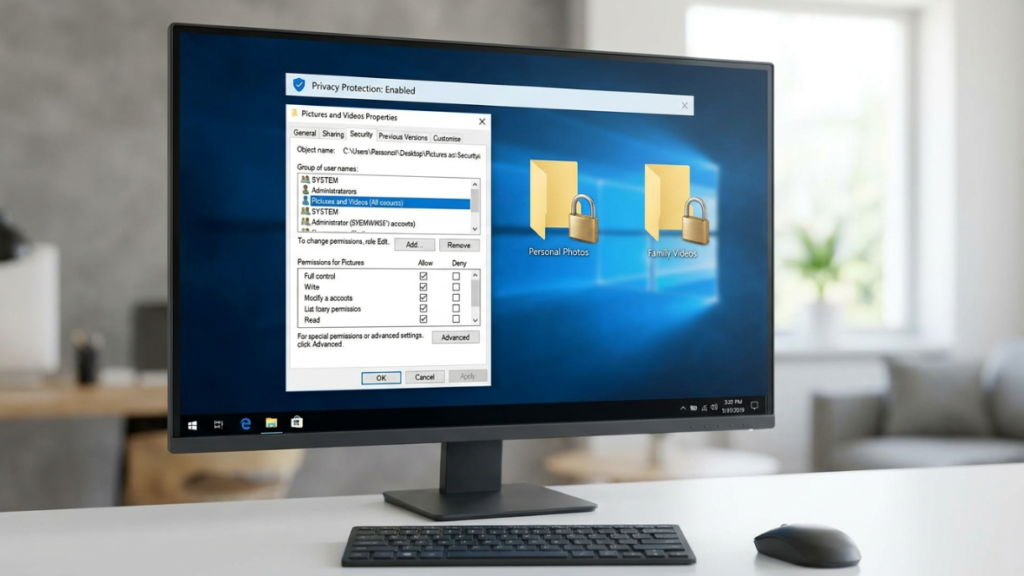
Some creative programs require file access, but casual applications rarely need to browse your personal galleries. Limiting directory permissions keeps your private family snapshots tucked away from third-party software.
Managing Your Hidden Diagnostic Data Sharing
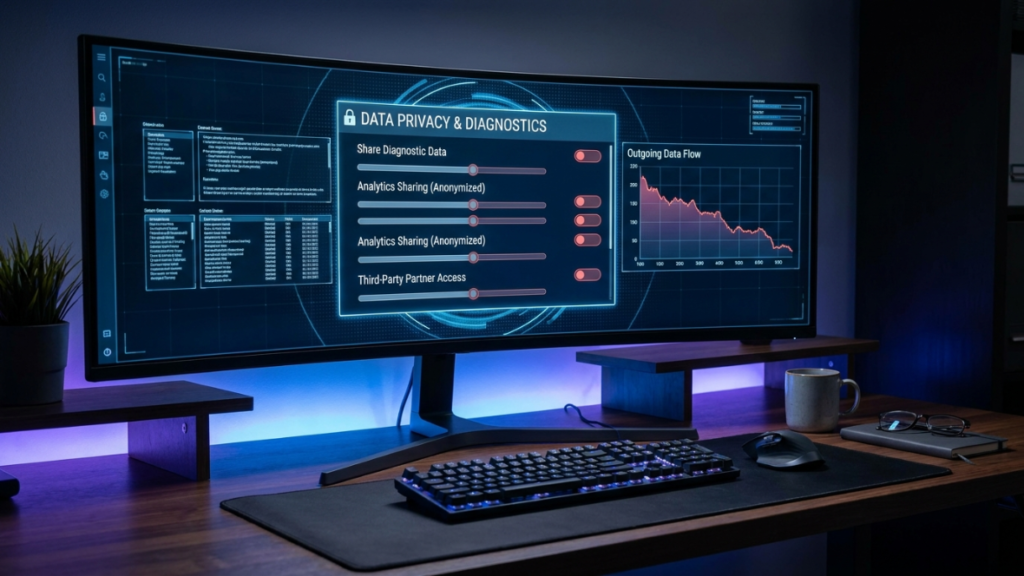
By default, operating systems naturally gather minute hardware details to help developers spot software bugs. Minimizing your diagnostic sharing settings reduces your overall outward data transmission to a basic level.
Disabling Your Localized Device Advertising Identifier

Digital marketing networks often utilize a unique hardware token to track your product preferences across websites. Turning this identifier off may significantly reduce highly targeted pop-up ads on your browser.
Checking Your Account Info Access Rights
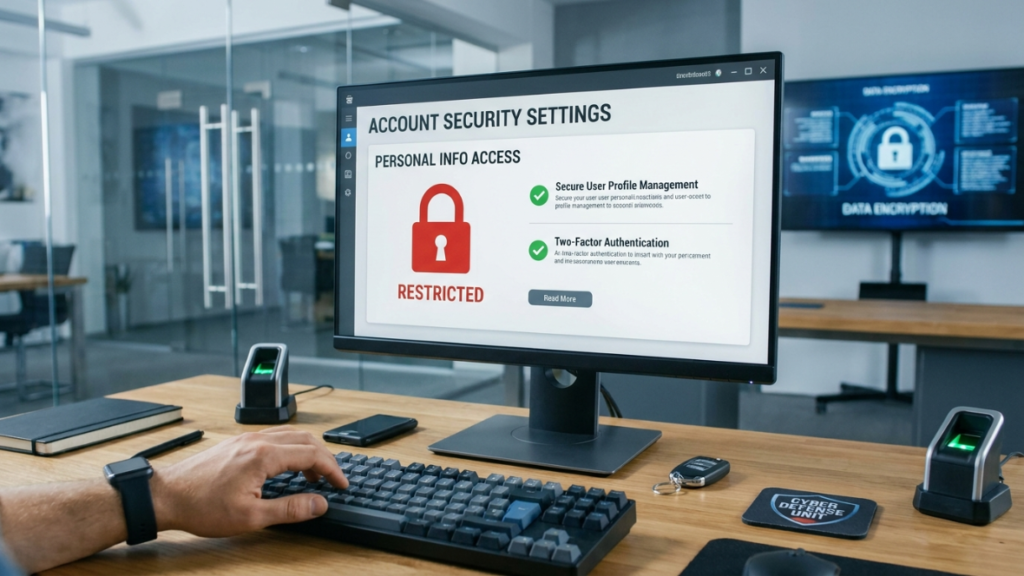
Basic utility applications occasionally request direct permission to view your full username and email address. Revoking these data rights ensures your personal profile details remain private during daily computer use.
Restricting Automatic Startup Launch Permissions
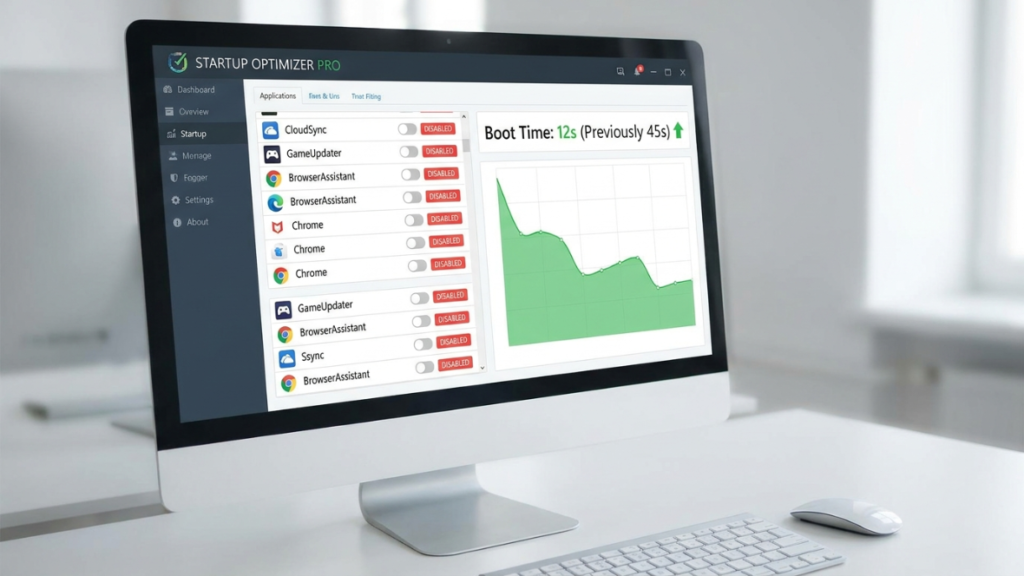
Allowing dozens of programs to automatically boot up the second your machine powers on causes severe lag. Disabling unnecessary startup items ensures a beautifully fast and responsive desktop experience.
Disabling App Permissions for Nearby Devices
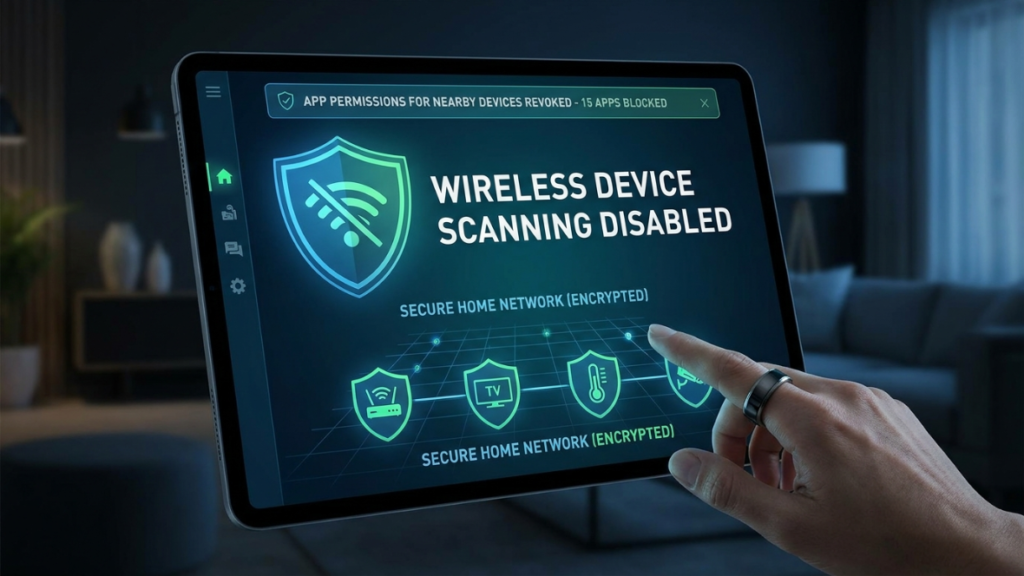
Many modern programs continuously broadcast wireless signals to look for neighboring hardware or smart appliances. Shutting down this specific sharing tool prevents constant, unauthorized scanning across your home network.
Restricting App Control Over Local Notifications
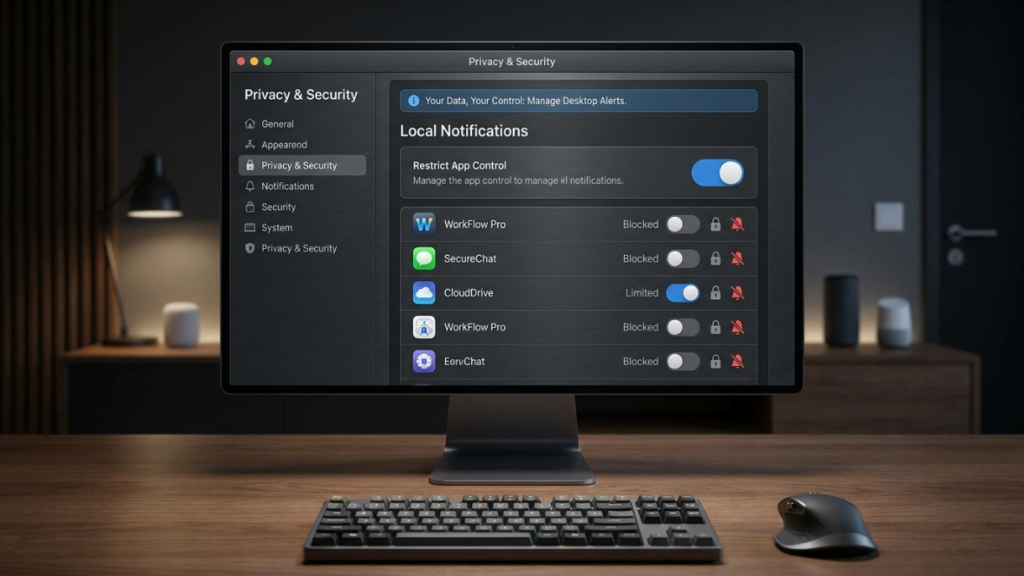
Some third-party applications demand the right to read and intercept all incoming desktop alerts. Restricting this permission ensures that sensitive confirmation codes or private messages stay completely hidden from view.
Cutting Off Broad File System Access Entirely

The most critical toggle allows specific programs to read every single file on your hard drive. Restricting this master permission limits software to its own small, designated storage sandbox.
