
The earliest years of a career are very different from how they once were; stepping into the world of work once meant walking into cubicles and down to the water cooler. A new sweeping economic report from the Federal Reserve Bank of New York suggests significant changes in the way jobs are first filled could be dramatically altering hiring patterns. The shifts at the structural level (macro) that these changes represent may shape early professional development, mentorship opportunities, and the daily work environment in surprising ways throughout the country.
Finding Open Entry-Level Opportunities

Landing your very first corporate role may feel notably more competitive than in previous hiring cycles. Companies occasionally slow down entry-level recruitment when physical training structures are entirely absent.
Missing Early Professional Mentorship Moments

Seated in front of a computer at home could negatively affect unintentional learning opportunities. Inadequate, unscheduled, and limited opportunities to talk with senior leaders while on the job may lead to slower acquisition of early skills.
Navigating the Rise of Hybrid Schedules
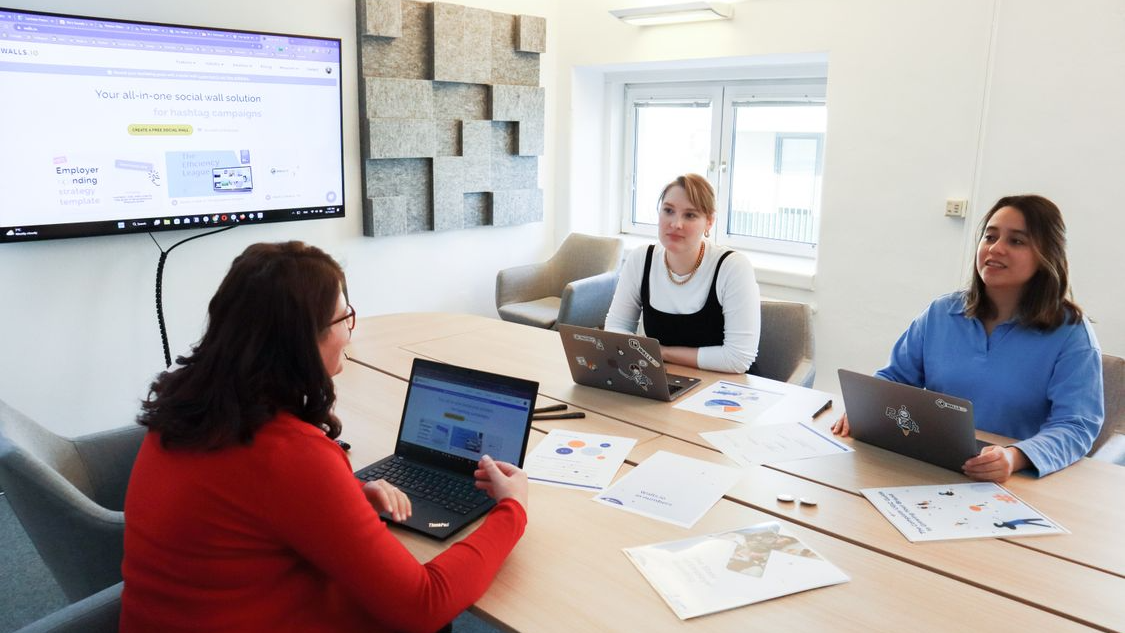
Fully remote setups appear to be losing ground to blended office routines. Many organizations now prefer standard hybrid frameworks that require teams to assemble in person a few days weekly.
Struggling With Workplace Social Isolation

Working in complete physical isolation might heavily impact a young professional’s daily happiness. Recent cultural tracking indicates that younger team members often experience higher frequencies of midday loneliness.
Proving Digital Presence and Productivity

When managers cannot physically see your daily efforts, proving your dedication requires extra communication. Some individuals feel an unspoken pressure to remain perpetually active on corporate messaging software.
Navigating the Declining Off-Site Postings

Finding a job description that allows indefinite work from anywhere is becoming increasingly rare. Corporate hiring databases indicate that a nationwide trend is back toward mandatory on-site attendance in the major industries.
Establishing Healthy Work-Life Boundaries

It can be hard to log out if a bed desk has to be both a workstation and a bed at the same time. Disconnecting mentally at the evening’s end may pose a significant challenge for younger individuals.
Experiencing Higher Rates of Burnout

Balancing high digital workloads without face-to-face team support can rapidly exhaust your mental energy. Without the balance of real human interaction, fatigue increases as people get more tired from the screens they are using all day long.
Competing Against Highly Experienced Candidates
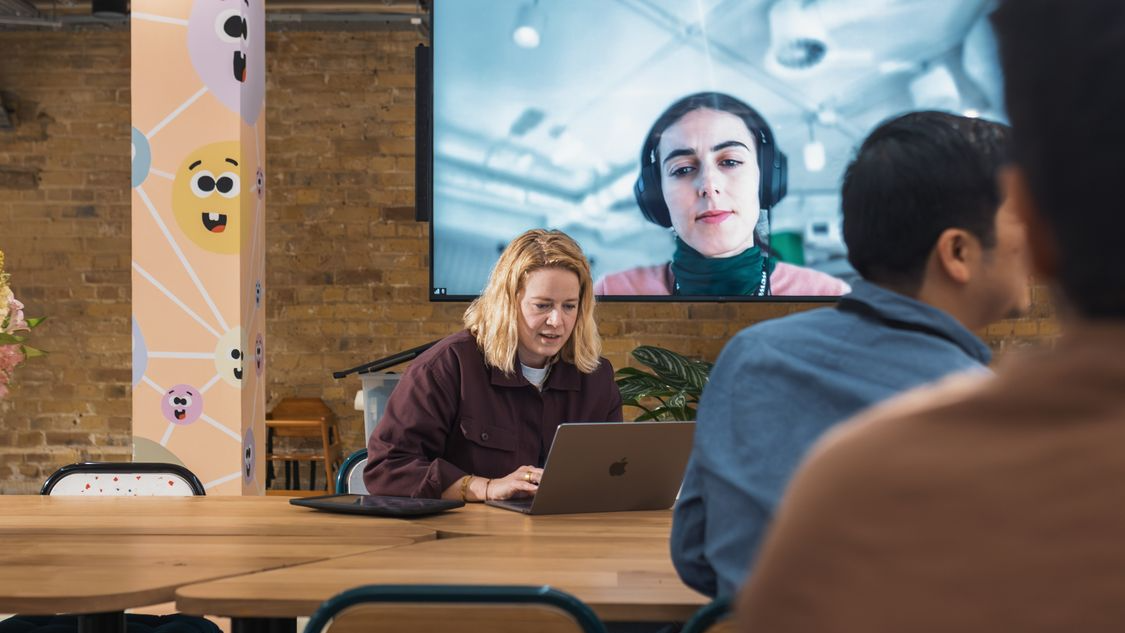
If a job can go entirely digital, the local talent pool becomes a far-reaching resource across the nation. Sometimes, junior candidates are directly competing with experienced candidates who are from different continents.
Navigating Corporate Office Mandates

A number of big companies are, in fact, implementing strict return-to-office policies to maintain company culture. Changing these structural needs can involve altering your own position and weekly schedule.
