Holding a brand-new device often brings a sudden wave of satisfaction that goes well beyond raw processing speeds or flashy software features. According to a recent comprehensive industry engineering report published by Software Mansion, the secret behind that elusive luxury sensation lies within highly calculated physical modifications. By carefully tuning tiny interior elements, manufacturers might completely redefine your daily physical interactions without you ever noticing the specific changes.
Moving Toward Advanced Linear Resonant Actuators
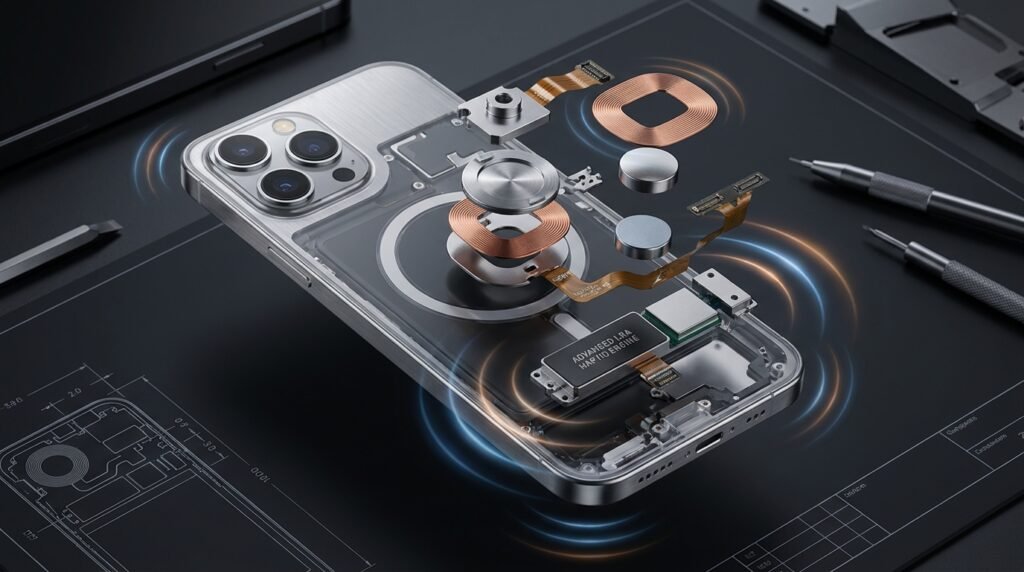
Older mobile devices often relied on crude rotating interior weights that produced noisy, loose vibrations during incoming phone calls. Upgrading to advanced linear motors may allow for exceptionally clean, directional buzzes.
Engineering Seamless Gaps on Foldable Hinges
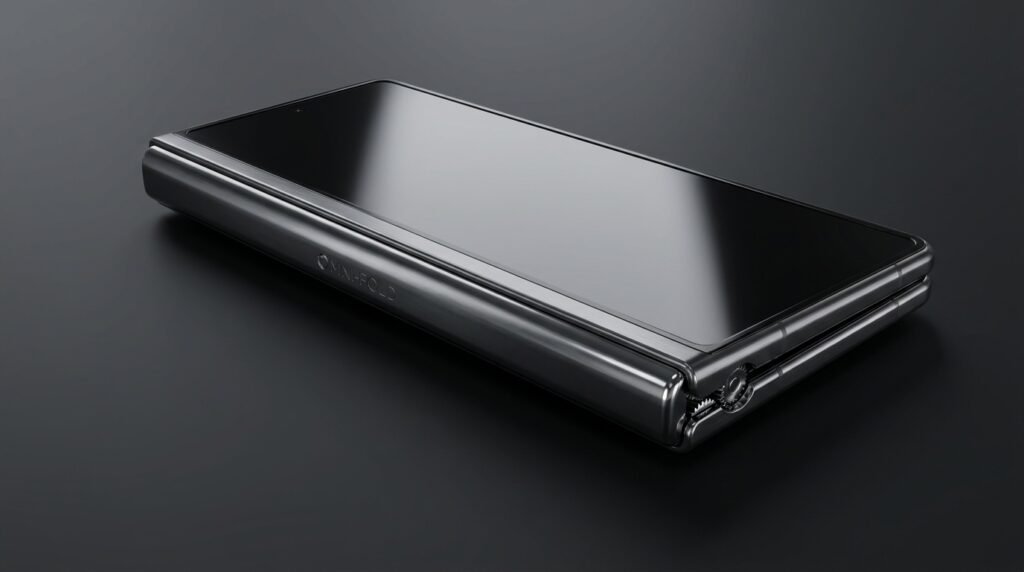
Early flexible handsets frequently left highly visible structural openings that allowed pocket dust to gather inside delicate layers. Modern teardrop mechanisms might let the screen fold completely flat against itself.
Shifting From Standard Aluminum to Titanium
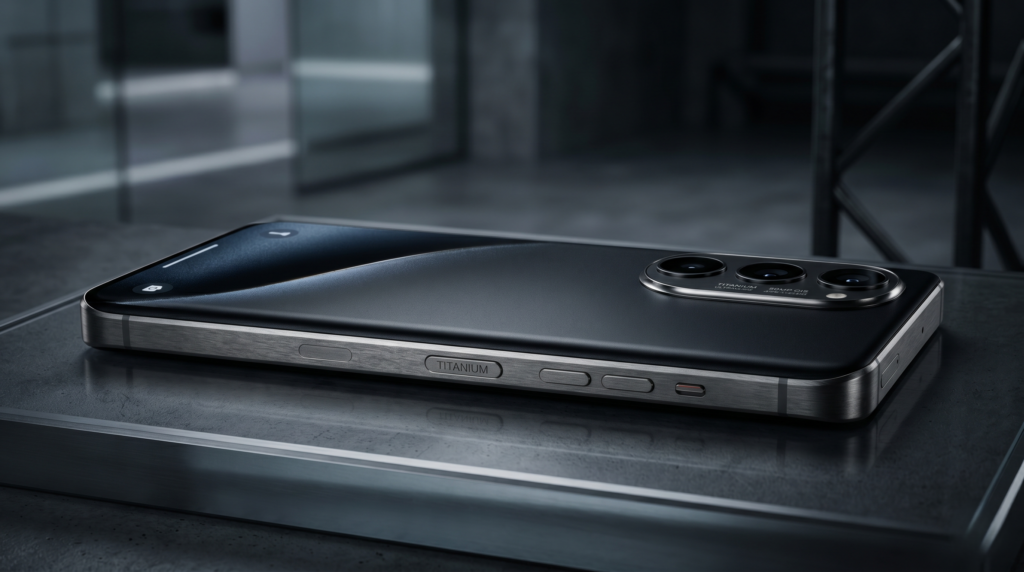
Moving away from basic aircraft aluminum toward premium aerospace-grade titanium alloys alters the overall chassis density. This structural upgrade could provide excellent scratch protection alongside a wonderfully balanced hand feel.
Calibrating a Balanced Center of Gravity

A top-heavy layout often causes noticeable wrist strain during extended reading or scrolling sessions. Distributing internal components evenly keeps the device resting comfortably and securely within your palm.
Implementing Localized Solid-State Pressure Buttons
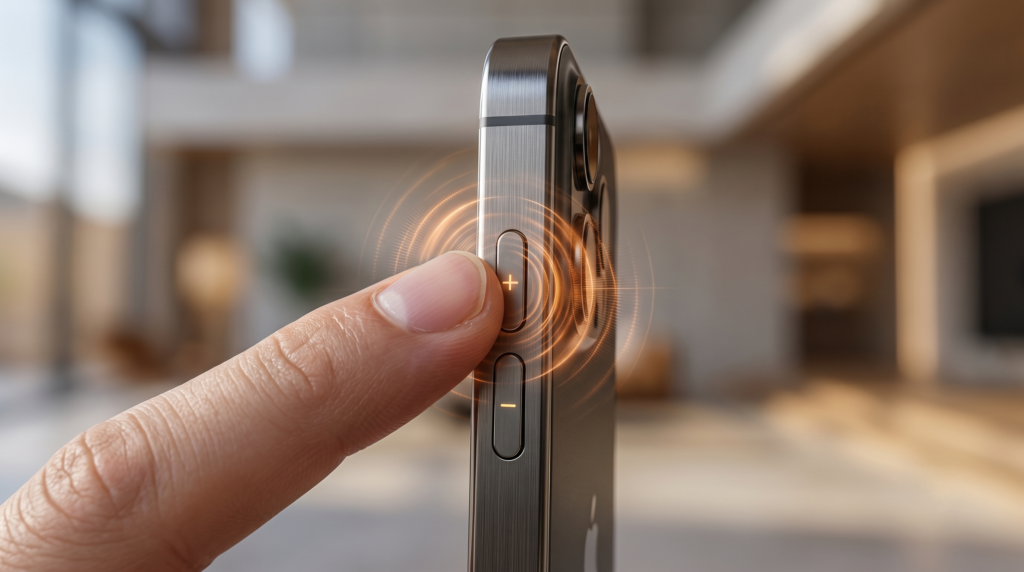
Swapping out classic physical volume clickers for solid-state piezoelectric alternatives removes mechanical failure points. These modern components can perfectly replicate a crisp physical click using localized pressure waves.
Embracing Specialized Micro Textures on Glass
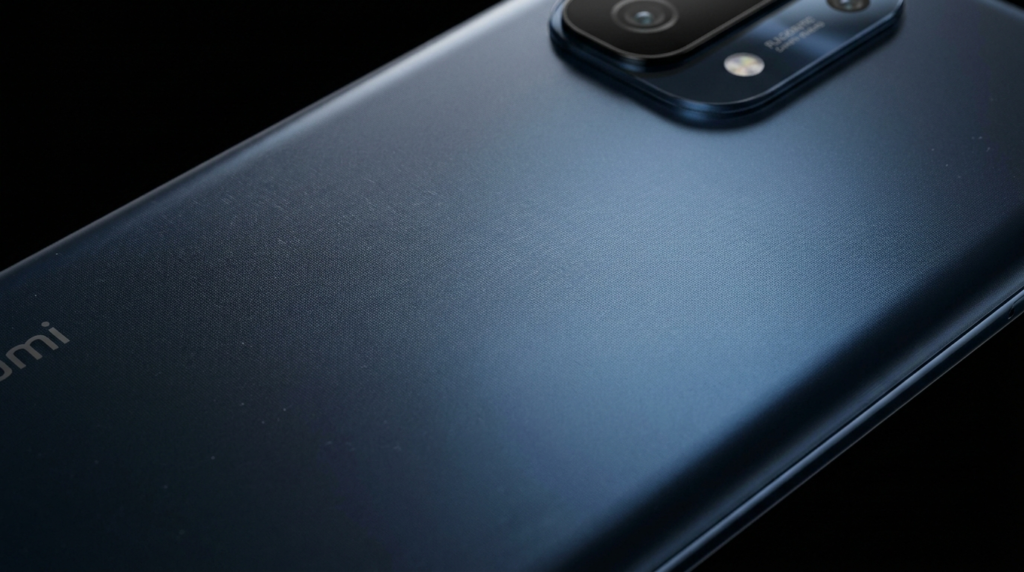
Glossy back panels routinely collect smudges and oils within seconds of regular handling. Etching microscopic patterns directly into the glass might create a smooth, satin texture that resists fingerprints.
Moving Camera Assemblies Totally Flush
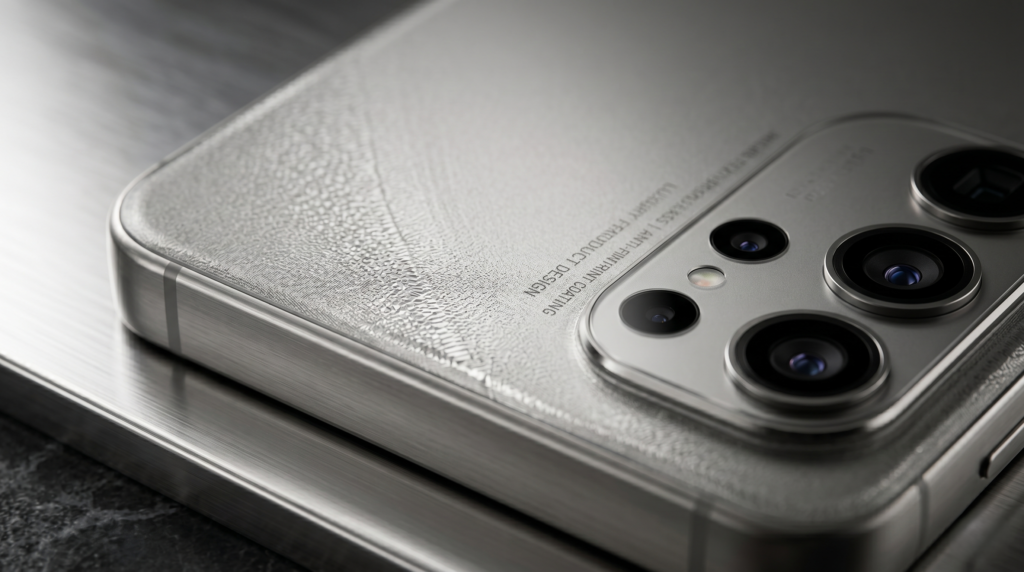
Huge, protruding camera blocks frequently cause devices to wobble awkwardly when resting face up on flat tables. Recessing lenses into a level plane creates a streamlined and cohesive silhouette.
Shifting Toward Uniform Ultra-Thin Bezels
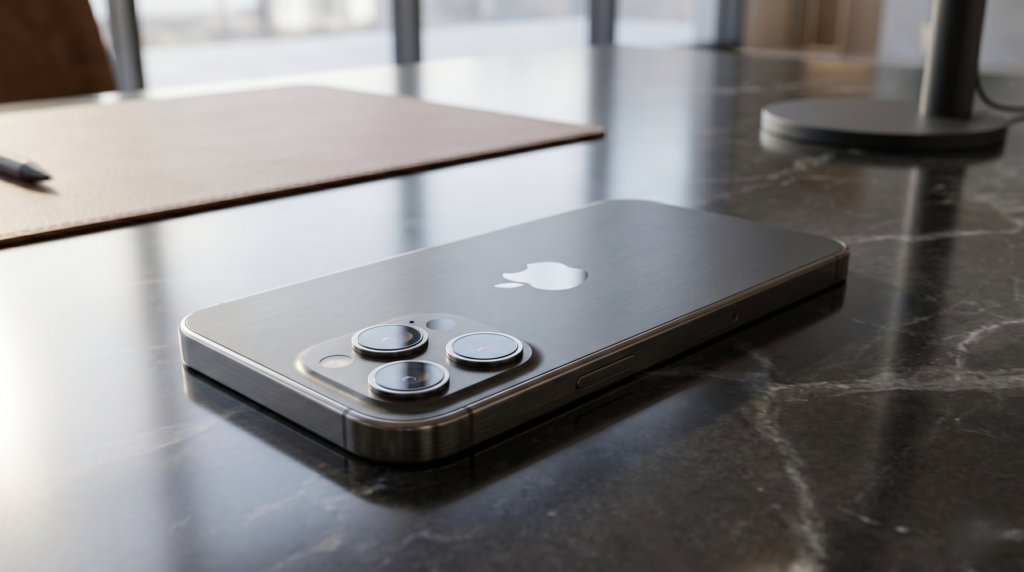
Asymmetric bottom borders can sometimes make a display layout appear unbalanced and visually dated. Shrinking all four surrounding edges to identical fractions of a millimeter elevates the screen symmetry.
Tuning Acoustic Performance on Internal Chambers
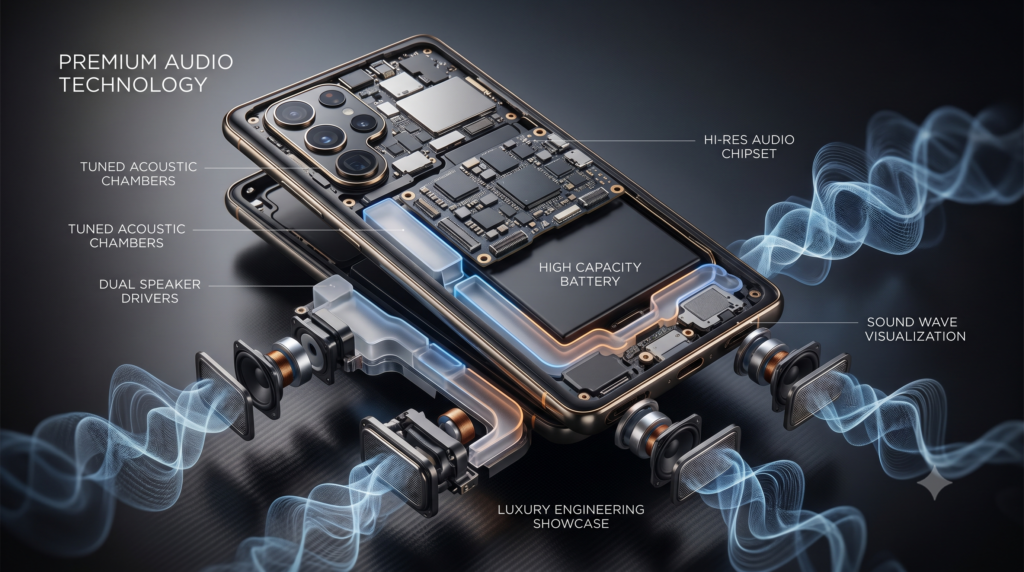
The sound of a ringing phone shouldn’t feel tinny or echo through a hollow plastic frame. Tuning internal acoustics can create deep, satisfying tones that mimic high-end home speakers.
Eliminating Plastic Protective Screen Liners
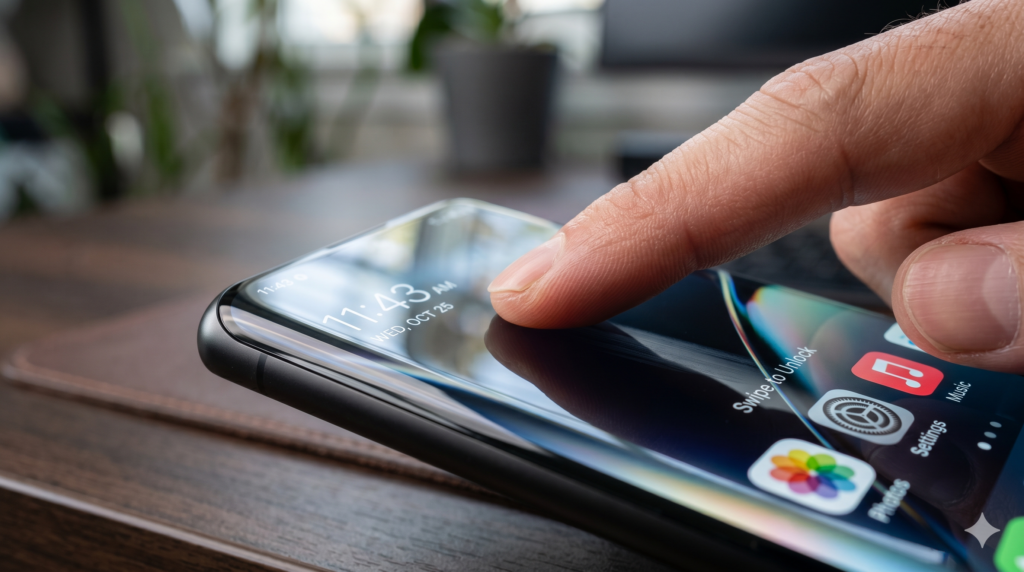
Scraping fingers along rough plastic display borders immediately diminishes an otherwise premium physical aesthetic. Replacing those borders with fully integrated, polished glass edges provides a completely unbroken swipe.
Standardizing Tougher Chemically Tempered Glass
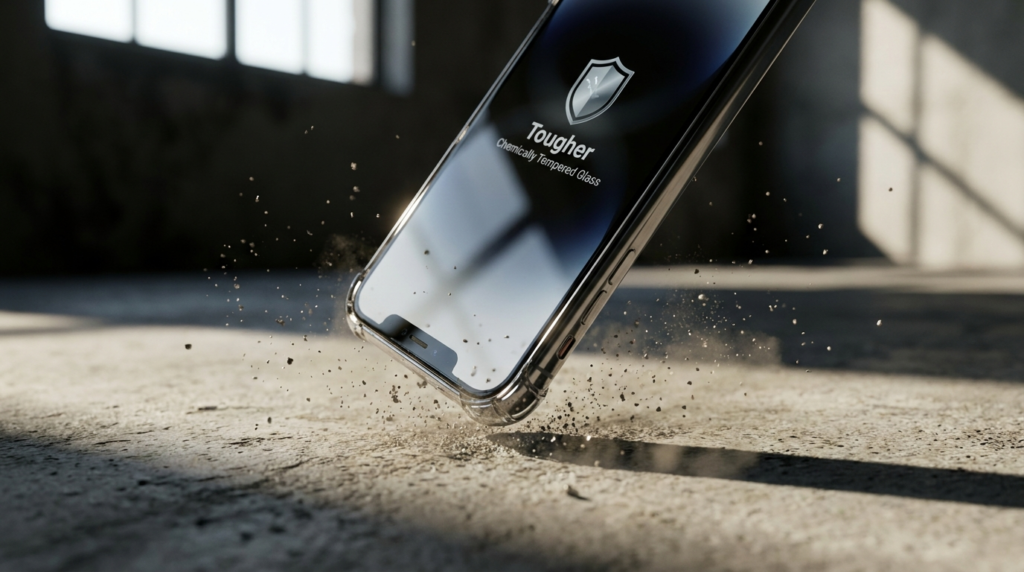
Dropping a luxury device should not automatically mean scheduling an immediate, costly screen repair. Utilizing advanced ion-exchange manufacturing methods may significantly increase baseline structural resilience against unexpected drops.
