
We all face that daily avalanche of junk mail cluttering our inboxes, tempting us to just hit delete and move on. However, cybersecurity insights from the Cybersecurity and Infrastructure Security Agency suggest that hasty deletion might actually hide broader digital threats. Instead of making the problem vanish, ignoring how these messages operate could leave our personal data vulnerable. Let us explore why a quick trash-bin click might not be the fix we think it is.
Understand the Invisible Tracking Pixels

Many modern spam messages contain microscopic, transparent images that load automatically when opened. Security reports indicate these pixels might instantly alert spammers that your email account is active, valid, and closely monitored.
Realize Deletion Does Not Stop Distribution

Banishing a message to the trash folder does absolutely nothing to remove your address from data broker lists. Industry analyses suggest your information likely remains on circulating databases sold across the web.
Know the Risk of Spoofed Sender Addresses

Some spam looks like an urgent security alert from your actual banking institution or utility company. Deleting it without checking might mean missing a genuine warning about real identity theft.
Understand How Filters Learn from Reporting

Simply deleting junk fails to teach your email provider how to catch future garbage. Studies on machine learning filters suggest that marking items as spam helps train the system to protect everyone.
Beware of Hiding Ongoing Account Breaches

A massive flood of sudden spam might actually be a smoke screen called a spam bomb. Security experts note hackers sometimes use this chaos to hide real purchase confirmations or password changes.
Consider the Hidden Cost of Data Breaches

Consumer emails can be accessed by public lists when a big company experiences a data leak. Deleting these warnings might cause you to miss crucial instructions on updating your compromised credentials.
Identify Phishing Clues by Keeping Evidence

Reviewing a suspicious email safely without clicking links helps you spot clever phishing patterns. Security researchers suggest analyzing headers might reveal the true origin of a highly sophisticated corporate scam.
Note the Illusion of the Unsubscribe Button

Clicking an unsubscribe link inside an unverified spam message is often a trap. Technology journals indicate this action might merely confirm your active status, potentially leading to even more daily junk.
Protect Your Personal Network Connections
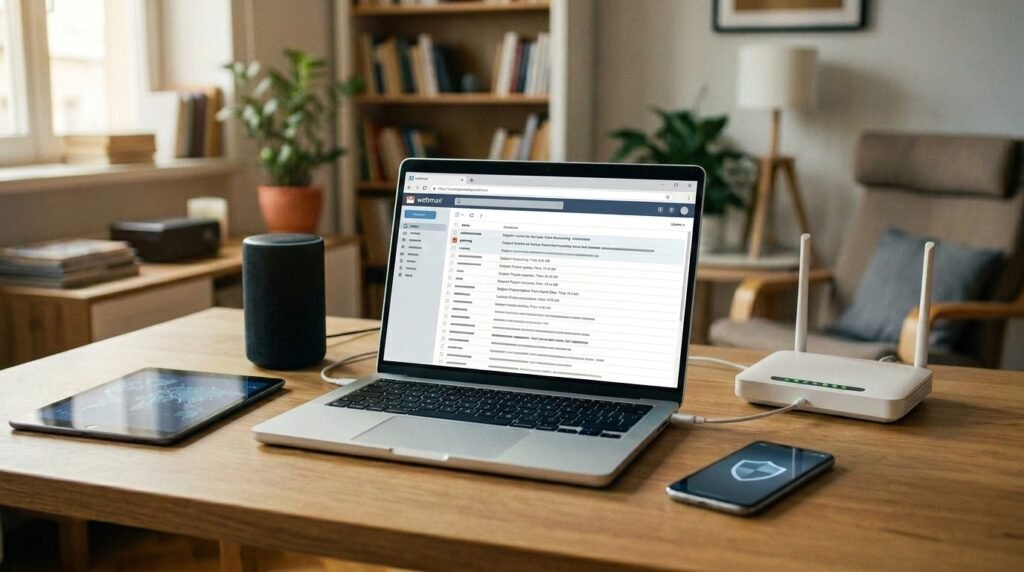
Interacting with shady emails while connected to a shared home network could expose other household devices. Network security reports imply that a single compromised device might put family data at risk.
Support Law Enforcement Tracking Efforts

Federal agencies rely on reported email data to track down international cybercriminal networks. Reporting junk to official reporting channels may help law enforcement develop cases against large-scale scam operations.
Recognize Evolving Artificial Intelligence Threats
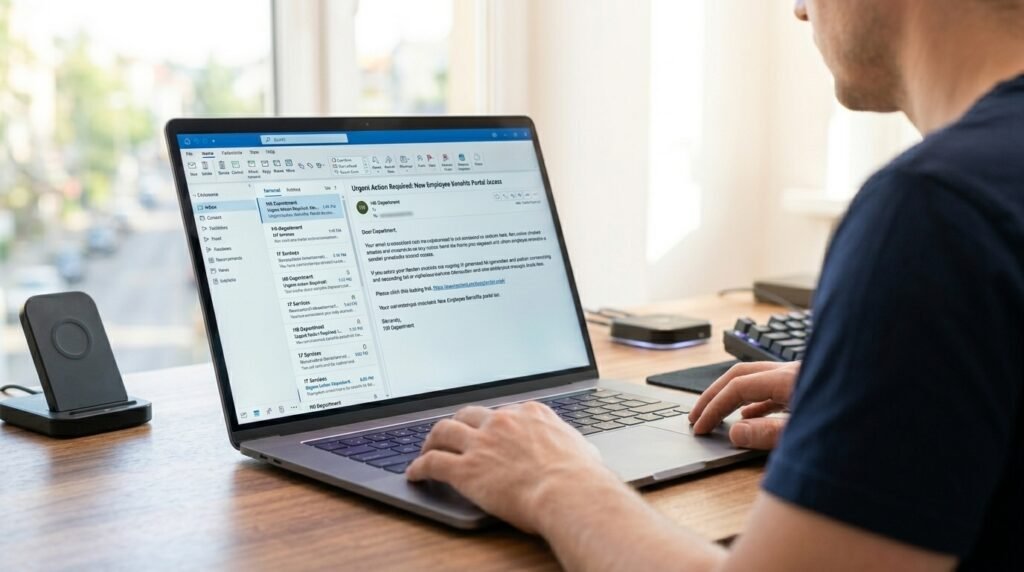
The modern junk e-mails are using modern language models that can copy a real human conversation almost perfectly. Technical reviews suggest these polished messages are becoming much harder to distinguish from authentic, everyday business correspondence.
Adopt Better Long-Term Inbox Habits

Using only deletion as a quick fix for a much bigger digital privacy problem often is a band-aid to a large problem. One of the recommendations from experts is to use email aliases rather than clearing out your emails.
