
A growing number of people are stepping away from constant digital noise and choosing a more intentional relationship with technology. The minimalist tech lifestyle is not about rejecting devices completely, but about using them in a smarter, calmer way. By reducing digital clutter, limiting unnecessary apps, and focusing on meaningful usage, individuals are finding more balance in their daily routines. This shift is helping improve focus, reduce stress, and create space for real-world experiences. Instead of being controlled by notifications and endless scrolling, people are reclaiming their time and attention through mindful technology habits that truly support their lives.
Decluttering Devices
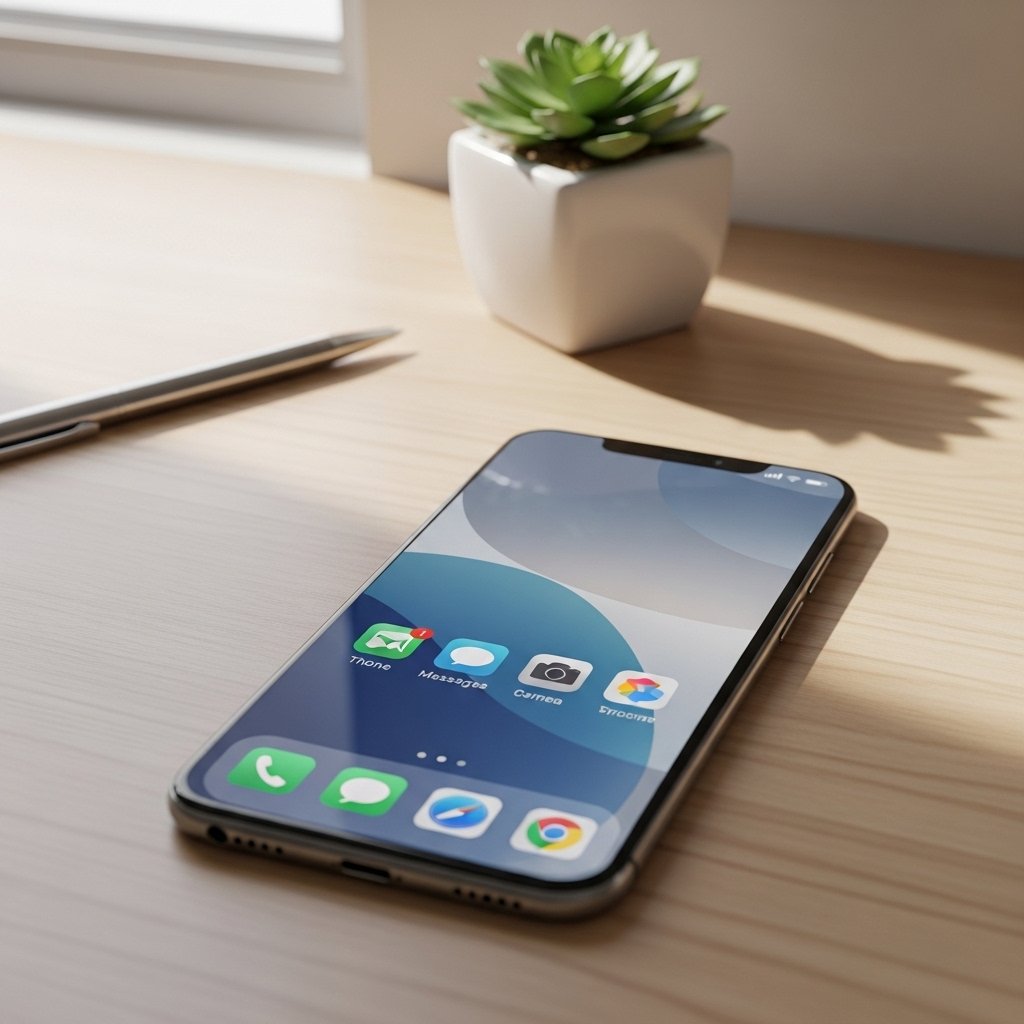
Many people start by removing unused apps, files, and subscriptions. A cleaner device reduces distractions, improves speed, and makes daily use simpler, helping users focus only on what truly matters.
Limiting Screen Time

Setting boundaries on daily screen usage helps reduce fatigue and improves productivity. People are becoming more aware of how excessive screen exposure affects sleep, mood, and overall well-being.
Choosing Fewer Gadgets

Instead of owning multiple devices, individuals are relying on fewer, multi-purpose tools. This reduces complexity, saves money, and makes managing technology much easier in everyday life.
Turning Off Non-Essential Notifications

Constant alerts can interrupt focus and increase stress. By disabling unnecessary notifications, users create a calmer digital environment and regain control over when and how they engage with technology.
Prioritizing Offline Activities

More people are making time for offline hobbies like reading, walking, or spending time with family. This balance reduces dependence on screens and supports a healthier lifestyle.
Using Technology with Purpose

Minimalist tech users focus on intentional usage. Instead of mindless browsing, they use devices for specific tasks such as communication, learning, or work, avoiding unnecessary digital distractions.
Simplifying Digital Workspaces
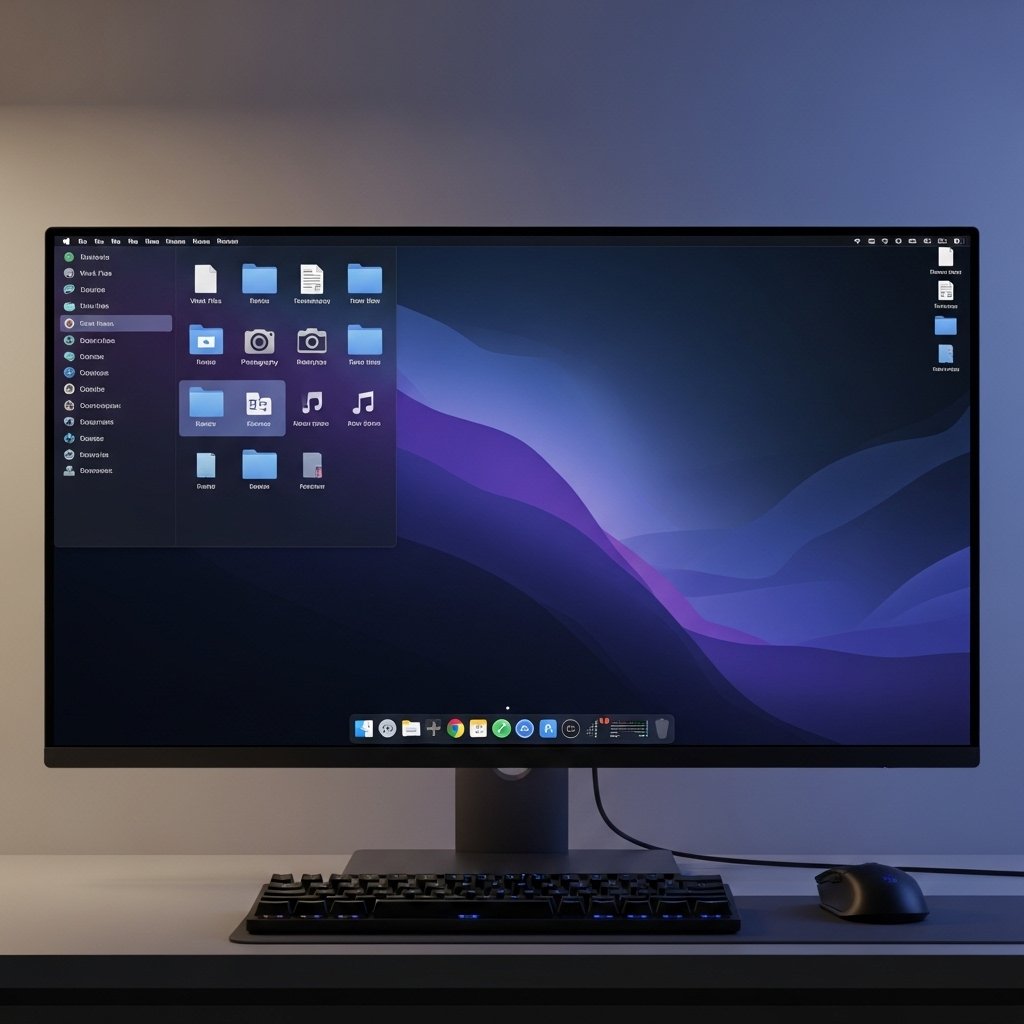
Organized desktops, clean email inboxes, and structured folders help improve efficiency. A simple digital workspace reduces stress and makes it easier to find and manage important information.
Reducing Social Media Dependence

Many are cutting down on social media usage or limiting it to specific times. This helps reduce comparison, anxiety, and time wastage while encouraging more meaningful interactions.
Investing in Quality Over Quantity
Rather than frequently upgrading devices, people are choosing durable, high-quality technology that lasts longer. This approach supports sustainability and reduces unnecessary spending.
Embracing Digital Detox Days

Taking regular breaks from technology allows the mind to reset. Even a few hours without screens can improve clarity, reduce stress, and increase overall mental well-being.
Creating Tech-Free Zones

Designating areas like bedrooms or dining spaces as tech-free helps improve relationships and sleep quality. It encourages more presence and meaningful conversations in daily life.
Managing Data and Privacy Wisely
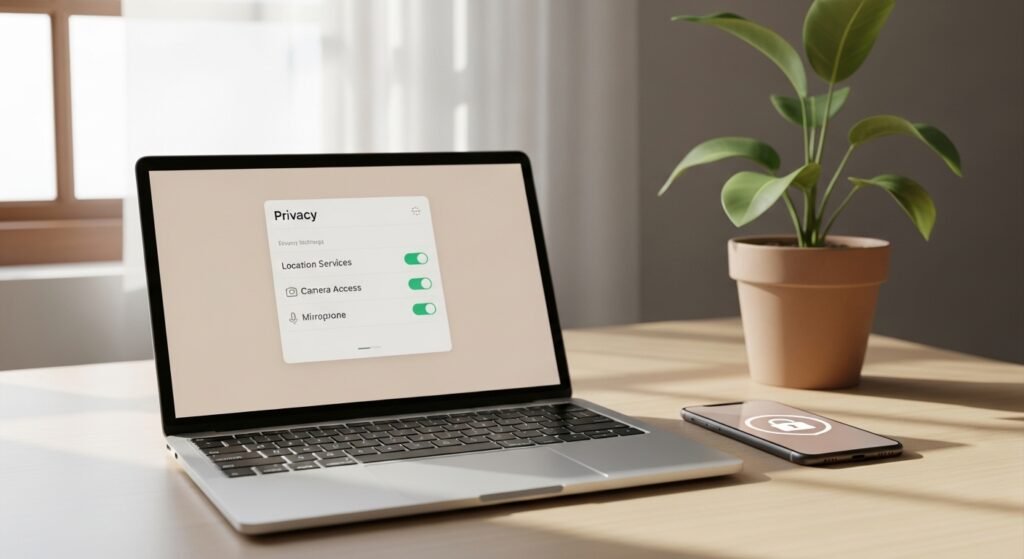
Minimalist users are more conscious of their digital footprint. They regularly review permissions, delete unnecessary data, and use secure practices to protect personal information.
Focusing on Long-Term Value

Instead of chasing trends, people are choosing technology that adds lasting value to their lives. This mindset promotes thoughtful decisions and reduces the urge for constant upgrades or changes.
