
With smartwatches, earbuds, tablets, and laptops everywhere in the home, chargers are constantly plugged into outlets these days. They are hardly noticed by many people these days, until someone talks about electricity bills or fire safety. The U.S. Department of Energy has found that modern chargers tend to be extremely light drawers, and safety tips from Electrical Safety Foundation International indicate that although this is typically not a concern, it may be in some cases involving heat, damaged cables, and inferior accessories.
Tiny Power Still Flows
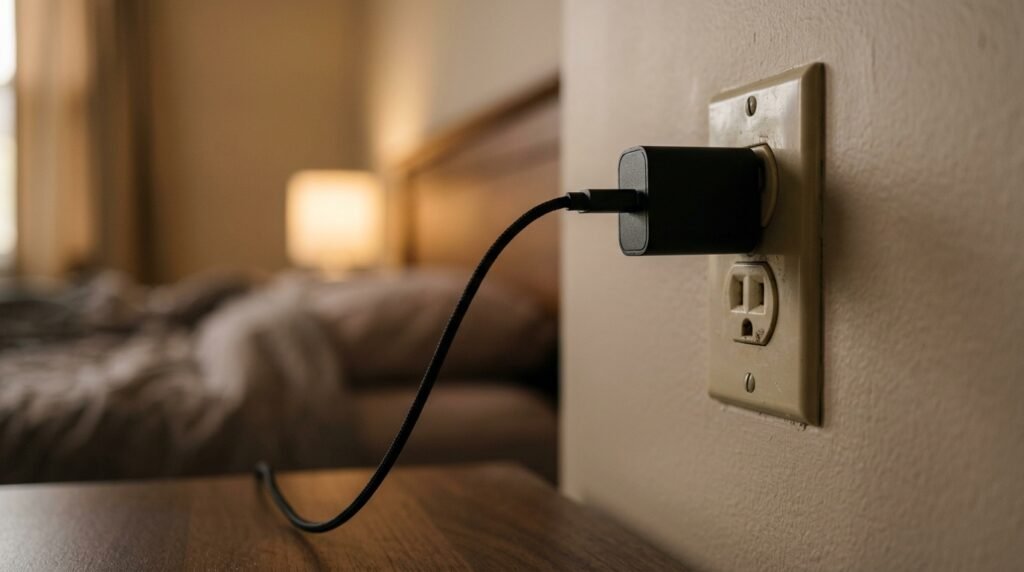
If not connected to a device, a charger can still draw a very low level of electricity. This is also known as standby or vampire power.
Modern Chargers Are Smarter
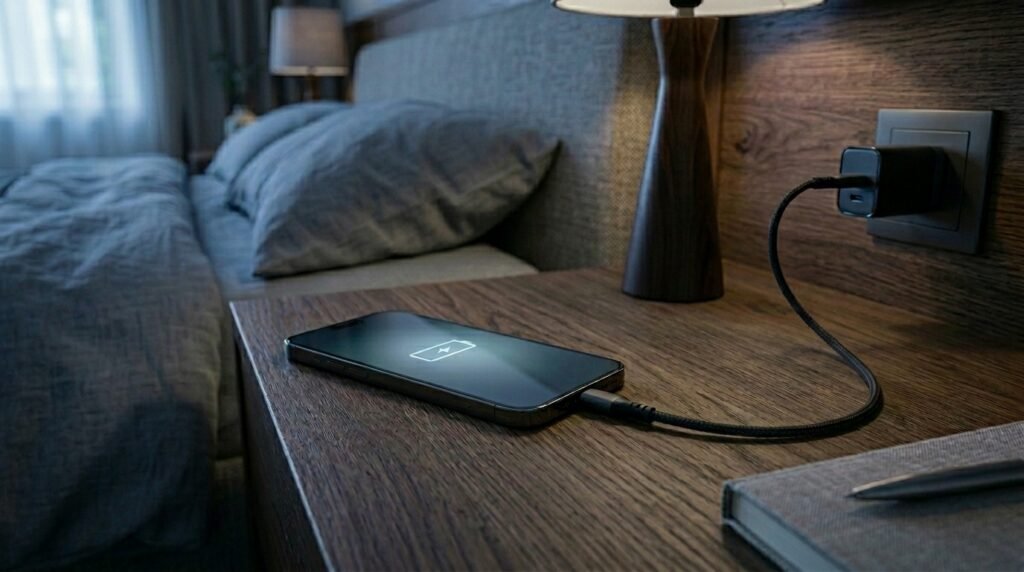
There are many newer chargers that can turn off or limit power transfer when devices are full. This can help to prevent excessive overheating, as opposed to much older charging systems.
Cheap Chargers Raise Concerns
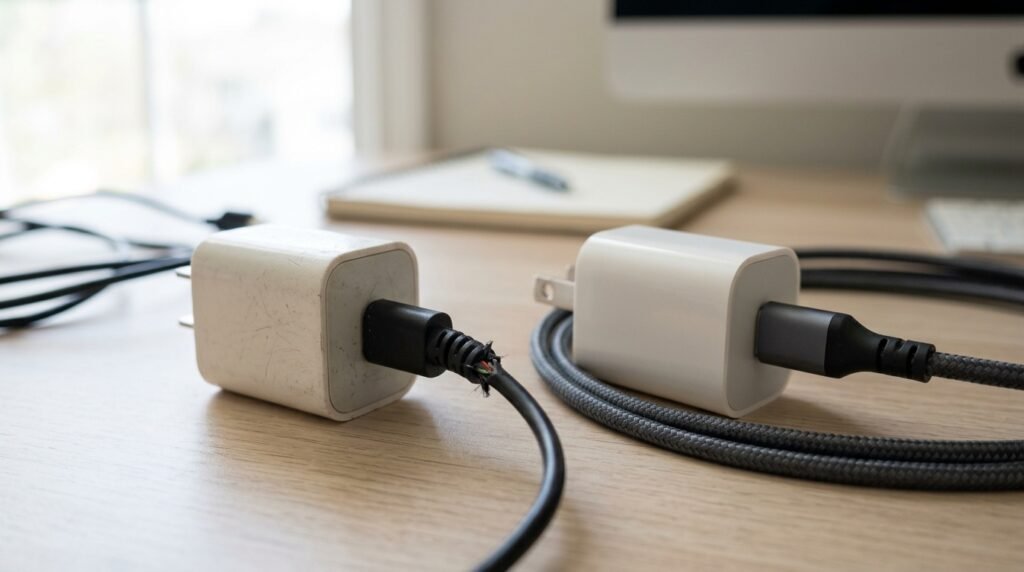
Electrical Safety Foundation International and other safety experts frequently caution about the dangers of uncertified chargers, which may have increased risks for sparks, overheating, or electrical failure.
Fast Charging Changes Things
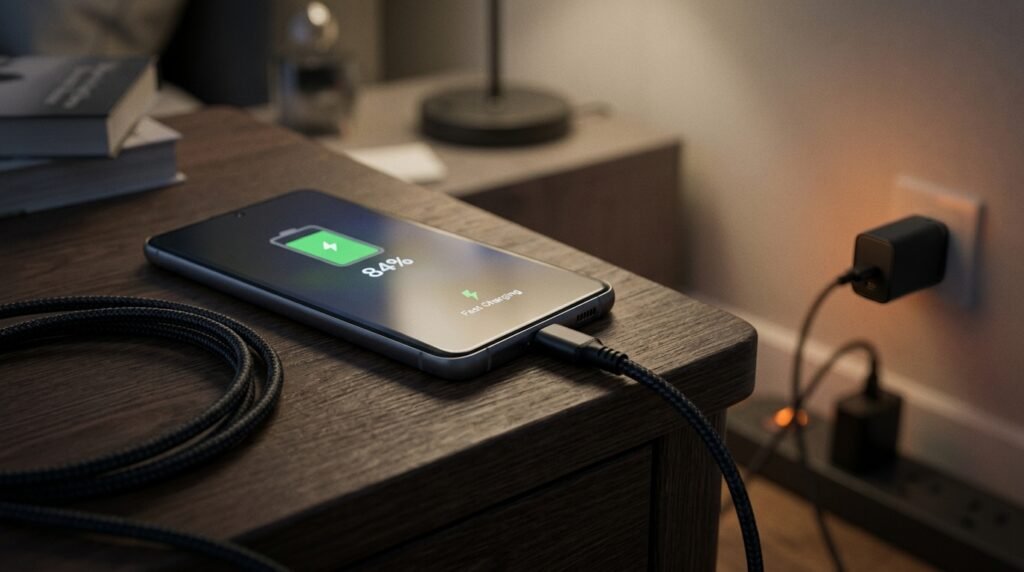
Higher power levels are processed by fast chargers as compared to standard adapters. Therefore, they are likely to get hot while in use, but manufacturers generally include temperature protection.
Overnight Charging Is Common
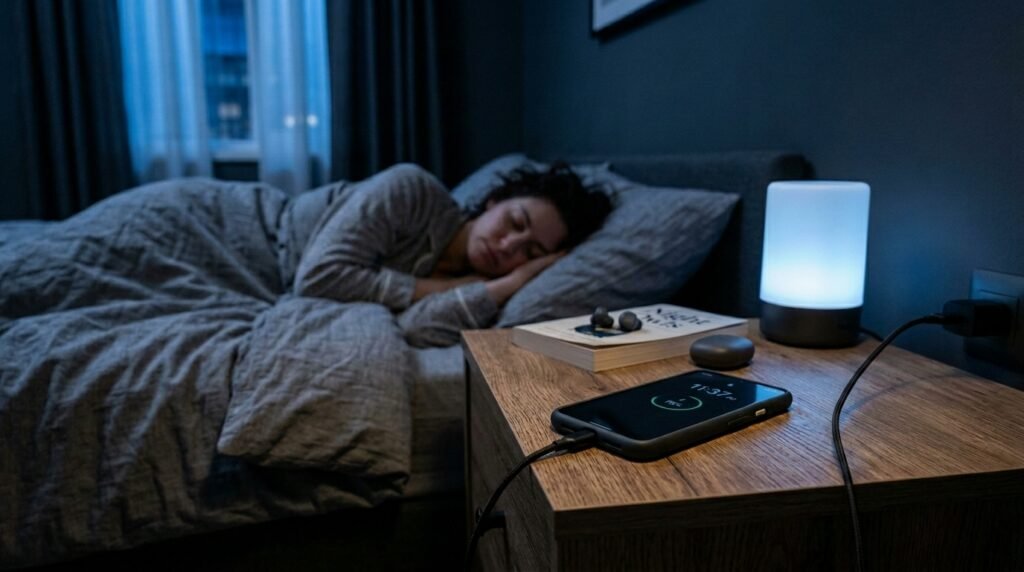
Billions of people charge their devices overnight, and there is no issue. Yet, there are some battery scientists who recommend that phones not be placed under blankets or pillows, as this can cause a buildup of heat.
Smart Homes Use Constant Power
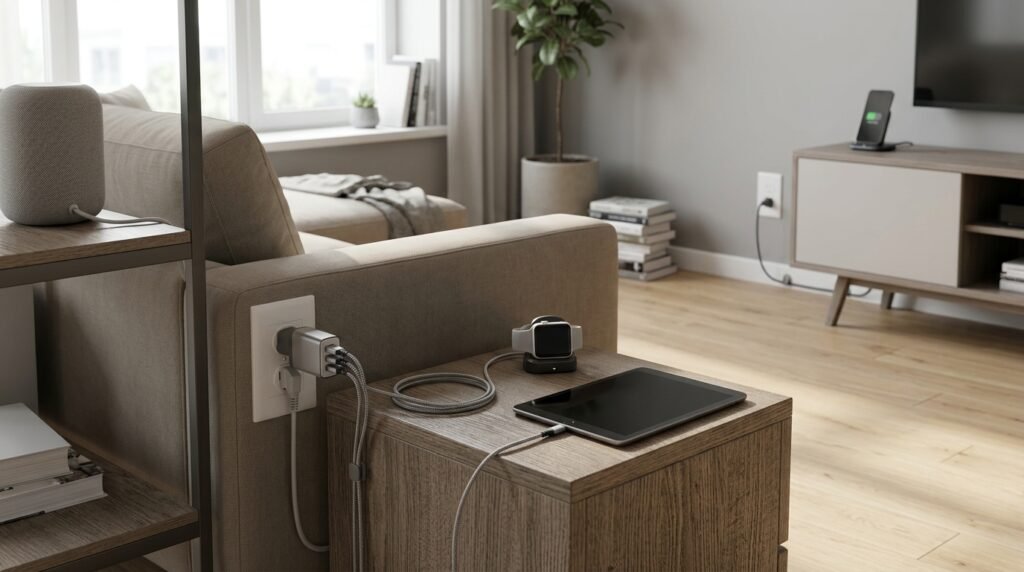
Residences that are filled with connected devices frequently have chargers plugged in all the time. The energy consumption of the adapters may be small per unit, but when combined, several adapters may impact the electricity consumption over a long period of time.
Surge Protectors Can Help
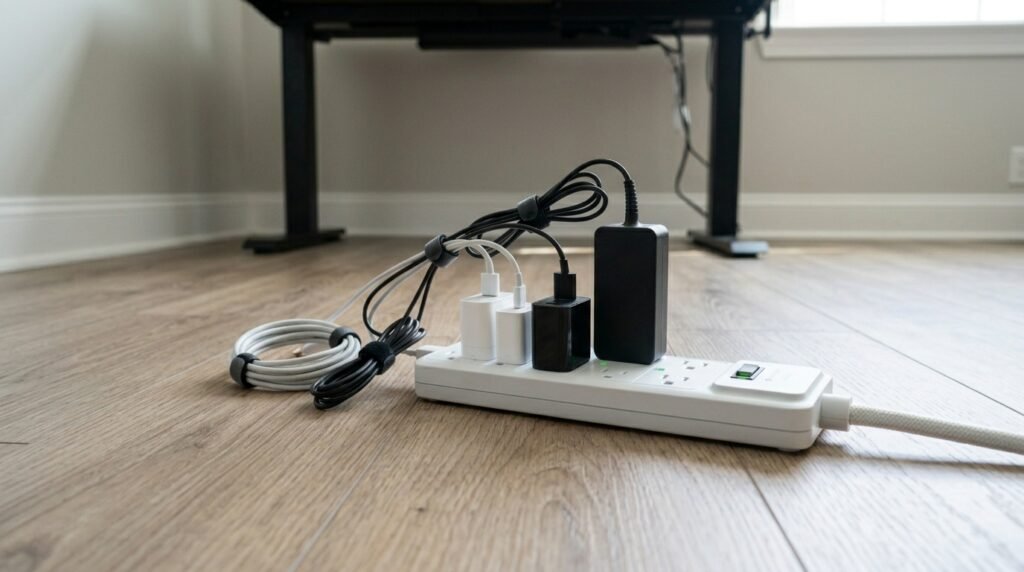
Some like to use a surge protector and plug the chargers into that rather than the wall outlet. This method may help prevent additional harm in the event of an electrical outage or an unexpected storm.
Older Homes Need Extra Care
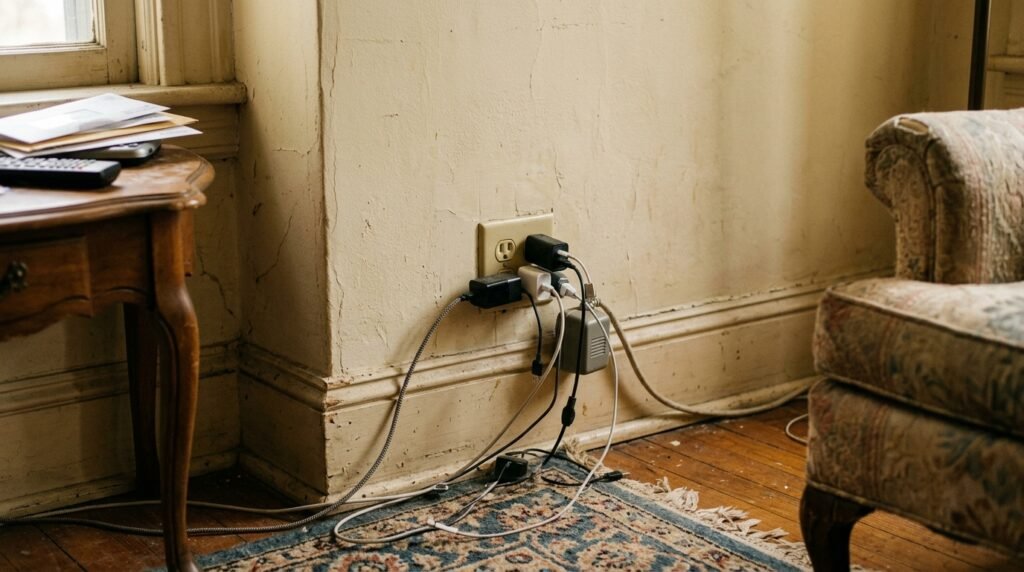
Older homes that have out-of-date wiring systems may have a larger problem with overloaded outlets. Electricians will advise against having a lot of powerful plugs on one extension.
Laptop Chargers Pull More Energy
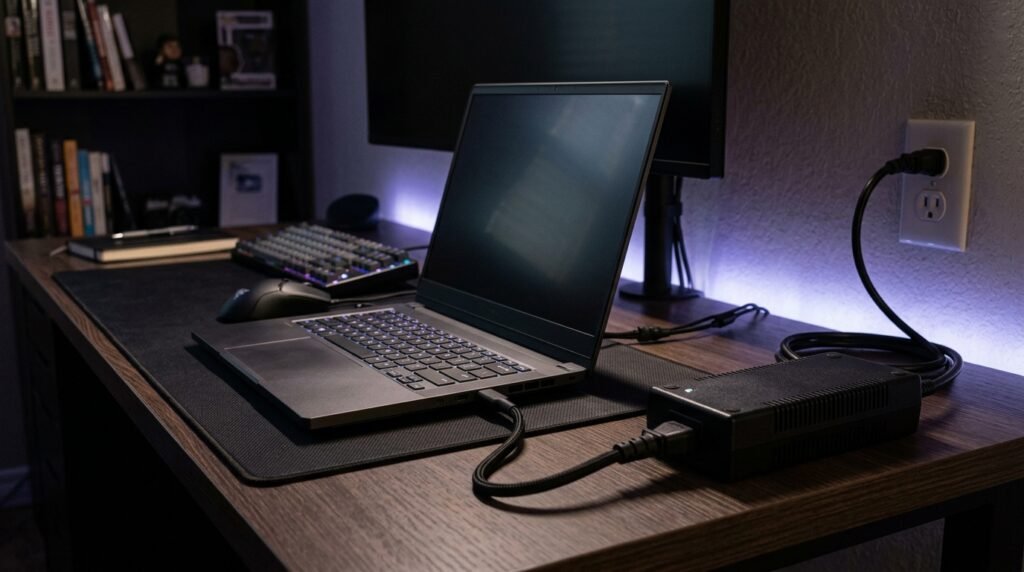
An adapter that charges the laptop tends to use more power than a standard phone charger since it is ideal for larger batteries and more powerful hardware (particularly when playing games or multitasking heavily).
Unplugging May Extend Lifespan
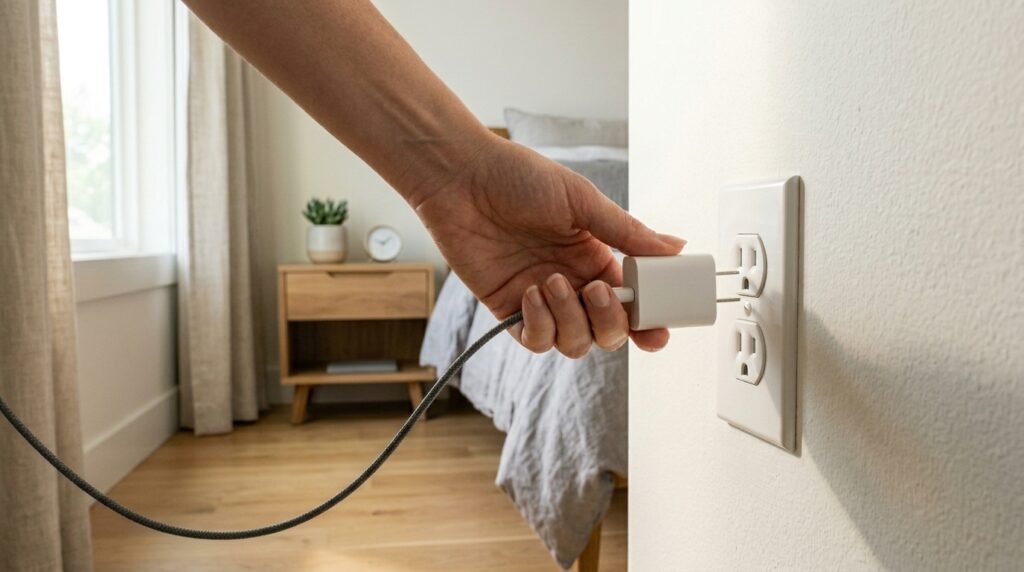
While most electronics adapters are designed to be used daily, some electronics professionals think that occasionally removing the charger might minimize long-term exposure to heat.
Moisture Creates Bigger Risks
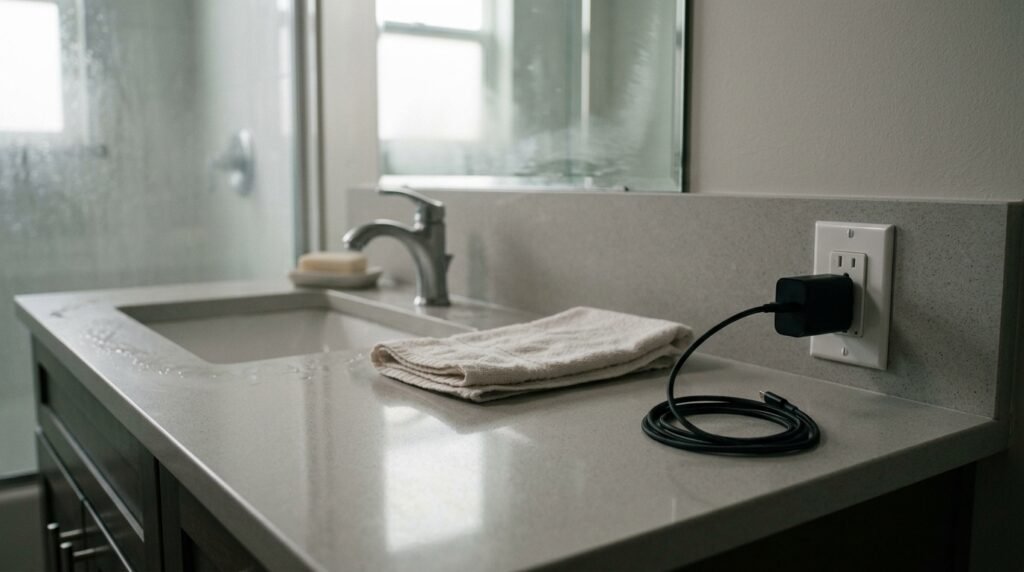
Steam or spills can be a problem for chargers on bathroom or kitchen counters. Many safety groups recommend that charging accessories remain dry to minimize the risk of potential future electrical issues.
