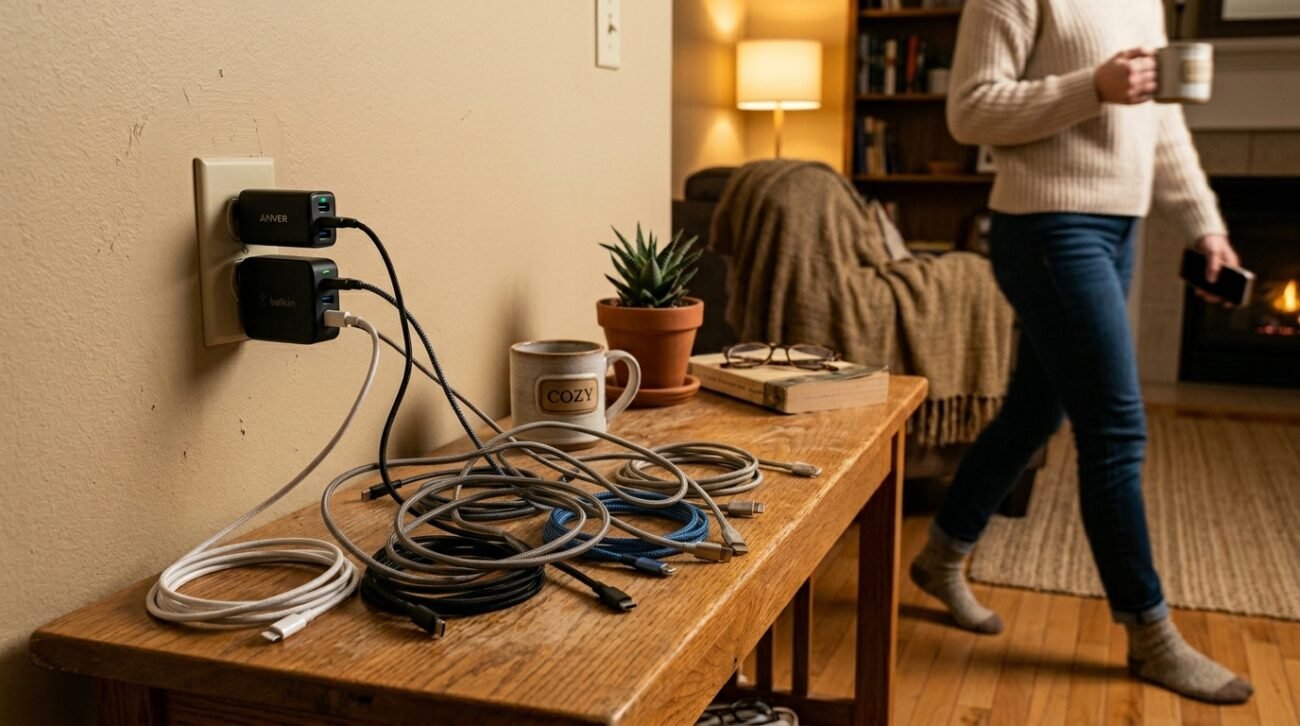
There is a charger corner in our home where cables are left at all times in case of a battery crisis. Although it may appear innocent, according to research conducted by the Department of Energy, these so-called vampire devices continuously suck a little energy. Knowing how this habit is costing you, as well as the life of your device, and even your own home security, may help you decide whether it is finally time to start flipping that power switch.
Understanding Phantom Power Draw
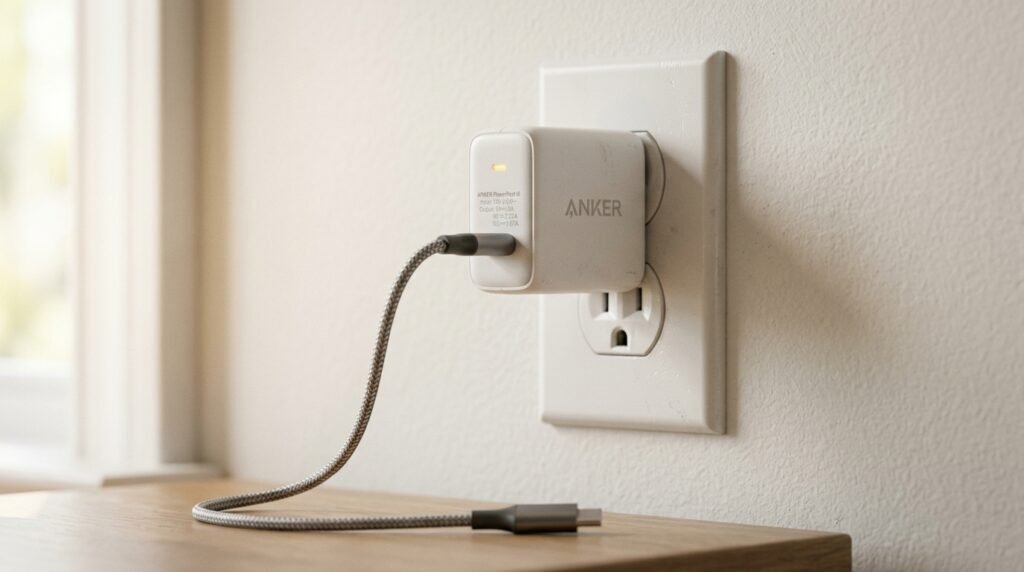
An unattached phone at a plugged-in charger still uses a small amount of electricity. This may be referred to as standby power, and this may lead to a slight increase in utility bills in the long run.
Assessing Fire Safety Risks
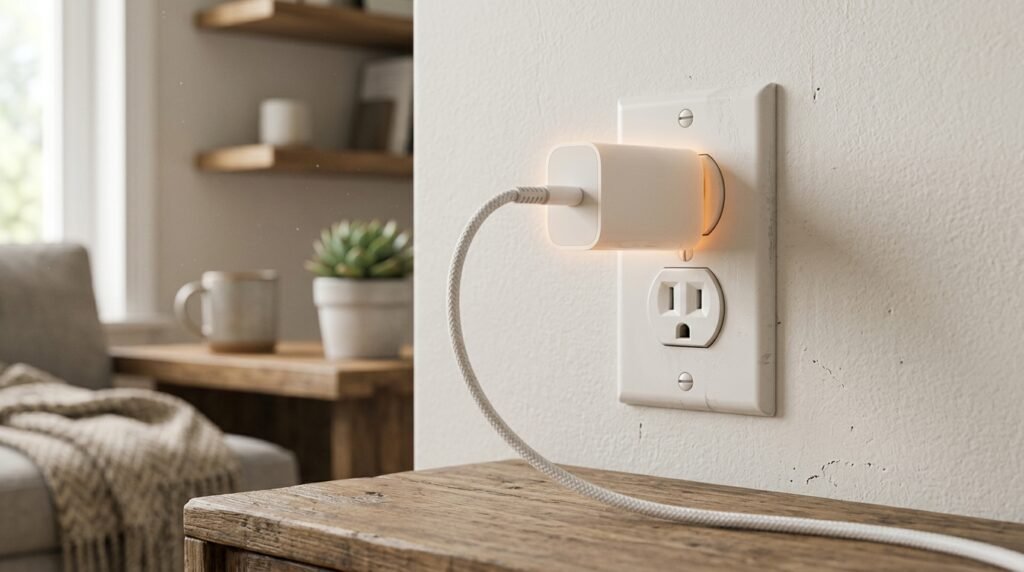
Internal parts in low-priced or damaged chargers may overheat, although this is rare. Companies such as the National Fire Protection Association recommend that people should not leave electronics that are not in use plugged in because this may offer minimal to no protection against the extremely low risk of electrical fires.
Impact on Monthly Bills
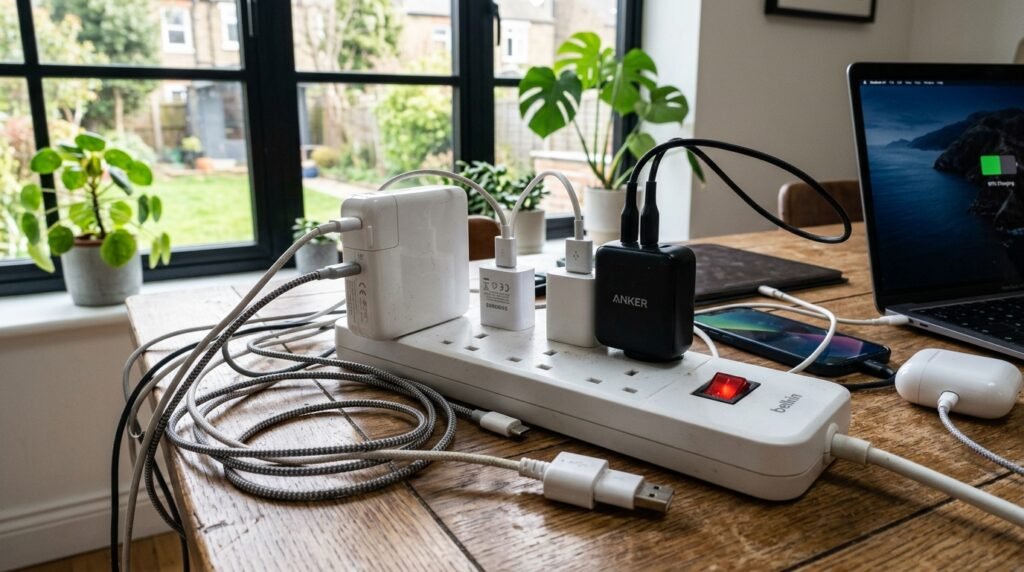
It is not that significant to pay for a single charger, yet a house full of them makes a difference. The Lawrence Berkeley National Laboratory estimates that standby power might be a noticeable portion of residential energy.
Risks of Using Knockoff Brands
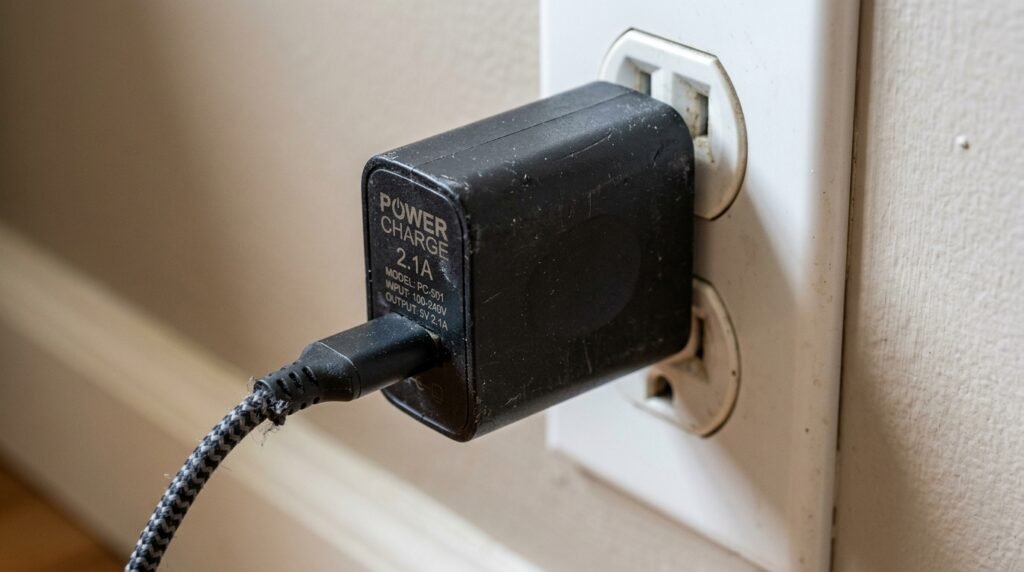
Third-party chargers are not always as sophisticated in the safety shut-off feature as those of the official products. Such cost-effective options may be more likely to fail if they are left energized in an outlet indefinitely.
Environmental Footprint Considerations

The amount of energy wasted by individuals is insignificant, but millions of chargers that are plugged worldwide generate a huge collective demand. Reducing this “vampire” load potentially may help reduce the overall carbon footprint of households.
Effects of Power Surges
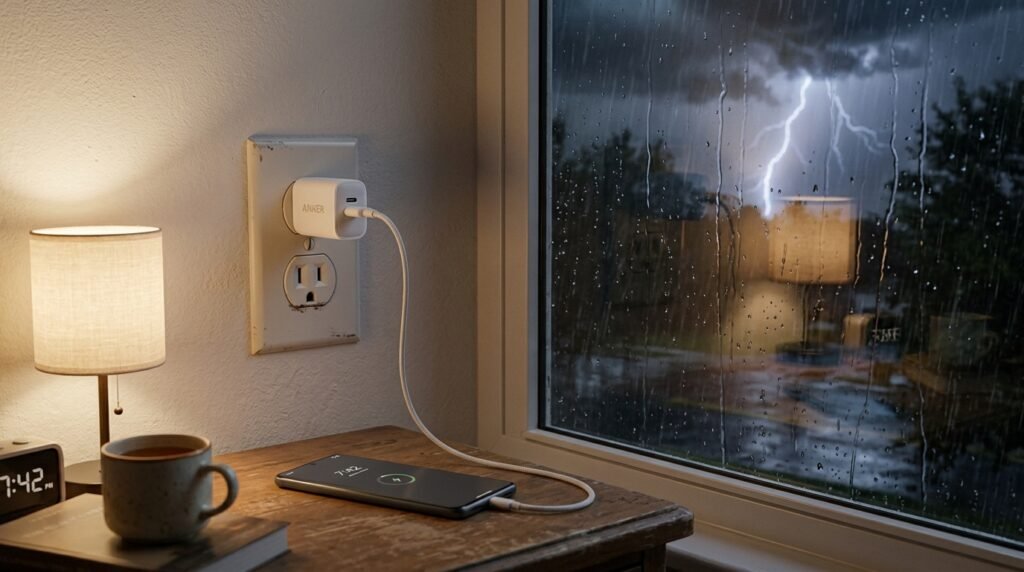
In case of a lightning strike or grid failure, any equipment that is connected to an outlet is at risk. Plugging your charger in may leave it vulnerable to some sort of damage in case of a sudden spike in voltage.
Smart Plug Solutions
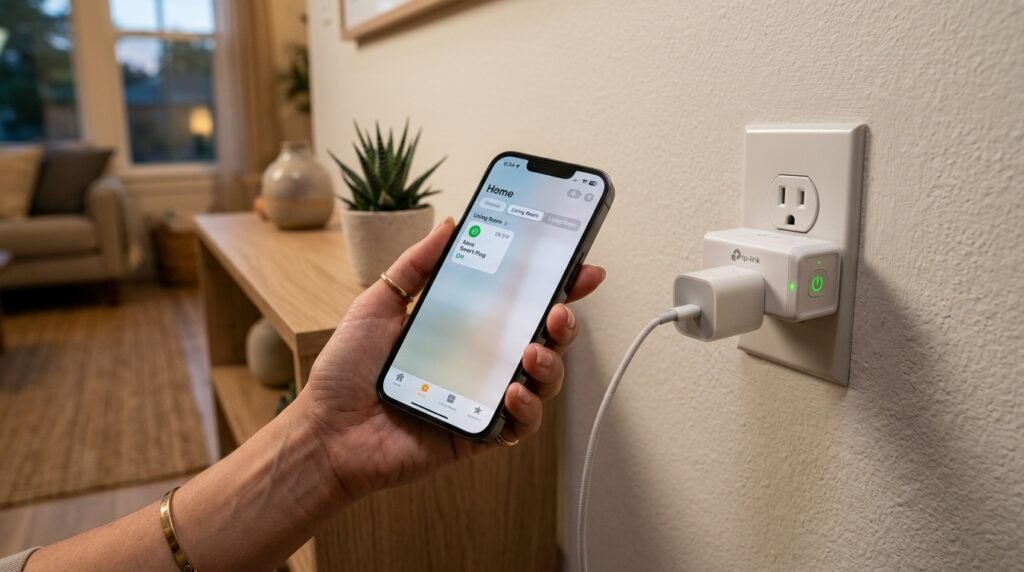
A smart plug will enable you to either turn off power remotely or on a timer. This contemporary solution could possibly provide the comfort of a ready cable with the constant attraction of electricity.
Heat Generation Concerns
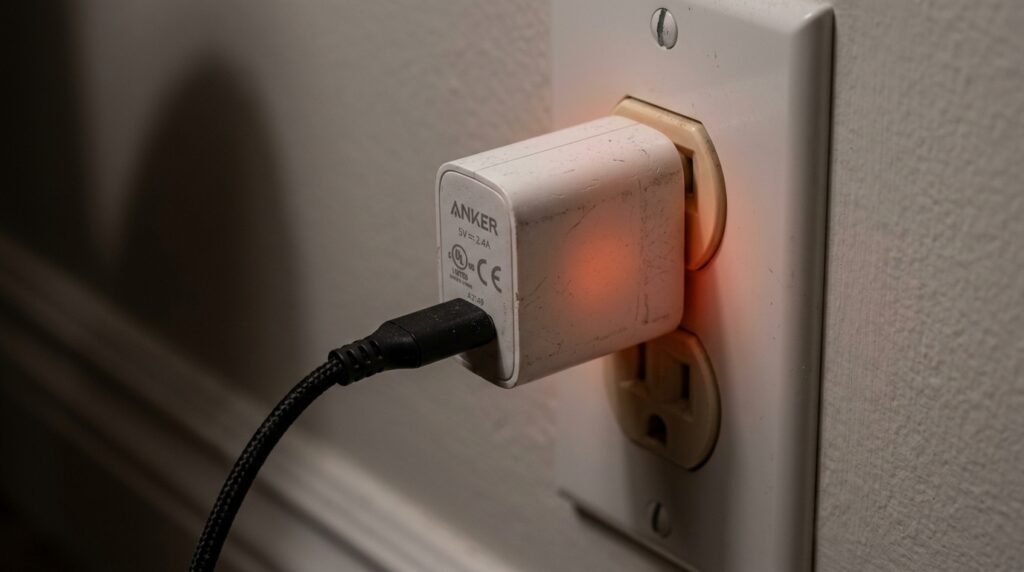
A charger that is warm even without charging is an indicator of inefficiency. This is nothing more than taking this wasted energy and converting it into heat, which can possibly help to indicate a faulty internal circuit.
Advancements in Efficiency Standards
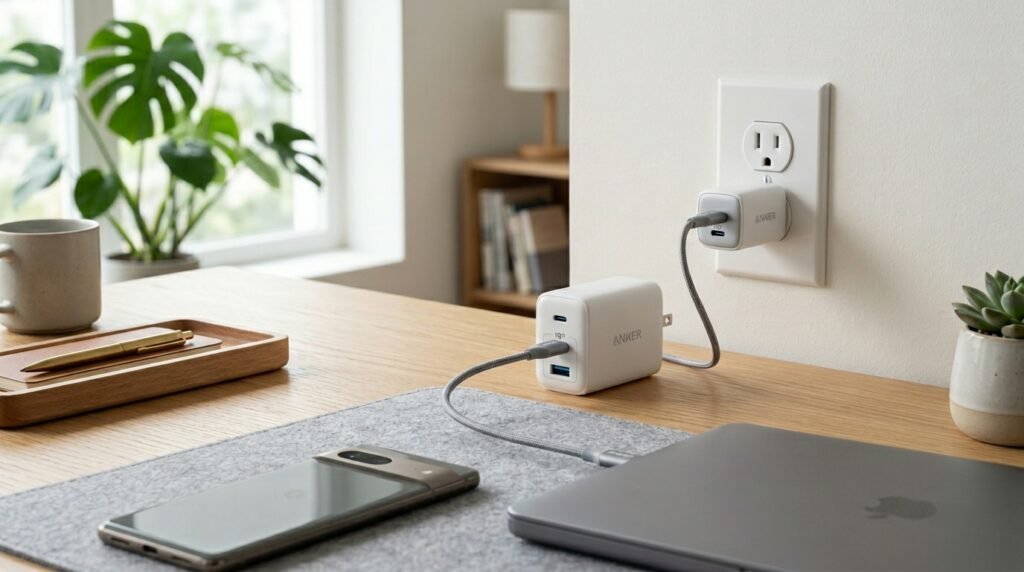
Modern chargers are being designed to achieve the high efficiency requirements of Level VI. Such units today may require much less of that idle power that we consumed a decade or more ago in our bulky power bricks.
Travel Charger Precautions
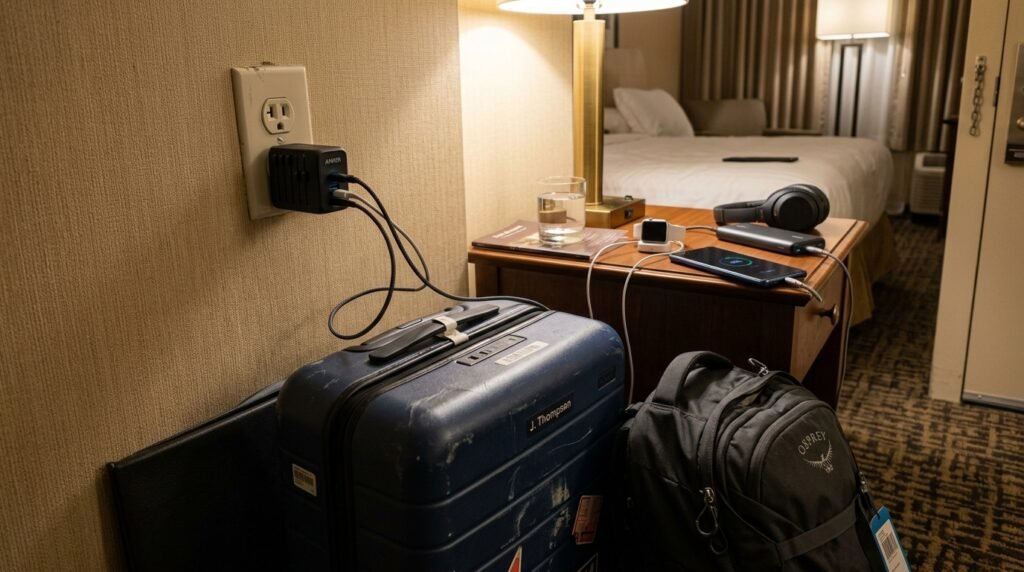
At other times, the wiring in the hotel outlets can be weaker than the wiring in the homes. It may even be possible to protect your costly technology by simply unplugging your travel kit when you go out for the day.
Impact on Battery Health
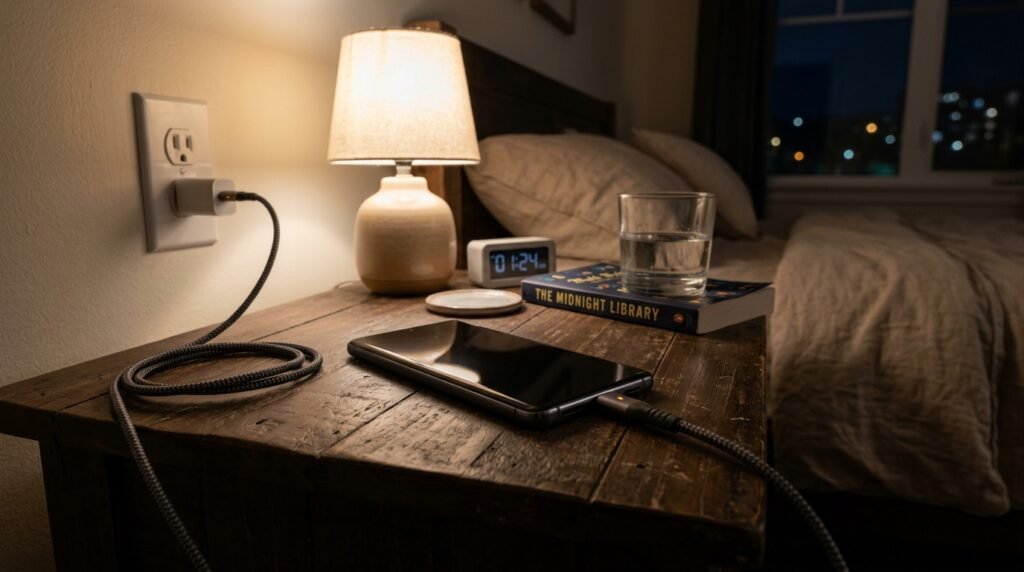
Although the charger itself is the primary issue in this case, certain studies indicate that indefinitely charging a phone on a charger may potentially stress the lithium-ion battery due to the constant trickle charging of the phone on the charger.
Children and Pet Safety

A live cable hanging down a wall may be an enticement to a curious puppy or toddler. It is possible that by leaving chargers unplugged whenever not in use, accidental cases of electrical shocks or damaged cords may be avoided.
