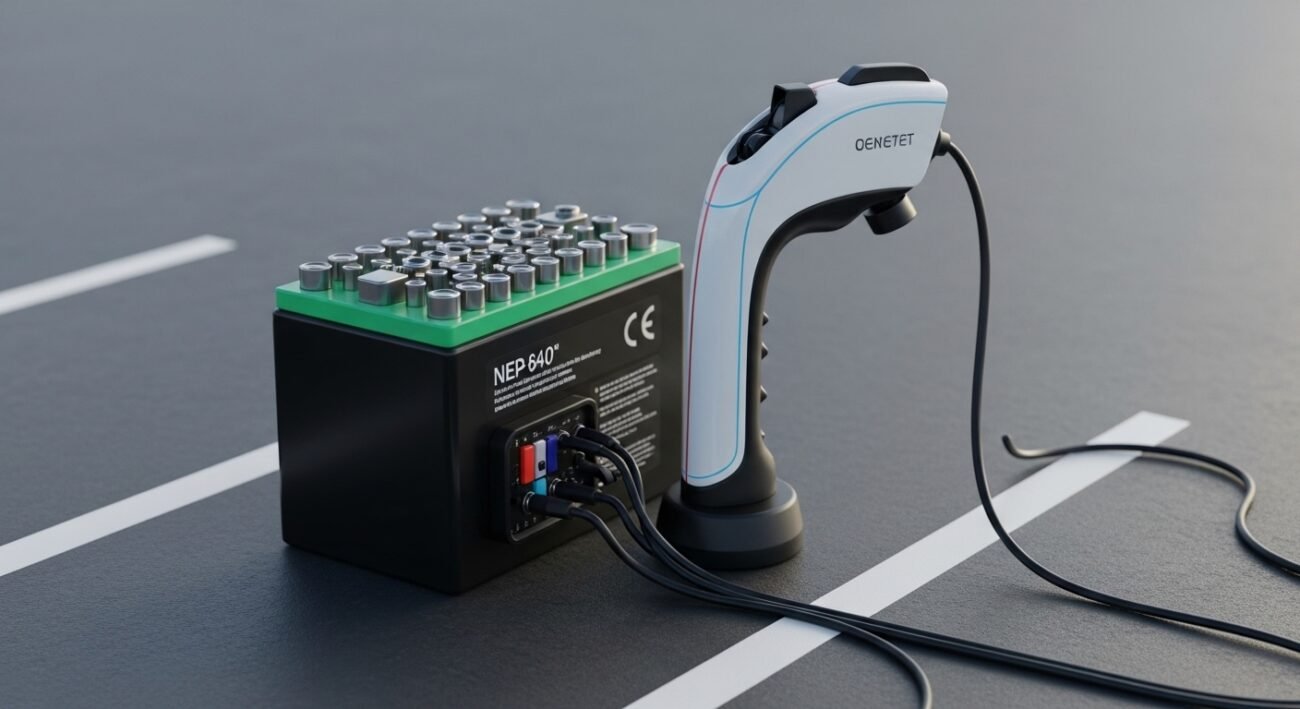
Battery technology has quietly powered modern life for decades, but recent breakthroughs are beginning to change how we think about energy storage. From longer-lasting smartphones to faster-charging electric vehicles, these innovations are not just about convenience, they’re about reliability, efficiency, and sustainability. Researchers and engineers are working on new materials, smarter designs, and safer systems that could reduce charging time while increasing lifespan. For many households and industries, this progress could mean fewer disruptions and lower long-term costs. Understanding what’s changing and why it matters helps make sense of how these developments may soon influence daily routines, transportation choices, and even energy use at home.
Solid-State Safety Advantage

Solid-state batteries replace liquid electrolytes with solid materials, reducing risks of leaks and overheating. This design improves safety and stability, making devices and vehicles more dependable under varying temperatures and long-term usage conditions.
Faster Charging Capability

New battery chemistries are enabling significantly shorter charging times. Instead of waiting hours, users may soon recharge devices or vehicles in minutes, improving convenience and making electric options more practical for everyday routines.
Longer Lifespan Performance
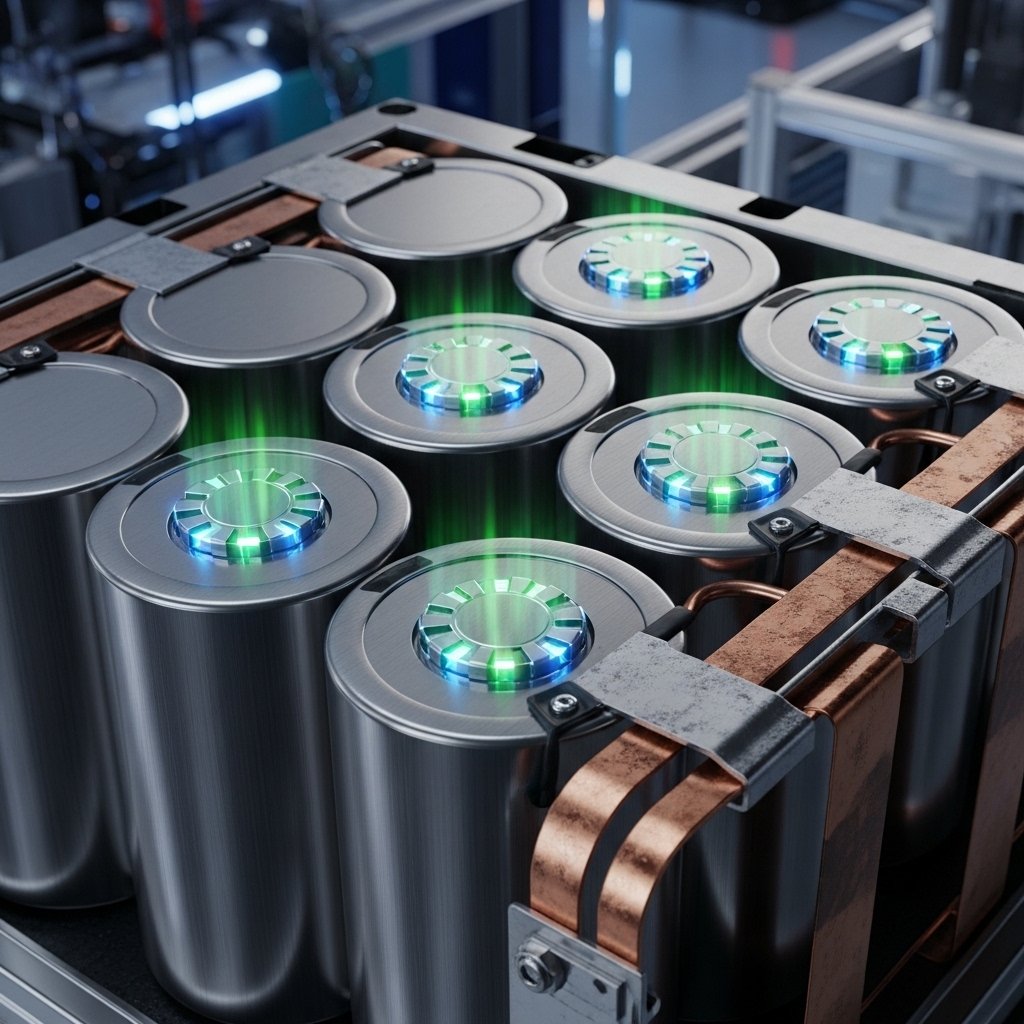
Advanced materials help batteries endure more charge cycles without degrading quickly. This means fewer replacements over time, offering better value and reducing waste, especially for frequently used electronics and electric mobility solutions.
Improved Energy Density

Breakthrough designs allow batteries to store more energy in smaller spaces. This leads to lighter devices and longer usage between charges, benefiting everything from mobile phones to electric cars and portable equipment.
Enhanced Temperature Tolerance

Modern batteries are being engineered to perform reliably in both hot and cold environments. This consistency is crucial for users in diverse climates, ensuring stable performance without sudden drops in efficiency.
Reduced Environmental Impact

Researchers are exploring sustainable materials that lower environmental strain during production and disposal. These improvements aim to make batteries more eco-friendly while supporting broader goals of reducing carbon footprints.
Better Integration with Renewable Energy

New battery systems are designed to store energy from solar and wind sources more efficiently. This helps households and businesses manage power supply better, especially during periods when renewable generation fluctuates.
Smarter Battery Management Systems
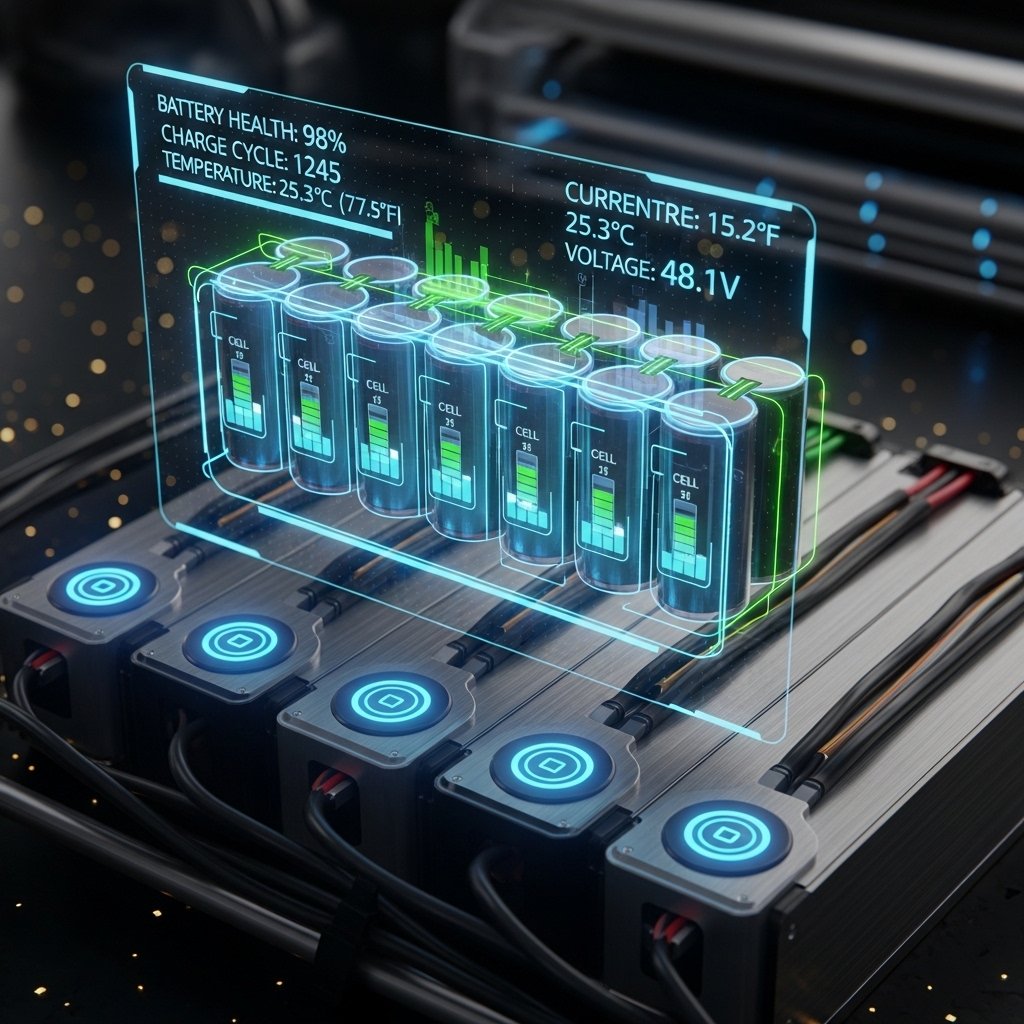
Improved software and monitoring tools allow batteries to optimize performance in real time. These systems can prevent overcharging, manage heat, and extend lifespan through intelligent energy distribution.
Cost Efficiency Over Time

Although initial costs may still be high, longer life cycles and better efficiency can reduce overall expenses. Users benefit from fewer replacements and lower maintenance, making advanced batteries a practical long-term investment.
