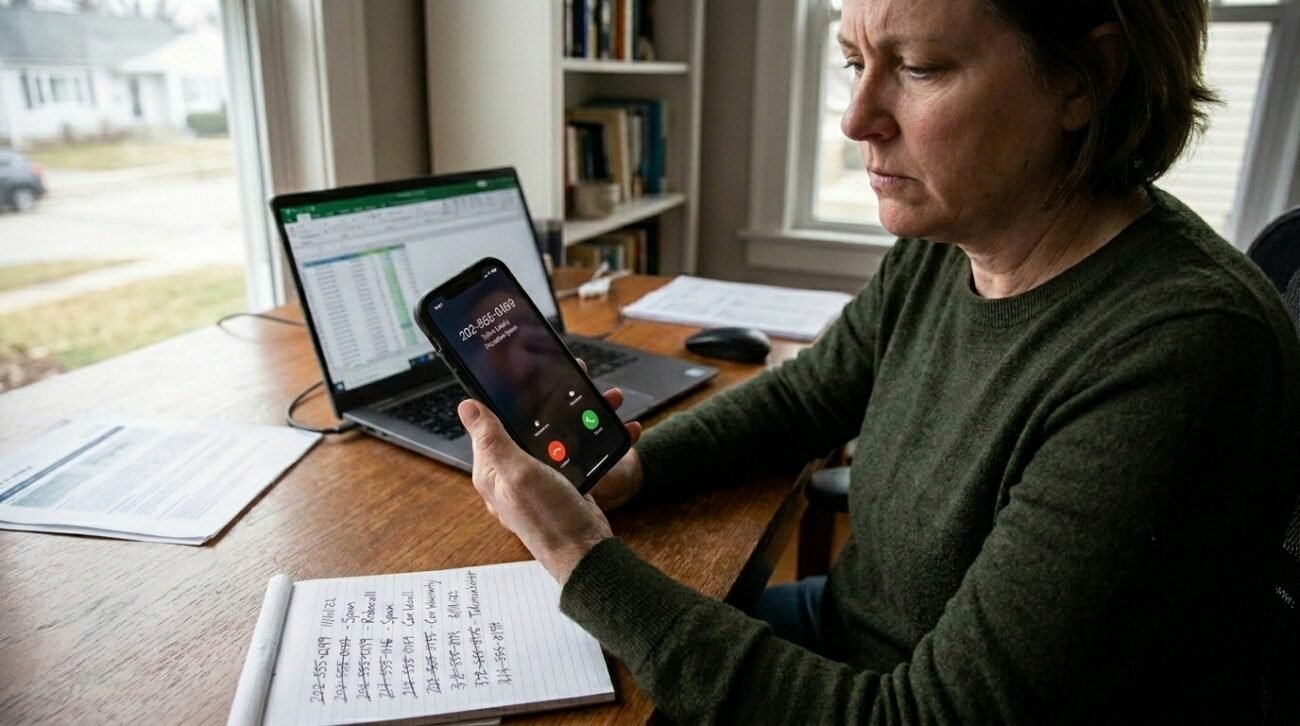
There have been a lot of times when you receive a call from a strange number on your phone, only to discover that it is a robocall. Spam calls continue to be an increasing problem in the United States, and regulatory bodies such as the Federal Communications Commission and Federal Trade Commission are still advising consumers about new scam methods. As the scammers continuously come up with new tricks, many people are now switching up their little phone habits that could help lessen unwanted calls and make their lives a little less interrupted.
Turn On Built-In Spam Filters
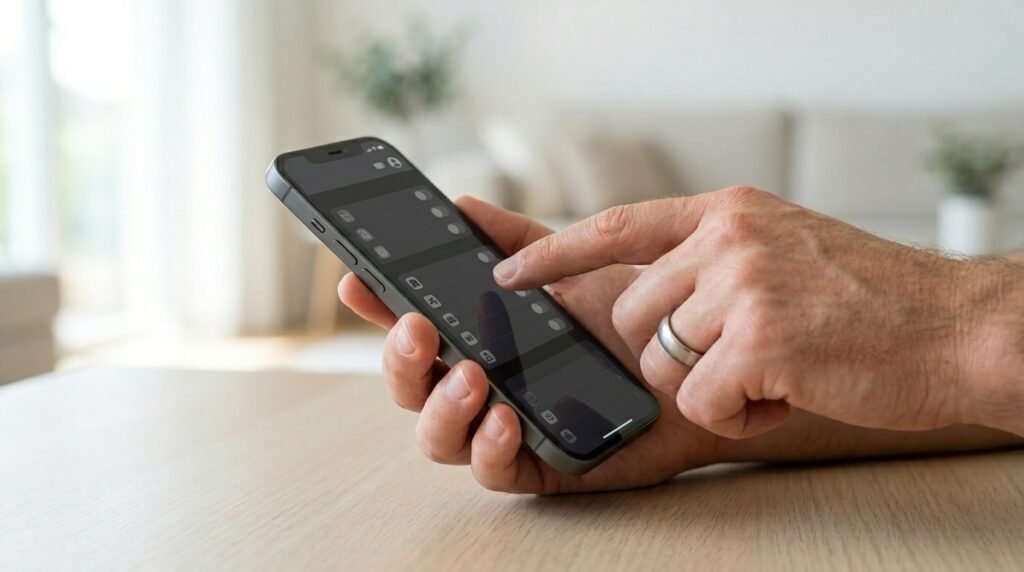
The majority of these smartphones come with a built-in anti-spam option. Businesses, such as Apple and Google, keep on adding more and more features to call filtering in their newer versions.
Avoid Saying “Yes” Immediately

Consumer protection advisors have suggested exercising caution when answering unknown calls. Some scams may transcribe brief responses and then put them in an incorrect manner, but situations can change.
Block Repeat Numbers Quickly
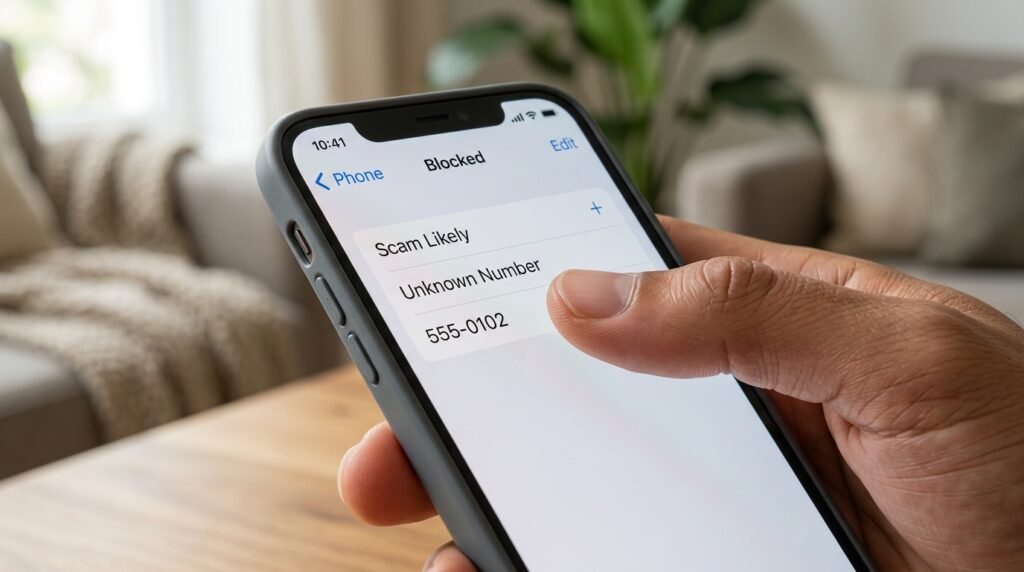
Repeated spam numbers can be blocked, which will help to decrease interruptions over time. Many smartphones now have the capability of automatically blocking previous callers and muting incoming calls from them in the future.
Watch for Local Area Codes

Often scammers spoof the caller ID to display numbers in the vicinity of the victim’s address. The Federal Communications Commission (FCC) issued a prior warning to consumers of this practice.
Keep Your Number Off Public Profiles

It can be risky to publish phone numbers publicly on social networks or online. Displaying phone numbers publicly on social media or websites can lead to an increased number of unwanted calls. The public contact information is collected by data collection firms and added to marketing databases.
Use Carrier Protection Tools
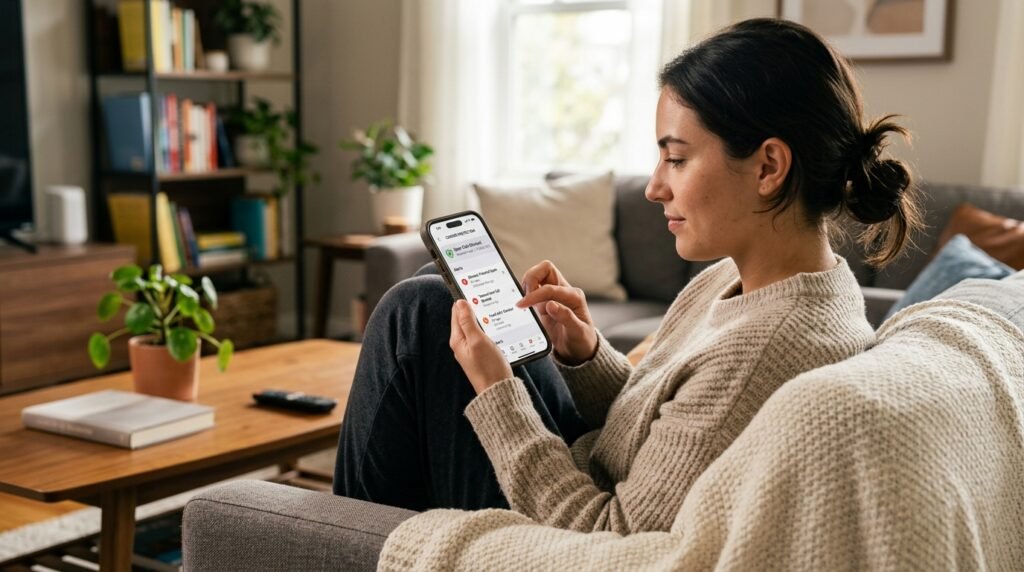
Many mobile phone carriers, such as Verizon, AT&T, and T-Mobile, have started to provide spam screening tools that could help identify spam calls.
Be Careful With Online Forms
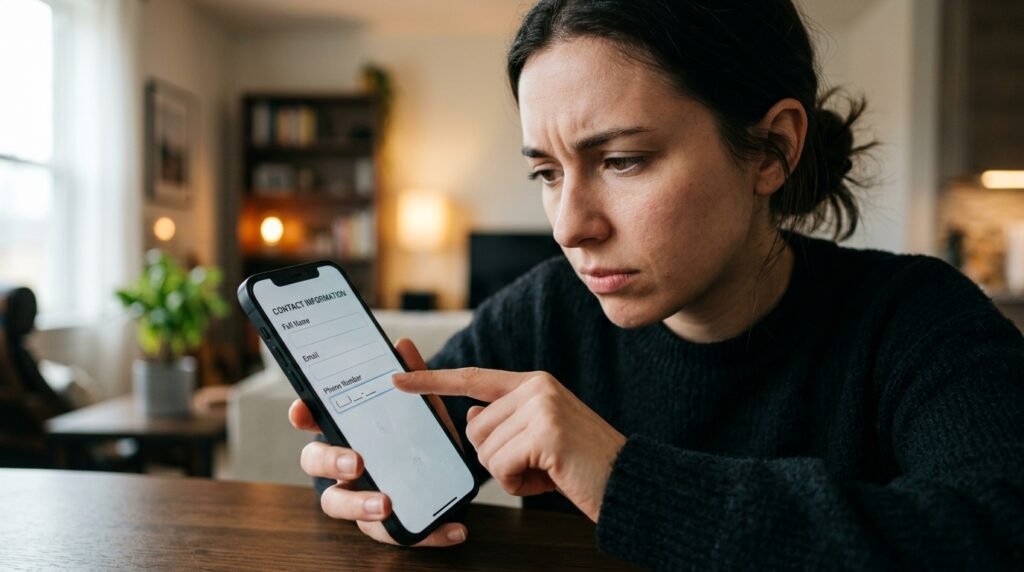
There may be some giveaway items, shopping websites, or even surveys that are capable of sharing contact information with third parties. Carefully reading privacy settings may help reduce future spamming.
Update Your Phone Software
The manufacturers of phones continually update their spam detection programs. Newer filtering tools may be more effective if kept up-to-date.
Try Third-Party Spam Apps
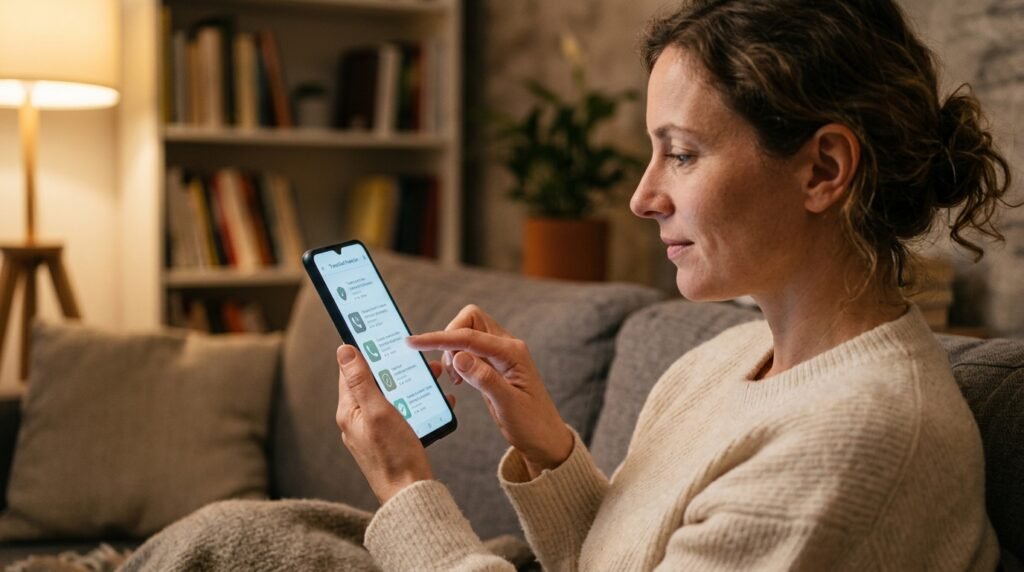
There are applications such as ‘Hiya’ and ‘Truecaller’ that can identify dubious callers by using community-reported databases.
Report Scam Calls When Possible
If you receive a suspicious call, report it to the Federal Trade Commission or your wireless carrier, both of which can help agencies monitor larger robocall operations and fraud.
Don’t Share Verification Codes

Sometimes the caller pretends to be from a bank or delivery company; they ask for security codes. Government authorities do not recommend giving out one-time verification codes over the telephone.
