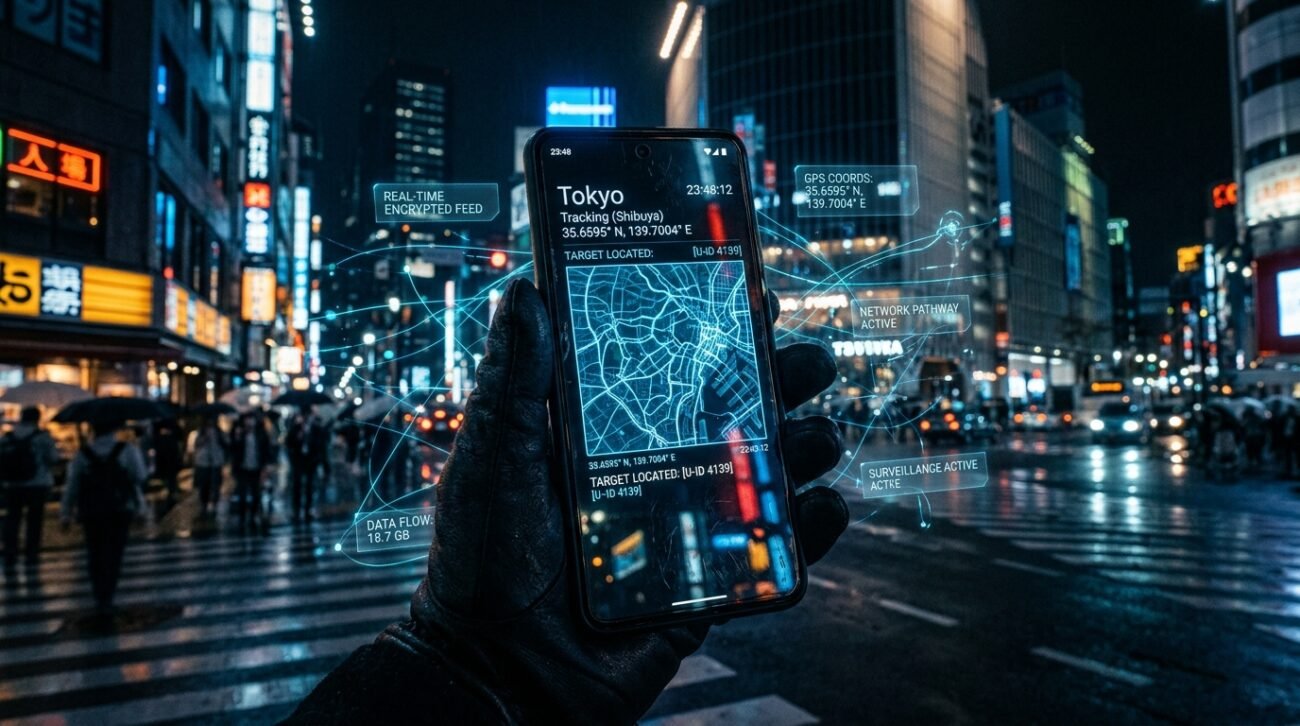
One might assume that when you disable your location settings, you’re not sharing anything about your daily activities. But new studies by Princeton University and other institutions have revealed that there are other hidden onboard phone features that can be leveraged with a sophisticated software network to pinpoint your location. Your mobile device might be collecting information about the environment in your vicinity, making it harder to achieve digital isolation than it sounds.
Ambient Air Pressure Variations

Researchers at Princeton University have published a study on their “PinMe” application, revealing that a phone’s built-in barometers record fluctuations in air pressure. These small changes may be able to give you a hint of your current position and how you are getting around.
Hidden Wireless Beacon Scanning

Some software development kits (SDKs), which are included in common applications, constantly probe for public Bluetooth beacons, according to research from IMDEA Networks. This activity may be able to keep secret records of your precise location in retail stores.
Clever Digital Identity Bridging
The same IMDEA Networks privacy study revealed its usage of identity bridging in advertising trackers. It is a method that connects multiple wireless signals, thereby potentially being able to circumvent the security measures implemented by normal smartphones.
Subtle Satellite Doppler Shifts

A study by IIT Delhi in 2025 showed that applications running with the standard GPS permissions are capable of Doppler analysis. This data can reportedly tell you if you’re walking, sitting, or standing at the moment.
Environmental Signal Reflection Clues

The IIT-Delhi research group also found that the study of multipath (satellite reflections) disturbances could be very informative. It can enable software to draw the indoor floor plans based on the layout.
Localised Weather Condition Mapping
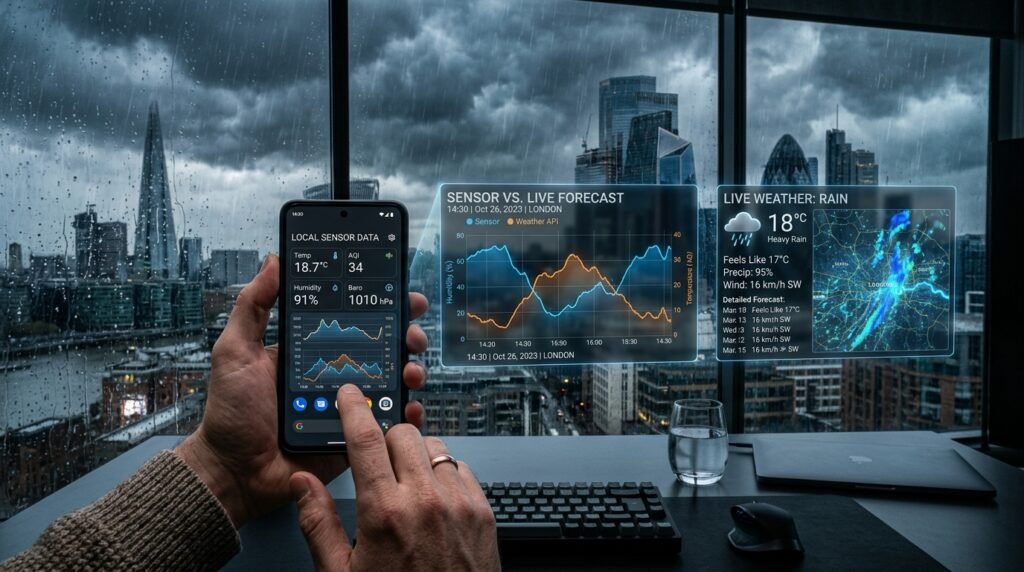
Tracking algorithms compare your phone’s sensor logs with public weather data from nearby areas to determine your geographic location. It is a correlation process that does not involve any access to your central GPS data.
The Co-Location Data Network
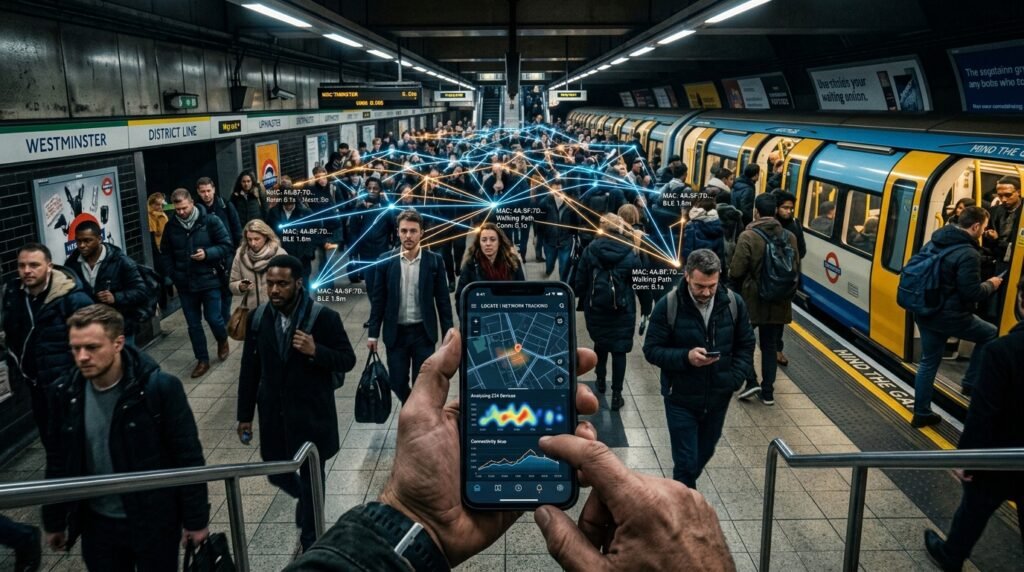
Interesting research at the University of Rochester suggests that monitoring others’ gait is enough to predict their movements. Information from people you know or strangers in your immediate area could locate you.
Gyroscope and Compass Trajectories
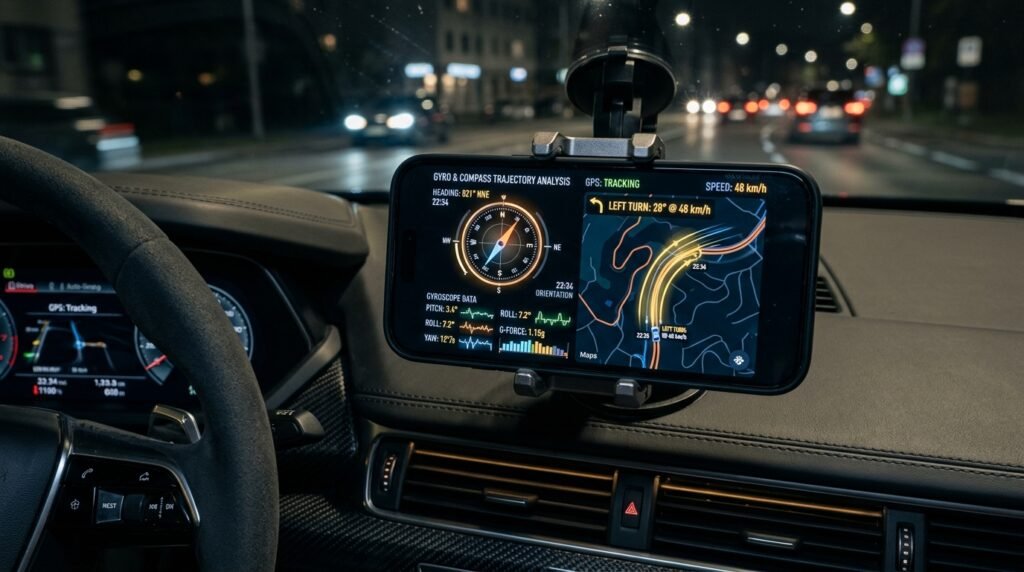
Internal gyroscopes are used to sense the orientation of the screen, but they can also capture turns of direction. With public maps, this data could create a map of your current driving path.
App Use Timestamp Analysis

You may have a specific pattern of opening and closing your favorite apps at certain times. These exact times could be used by algorithms to determine your approximate time zone and regular patterns.
Accelerated Internal Speed Triggers
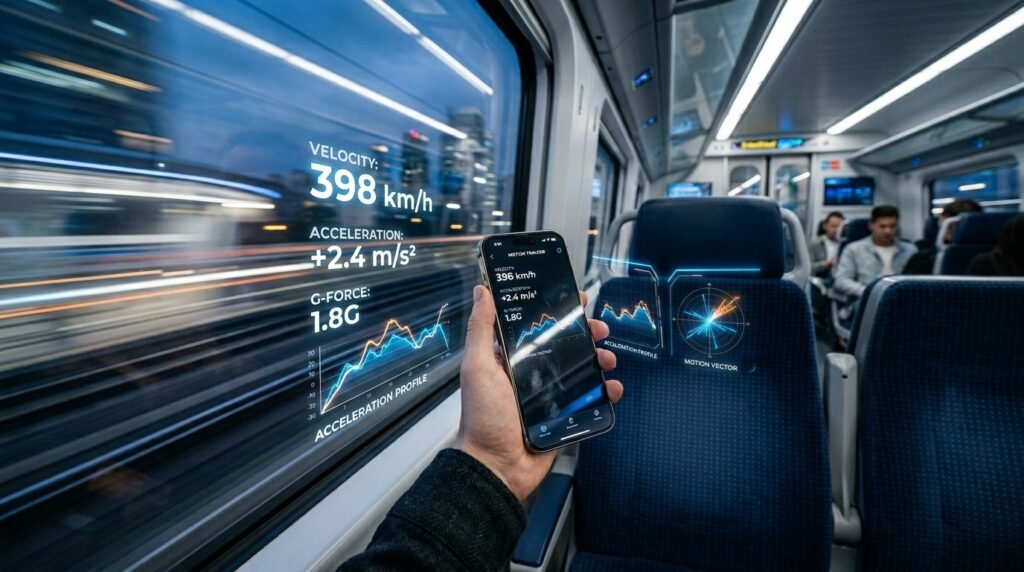
Accelerometers measure the physical forces that are applied to your smartphone. A large acceleration change followed by a high speed would lead an algorithm to believe that you are on a plane or train.
Ambient Light Sensor Monitoring
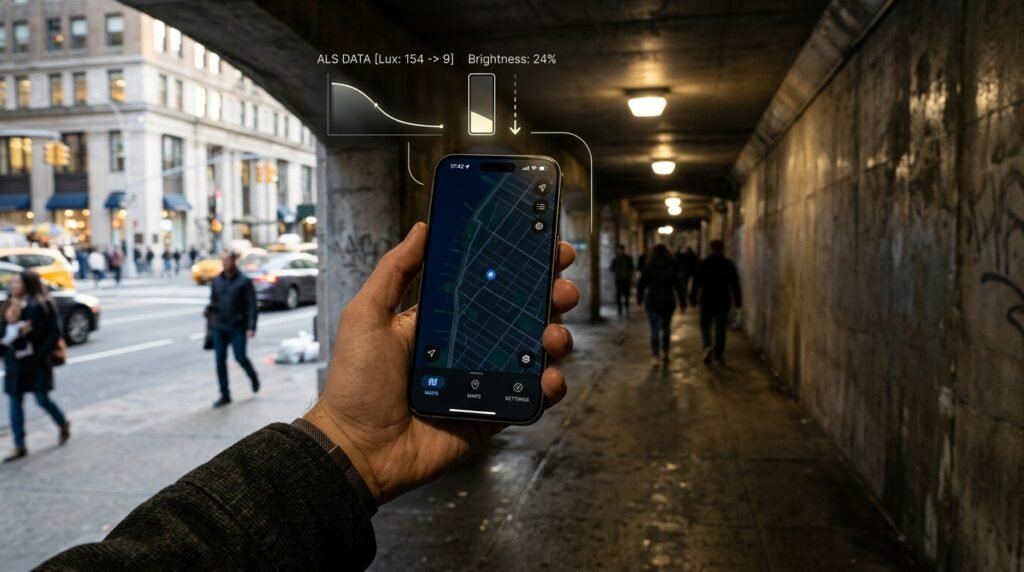
Environmental conditions can also be recorded by the light sensor, which changes the screen brightness. Sudden changes from light to dark could indicate that you are passing through certain urban tunnels or entering buildings.
