
Google’s Most Recent AI Needs Bring Up Concerns Regarding an 8GB Android Phone
Picking up a brand-new smartphone with eight gigabytes of memory usually feels like a safe, future-proof purchase for everyday multitasking. However, hardware requirement guidelines officially published on the Android Developers Blog reveal that Google’s upcoming local software ecosystem is drastically shifting the goalposts. By introducing a massive baseline memory requirement for next-generation intelligence suites, tech enthusiasts are left wondering if their current mobile devices are suddenly facing an unexpected expiration date. Let us look into how this memory shift affects your device.
The Massive Memory Demands of On-Device AI

Running complex generative intelligence directly on your device requires setting aside a massive, permanent block of system memory. Unlike standard applications, local language models cannot simply be closed when you need extra space.
Shifting the Baseline Android Requirement to 12GB
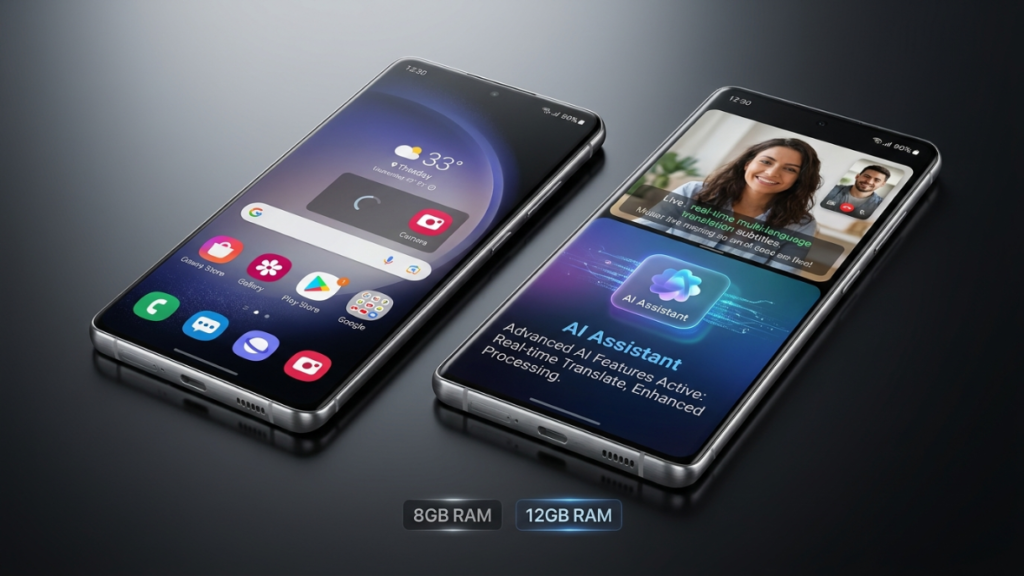
Official developer documentation reveals that Google’s highly anticipated Gemini Intelligence suite requires a strict minimum of twelve gigabytes of memory. This technical threshold instantly places standard mid-tier phones behind a strict hardware line.
The Heavy Burden of Running Continuous Background Tasks
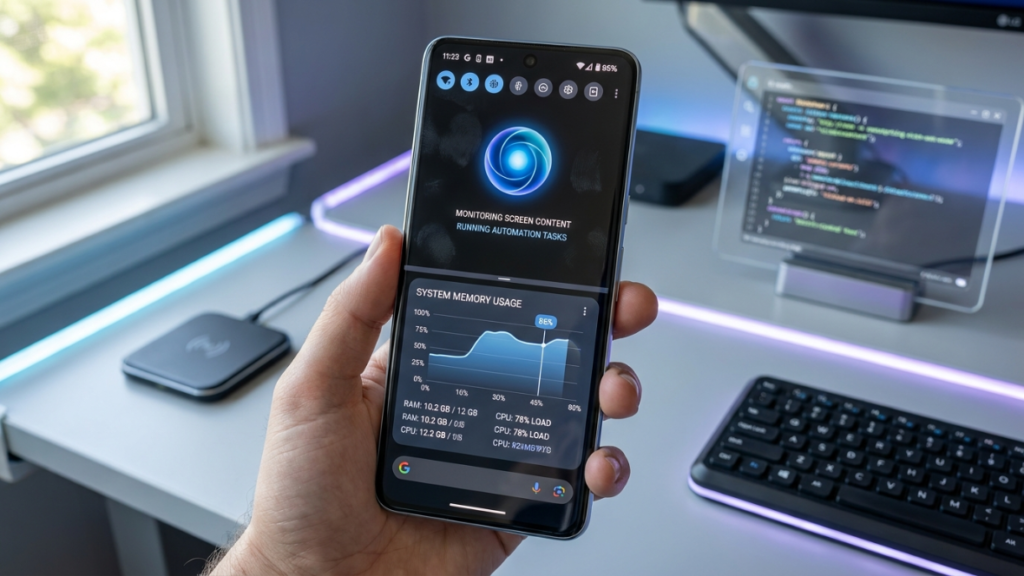
Next-generation digital assistants are designed to continuously monitor your active onscreen context to automate complex, multi-step workflows. This constant background vigilance keeps your system’s short-term memory completely occupied all day.
How Local Processing Prioritizes Extreme Personal Privacy

Processing data directly on your hardware chip means highly sensitive information never has to travel to an external cloud server. However, maintaining this ironclad level of security requires substantial local hardware resources.
The Strategic Industry Shift Toward Hybrid AI Frameworks

When a complex user request completely overshoots the physical limitations of your phone, a hybrid system gracefully routes the task upward. Simple queries stay local, while deep reasoning travels to the cloud.
Understanding the Hidden Threat of Application Bloat

As basic system architectures evolve to accommodate massive intelligence features, everyday applications might naturally experience structural bloat. This gradual expansion could slowly squeeze out standard multitasking headroom on older devices.
Why Flagship Smart Chips Are No Longer Enough

In previous tech eras, buying a premium processor guaranteed several years of seamless operating system support. Today, lacking sufficient memory can completely lock out features regardless of your raw processor speed.
Navigating the Confusion of Staged Feature Rollouts

Discovering that a brand-new operating system update lacks its core flagship tools can be incredibly confusing for consumers. Manufacturers are increasingly limiting these advanced capabilities to top-tier device models.
The Looming Threat of Outdated Day-One Hardware
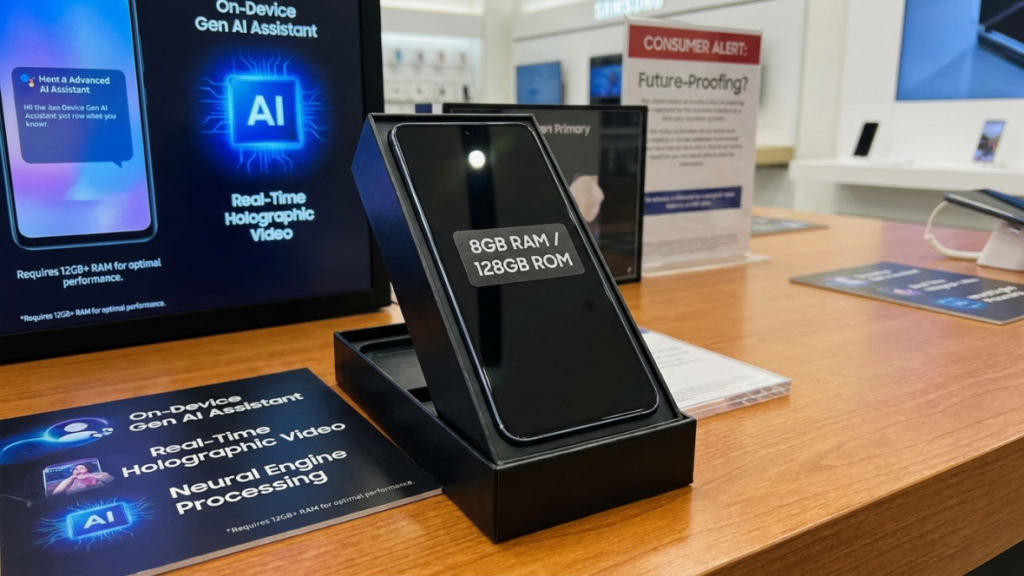
Purchasing a brand-new device that carries lower memory specifications might leave you feeling restricted within a few months. The fast-moving pace of digital development makes baseline specifications highly temporary.
What Future Generation Android Updates Might Demand

Upcoming operating system versions will likely continue expanding their reliance on deeply integrated, hardware-accelerated automation systems. Preparing for this landscape means paying close attention to internal device specifications.
Making a Smart and Informed Smartphone Choice

You do not necessarily need to rush out and upgrade your perfectly functional mobile hardware this afternoon. However, keeping these shifting memory baselines in mind ensures your next major investment remains truly future-proof.
