
Plugging your phone in overnight to guarantee a full indicator by morning is a deeply ingrained routine for most tech users. However, laboratory engineering diagnostics published by the Faraday Institution suggest that maintaining a maximum state of charge may significantly accelerate internal component wear. Constantly pushing your device to its absolute power ceiling might inadvertently create prolonged stress within the delicate internal chemistry. Let us look into how full charging impacts long-term lifespan.
The Chemistry Behind Lithium-Ion Batteries
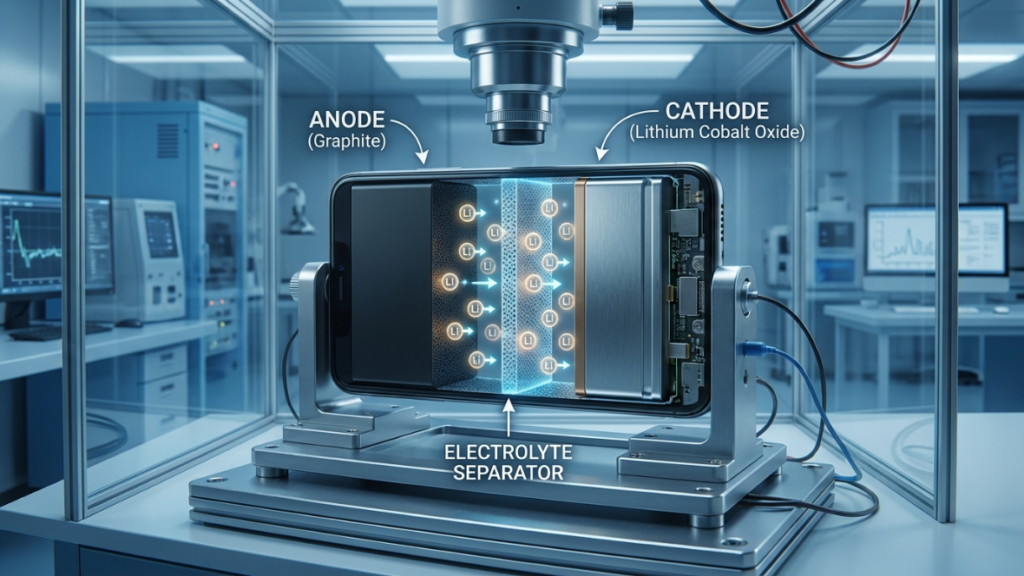
Modern smartphones rely exclusively on lightweight lithium-ion cells to power your daily applications and bright screens. These compact components function by bouncing active ions back and forth between two distinct internal chemical plates.
The Hidden Stress of Maximum Voltage
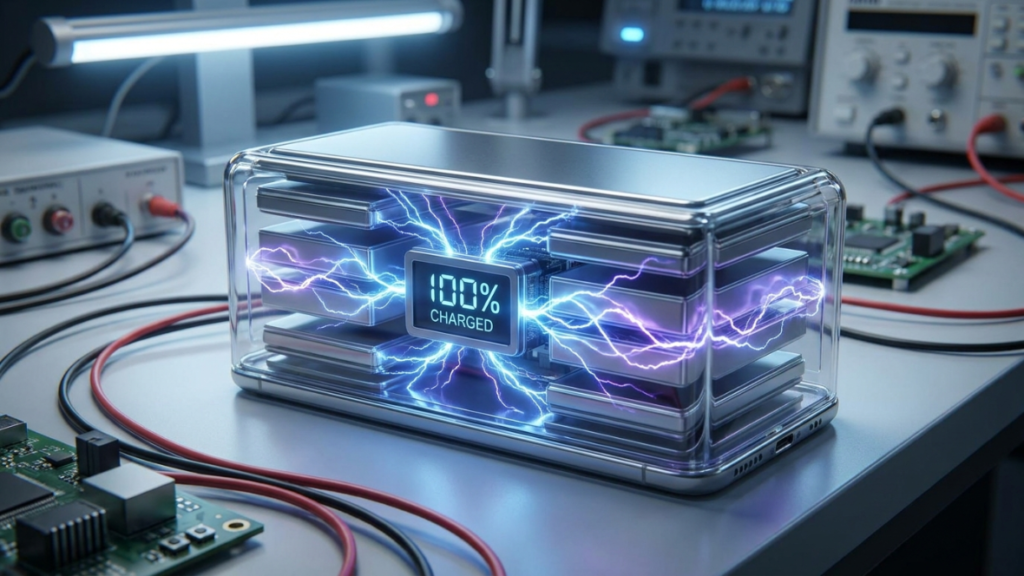
Reaching a full top-off requires your charger to pump a continuous, high-voltage stream directly into the power cells. This prolonged high-tension state can place substantial structural strain on the internal crystalline matrices.
Understanding the Concept of Calendar Aging
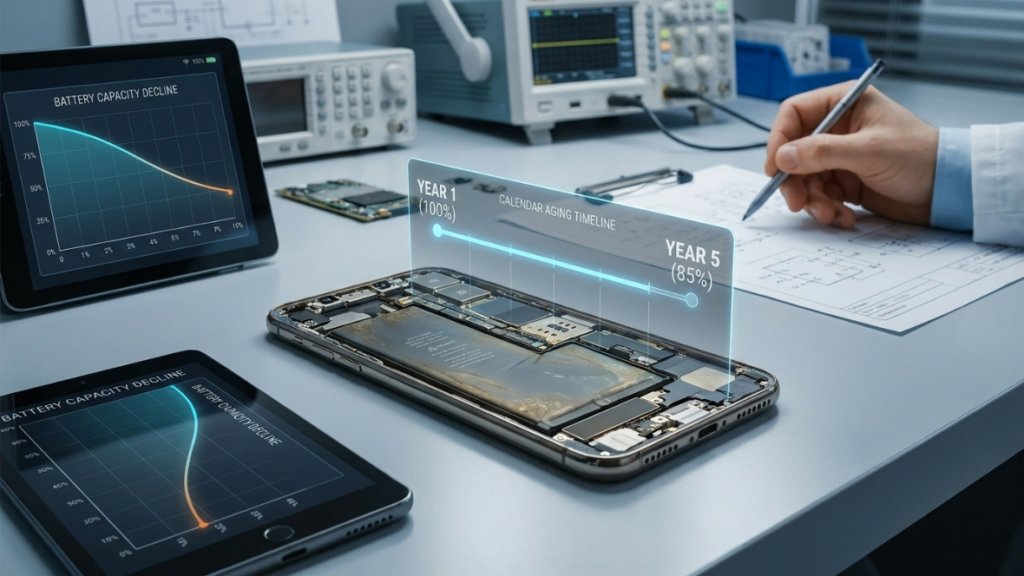
Batteries naturally degrade over time simply by existing, a process separate from active daily use. Research implies that storing a device at maximum capacity can multiply the baseline speed of this inevitable decline.
The Danger of Intense Thermal Retention
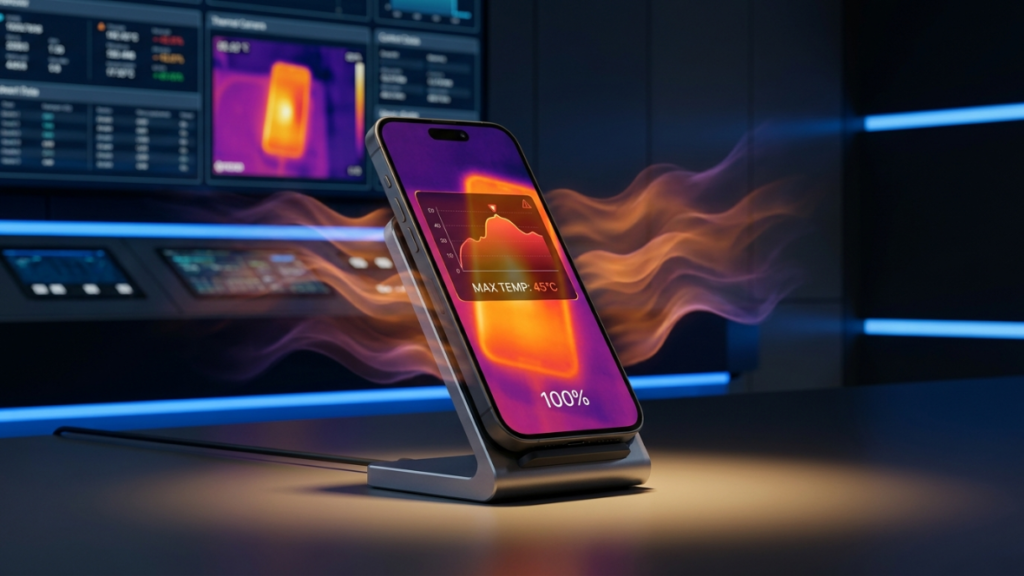
Topping off those final few percentage points typically generates a noticeable amount of ambient physical heat. Excessive operational warmth is a primary catalyst for breaking down essential internal liquid electrolyte compounds.
How Electrolyte Decomposition Quietly Begins

When a cell sits at maximum voltage while warm, the internal liquid starts undergoing minute chemical transformations. This gradual decomposition slowly reduces the total volume of active ions available to carry a charge.
Explaining the Traditional 20/80 Charging Rule
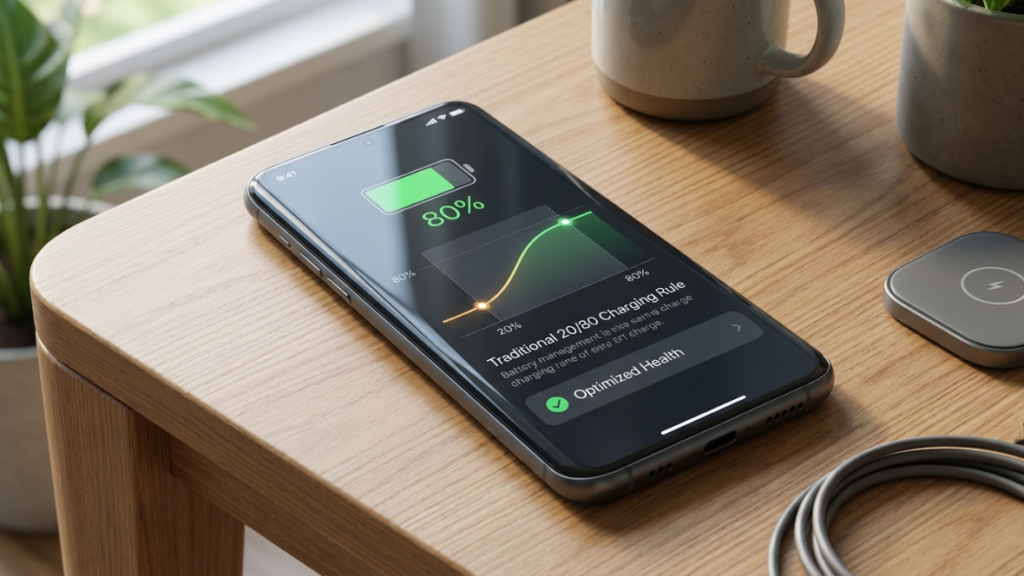
Many hardware manufacturers suggest keeping your daily power levels floating within a moderate middle boundary. Avoiding the absolute extremes on either end might heavily minimize overall structural stress on the cells.
The Real-World Convenience Trade-Off

While capping your daily power limit sounds excellent on paper, it noticeably reduces your immediate runtime. Facing a shorter daily window can feel highly impractical when traveling or working long field days.
The Mechanics of Optimized Battery Charging
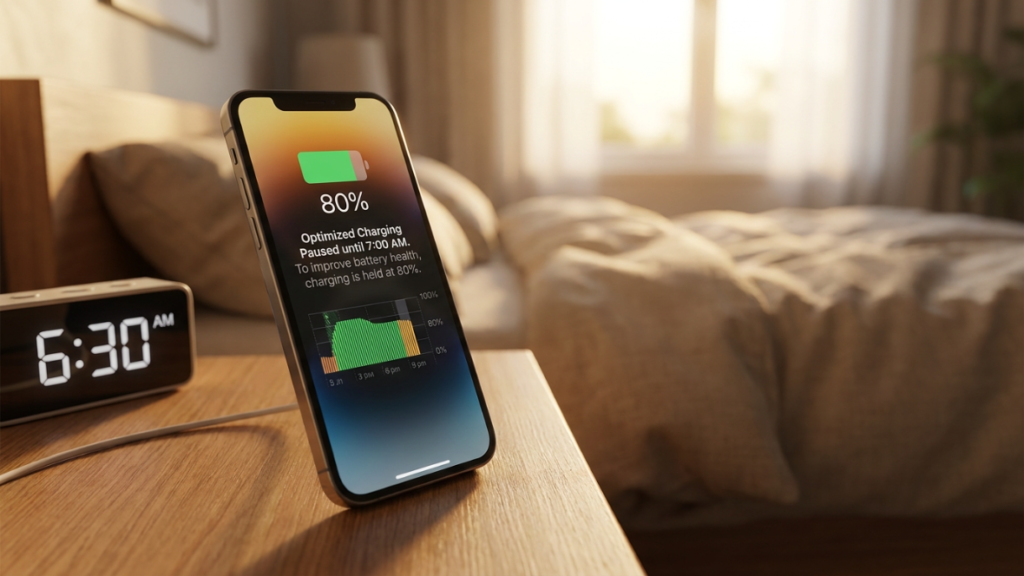
Most modern operating systems include intelligent algorithms that track your personal sleep and alarm patterns. The software intentionally holds the power at eighty percent overnight, finishing the rest right before you wake up.
What Happens During Deep Discharge Cycles
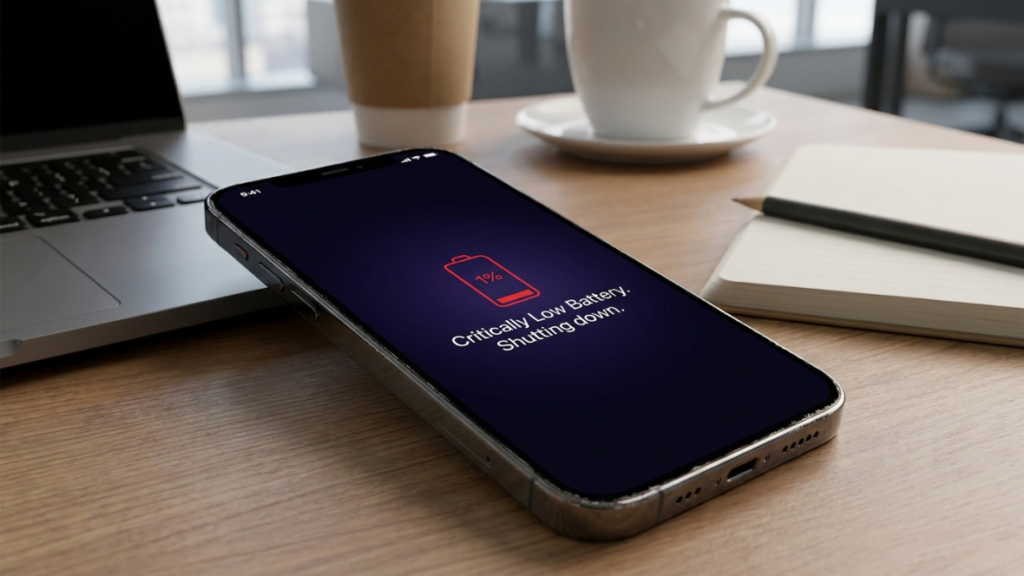
Allowing your device to repeatedly drop all the way down to zero percent is equally counterproductive. Deeply draining the system places an entirely different type of severe mechanical stress on the components.
Signs Your Battery is Chemically Aging
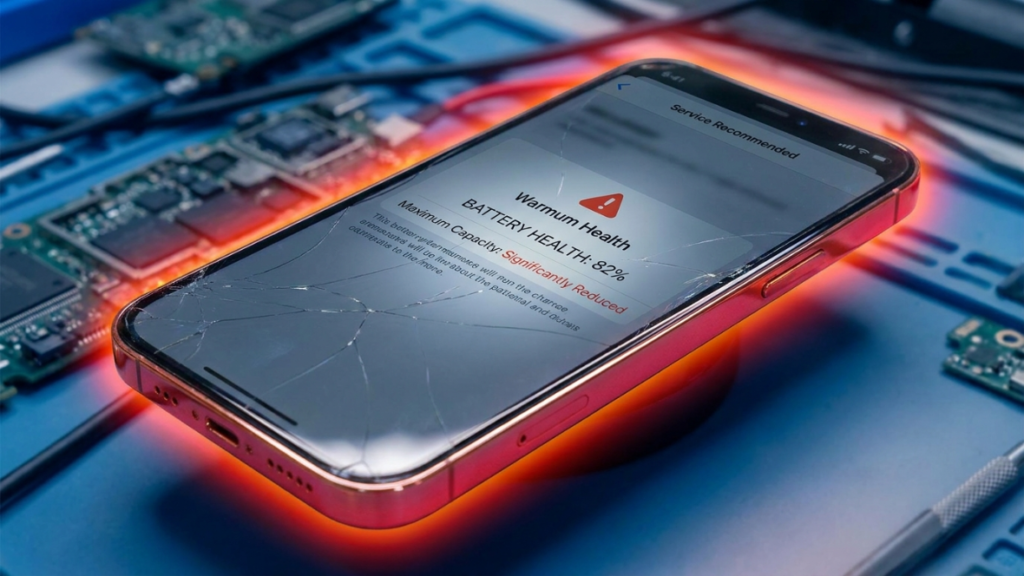
As internal resistance naturally climbs over the years, you might notice your phone warming up much faster. The total hours of active screen time on a single plug will also begin dropping.
The Safety Reality of Battery Swelling
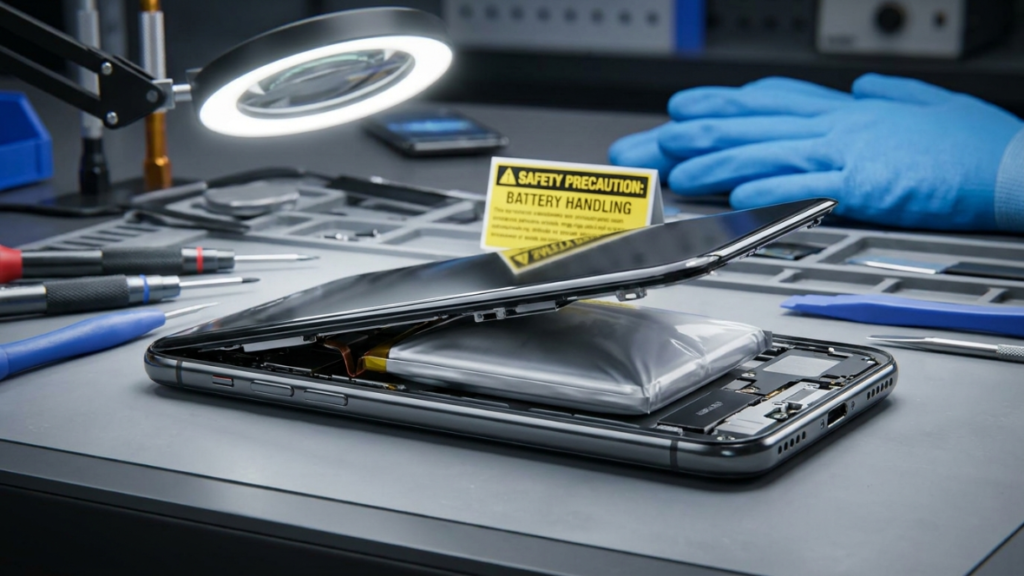
In rare cases of extreme thermal stress or component neglect, internal gas accumulation can cause physical expansion. A warped or lifting screen indicates a damaged cell that requires immediate professional replacement.
Finding Your Personal Power Management Balance
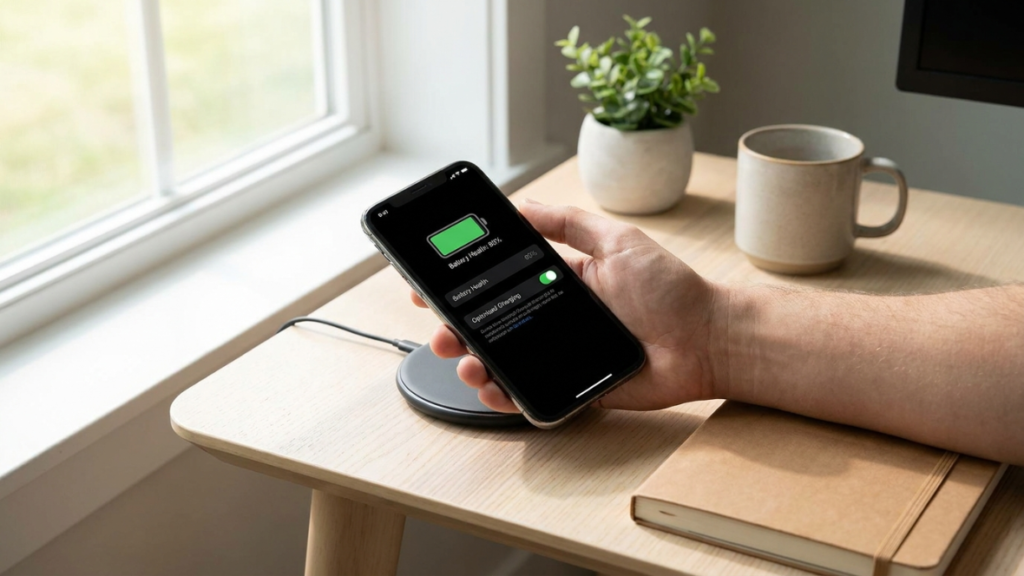
You do not need to obsess over every single percentage digit to enjoy a dependable smartphone experience. Utilizing native software optimization features ensures a great balance between daily utility and long-term hardware health.
