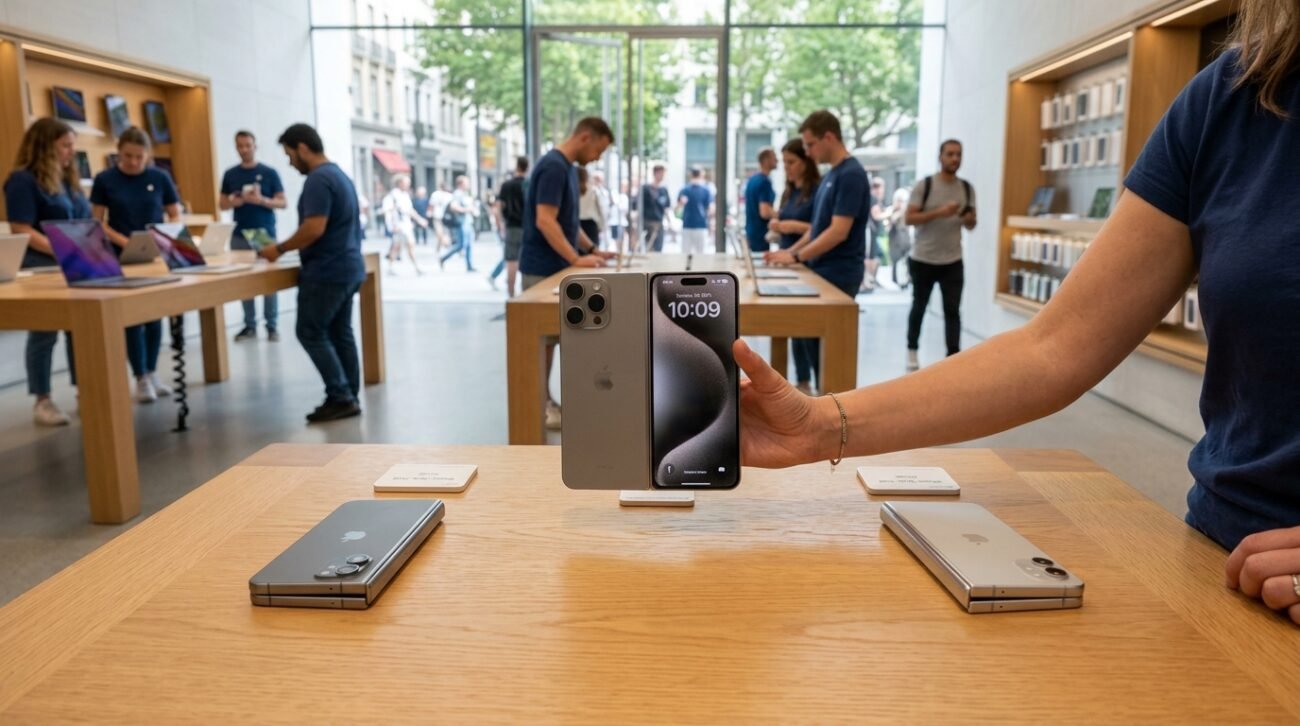
Until recently, the upgrade of the smartphone was an enormous step, but now the updates are being done incrementally and quietly, and many are wondering if the golden age of innovation is over. Then there are the dynamic changes in the industry, however, that hint at a great change on the horizon. Omdia’s research shows that the premium smartphone segment is proving to be very resilient and continues to indicate the need for the highest quality experiences. The thought of a rumored top-dollar gadget could essentially redefine the tech playbook.
Redefining the Premium Smartphone Concept
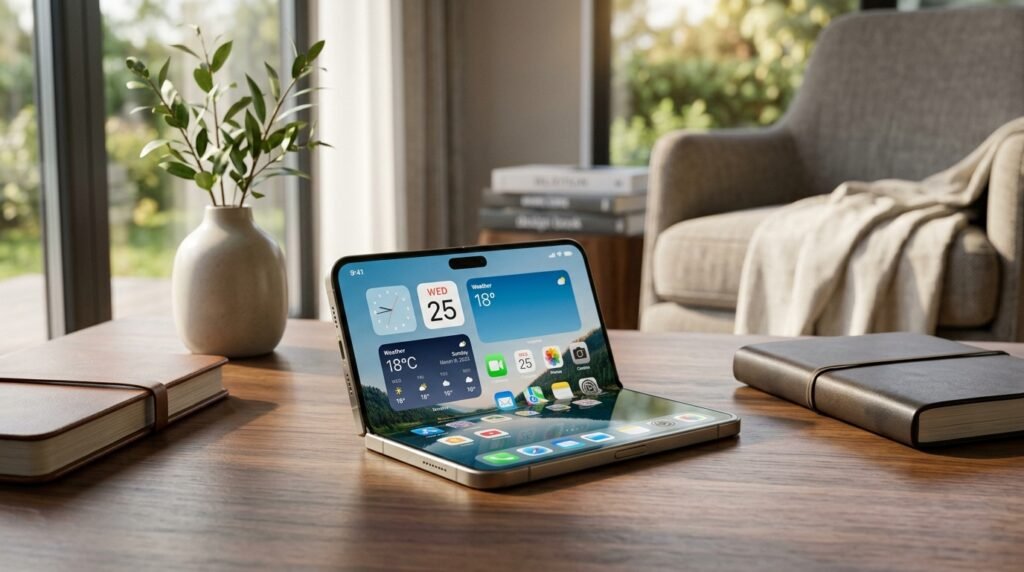
The rumored luxury tier may change how we view high-end mobile devices entirely. It might shift consumer expectations away from standard annual updates toward truly monumental hardware leaps.
A Bold Leap Into Foldable Technology
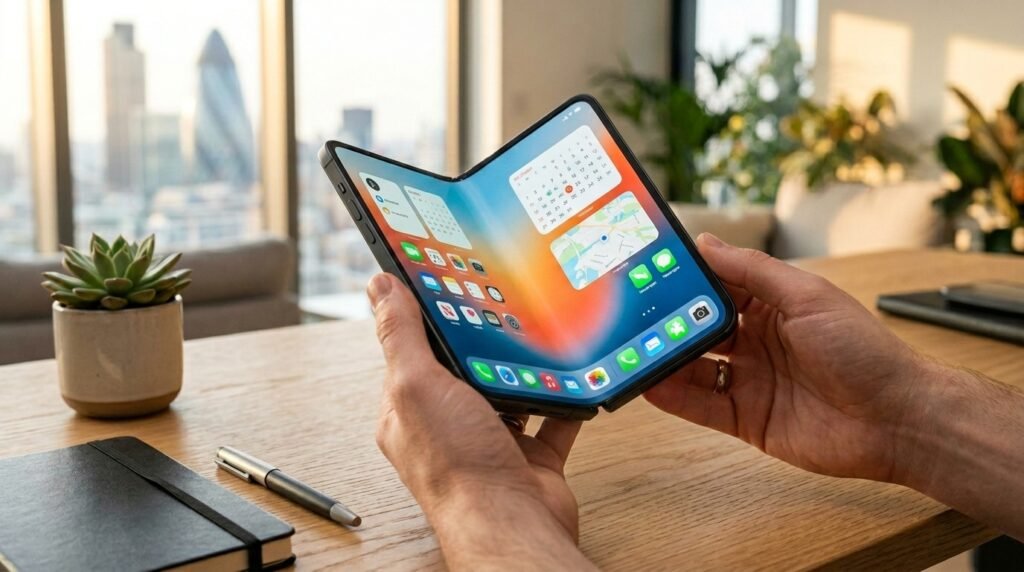
Recent supply chain whispers suggest this hardware could introduce Apple’s very first book-style folding screen. This design would seamlessly merge phone portability with the expansive canvas of a tablet.
Shifting the Traditional Launch Strategy
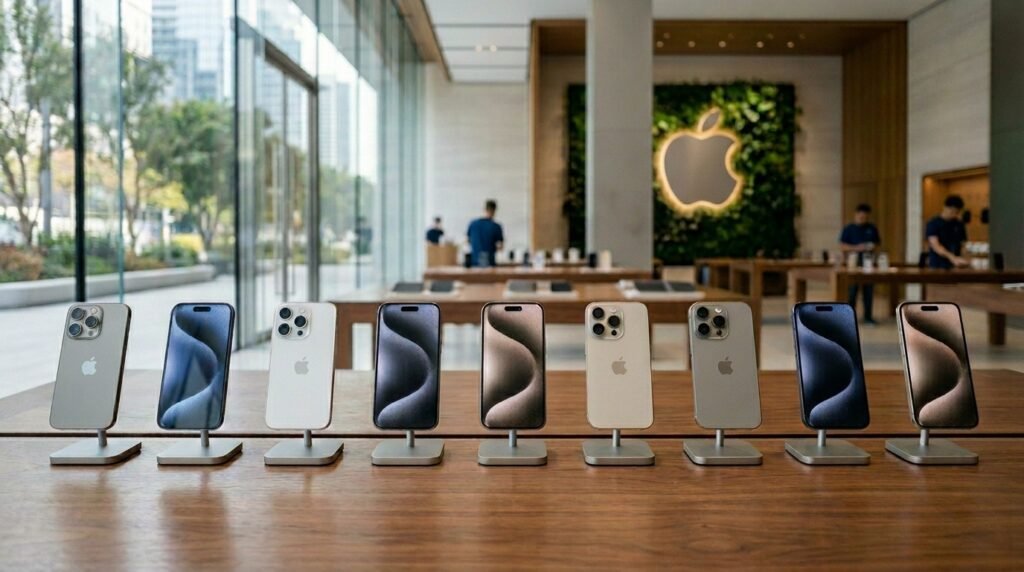
Introducing a super-premium tier might alter how standard models are perceived during autumn announcements. It could potentially relegate standard pro devices to a secondary, mid-tier luxury status.
Challenging the Current Screen Standards
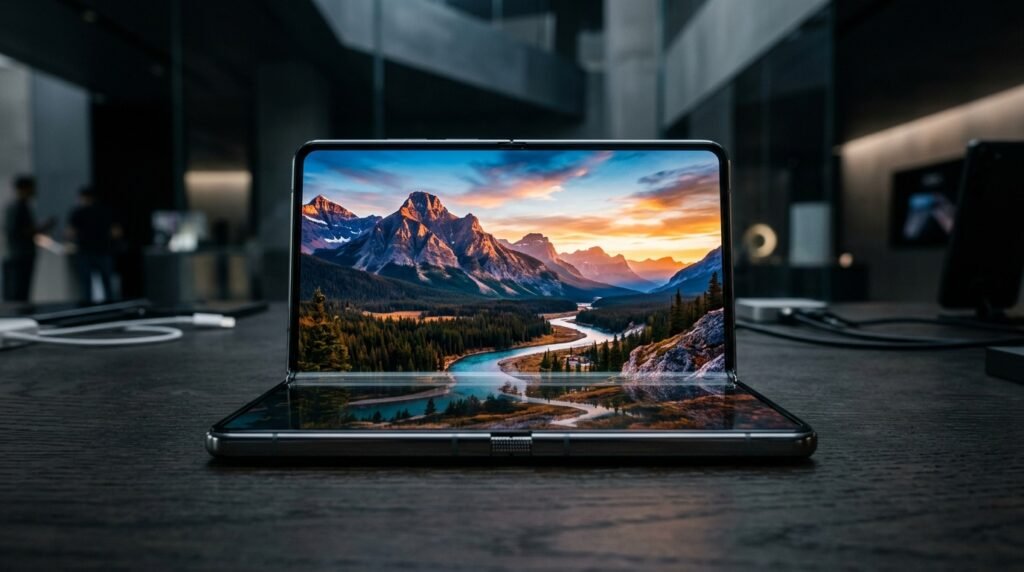
Reports indicate a massive internal display reaching nearly eight inches when fully unfolded. A screen this large would easily surpass the viewing area of standard Pro Maxmmm variants.
Optimizing Software for Expansive Displays

The next major operating system update might introduce advanced, tablet-like multitasking capabilities. Users could potentially run multiple complex applications side by side with total ease.
Managing the Noticeable Screen Crease
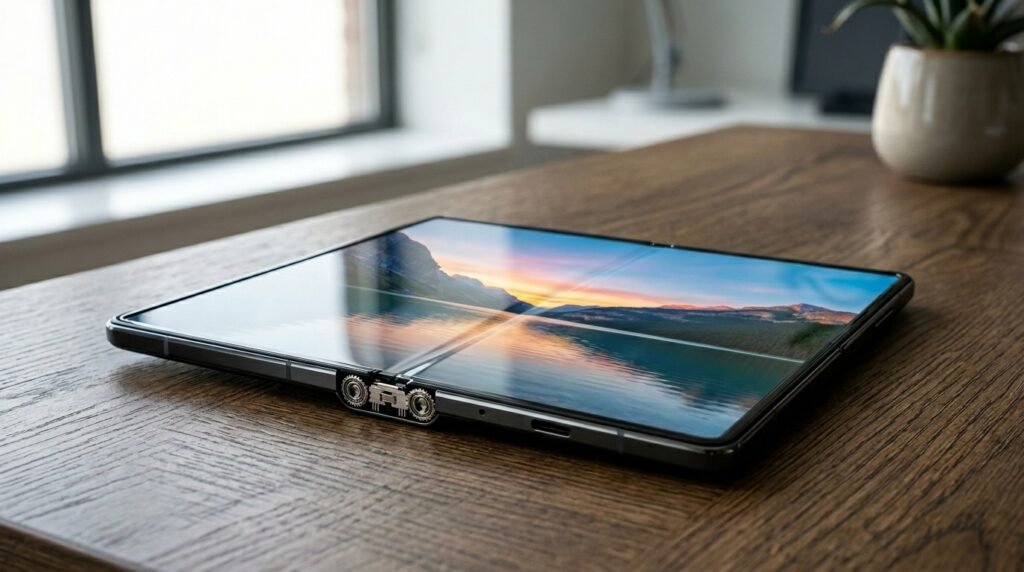
According to a few studies, the company is using a special mechanical system to reduce the folding crease. It may not go away completely, but the distracting visual effect will likely be a lot less.
Rethinking Familiar Hardware Features

Some leaks hint at the potential removal of classic features like traditional biometric facial recognition. A side-mounted fingerprint sensor could possibly take over security duties instead.
Streamlining the External Camera Array
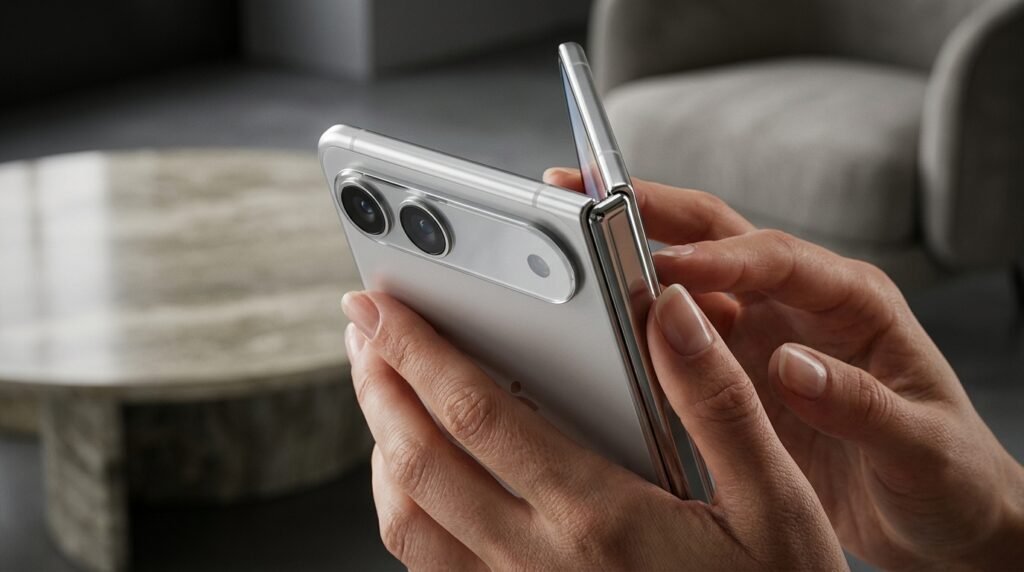
To maintain an incredibly thin profile, the camera housing might skip bulky telephoto lenses. The design might favor dual ultra-wide setups to keep the device remarkably sleek.
Utilizing Space-Age Hinge Alloys
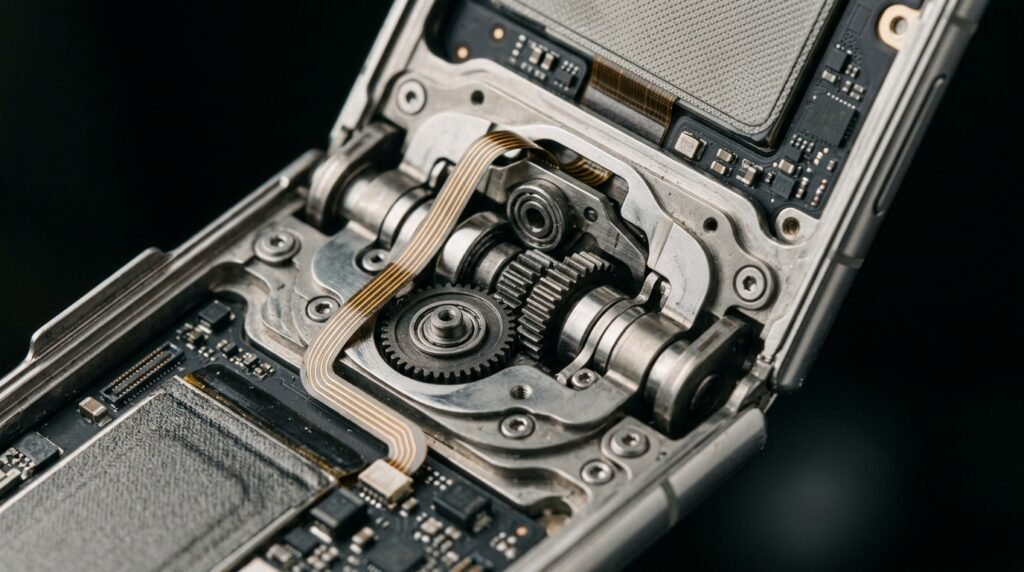
Speculation points toward the heavy integration of advanced liquid metal components within the hinge mechanism. This choice might offer strength that vastly exceeds standard titanium options.
Influencing Broader Industry Upgrade Cycles

A radical form factor shift could convince consumers to finally break their lengthy upgrade droughts. It might revitalize a domestic market where upgrade activities have recently softened.
Setting the Future Hardware Foundation

This premium launch could serve as a living laboratory for testing experimental hardware concepts. The innovations perfected here will likely trickle down to standard devices for years to come.
