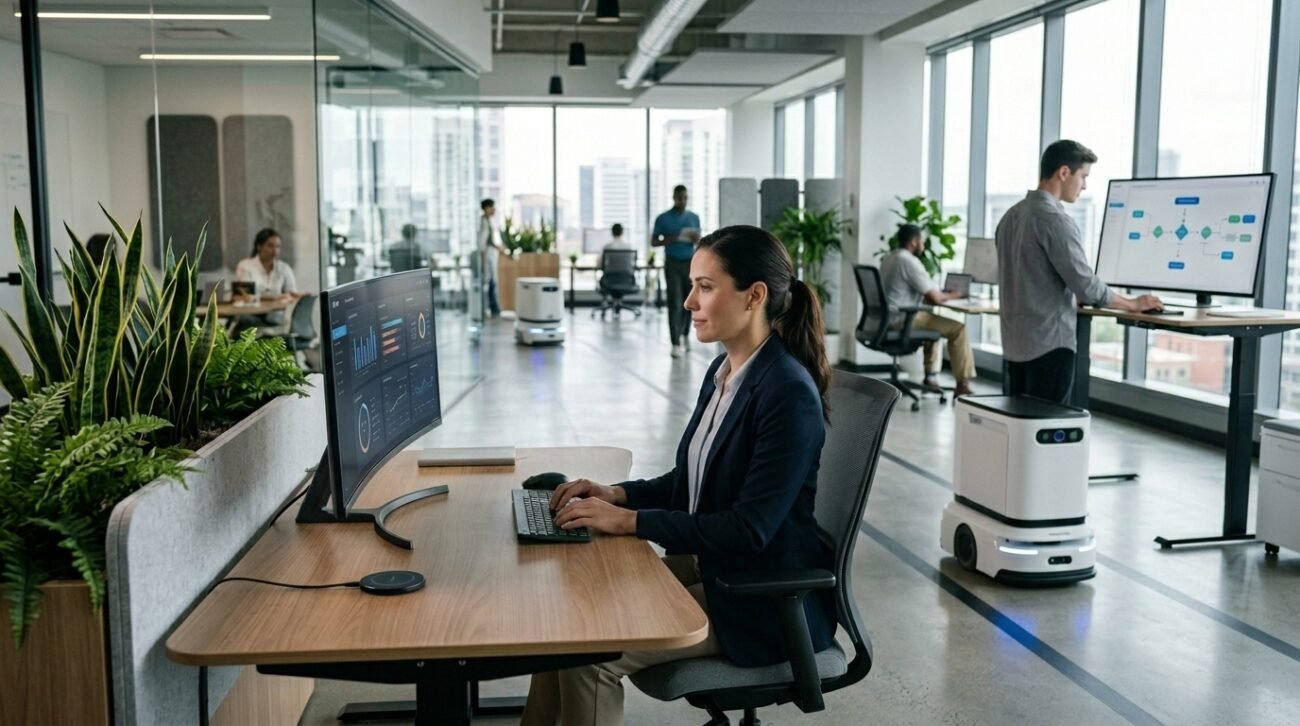
The landscape of the American workforce is changing faster than a lot of people figured, and honestly it feels like it’s doing it a bit too quietly. As we get through 2026, there’s this particular wave of AI integration that’s moving past the whole simple “chatbots” idea, and into the actual everyday core operations of big industries. Like, not just the shiny layer on top, but the stuff that runs while everyone else is busy. Here’s how those tools are reshaping the professional world.
The Rise of the Virtual Administrator

Stuff that used to be “just office stuff” like scheduling, email wrangling, and basic document drafting is now being handled by advanced workspace assistants. They’ve gone further than the old templates now they’re managing complicated calendars and internal coordination, without any human intervention, or at least not in the obvious way.
Revolutionizing Customer Support
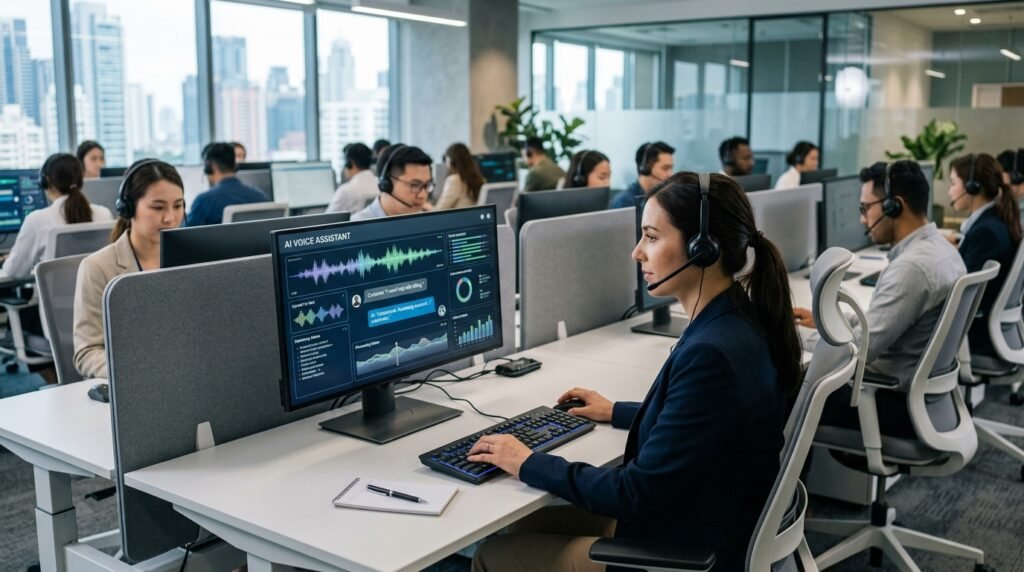
The waiting game for a human rep is kind of fading out. Modern AI voice and text agents can resolve thorny technical issues and billing disputes in real time, and they take on the workload that used to fill entire call centers.
Automated Bookkeeping and Finance

Finance roles are getting re-shaped pretty heavily as AI takes over invoice processing, reconciliation, and even tax prep. These systems are incredibly exact, they catch mistakes in seconds, that might take a human accountant hours to spot. It’s like doing pattern recognition faster than a caffeine fueled brain.
Creative Production at Scale
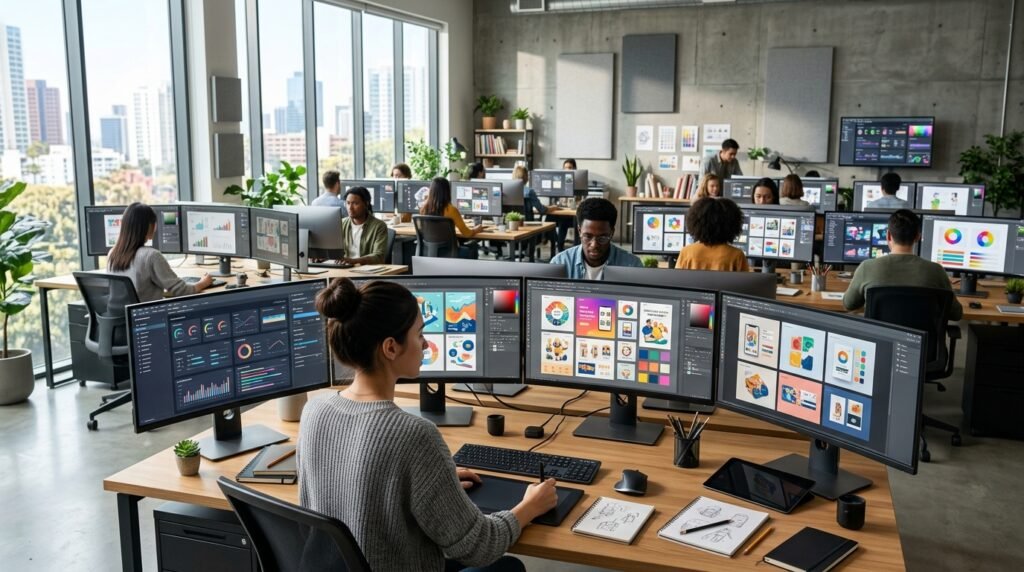
Early design and copywriting positions are getting nudged into something else by generative platforms. Businesses are using AI to crank out marketing assets, social media material, and even video advertisements, in a fraction of the time that used to be normal.
Precision in Legal Research
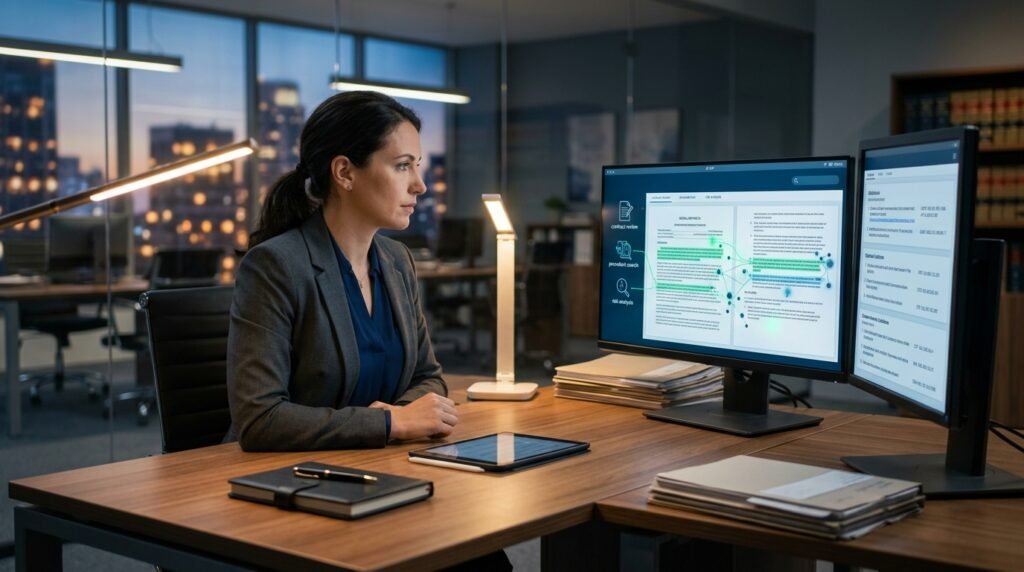
The legal world is using AI to sweep through thousands of contracts and precedents instantly. Tasks that were once the bread and butter of junior paralegals—document review, compliance checks, you know that kind of work—are now being handled by software, or at least heavily assisted by it.
Smart Warehousing and Logistics
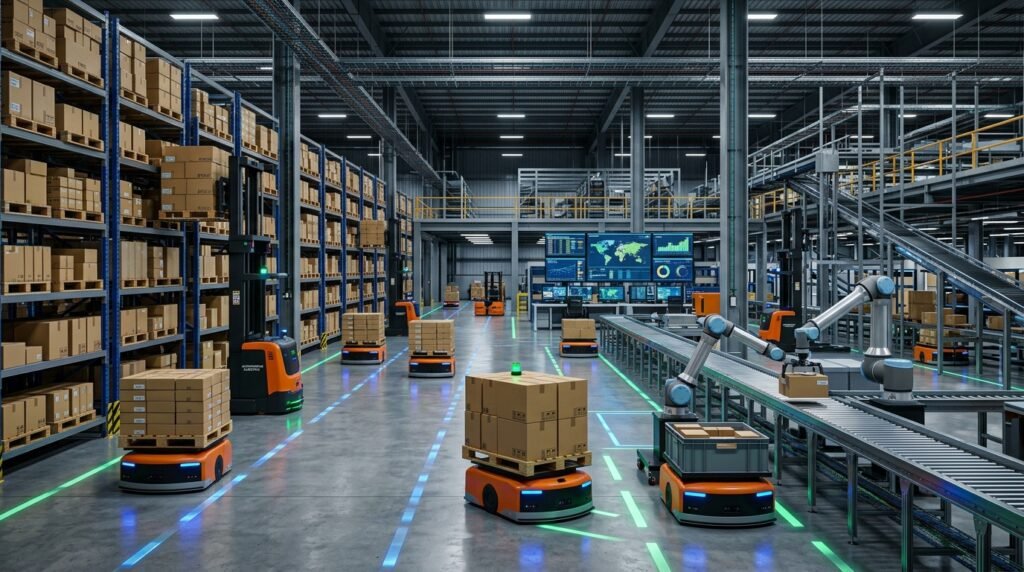
In logistics, AI isn’t merely tracking packages anymore. It’s optimizing full supply chains. From forecasting inventory needs, to managing autonomous floor robots, the need for constant manual oversight in warehouses is slowly dropping off.
Data Analysis on Autopilot

Junior analyst roles are evolving because AI tools are doing the deep-dive data crunching and trend forecasting themselves. These platforms transform raw numbers into boardroom ready reports, with almost no human involvement, until someone has to sign off.
The Evolution of Coding

Software development is being changed by AI pair-programmers and these tools write code, debug it, and run tests, so smaller teams can do what used to take dozens of entry level developers. Not “replace everyone,” but it definitely compresses the workflow.
Streamlining Human Resources

Recruitment is getting an AI facelift and from sorting through thousands of resumes to running the first wave of video screenings, AI narrows the candidate pool long before a human recruiter actually gets involved.
Future-Proofing the Workforce

The idea here isn’t only replacement , it’s efficiency. Some older roles may shrink, but the emphasis is shifting toward “AI-orchestration,” where people move from doing the actual tasks, to managing the systems that do them in the background.
