
Just about everybody has used a cell phone recently and been greeted by a dead phone or heard no response at all. As robocalls and scams using AI continue to expand, these odd sounds are becoming more prevalent throughout the United States. The Federal Trade Commission and the Federal Communications Commission said that sometimes, silent calls could be associated with scam verification systems that determine if a number is associated with a real person. Many Americans have changed their minds about answering an unknown number just because of that possibility.
Pause Before Saying Hello

Some researchers recommend a second’s delay before talking. Some systems might be using automated responses to active human voices prior to transferring the call or marking the number as responsive.
Avoid Saying “Yes”

Consumer protection groups such as the Federal Trade Commission (FTC) have issued alerts for the possibility that voice recordings might be used in future scams, although how this would be accomplished may differ from one scam to another.
Keep Personal Details Private

Harmless small talk could turn out to be an information thief’s goldmine. The mention of names, travel plans, workplaces, and addresses may be able to help someone create a believable future scam.
Use Built-In Spam Filters
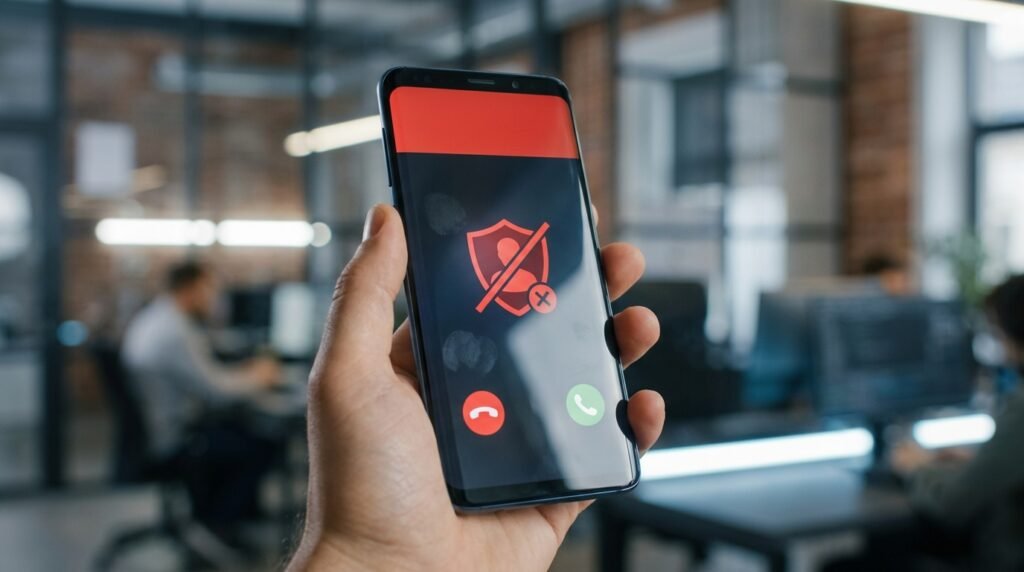
Smartphones have spam detection features in most of them. Apple and Google are still testing features that could automatically recognize dubious callers.
Block Repeat Numbers

By blocking callers who make multiple silent calls, further disruptions would be decreased. It doesn’t necessarily prevent every scam transaction, but at times, it reduces the reattempts from the same number source.
Stay Calm During Scare Tactics

There are scam calls that break into the call and immediately switch to an aggressive tone. The Federal Communications Commission recommends that people not take emotional actions or talk about pressing financial matters at these times.
Don’t Press Random Buttons
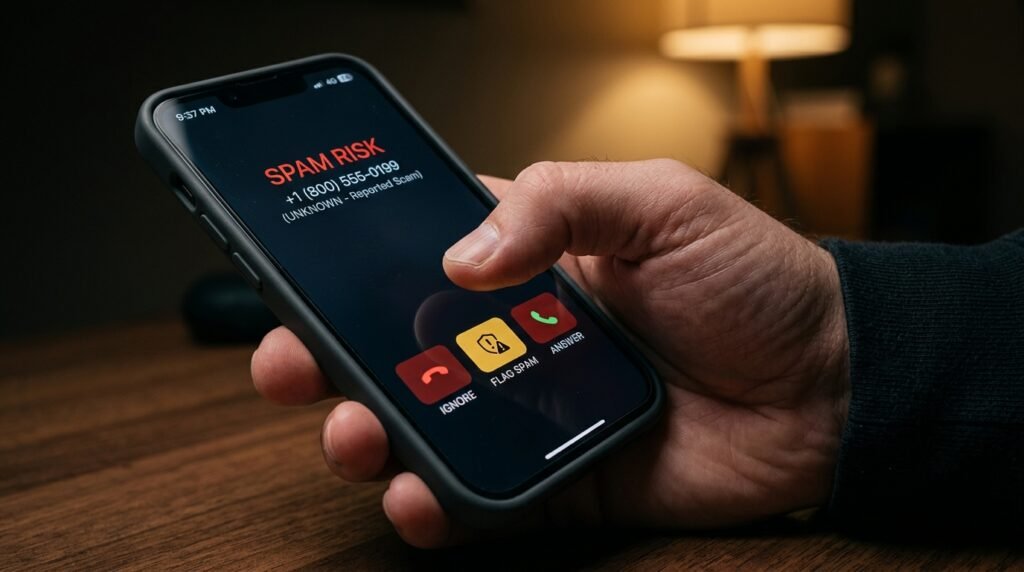
Users may eventually be prompted to dial numbers to request removing calls in a silent call. You might be able to determine whether the number is active by interacting with the system in some instances.
Report Persistent Scam Calls

Scam complaints can be reported to the Federal Trade Commission via its reporting system. Consumer reports could be used to track larger trends in robocalls or fraud that are happening nationwide.
Be Careful With Callback Requests

The re-routing of unknown calls to premium rates or other scam systems is a possibility. Before giving a call to a suspicious number online, it may help to find some indications first.
Update Your Phone Software
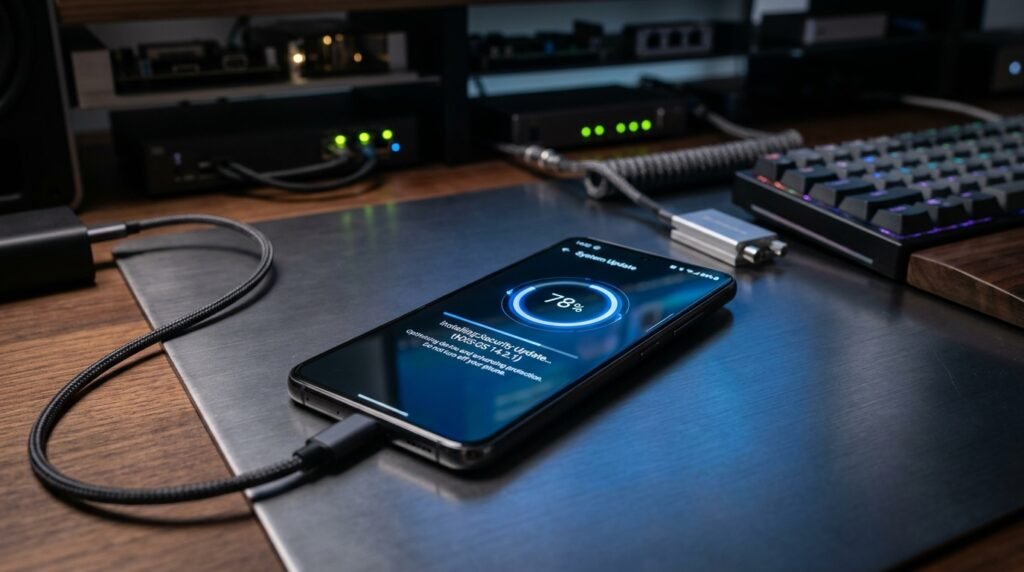
Security patches are sometimes made to improve the spam filter and caller ID capabilities. Tech companies are constantly tweaking protection as scam tactics continue to change and get tougher.
Trust Your Instincts Quickly

An unnatural, hurried-sounding call or a silence in the call is usually cause for suspicion. Most legitimate callers realize when a person decides to end the call and confirm the information on their own.
