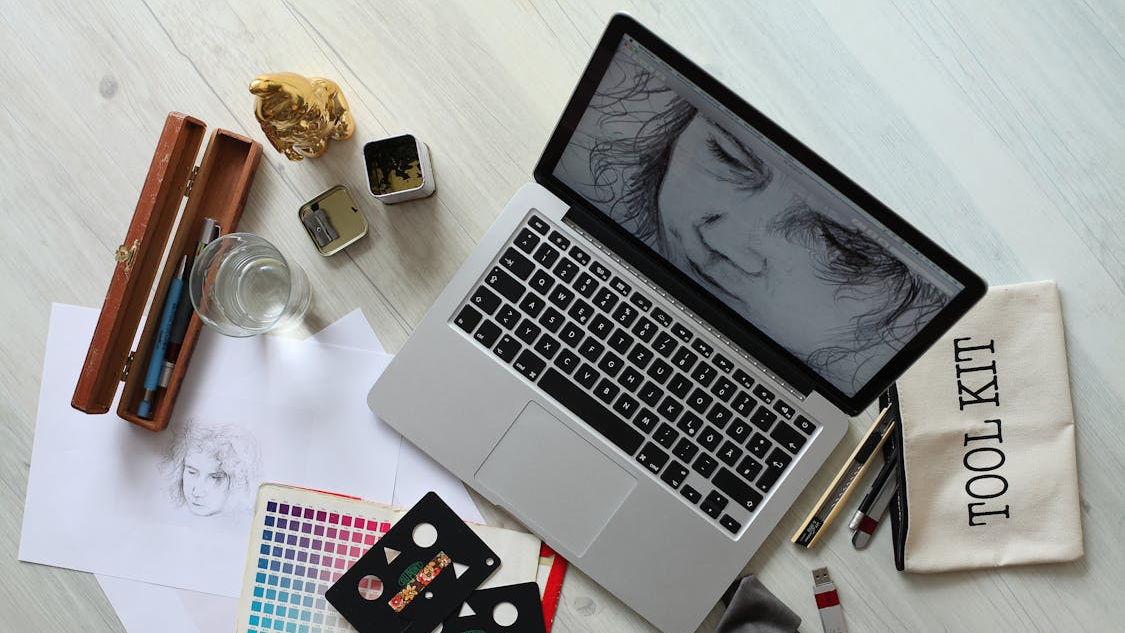
Today, going to a local gallery or visiting your favorite bookstore is not the same as it was several years ago. Although classic craft is still the pulse of American culture, the Stanford AI Index Report 2026 shows that the number of creatives in the US who incorporate machine learning into their processes has increased dramatically. It could be that these digital assistants are transforming our expression, whether it is a novelist thinking of twists to plot or a painter thinking of brush strokes.
Brainstorming Story Arcs
Large language models are becoming popular in breaking through blocks by writers. According to a study published in Nature Human Behavior, AI-assisted brainstorming could be more effective at boosting the originality of creative concepts among individuals who are temporarily uninspired.
Refining Visual Textures
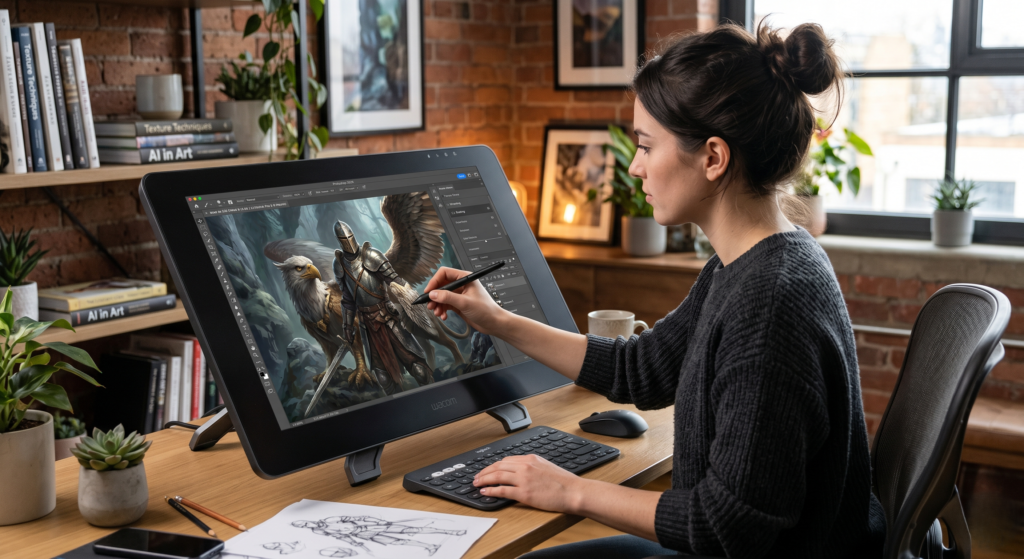
Neural filters help digital painters to automate the tedious task of shading. This, experts speculate, may enable artists to pay more attention to composition and emotional impact and less to time-consuming and repetitive technical rendering work.
Generating Rapid Mockups
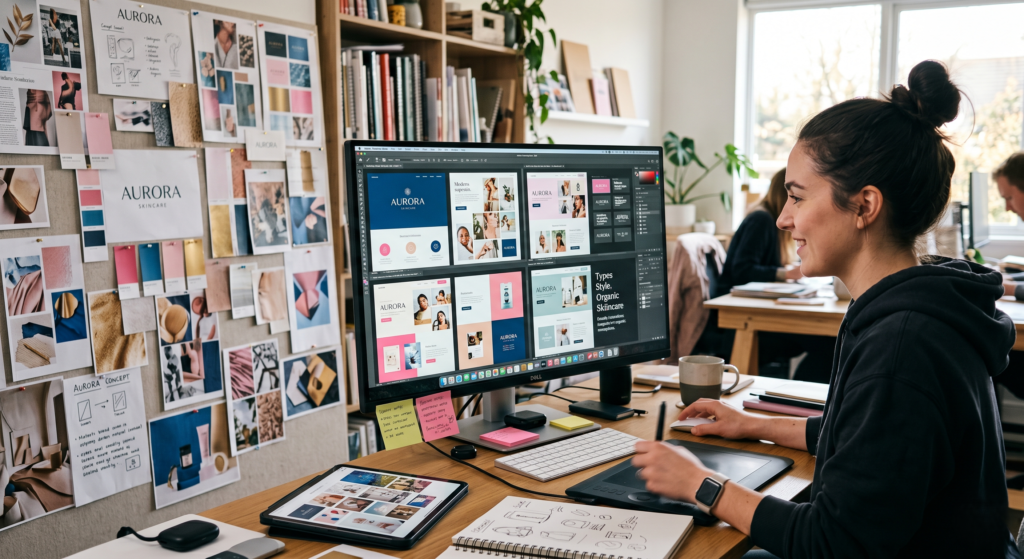
The use of generative tools in creating client mood boards is commonly practiced by graphic designers in the US. This may potentially save the initial design phase by almost 40 percent for most professional agencies, according to 2026 market reports.
Optimizing Written SEO
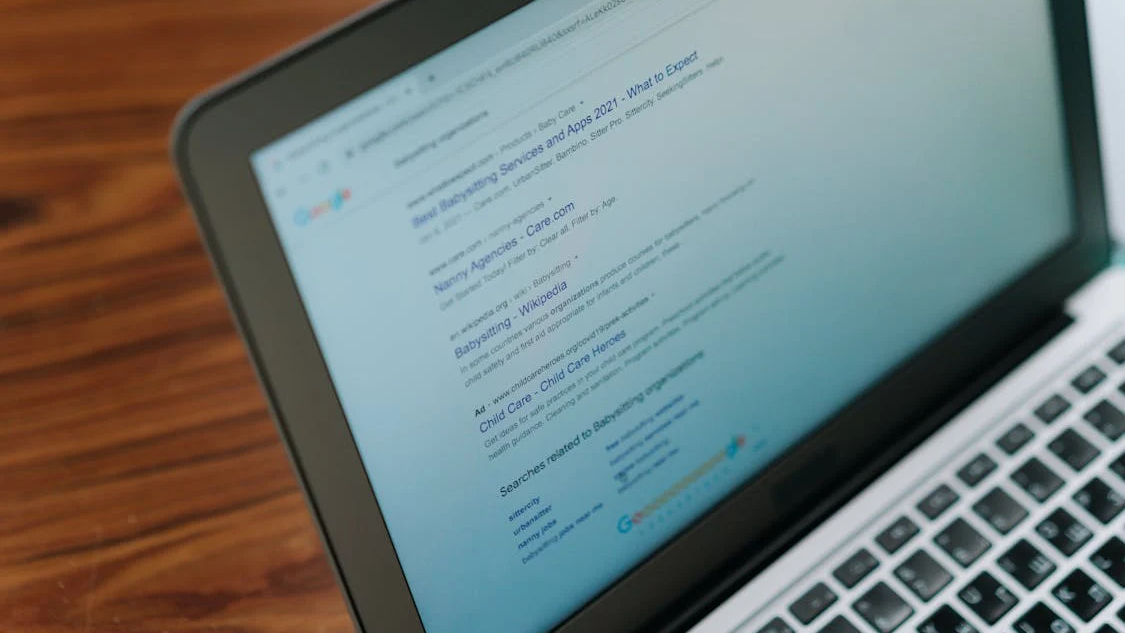
To content creators, devices such as NightOwl can be used to match the content of creative prose with search trends. Although the human voice will still play a pivotal role, these tools may make informative articles actually reach the target digital audience.
Animating Still Illustrations
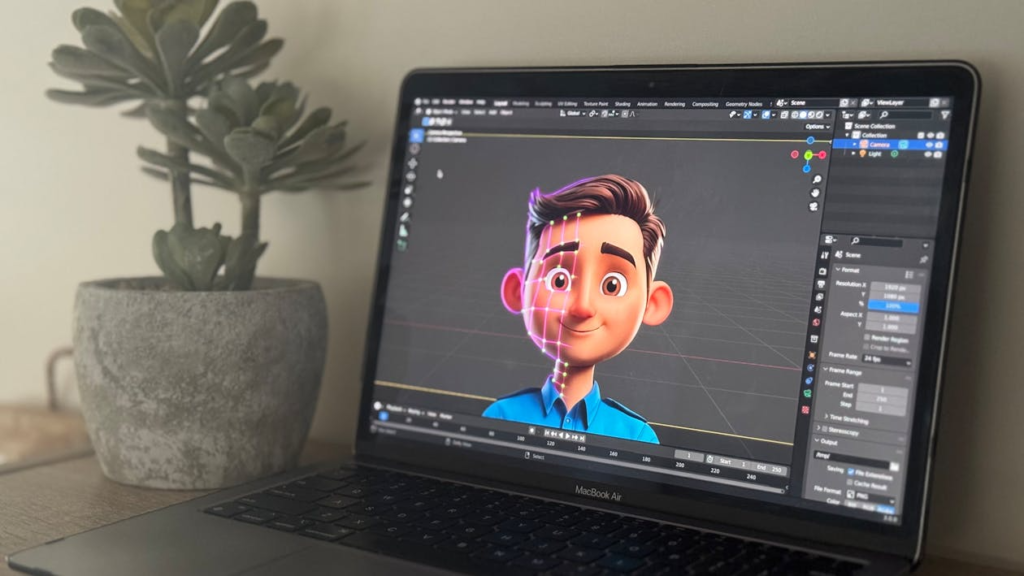
New video models, such as VEO, enable illustrators to use realistic motion to bring motion to their otherwise static characters. This shift could be allowing independent artists to access the competitive realm of quality animation.
Assisting Narrative Research
Specialized AI is used by historical fiction writers to compile thick archives in a short period of time. This might help verify period-accurate details that might have been omitted, so the setting is made authentic and grounded for the well-informed American reader.
Creating Soundtrack Demos
Generative audio is used by musicians to make scratch tracks on time. The practice may enable composers to listen to an approximate version of the vision they have and then pay a full orchestra to record the masterpiece.
Managing Project Metadata
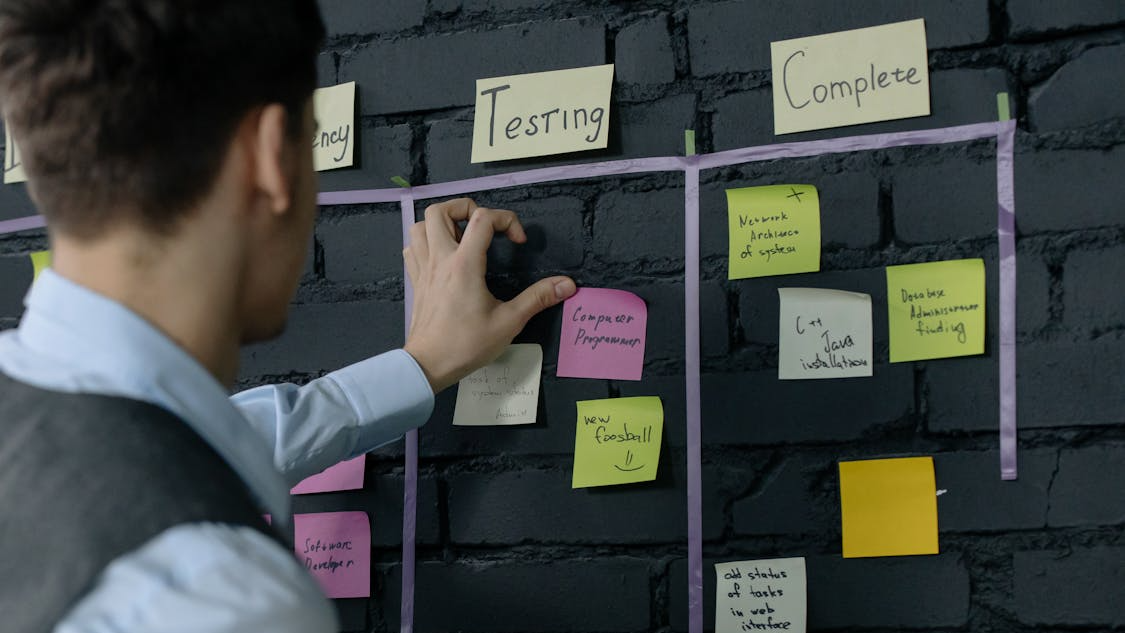
The unglamorous aspect of business, such as labeling files, can be a challenge to creatives. Automated metadata tools could possibly save hours of office time, and artists could have more free time in their real studios.
Enhancing Photo Resolution
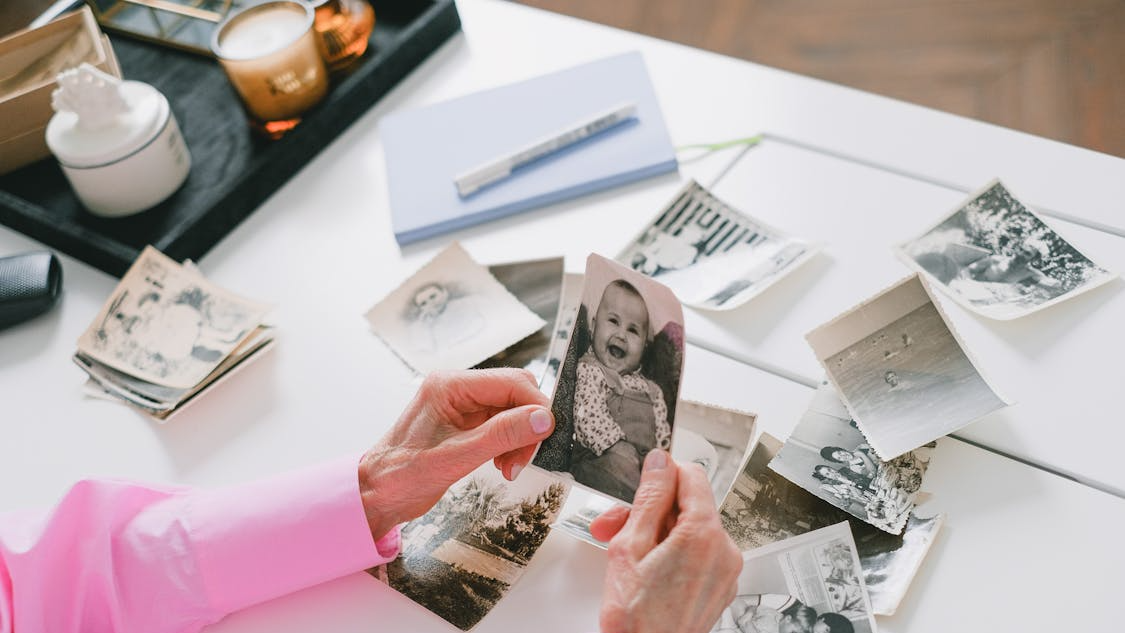
Photographers are using upscaling technology to salvage low-res old photos. This may help save family histories or news photos in archives, and they can be printed in high definition and shown on digital displays to allow clarity to be seen today.
Crafting Social Captions
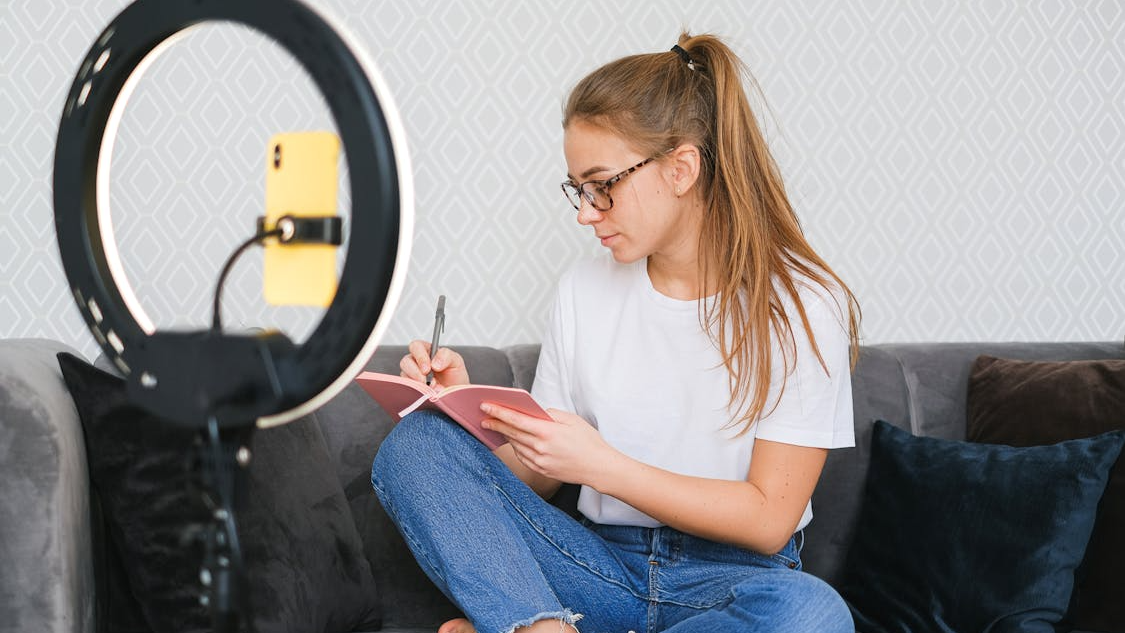
Artists also apply AI to write catchy captions on social media, such as Instagram. This can assist creators in staying active and not feeling burnt out since 79 percent of social content in 2026 will require some type of AI assistance.
Simulating Light Environments
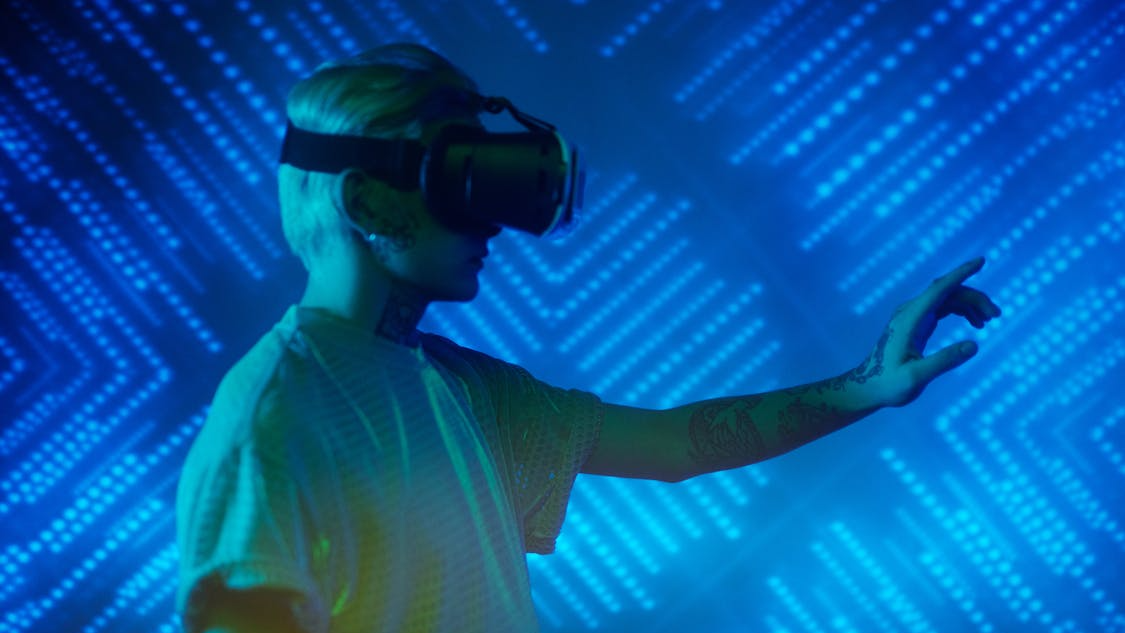
AI is used by 3D artists to estimate the direction of light to strike complicated surfaces. This could result in more realistic virtual worlds in entertainment and games, and virtual worlds become a lot more realistic to watch.
Customizing Fan Experiences
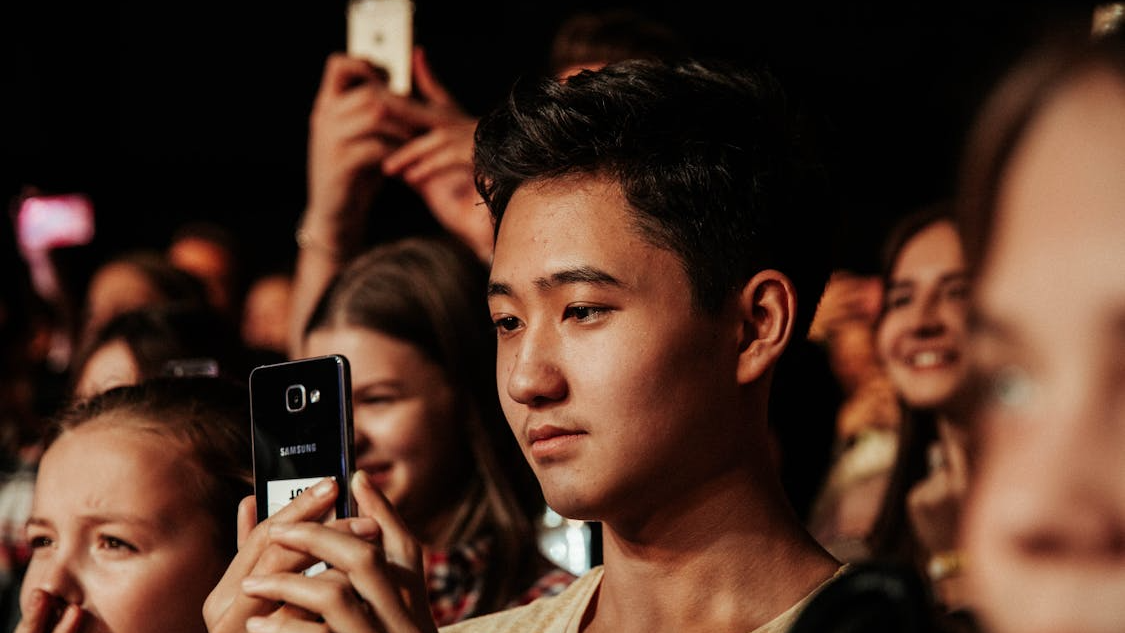
Writers are testing interactive newsletters, which change depending on the interests of readers. Such technology has the potential to make every fan feel that he is personally involved in the creative life of the writer.
Prototyping Product Labels
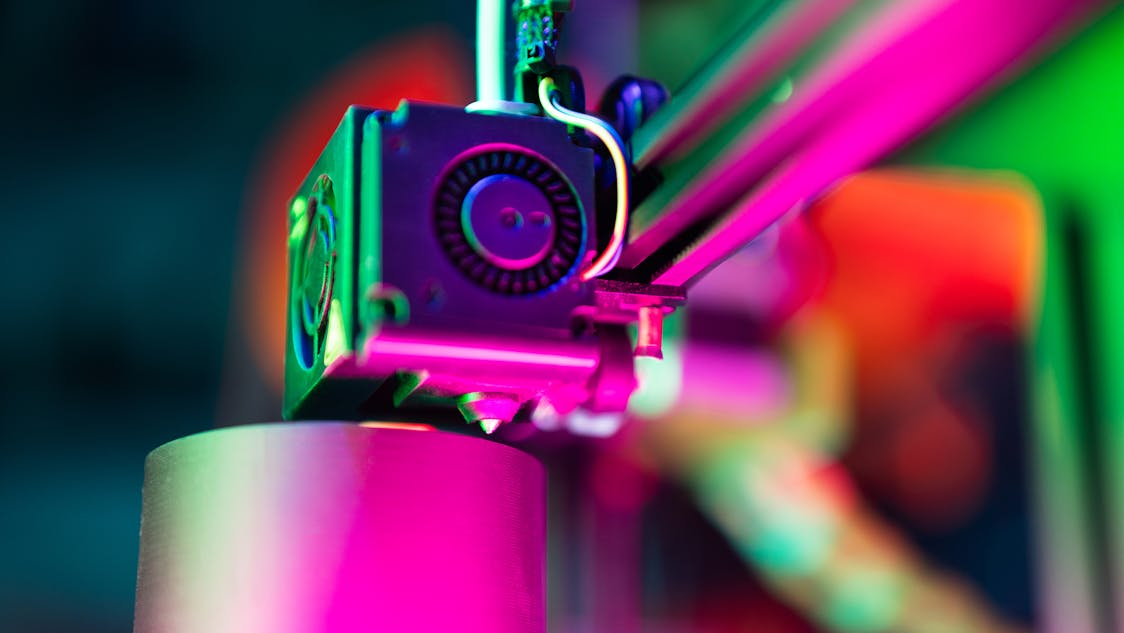
American entrepreneurs can visualize the appearance of their art on physical items with the help of AI. Such prototyping could reduce the entry cost of small creators to sell their own branded products and clothing.
