
The modern world depends on fast, reliable internet more than ever before. From streaming high-definition content to running global businesses, speed is no longer a luxury it is essential. Behind these incredible speeds lies a combination of advanced technologies working quietly in the background. Many users only see the result, not the innovation that makes it possible. Engineers and scientists continue to push boundaries, improving how data travels across continents in seconds. Understanding these hidden technologies offers insight into how the internet keeps evolving and what the future may hold for connectivity, efficiency, and digital experiences across homes and industries worldwide.
Fiber Optic Infrastructure

Fiber optic cables use light to transmit data at extremely high speeds. Unlike traditional copper wires, they minimize signal loss and handle vast amounts of information, making them the backbone of modern high-speed internet networks.
Advanced Data Compression

Data compression techniques reduce file sizes without compromising quality. This allows faster transmission and efficient bandwidth usage, ensuring smoother streaming, quicker downloads, and improved performance even during peak usage hours.
Edge Computing Systems

Edge computing processes data closer to the user instead of distant servers. This reduces latency significantly, improving speed for real-time applications like video calls, online gaming, and smart devices.
5G Network Technology

5G networks deliver faster speeds and lower latency compared to previous generations. By using higher frequency bands and advanced infrastructure, they support seamless connectivity for both personal and industrial applications.
Content Delivery Networks (CDNs)

CDNs store copies of content across multiple global servers. When users access data, it is delivered from the nearest location, reducing load times and ensuring consistent performance across different regions.
High-Capacity Routers and Switches
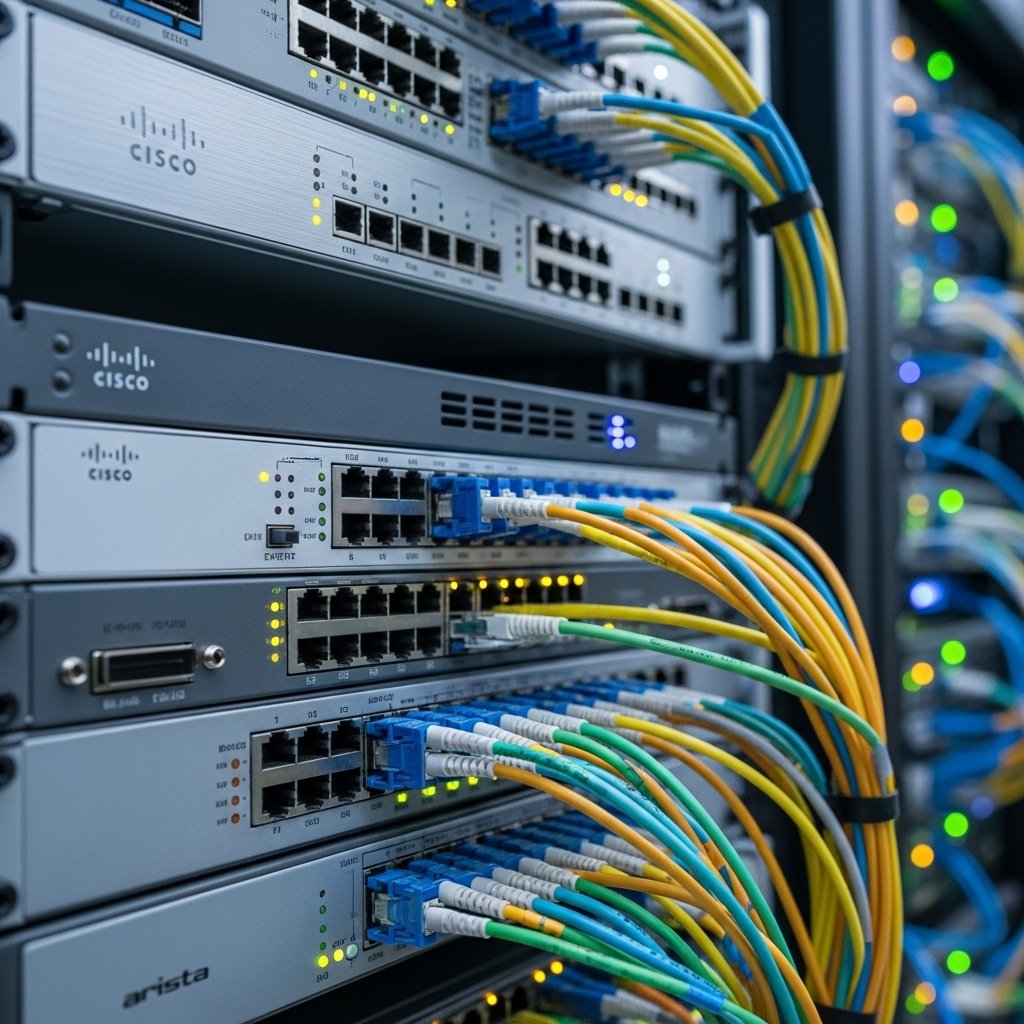
Modern routers and switches are designed to handle enormous data traffic efficiently. They direct information quickly and accurately, preventing bottlenecks and maintaining smooth internet performance.
Submarine Cable Networks

Undersea cables connect continents and carry most of the world’s internet traffic. These cables are engineered for durability and speed, enabling global communication with minimal delay.
Satellite Internet Advancements

New satellite systems operate in low Earth orbit, reducing latency compared to traditional satellites. This technology expands high-speed internet access to remote and underserved areas.
Artificial Intelligence in Network Management

AI helps monitor and optimize network performance in real time. It predicts congestion, manages traffic, and improves efficiency, ensuring stable and fast internet connections.
Spectrum Efficiency Improvements

Better use of wireless spectrum allows more data to be transmitted within limited bandwidth. This enhances speed and reliability, especially in densely populated areas with high network demand.
Network Virtualization

Virtualization separates hardware from software functions, allowing networks to adapt quickly. This flexibility improves scalability and ensures consistent speed even during sudden spikes in demand.
Smart Caching Techniques

Smart caching stores frequently accessed data locally. This reduces the need to fetch information repeatedly from distant servers, resulting in faster load times and improved user experience.
