
Artificial intelligence is steadily transforming higher education in ways that extend far beyond classrooms. From how students learn to how institutions operate, subtle shifts are redefining the traditional college model. Lectures, assessments, career preparation, and even campus interactions are evolving under the influence of intelligent systems. These changes are not always dramatic or visible, yet they are deeply impactful. Colleges are adapting to new expectations, while students are experiencing more personalized and flexible learning journeys. What once relied heavily on fixed structures is now becoming dynamic, data-driven, and responsive, signaling a quiet but meaningful transformation in education.
Personalized Learning Paths

AI enables tailored study plans by analyzing student performance and behavior. Courses adjust in difficulty and pace, helping learners grasp concepts more effectively without feeling overwhelmed or left behind in traditional, one-size-fits-all teaching environments.
Smart Academic Advising
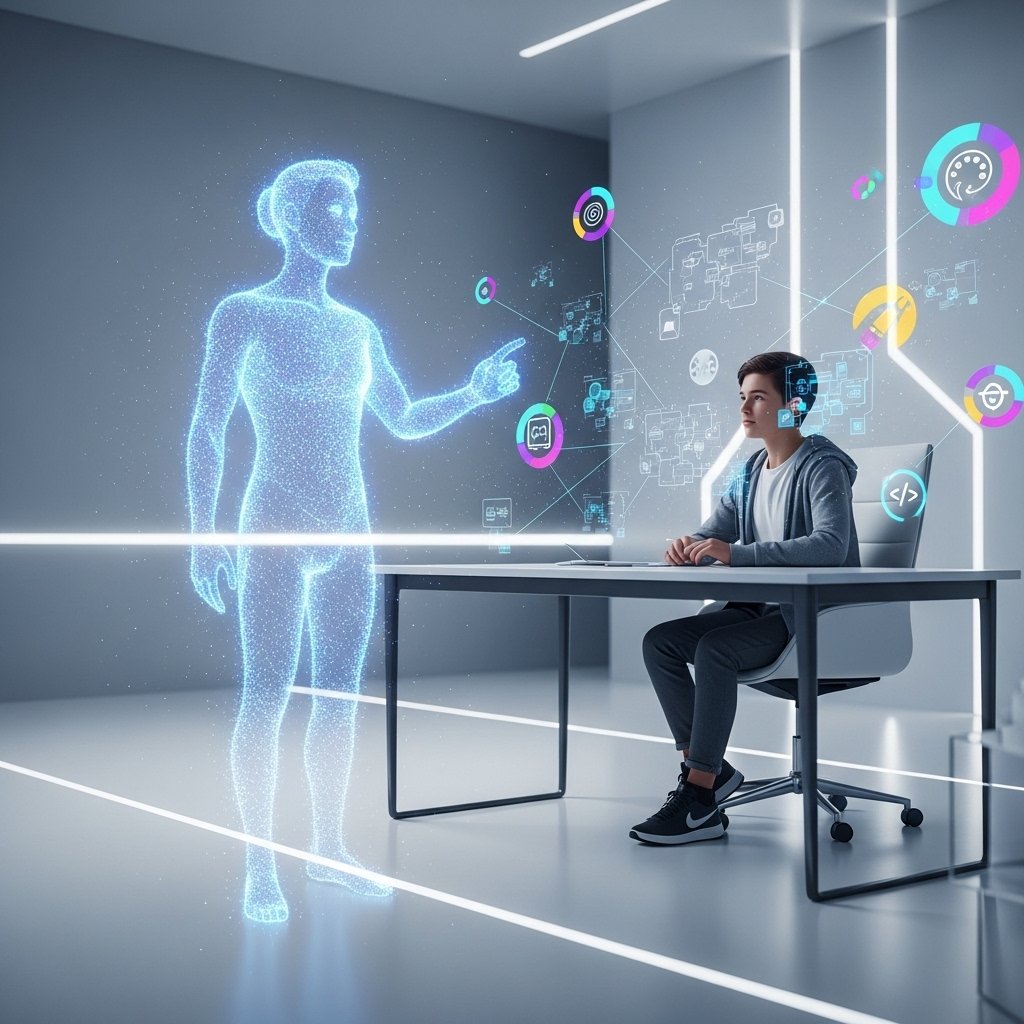
Virtual advisors powered by AI guide students in course selection, career planning, and academic decisions. These systems use data patterns to recommend pathways that align with individual strengths and long-term goals, reducing confusion and uncertainty.
Automated Administrative Tasks

Colleges are using AI to handle repetitive processes like admissions screening, scheduling, and record management. This reduces workload for staff, allowing institutions to focus more on student engagement and improving overall academic support systems.
Enhanced Classroom Engagement

AI-driven tools make lectures interactive through real-time quizzes, feedback, and adaptive content delivery. Students stay more engaged, while instructors gain immediate insights into comprehension levels, enabling them to adjust teaching strategies effectively.
Intelligent Tutoring Systems

AI tutors provide instant help outside classroom hours, explaining concepts and answering questions. These systems offer consistent support, ensuring students have access to learning assistance whenever needed, regardless of time or location.
Data-Driven Decision Making

Institutions rely on AI analytics to understand student behavior, retention risks, and performance trends. This helps colleges make informed decisions about curriculum design, resource allocation, and policies that improve student success outcomes.
Flexible Learning Formats

AI supports hybrid and online learning models, making education more accessible. Students can learn at their own pace and revisit materials anytime, creating a balance between academic commitments and personal responsibilities.
Skill-Based Curriculum Evolution
AI insights help colleges update courses to match industry needs. Programs are shifting toward practical, skill-based learning, ensuring graduates are better prepared for modern workplaces and evolving job requirements.
Automated Assessment Systems
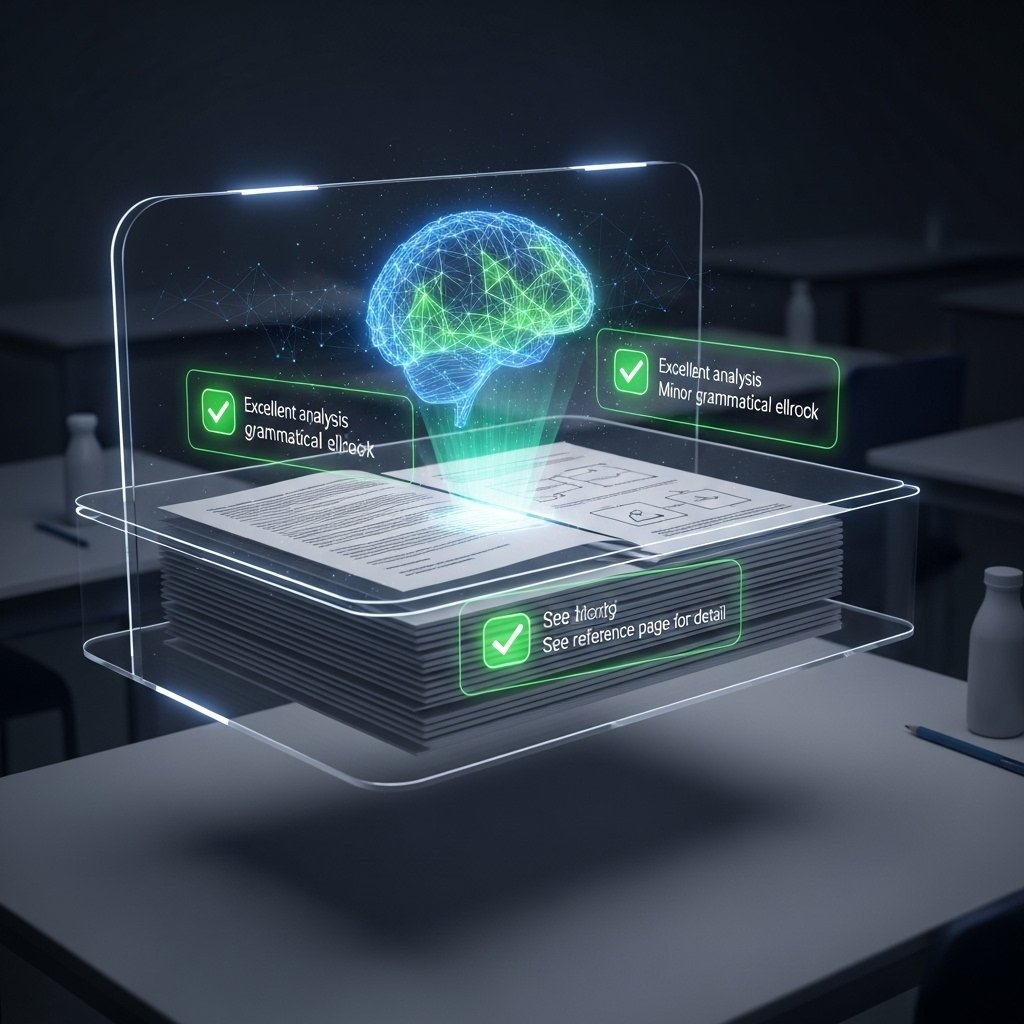
AI tools streamline grading by evaluating assignments and providing feedback quickly. This allows instructors to focus on mentoring while students benefit from faster responses that help them improve continuously.
Improved Accessibility

AI enhances inclusivity through speech-to-text, language translation, and adaptive interfaces. Students with different learning needs can access education more easily, making college environments more supportive and equitable.
Career Preparation Support

AI platforms analyze job trends and recommend skills, internships, and career paths. Students receive guidance aligned with market demands, helping them transition more smoothly from academic life to professional careers.
Campus Experience Optimization
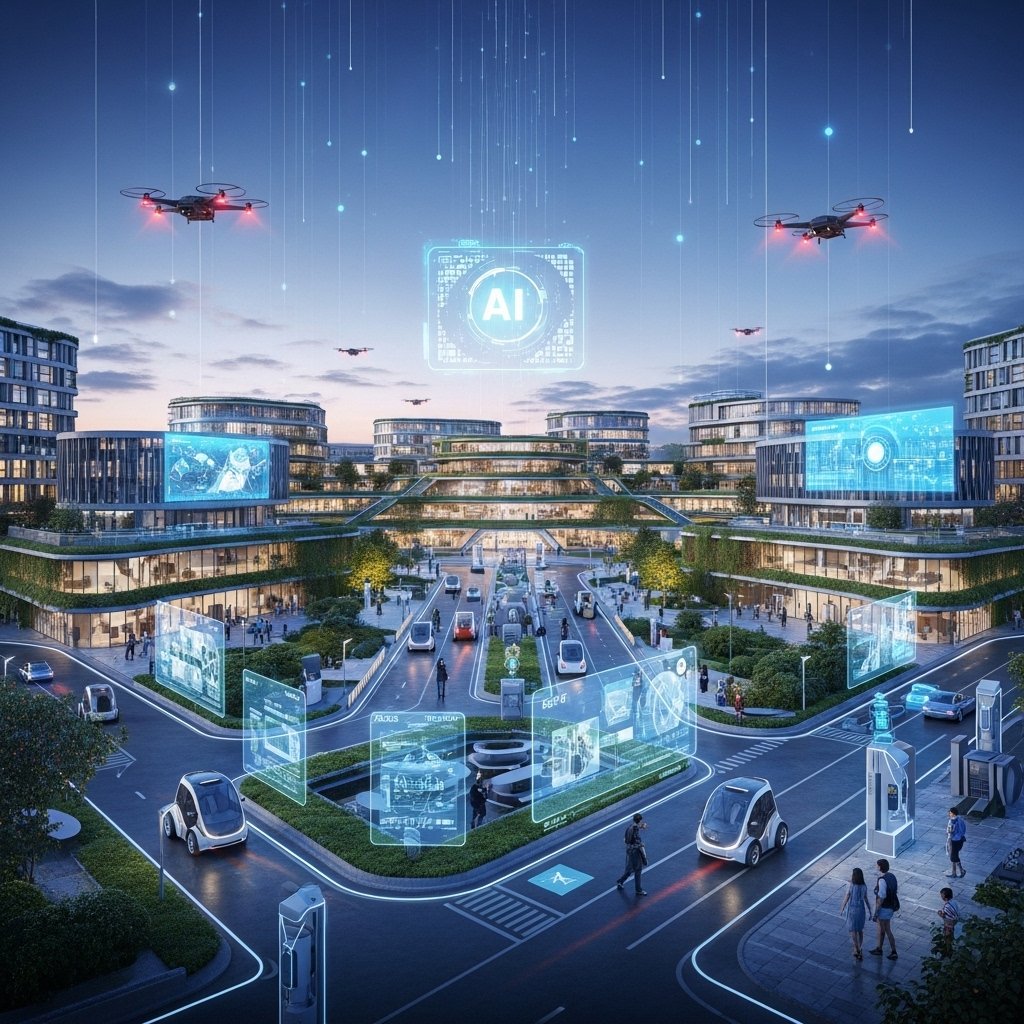
AI helps manage campus services such as housing, transportation, and facility usage. This creates a more efficient and convenient environment where students can focus on learning rather than logistical challenges.
Ethical and Learning Balance

Colleges are increasingly focusing on teaching responsible AI use. Students learn to balance technology with critical thinking, ensuring they develop independent problem-solving skills alongside digital proficiency in an evolving academic landscape.
