
Most Android smartphones are pre-loaded with applications that the users never requested and hardly access. These applications, also known as bloatware, may occupy a storage space, use system resources and even be run in the background without the user even ever realizing it. Although not all of these applications are entirely unremovable, it is possible to disable most of them or even uninstall them. Unnecessary apps can be removed to enhance the performance of the device, increase battery life, and make the user experience look cleaner and more personalized. Learning about the management of bloatware is a step in the right direction as far as the optimization of your smartphone is concerned, and its successful operation in accordance with your needs and preferences.
What Is Bloatware and Why it exists

Bloatware is defined as applications that are installed by default or the manufacturers or carriers or software manufacturers. Such applications can contain duplicate applications, promotion tools or utility tools. Although there are those that are useful, most of them are not necessary to ordinary users.
Removing or Disabling Bloatware: Why
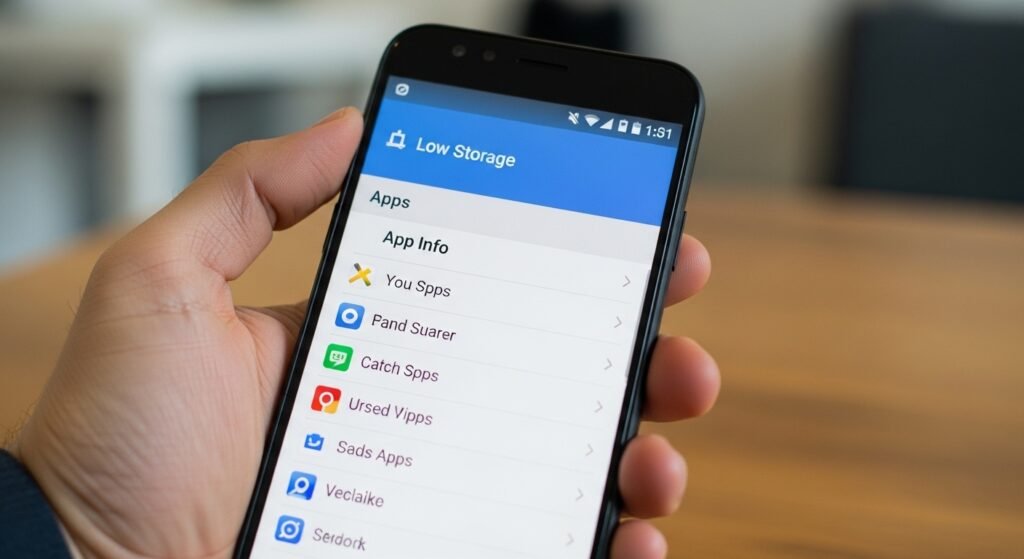
Apps that are not used will slow down your phone, take up useful space and reduce the battery life by running in the background. Eradication may enhance the general performance and place you in better control of your device.
Check Which Apps You can delete
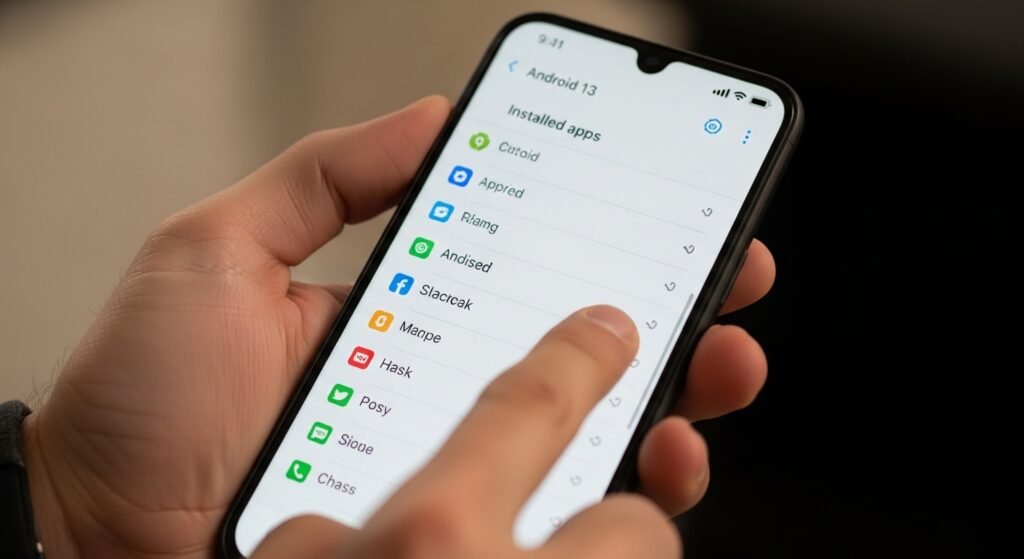
The first step is to check the settings of your phone and look through all the applications that are installed. There will be apps where you can press the uninstall button, and some which have the only option of disabling the applications.
Uninstalling Apps Directly

In the case of removable apps, tap and hold the app icon and then you can choose to uninstall it, or you can open the settings and choose apps and uninstall them. This will entirely erase the application in your phone.
There is a possibility of Disabling Pre-Installed apps
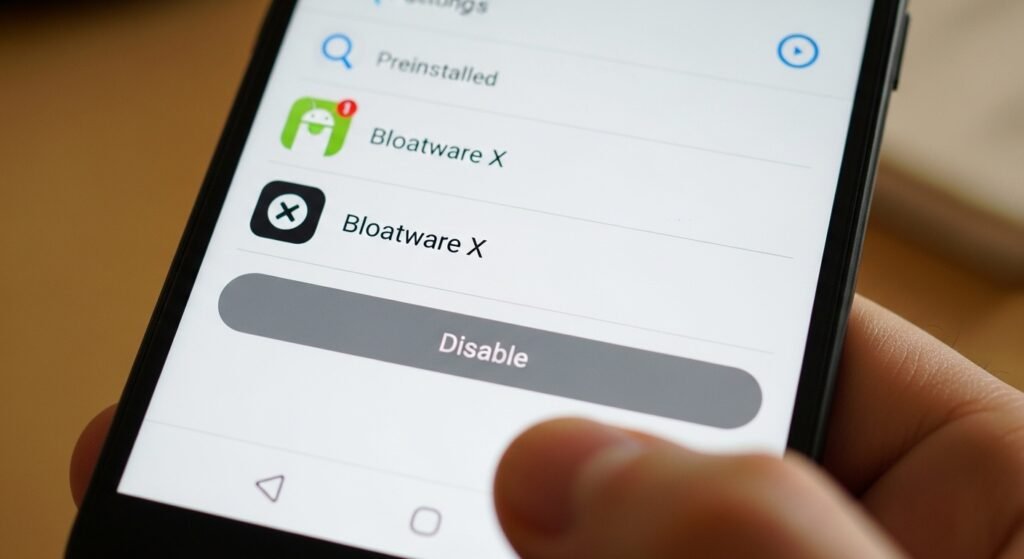
When you cannot remove any app, then you can disable it. This prevents the running of the same, removes it off the app drawer and prevents the activity in the background.
Clearing App Data and Cache
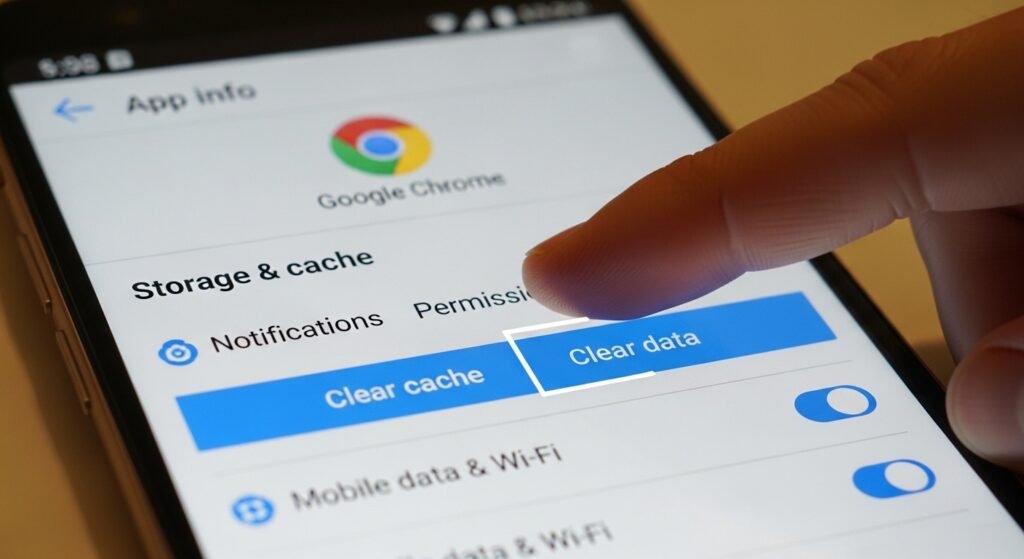
The data and the cache can then be cleared before disabling or after un-installing apps to free up more storage space and enhance performance.
Built-In storage management tools are used
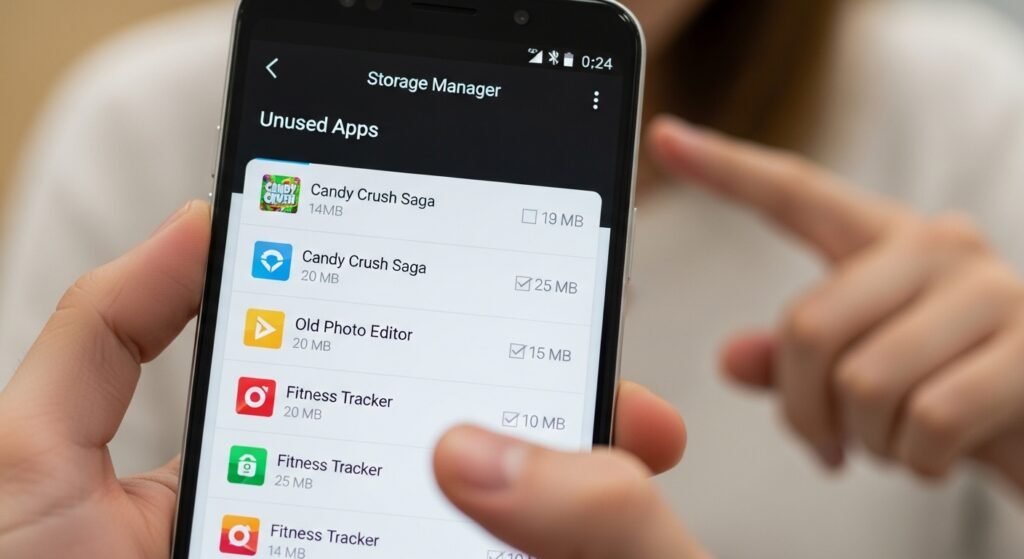
Android devices also have a lot of storage or device management options that detect applications that are not used and suggest deleting them. All this is easier with these tools to clean up your phone.
Removal with Advanced Development

To be even more controlling, more advanced users can turn on developer options and access such tools as ADB (Android Debug Bridge) to uninstall some of the apps included in the system. This technique is sensitive and needs only simple skills in technology.
Seeing Unnecessary Apps? Do Not Install It in Future

Being careful with which apps you download is a way of ensuring that you do not see clutter accumulating once more. Install only those apps which you really need or use frequently.
Store Critical System Applications Unchanged
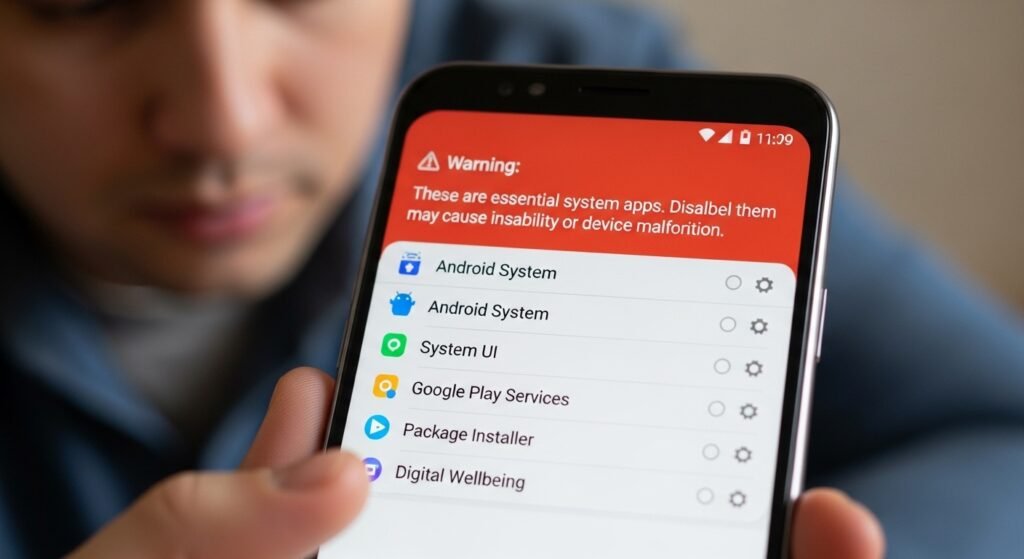
Although it is worthy of eliminating bloatware, it is necessary not to destroy important system applications without which your gadget cannot operate correctly.
