
The field of artificial intelligence is no longer confined to mere dialogue, but is taking a new direction in digital assistance. Although chatbots have assisted the user in responding to questions and creating content over time, AI agents are equipped to act, accomplish tasks, and work more autonomously. Firms like OpenAI, Google, and Microsoft are fast building tools that are transforming AI into an active assistant, rather than a reactive one. The transition is one of the most dramatic shifts in the way people will relate with technology in 2026.
Chatbots Conversation-oriented
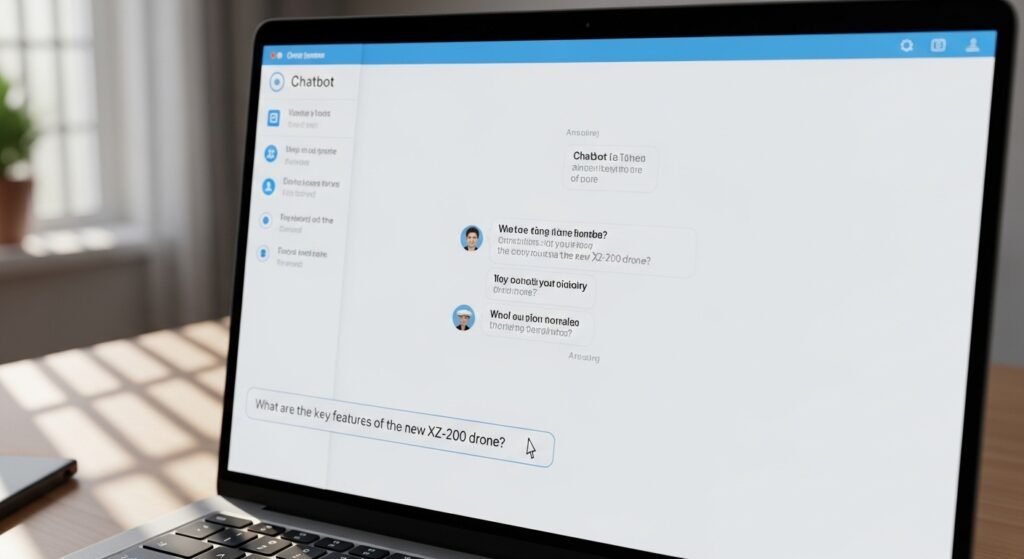
They provide answers, clarify issues or assist in text and idea generation. The users should take control of each interaction process. Chatbots tend to cease operations as soon as the conversation is over, although they can be powerful in terms of information and creativity.
AI Agents are Programmed to act
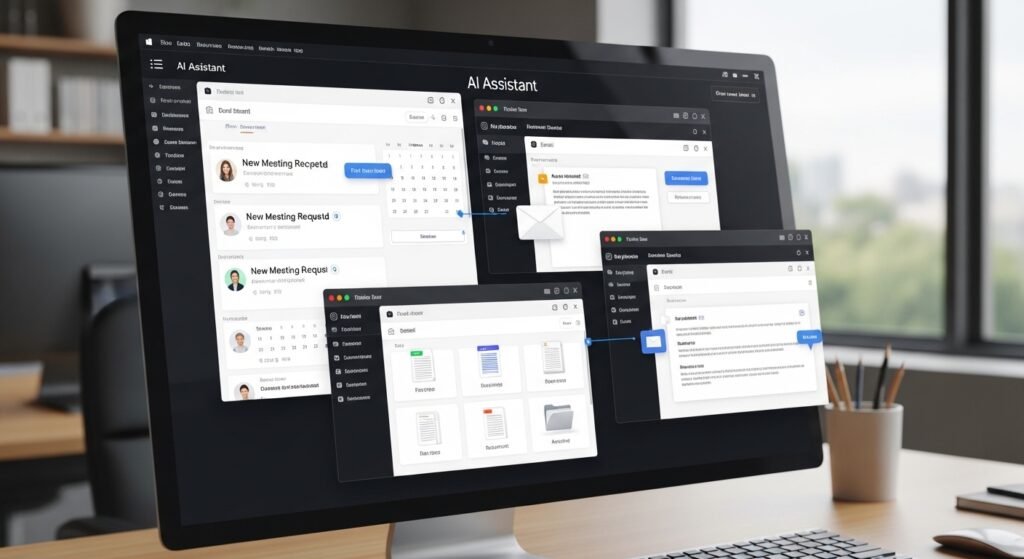
AI agents even go to the extent of doing multi-step tasks in place of their users. They do not have to provide the only ideas of what to do; they can plan schedules, do some research or make workflow automatic.
The Memory and Context Improve at a high rate
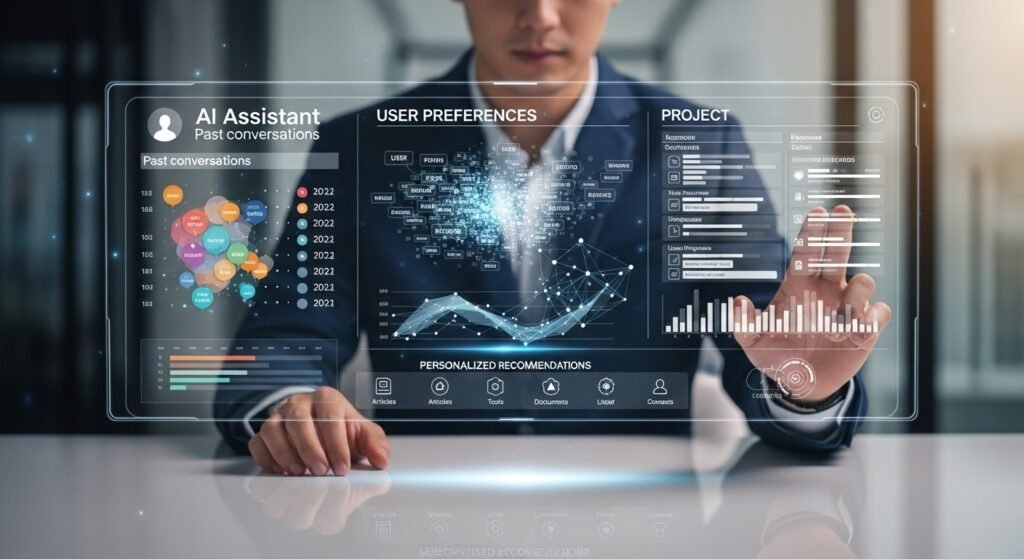
Contrary to the previous chatbots that have short memory, AI agents are being developed with longer memory. They are able to recall likes, previous orders and current projects.
Automation Is Becoming the New Core Feature
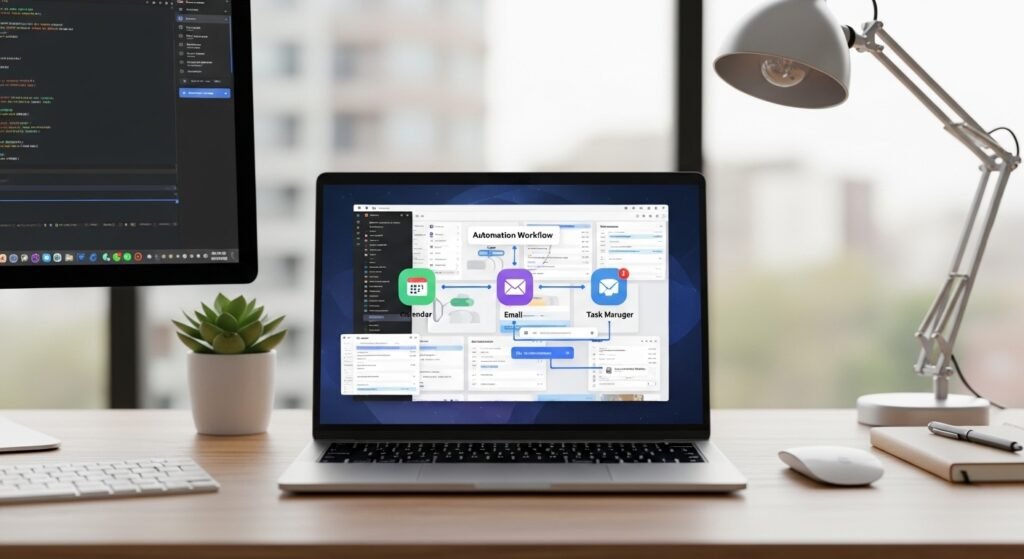
The distinction between chatbots and agents in 2026 is through automation. AI agents are able to integrate with applications, timetables and productivity applications to execute actual tasks.
Decision Support Is Smartening Up

Before they recommend actions, AI agents consider numerous sources. They are able to compare alternatives, identify risks and advise on the way forward. They do not present raw information as they give structured guidance.
Security and Management Are a Big Issue
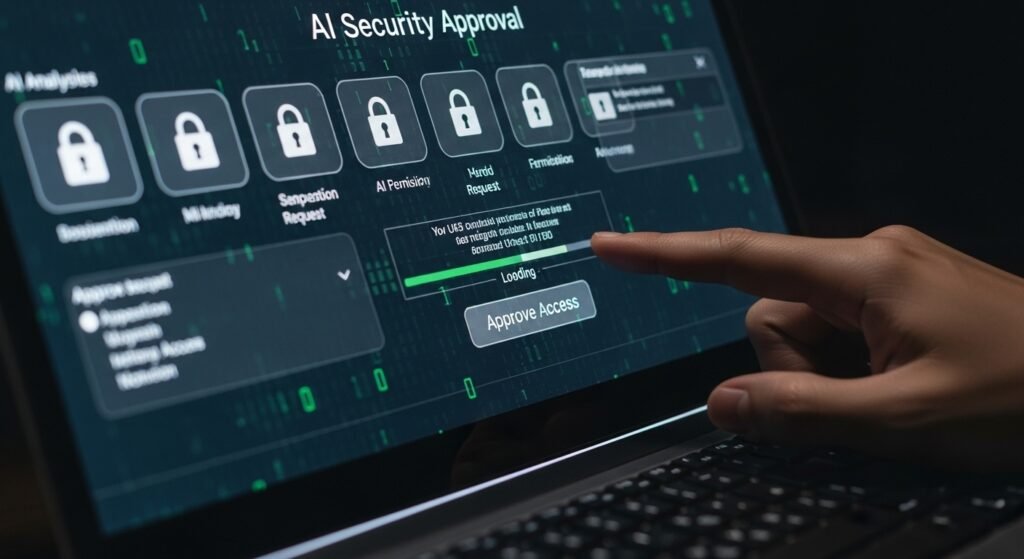
With AI having greater autonomy, firms are paying a lot of attention to protection. Before actions are done, users require distinct approval systems. Developers are constructing boundaries to curb the unplanned consequences.
First There is a Change in workplaces

Businesses are implementing AI agents at a more rapid pace than the common people. They are used by teams to manage emails, summarize meetings and track projects. The day-to-day administrative tasks are slowly being reduced.
Chatbots Are Not Fading Away

Chatbots remain relevant even despite the emergence of the agents. Many users are fond of basic question and answer type of interaction in order to get quick help. Chatbots are still quicker in simple tasks.
Personal Technology Is Stopping to Be Reactive
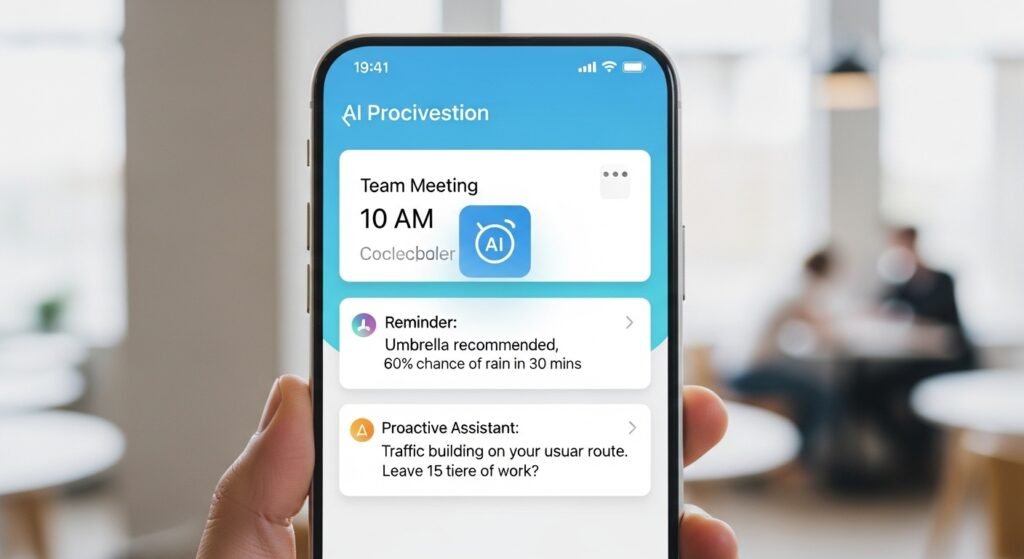
AI is not waiting to be commanded anymore, instead, it is anticipating needs. Agents can imply reminders, plan, arrange information before the user’s request.
The Year 2026 is the Start of Autonomous Assistance

The transition to AI agents means a wider development of artificial intelligence. The gap between requesting assistance and automatically having it done is going to become narrower with the increase in adoption.
