
Good family relationships are built by experience with each other, free communication, and constant availability. Connection can easily be substituted by schedules, screens and routine in busy households. But the kind of meaningful relationships that people create are during small and repeated moments of attention and care. Quality time does not involve elaborate plans, it is a product of being involved with, listening and being involved in each other’s lives. The trust is established as a natural response when members of the family feel important and comprehensible. These effective practices assist the family to foster a favorable home to which all its members feel linked, respected and emotionally well but also fortify relationships in day-to-day life in enduring and significant manners.
Make Houses Device-Free

This promotes eye contact and face to face conversations and not interruptions. This becomes a normal practice and not a rule with consistency. Such instances eventually enhance emotional attachment and attention span.
Arrange Periodic Family Visits

An open and healthy communication is maintained via a weekly discussion on feelings, plans, and concerns. Formal yet informal negotiations create emotional security in the home. Children particularly feel free knowing that their views are valuable.
Plan Simple Shared Activities
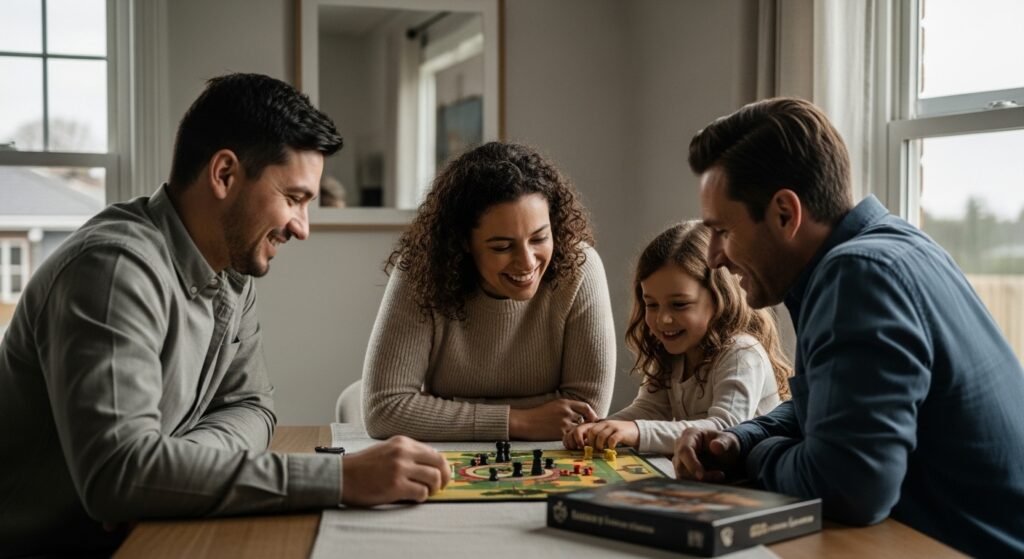
Lingering memories are formed by playing board games, cooking, walking, or watching movies. It does not really matter what one does; it is who is there with one another. Family traditions provide families with something to anticipate on an occasion.
Practice Active Listening

Distractors should be set aside and give complete attention when the other person is speaking. Reflect and think over what you are hearing to demonstrate that you are listening. Hearing makes one feel that they are being listened to, which enhances trust and respect in the family.
Have at least a meal with each other each day

There is the natural time to chat and connect with each other over shared meals. Even meetings held in short periods serve to keep contact with routine. Frequent sharing of meals fosters intimacy. Such a trivial routine helps in emotional safety.
Celebrate Small Milestones

The rewarding of the successes, whether big or small, supports encouragement and positivity. It does not require luxurious celebrations to be significant. A word of encouragement or mutual passion can do a lot of good.
Encourage Shared Goals

Teams are formed through working towards a common objective. Cooperation develops when one plans a trip, begins a garden, or learns some skill. Collective goals instill respect and tolerance. Families get to know how to encourage each other. To accomplish something as a team is more satisfying.
Appreciate Personal Diversity

Good relationships do not have to have the same interest and personalities. Favoring the interest of every individual creates mutual respect. It makes the family members feel that they are appreciated. The differences would be learning opportunities.
Laugh Together Often

Comedy alleviates the tension and creates warmth in a relationship. Inside jokes bring about mutual memory and a feeling of inclusion. Laughter elevates the mood and decreases tension. Family life is made fun through playful moments.
Show Appreciation Daily

Showing appreciation to daily efforts develops positivity. Minor rewards ensure that one does not feel ignored. Emotional security is enhanced through appreciation. Complimentary remarks add to supportive behavior.
Be There in the Moment of Things

This is demonstrated by presence at events and milestones. Presence expresses the priority of family. The presence of it develops trust and emotional safety. Children particularly cannot forget who came. Love and care is enhanced by physical presence.
Model Patience and Kindness

Family members tend to reflect the behavior they observe. Showing self control in conflict teaches how to control emotions. Benevolence creates a respectful house culture. Patience promotes tolerance and sympathy.
