
Smartphones gather information without user knowledge to sustain their applications and platform operation. Users typically accept the data collection used for common functions but they find some monitoring to be more than necessary. People gain enhanced power over their digital environment through the implementation of specific minimal changes. The basic actions people take during these steps create awareness about their actions while allowing them to choose between different options which helps them use their phones according to their preferences.
Review App Permissions

Apps often request access during setup. Regular permission checks enable businesses to match employee access rights with their actual work activities. Users should permit only necessary functions which enable the app to perform its main tasks.
Limit Location Access

Most applications do not require continuous access to user location information. By changing access settings to “when using the app” users can decrease background location sharing while maintaining necessary access for their functions.
Turn Off Ad Personalization
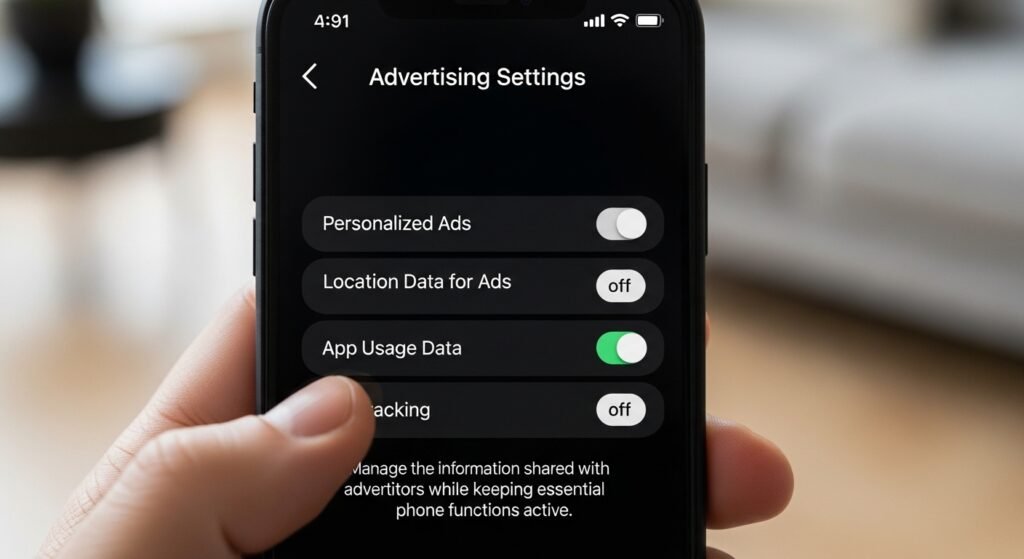
Users can control their ad customization through the advertising settings available on their mobile devices. The data-sharing reduction process starts from these settings because they limit the information shared for advertising but keep phone functions active.
Check App Tracking Settings
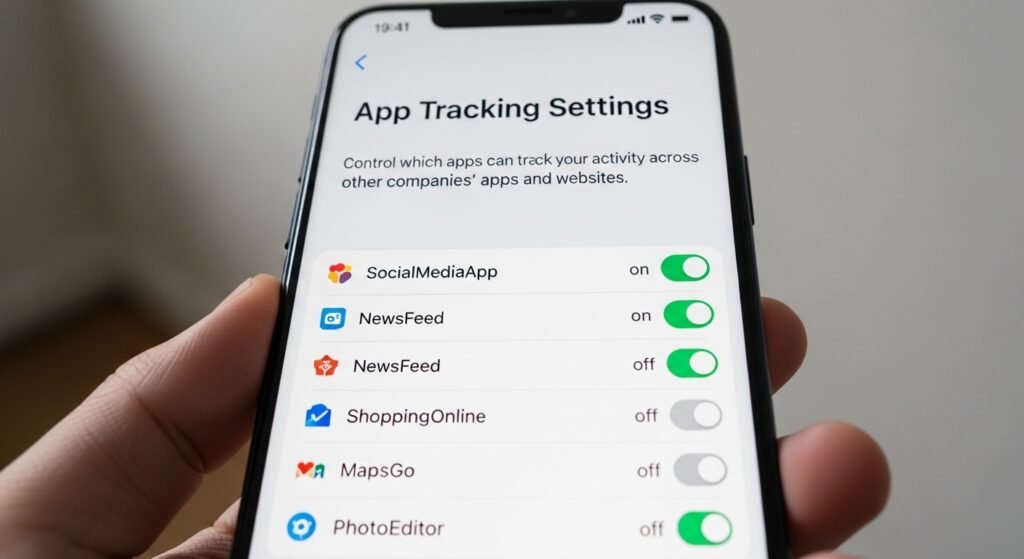
Some smartphones provide users with the ability to control app tracking functions. Users can select which applications they want to monitor their online activities through these settings.
Use Privacy-Focused Browsers
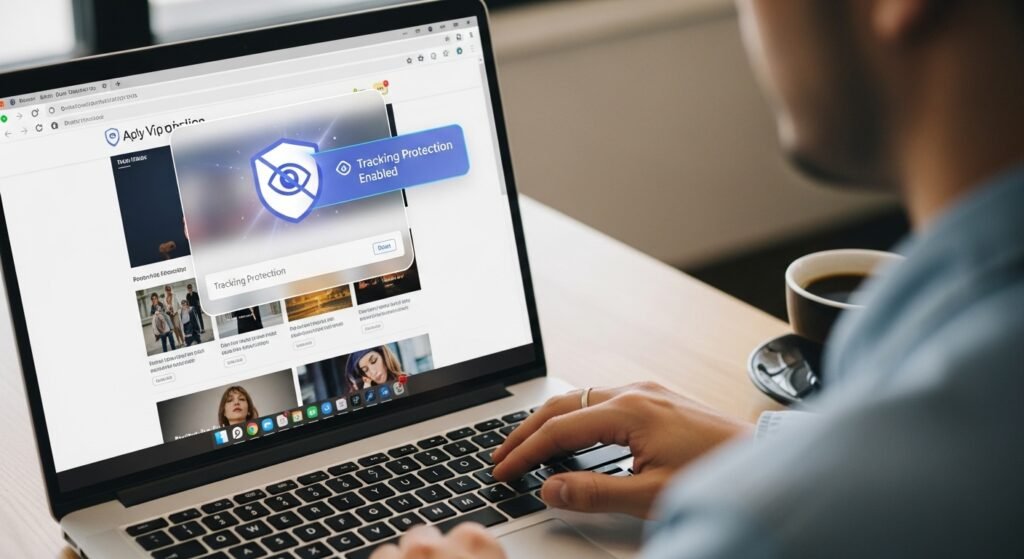
Browsers with built-in tracking protection reduce third-party tracking during web use. Users can maintain their current browsing routines while this feature provides them additional privacy protection.
Disable Background App Refresh
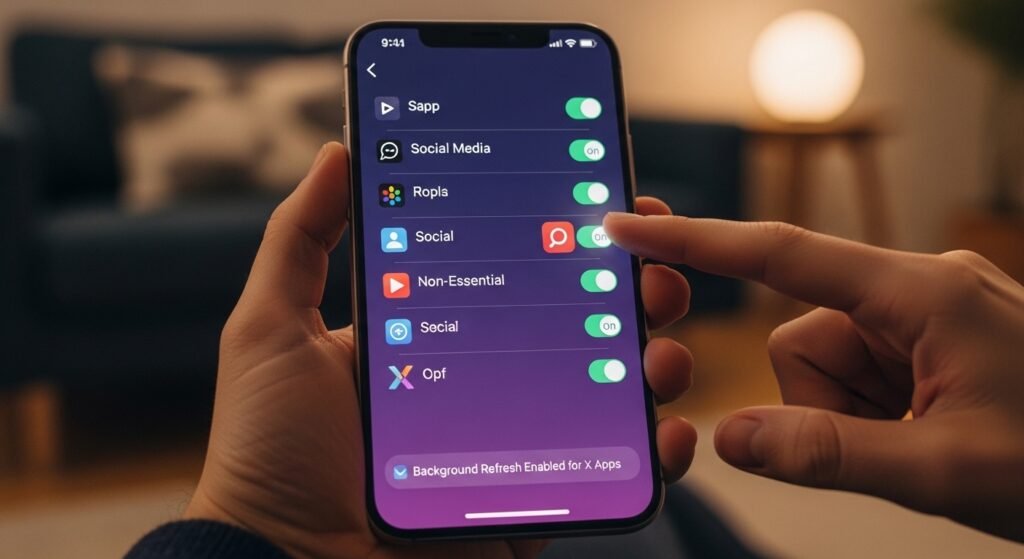
Background refresh enables applications to conduct silent updates. Users can disable this feature on non-essential applications to decrease hidden background processes which helps them use their phone more purposefully.
Keep Software Updated
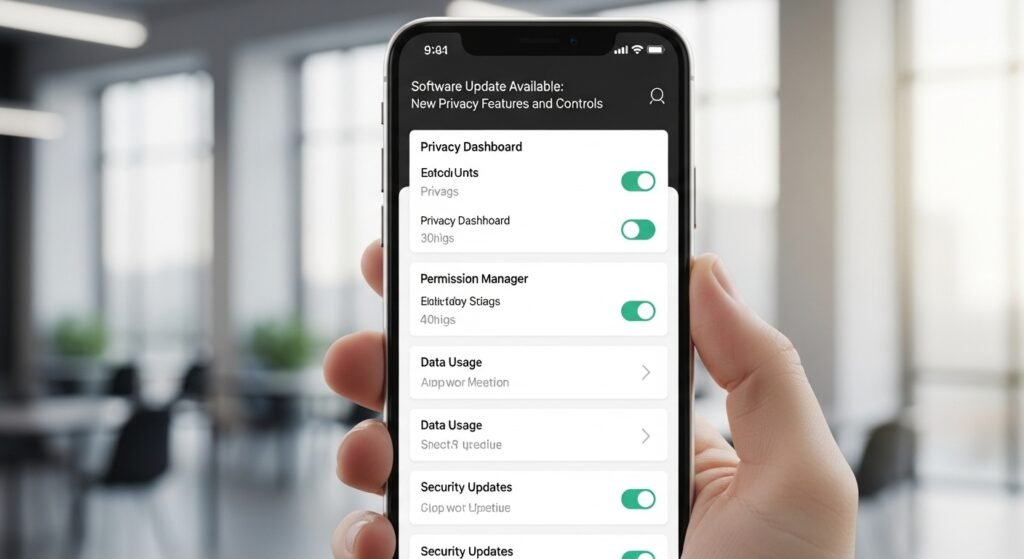
Privacy features and transparent configuration options become accessible through software updates. The latest data management options and permission controls become available to users who maintain their system software up to date.
Review Connected Accounts
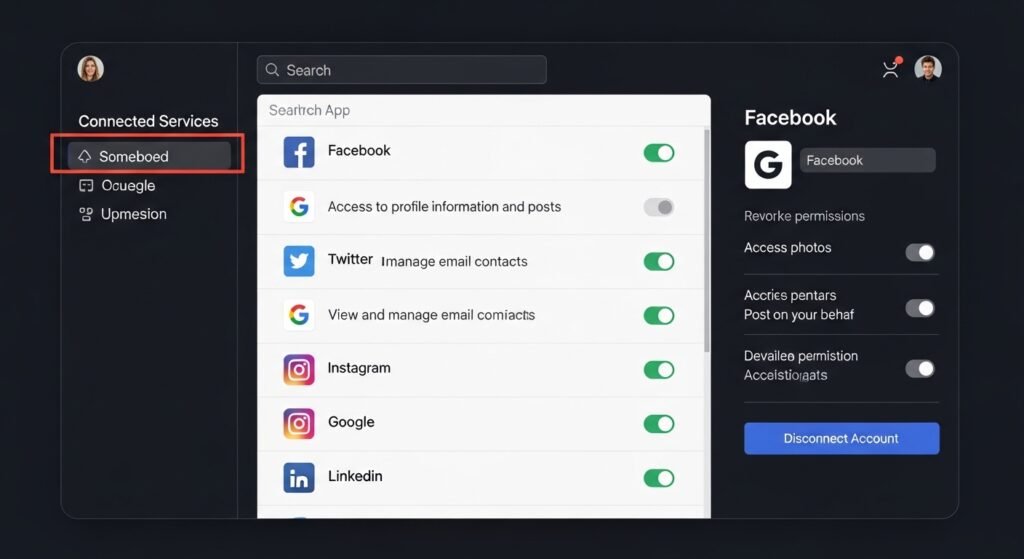
The process of reviewing connected services enables users to maintain their account connections in a clear and organized manner. Social media and email accounts connect to apps which share user information between them. The process of checking linked services allows users to monitor their account connections.
Do Regular Privacy Check-Ins
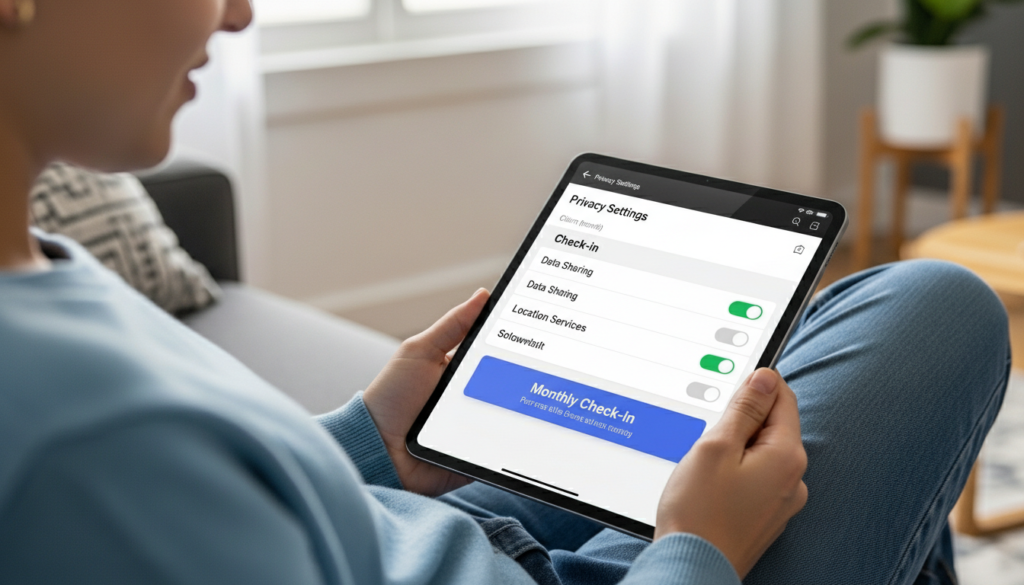
The process of checking privacy settings once per month enables users to maintain their current privacy settings throughout their daily activities. The process of conducting brief check-ins enables people to maintain their comfort level while keeping their understanding of situations intact.
