
Extremely organised individuals do not have inborn abilities. They develop clarity with little and consistent decisions. Their lives appear to be less stressful as they clear of habits that cause stress silently. They appreciate time, space and mental resources. To them, organisation is not about perfection and is more about purpose. They focus on the important and move beyond the unimportant. This habit applies to everyday life, work routines and personal spaces. Through observing what the organised people do not want, one can more easily comprehend how order can be maintained without strains. The patterns are viable and down to earth. They can be used by anybody with uniformity and consciousness.
Keeping Unclear Priorities

Very well-organised individuals never begin their day with no sense of direction. They establish priorities at an early stage. This eliminates fragmented effort. Clarity enables them to accomplish purposeful work and not respond to all the demands.
Holding Onto Unnecessary Items

They do not hold onto things aimlessly. Clutter is perceived to be a delayed decision-making. They release frequently, which keeps their functional areas easy, mobile, and clear of thought.
Delaying Simple Decisions

Minor decisions are dealt with fast. They do not put off simple decisions. Such a habit helps to lighten the mental load and avoid the fact that minor tasks become sources of constant distraction.
Relying on Memory Alone
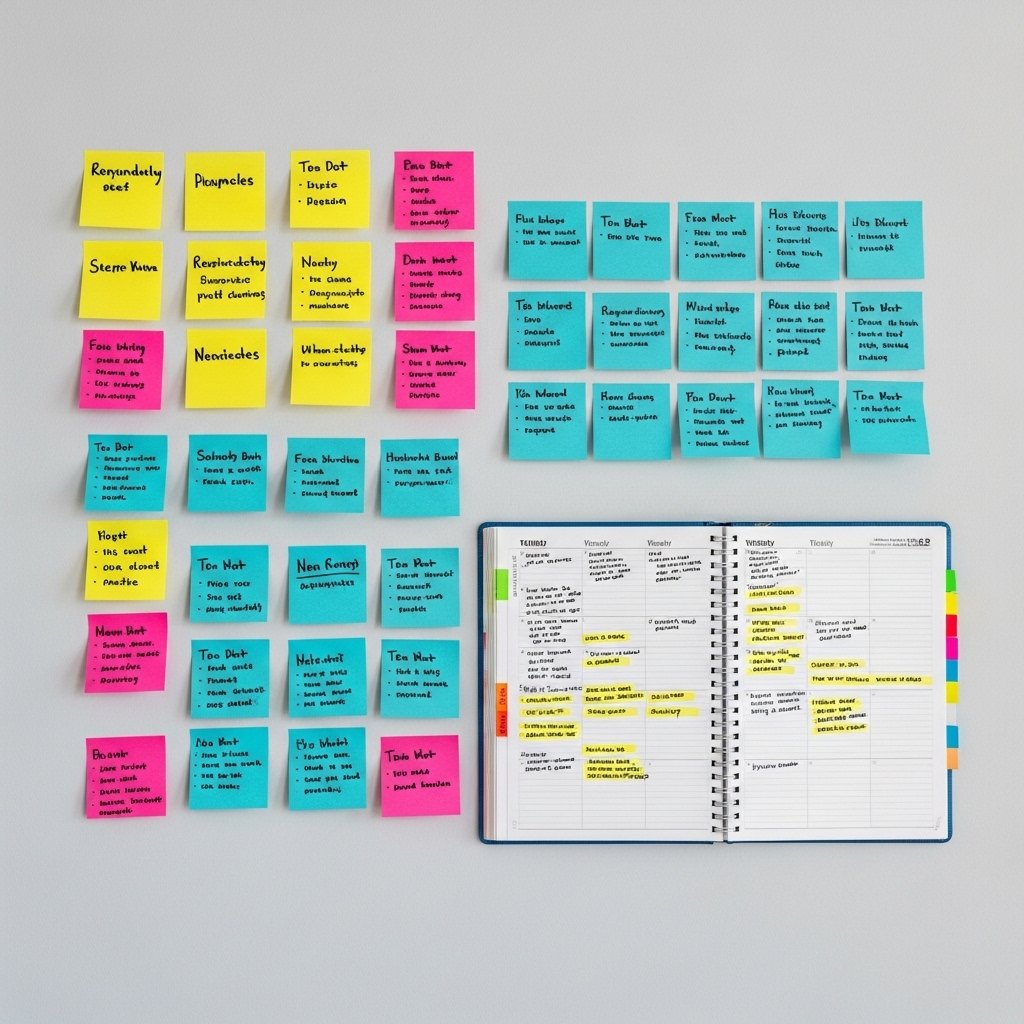
They do not rely on their memory on crucial information. There is a regular use of notes, lists, and reminders. The external systems shield them against stress and assist in keeping information available.
Overcommitting Their Time

Very well organised individuals say no where necessary. They do not just fill schedules aimlessly. Time is considered to be scarce and therefore obligations are selected with caution and revisited frequently.
Ignoring Daily Routines

They are not relying on motivation. There are basic routines that govern behaviors. The repetition provides order and the progress is consistent even during the busy or low energy days.
Mixing Everything

They do not put irrelevant things in one area. Clear categories are taken care of. This saves time in searching as well as makes systems easy to manage overtime.
Leaving Tasks Half Finished

Unfinished projects are not disregarded. They either complete them or book them. The practice will help avoid stress that lingers and leave focus on existing priorities.
Working Without Breaks

People who are organised are not pushers, highly. They plan pauses. Breaks help in guarding concentration, avoid mistakes and help in ensuring that productivity remains constant throughout the day.
Skipping Regular Reviews

They do not suppose systems are going to be everlasting. It is reviewed monthly or on a weekly basis. This aids in determining what works, what must be changed and what is eligible of elimination.
