
We’ve all had to deal with it: a long day’s work, and your phone has sounded an alert that reads “Potential Spam.” The Federal Communications Commission (FCC) January 2018 data reveals Americans have almost four billion robocalls monthly this year. The feeling is of an endless war, but knowing about the change in digital data brokering and telecom routing can help you understand why your personal number is still being targeted.
Your Number Is on a Public Site

Data brokers may obtain data from public records or social media, creating large datasets. If your contact info is readily available on the web, then chances are that it was indexed by automated programs long ago.
Companies Sell Your Customer Data
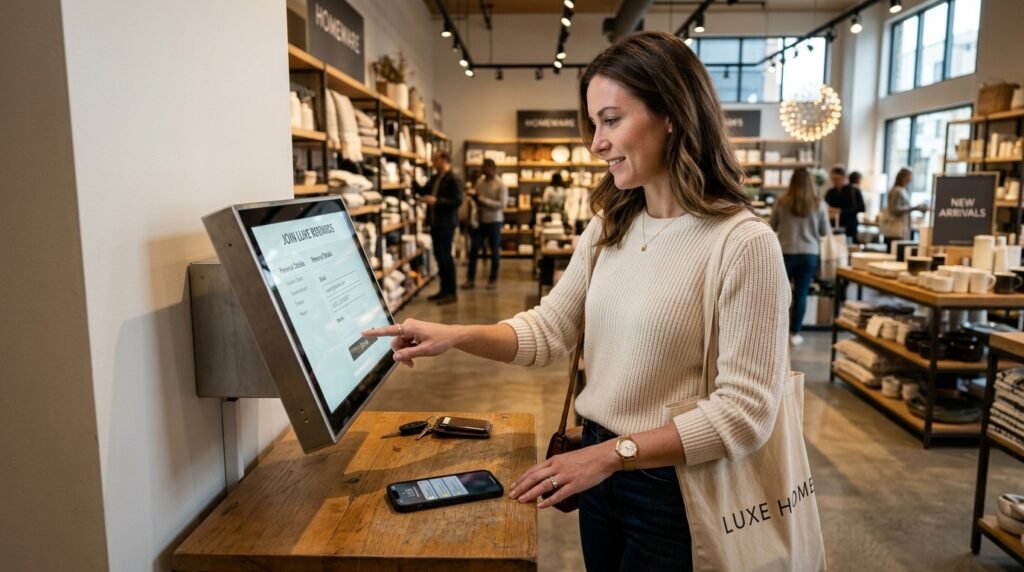
When you sign up for rewards programs, some companies might share your contact details with third-party marketers. This data exchange could potentially be why your phone starts ringing shortly after a purchase.
You Answered a Random Call

If a spam call is picked up, it can help to alert an automated system to an active line. If a voice is detected, scammers may indicate your number to be a high-value target.
Interactive Voice Response Triggers
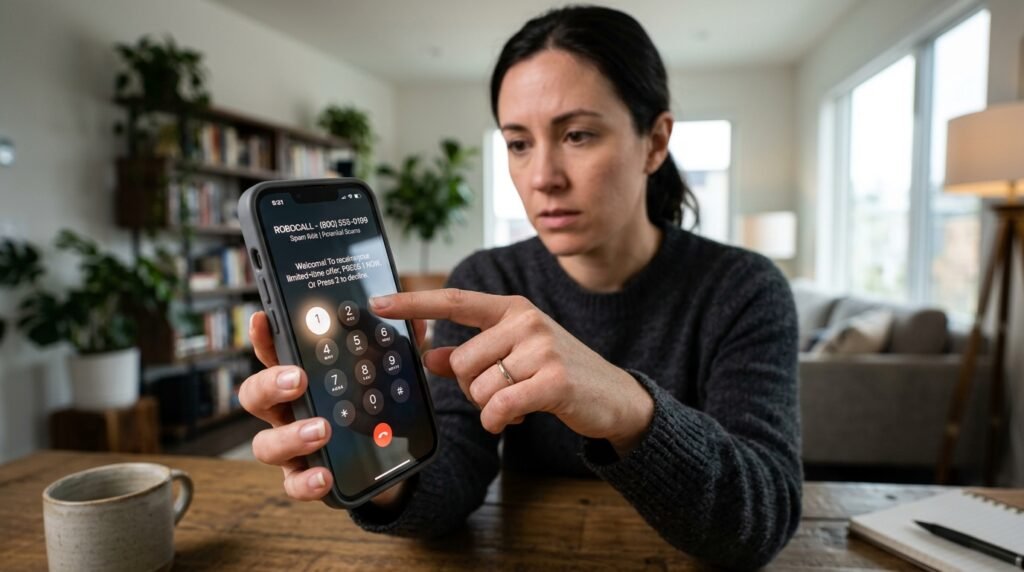
Scammers often use “press one” prompts to filter for live participants. Engaging with these menus might confirm your willingness to interact, potentially leading to an increase in the frequency of future attempts.
Data Breaches Exposed Your Info

Large-scale security lapses at major corporations often land personal phone numbers on the dark web. Identity theft experts suggest these leaked lists are frequently traded among groups that specialize in mass robocalling.
Your Social Media Is Public
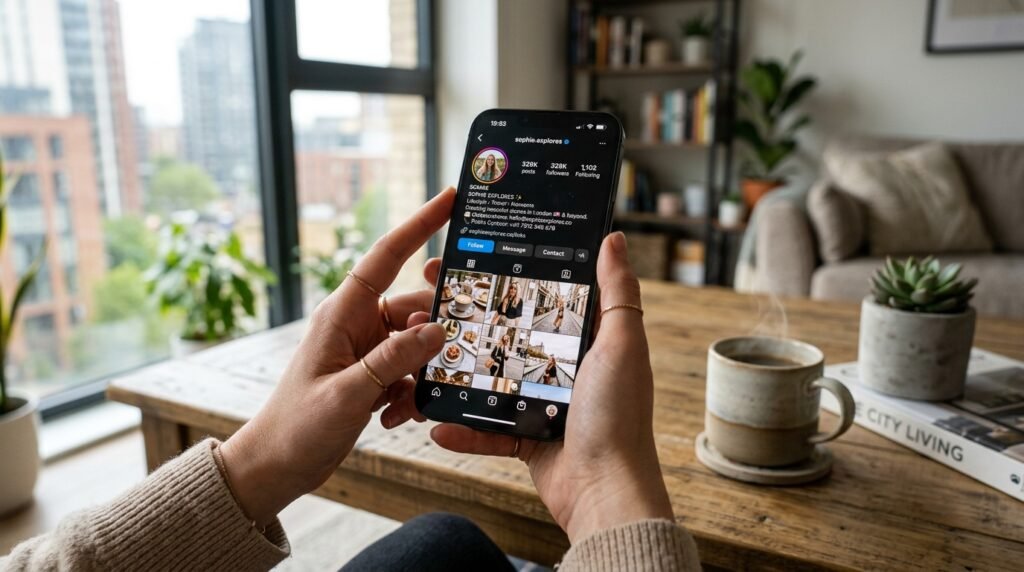
Platforms often display contact buttons or bio information that bots can easily read. Keeping your profile settings open might be a primary way for dialers to find and verify your identity.
Accepting Terms Without Reading

There are many applications that need to be able to access your contacts or personal information to carry out their operations. By clicking “agree” too quickly, you might be giving a developer permission to share your phone number with advertising partners.
Legitimate Business Lead Forms

When you fill out an online quote for an insurance company or moving company, they usually call you right away. It’s possible that a lot of these lead generation sites are selling your inquiry to several other vendors, hence the sudden influx.
Your Phone Number Is Old

The longer you have owned a specific number, the more databases it is likely to inhabit. Over the years, your digits may have been sold, traded, or leaked through dozens of different digital platforms.
Neighbor Spoofing Tactics Work

But it’s common for scammers to use local area codes to bait a response. This psychological move is still an effective way to check active lines, as people are more likely to answer calls from local numbers.
Regulatory Loopholes Exist
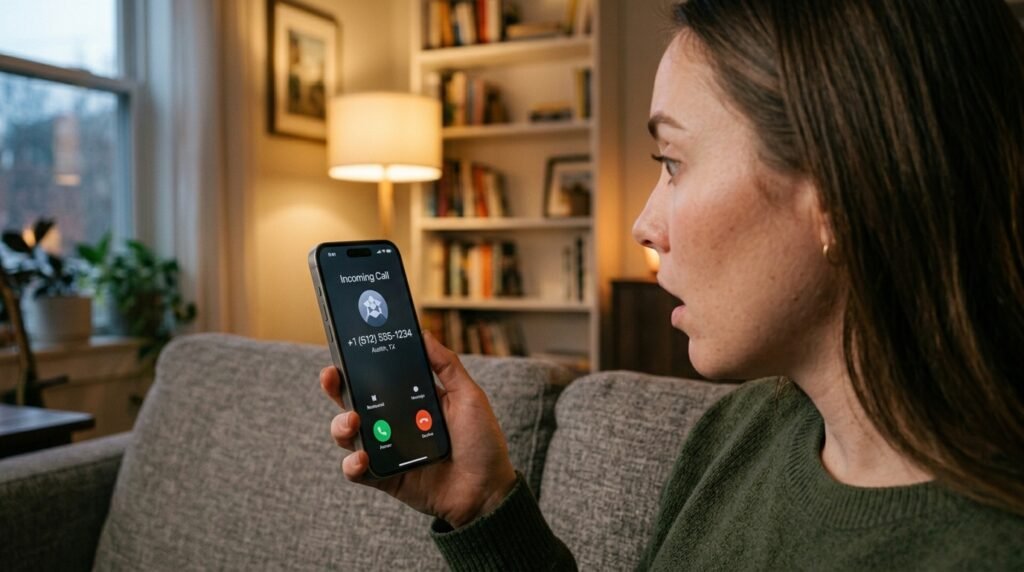
Despite government efforts like the STIR/SHAKEN framework, some overseas callers bypass US regulations. These international entities often exploit technical gaps in older carrier networks to reach your smartphone without being blocked.
