
When you get a notification in your pocket that you’ve missed a package, but the message is vague, it’s a universal annoyance for most Americans. The Federal Communications Commission (FCC) cautions that the first inclination you may have is to send a text message “STOP” to put an end to the madness, but it may end up proving you have an active number. The offhand answer may encourage even more junk, and a stealth response may be more effective.
Use Your Built-in Filters
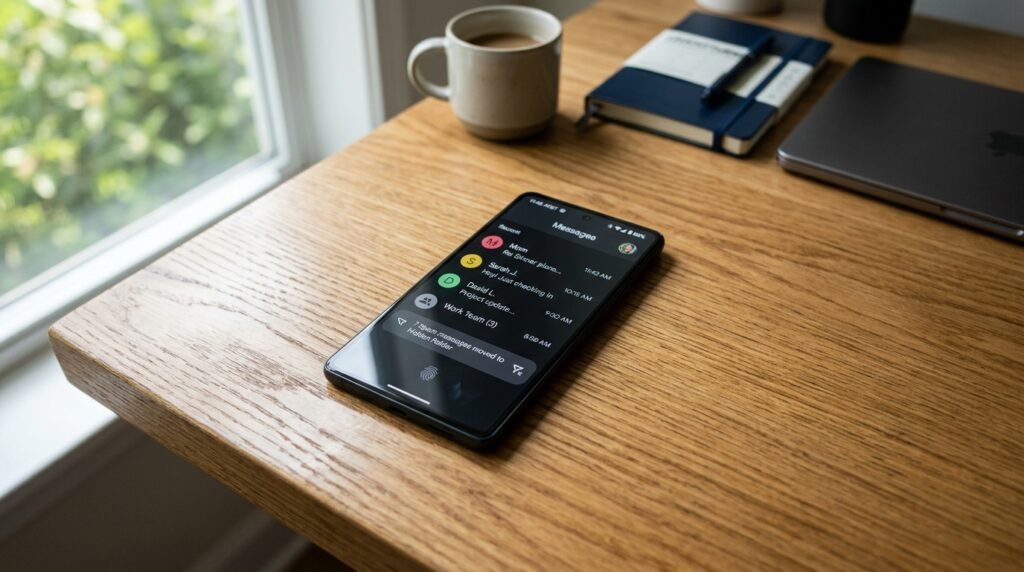
Most of these smartphones have features that allow silencing of unknown senders in their settings. When you turn this on, your main message list remains clean, and you don’t have to worry about the distracting notifications bothering you during your hectic day or quiet evening.
Report to the GSMA
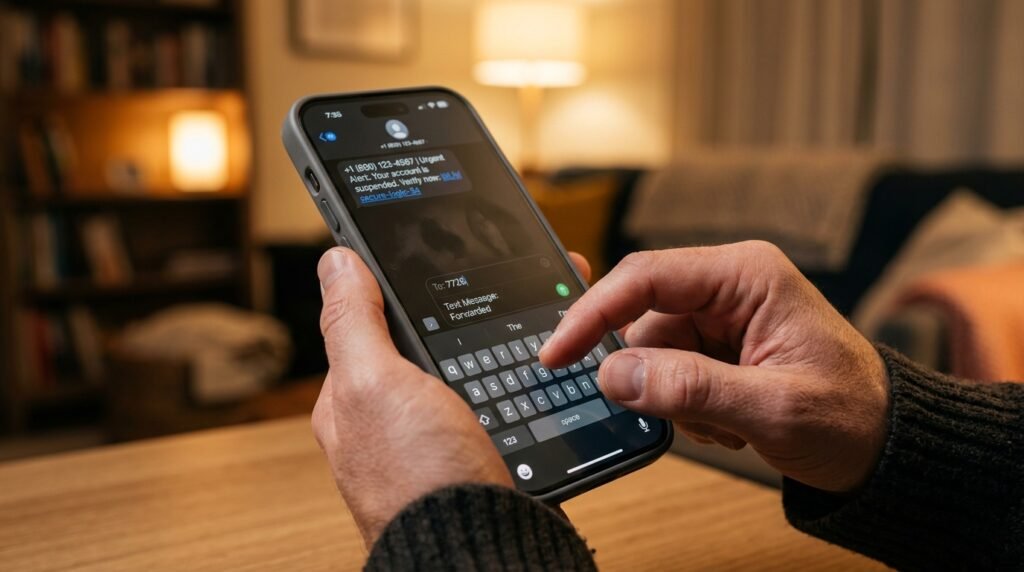
Carriers have the ability to investigate the source by forwarding junk texts to 7726 (the spelling of “SPAM” on most keypads). This data is used by major U.S. carriers to prevent malicious numbers from being connected to their entire cell networks.
Never Click the Links
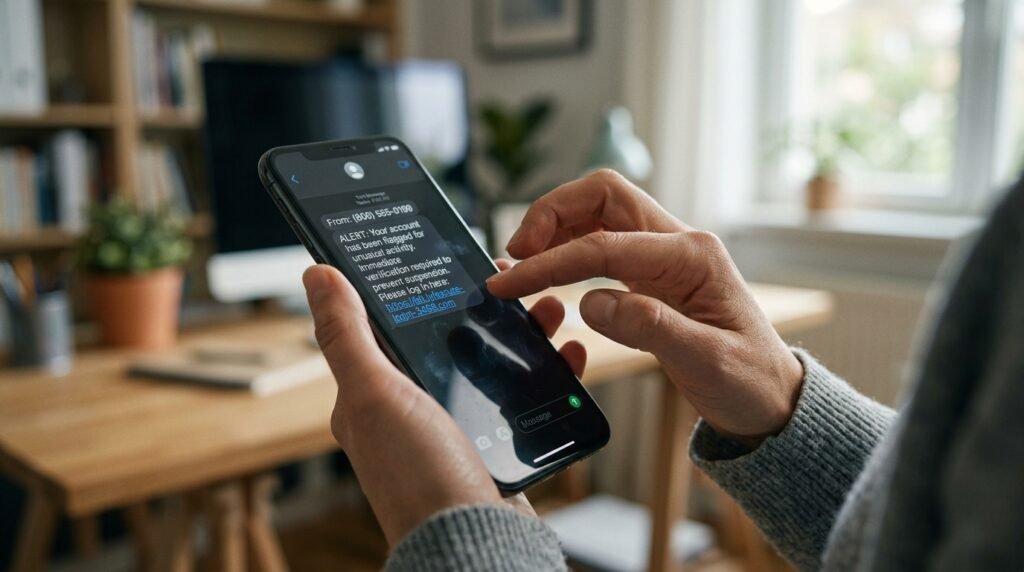
CISA points out that they are usually sent to credential-harvesting sites via links provided in the text of spam. Perhaps the most critical aspect of staying safe online is avoiding these clicks.
Report Through Your App
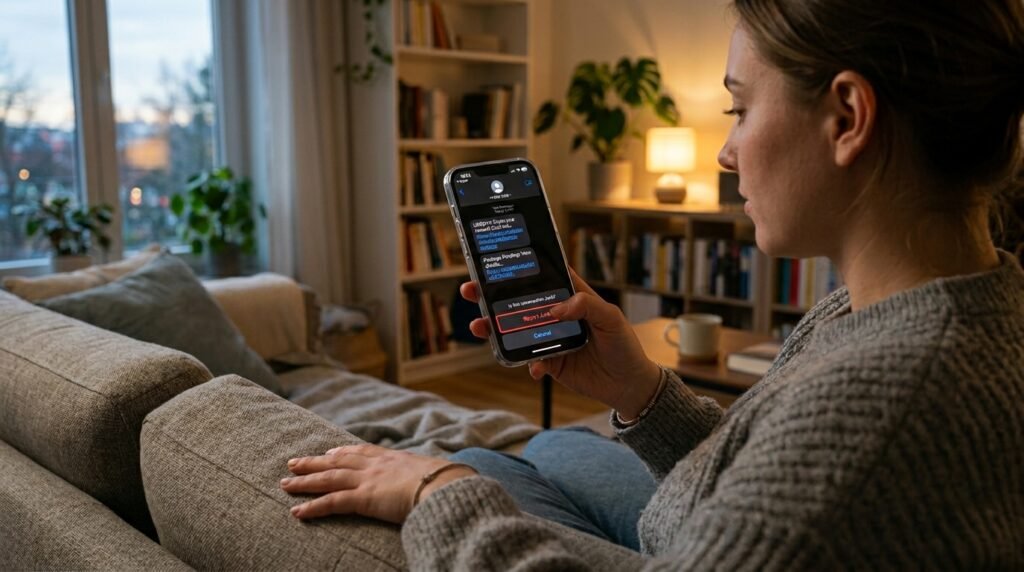
Apple, as well as Android devices, has a tool to “Report Junk” available in the messaging interface. Using these native tools benefits the developers of the platform, as it allows them to enhance their automated filtering systems for all users.
Check Your Carrier Settings

There are many cell phone carriers in the United States that have applications or services to help you recognize and block calls and texts that may be scams. These features may allow you to have an additional degree of protection before getting messages.
Protect Your Phone Number

You may be able to minimize spam by taking extra care in where you post your mobile numbers. You can try a 2nd number for customers signing up at your store or a one-time discount code online.
Update Your Device Software
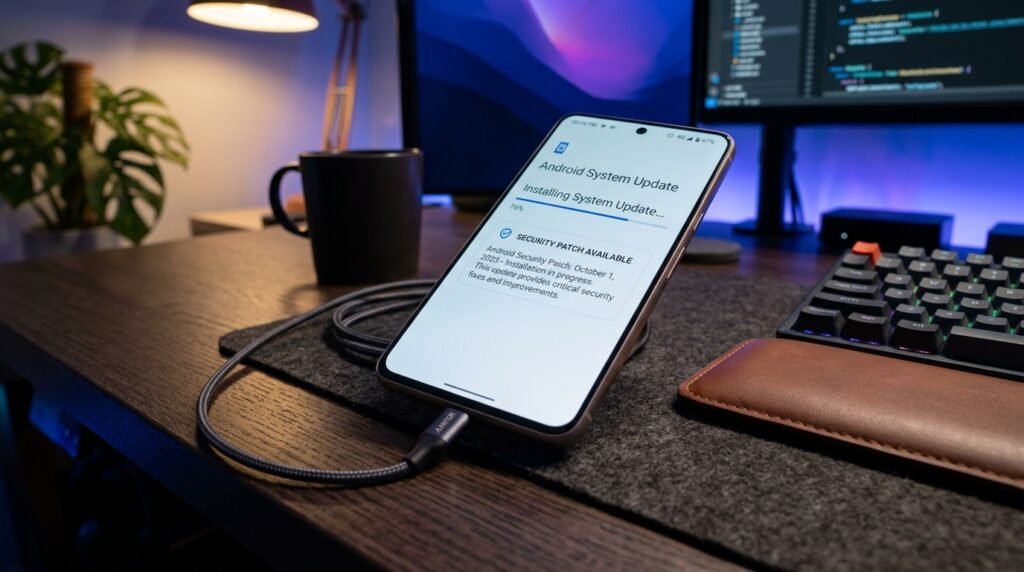
Patches frequently contain enhancements to your phone’s ability to deal with unwanted messages. Having up-to-date operating systems means you’ll have the most recent defenses against new tricks employed by advanced messaging bots.
Use Third-Party Safety Apps

There are a number of well-rated applications that focus on the patterns of spam by millions of users. These tools have the potential to send a “Scam Likely” message prior to opening.
File an FCC Complaint

If the messages are a persistent annoyance, FCC complaints could be useful in helping federal regulators monitor big operations. This data is often used to take legal action against illegal robocallers.
Resist the Curiosity Trap

Spammers frequently employ “urgent” terminology in regard to bank accounts or tax refunds as a means of garnering a response. Remind yourself that official agencies don’t typically send communications by text; that may help you manage that initial emotional whirl-up.
Guard Your Personal Information
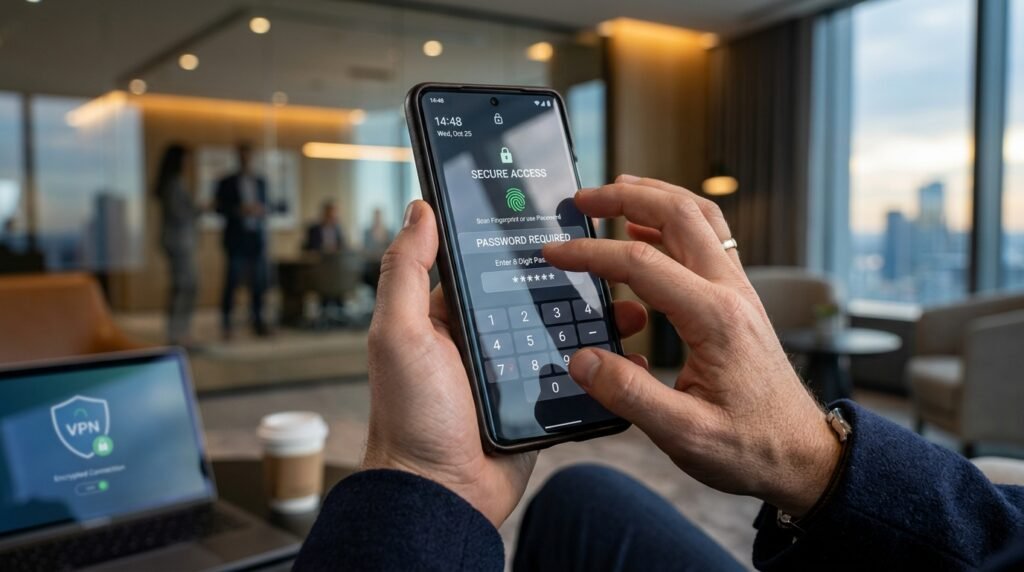
Do not text your Social Security number or passwords to anyone. A genuine institution will not likely ask you to log in by means of a link.
