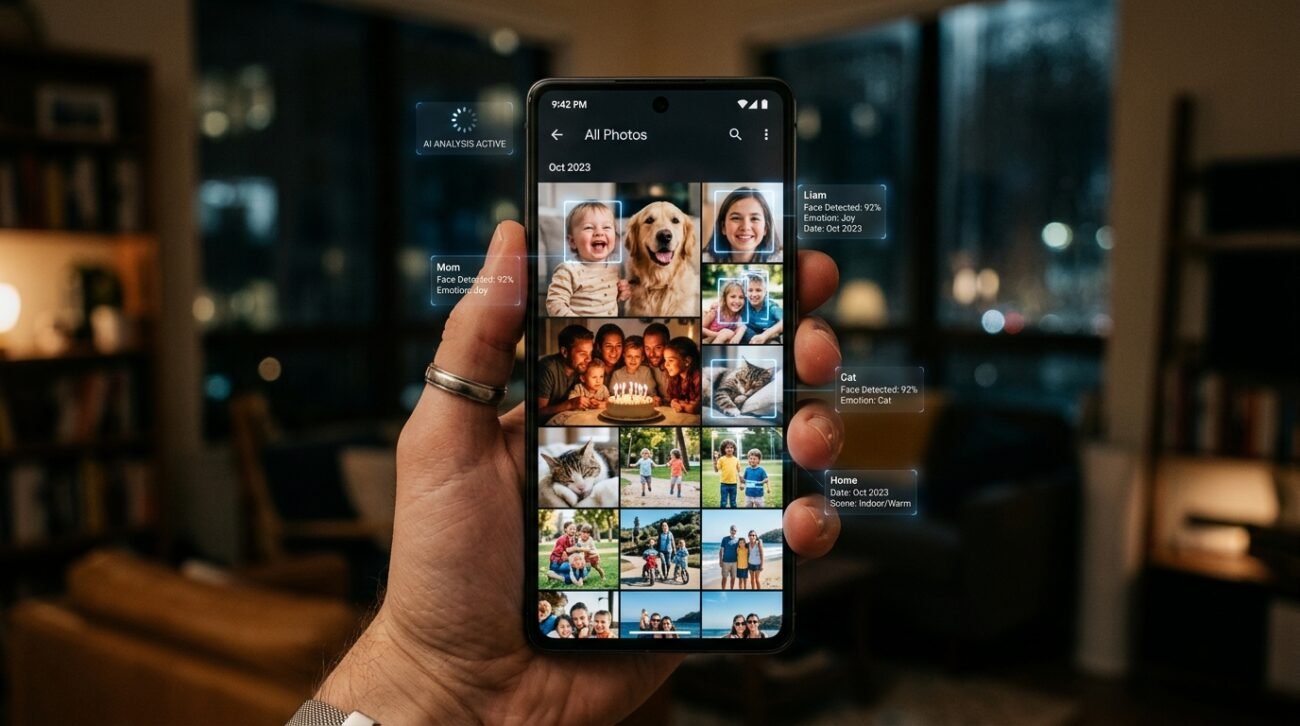
We all have those slightly blurry, candid shots of family reunions or our pets doing something ridiculous tucked away in our digital archives. Recent updates to Google’s Privacy Hub and service terms suggest a shift toward using these personal memories to refine their artificial intelligence models. While this might improve search results, it raises questions about where our private lives end and data training begins.
A New Era of Personal Intelligence

Google recently introduced “Personal Intelligence” features, designed to help Gemini understand your life context more intuitively. This shift aims to make AI interactions feel more natural by potentially analyzing your existing photo library.
Searching Your Memories With Ease

New features like “Ask Photos” allow users to find specific moments using natural language. To make this work, the system must scan and understand the content of every image you have ever uploaded.
Training Models on Real Life

Recent reports from sources like Forbes suggest that Google may be leveraging visual data from user libraries to enhance its latest Nano Banana 2 image generator, potentially reaching a new level of realism.
Default Settings and Your Privacy

For many users, these AI training permissions are often enabled by default. This means your data might be contributing to machine learning improvements unless you manually dive into your account settings to opt out.
The Line Between Scanning and Training
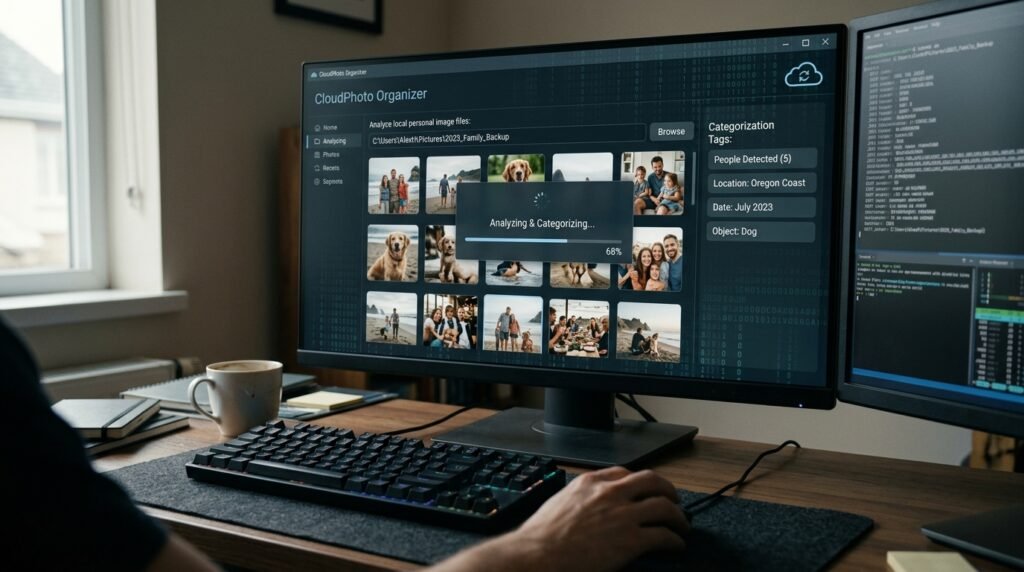
Google distinguishes between “automated analysis” for organization and “generative training.” While they claim private data stays within the Photos app, the technical ability to scan files for “safety” remains a reality.
Why Your Prompts Matter Now

When you upload a photo directly to the Gemini app to ask a question, that specific image might no longer be protected by the standard Google Photos privacy silo, according to MakeUseOf.
Personalizing the AI Experience
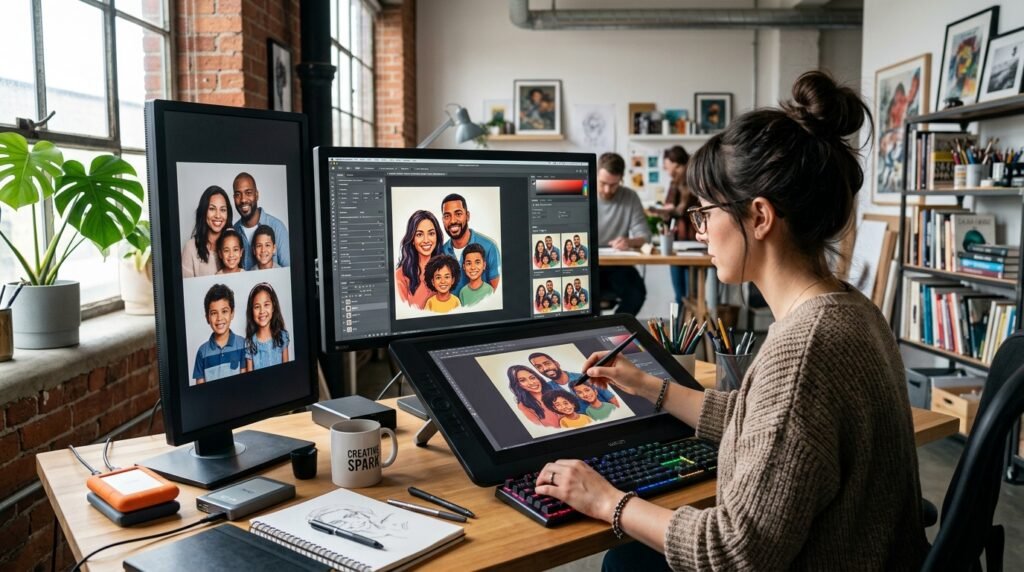
The goal of scanning photos is often to create a “custom” AI. By knowing what your family looks like, Gemini can supposedly generate images of you in various artistic styles without extra uploads.
The Impact on Creative Professionals

Authors and creators who store manuscript photos or book covers in Google products may find their creative assets being analyzed. This has sparked a “digital firestorm” among those protective of their intellectual property.
The Rise of Private Alternatives

As more and more of these scanning plans come into the public light, users are flocking to “zero-trust” platforms. Services such as Proton Drive or self-hosted servers can be used to retain the memory of the family without being on the web.
Maintaining Control of Your Data

You can still manage these features by visiting the Gemini Apps Privacy Hub. Taking a moment to review your “Activity” settings allows you to delete what the AI has already learned about you.
The Future of Digital Memories

With the growing integration of AI into mobile devices, people are realizing there is a cost associated with the ease of use and privacy. We have a choice whether we want our childhood pictures to be used to teach a robot to see.
