
Being lost was an adventure before, but today we have our phones to guide us through road trips across a country or to the closest taco truck. Nonetheless, recent reports in the industry by websites such as SlashGear suggest that in 2026, Apple is set to add sponsored results to its navigation interface. Though the application has gone so far in terms of accuracy, this move towards a more commercialized design may upset the clean and user-friendly experience many have grown to enjoy.
Advertisements Entering the Search
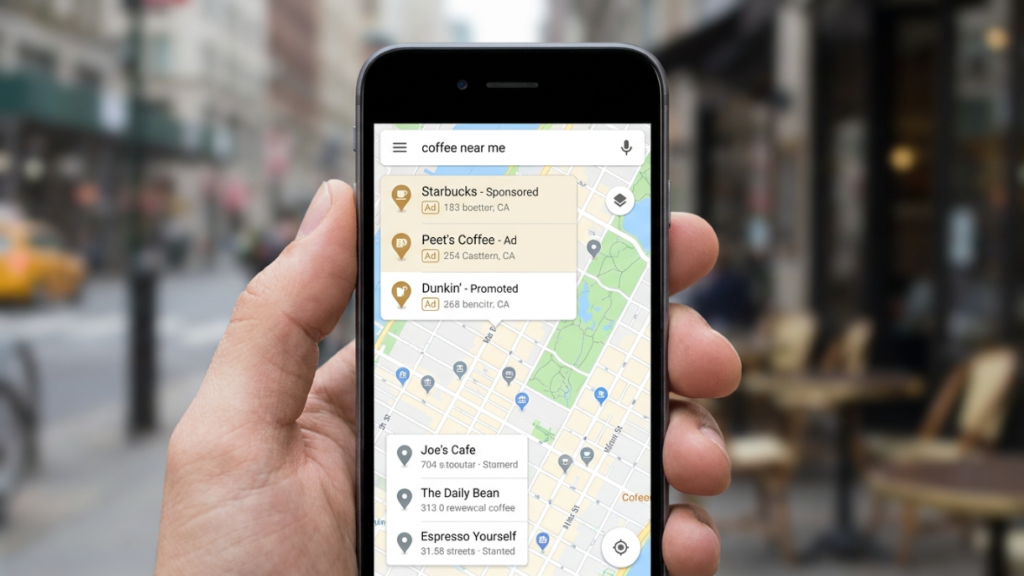
Apple is literally bidding companies to buy their way to the top of your search results. This implies that your initial local coffee shop search result may be a paid offering rather than the nearest one.
Sponsored Pins on Map
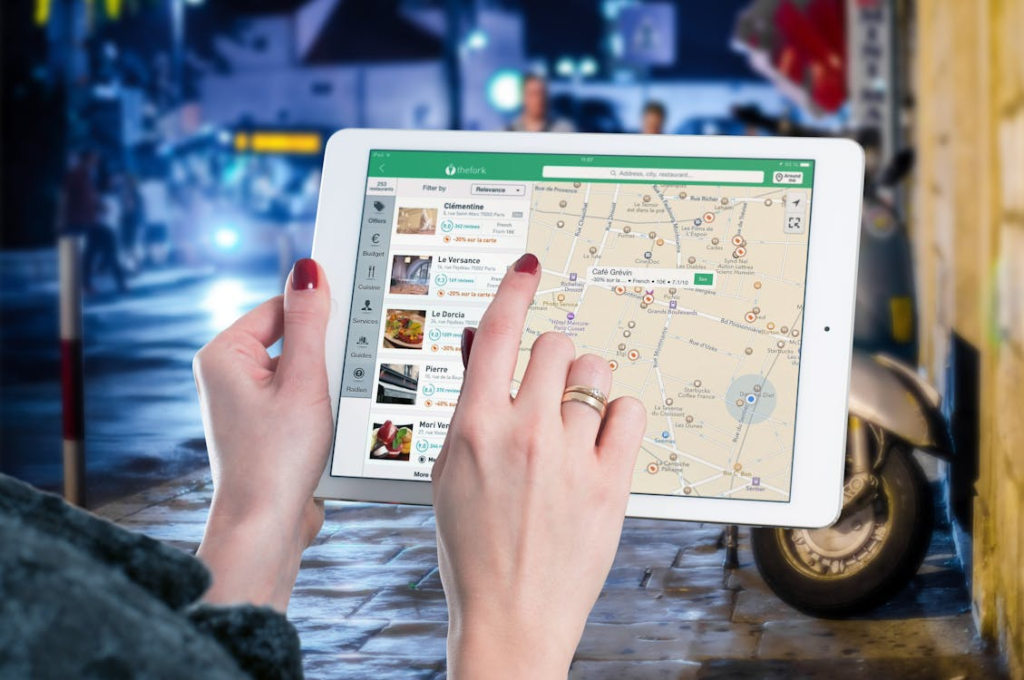
New features are the introduction of branded pins, which are displayed on your driving route. This is part of a larger movement in digital mapping, but it may cause drivers to be distracted by trying to locate particular landmarks or street names.
Privacy Shielding for Ads

Apple asserts that the interactions of ads are not connected to your personal Apple ID, which is an uncommon victory in privacy. Nevertheless, some are still concerned about the existence of data tracking to determine the relevance of advertisers.
Search Result Labeling Changes
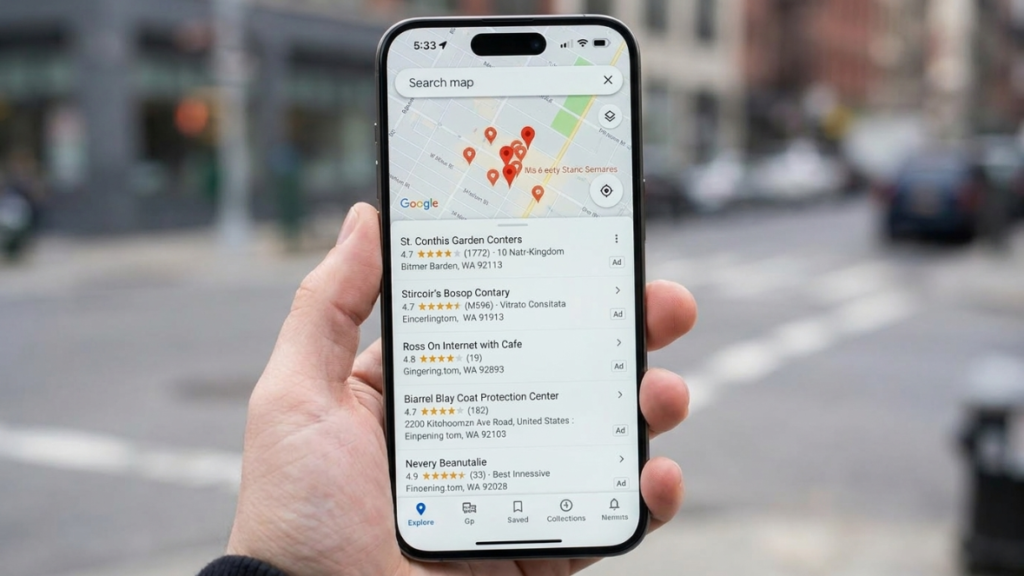
Advertised results will have an ad tag, but it can be challenging to see the difference between the advertised results and organic results at a glance. This may possibly make users end up accessing a more distant paid destination.
Incomplete Business Information

To be accurate, business owners are to manually claim their listings in Apple Business Connect. Unless a shop has changed its hours, you are likely to find yourself standing before an extremely closed door.
Cluttered User Interface

Sponsored layers result in less of the actual map being shown when searching. According to the experts, interface bloat may adversely affect the speed with which a user locates his or her destination.
Impact on Battery Life

More intricate features, such as “Detailed City Experience” and live ad fetching, may impose a minor load on older hardware. High-resolution 3D data can be very power-intensive in keeping the screen active over long drives.
Redundant Route Suggestions
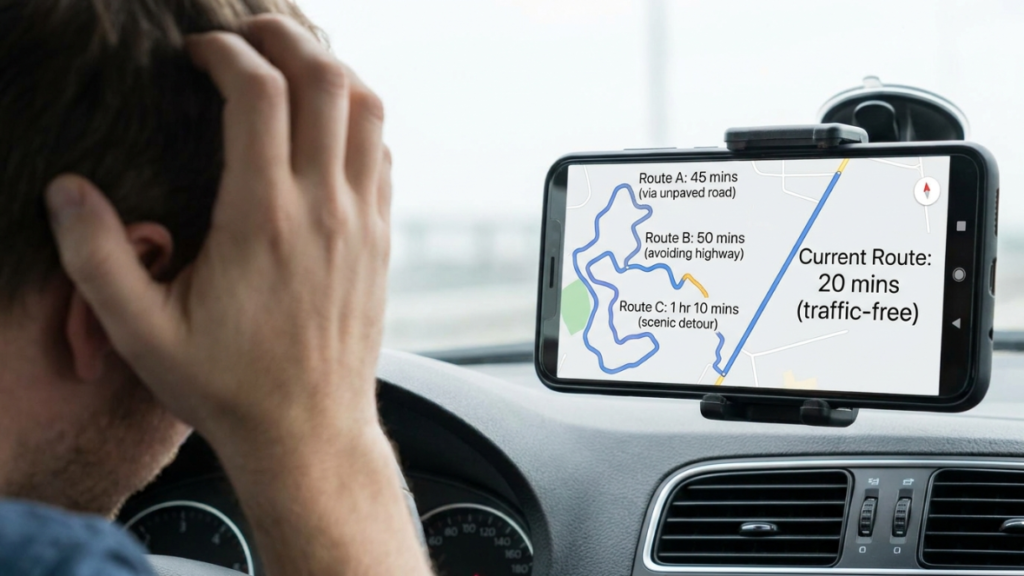
According to the users, Siri occasionally provides routes to locations of significance that are no longer pertinent. This may seem like the application is stuck in the past instead of assisting you now.
Competition From Specialized Apps
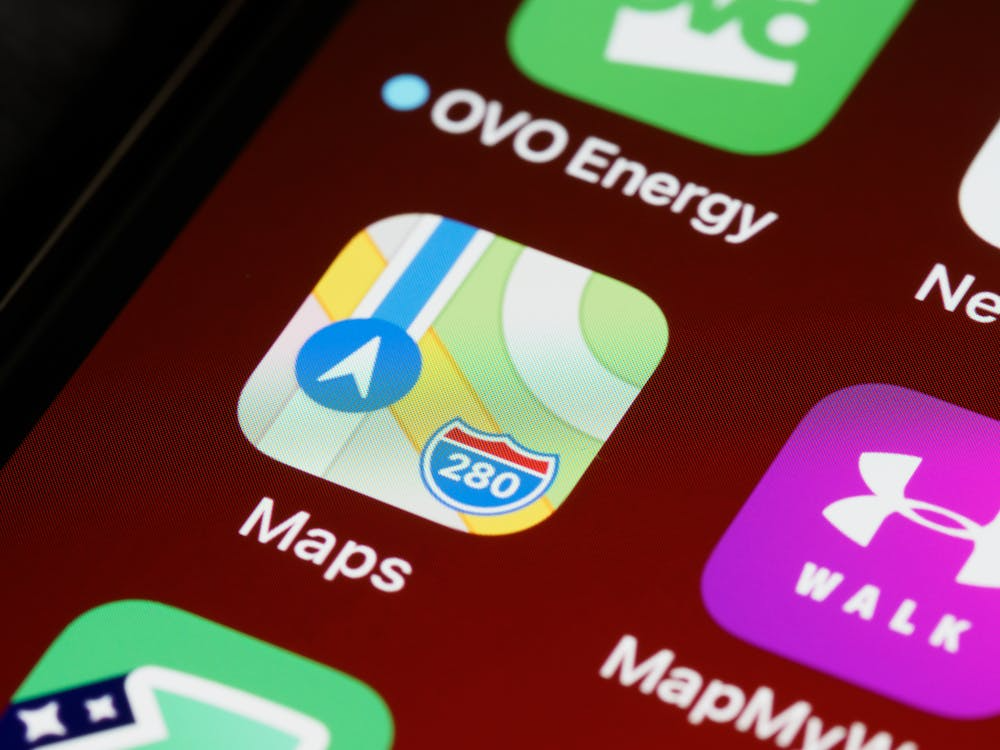
There are still apps such as Waze that are at the forefront of community real-time reporting of speed traps and other road hazards. The fact that Apple is not adopting these crowdsourced features as fast as it does may leave it feeling like it is a step behind daily commuters.
Lack of Offline Flexibility
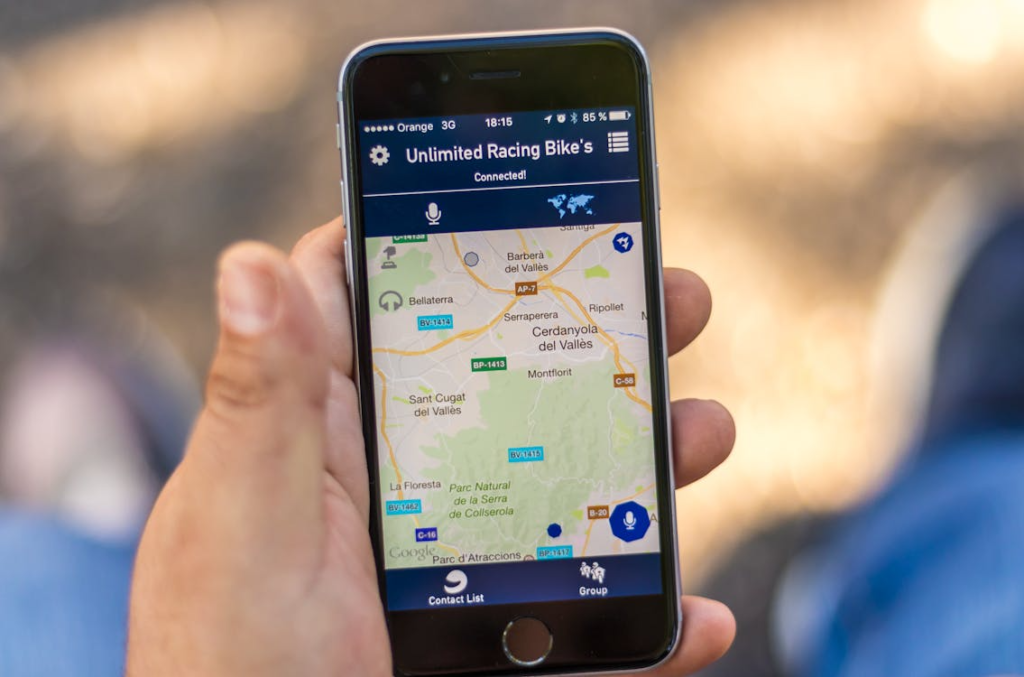
There are offline maps, but they have to be manually downloaded, and they may be bulky to handle. In case you run out of signal in the countryside without any prior arrangement, the utility of the app may decrease drastically.
Transit Navigation Confusion
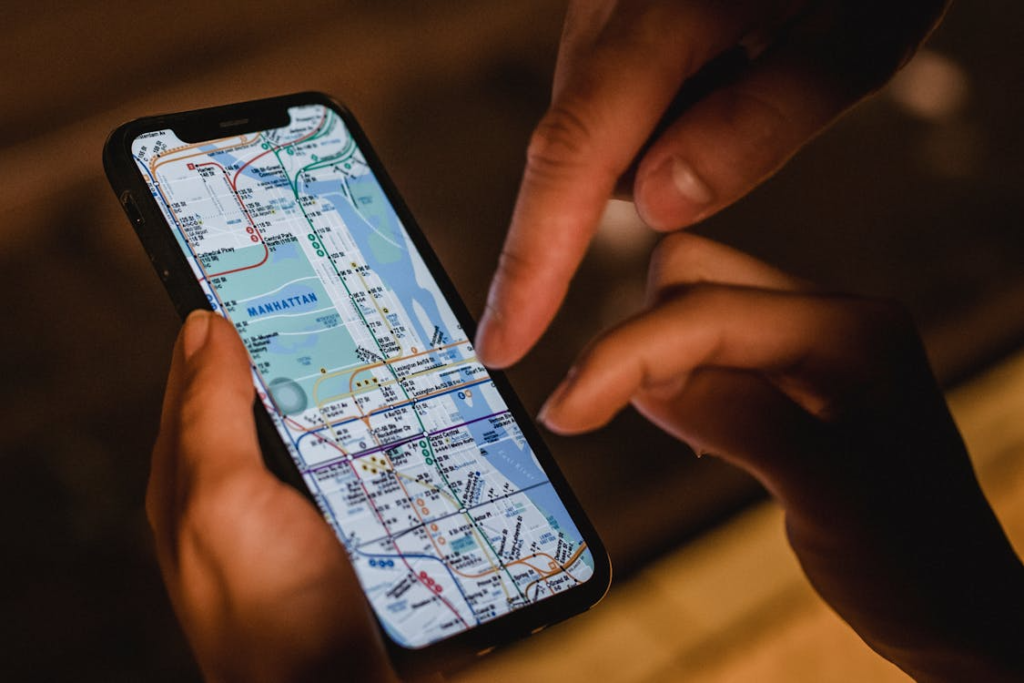
The interface on the public transport is overwhelming to some users who see the visual overload of too much information at a time. This non-hierarchical system can make it more hectic than it needs to be to get the correct train.
No Option to Disable

At present, the app does not have a formal option to choose not to see sponsored content. Such experience of being forced is, perhaps, the most significant controversy for the people who enjoyed the ad-free time.
