
We’ve all experienced that relief of deleting an email from a cluttered inbox, but one day, you may find yourself taking the wrong action on your spam folder. Email filtering algorithms learn better if you leave the messages in your inbox for a short period of time, though Norton’s cybersecurity experts say you should delete them immediately to avoid accidental clicks. Modern security research shows that these junk folders are actually a safeguarding sandbox and also keep your primary workspace tidy.
Your Filter Needs Training Data

The majority of email services apply machine learning in order to detect junk. Keeping those messages in the spam folder instead of deleting them immediately could assist the system in identifying the same pattern in the future.
Recovering Genuine Missed Messages
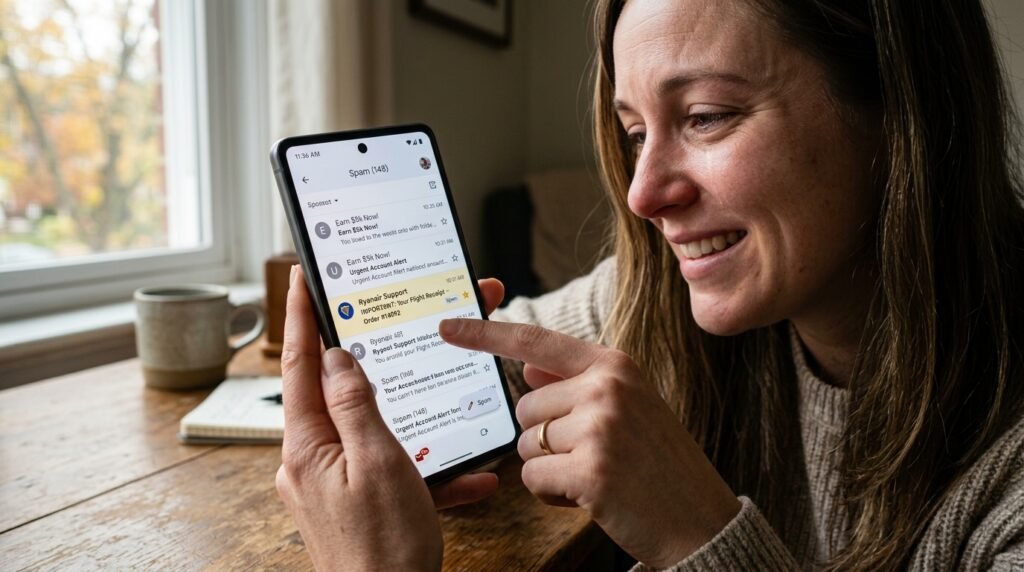
In some cases, the legitimate newsletters or receipts end up in the filter. Just by deleting without looking, you can lose one confirmation e-mail or one from a friend.
Preserving Evidence of Harassment

If, in rare instances, spam evolves into digital harassment, holding on to the messages may be important. There is a strong argument for having a digital trail if there ever is a need for documentation, legal experts say.
Tracking Potential Data Breaches

In the wake of big company data breaches, there is an influx of spam. If you notice the nature of junk, you may get a hint that your email address has been exposed to a new third-party security breach.
Avoiding Accidental Link Triggers
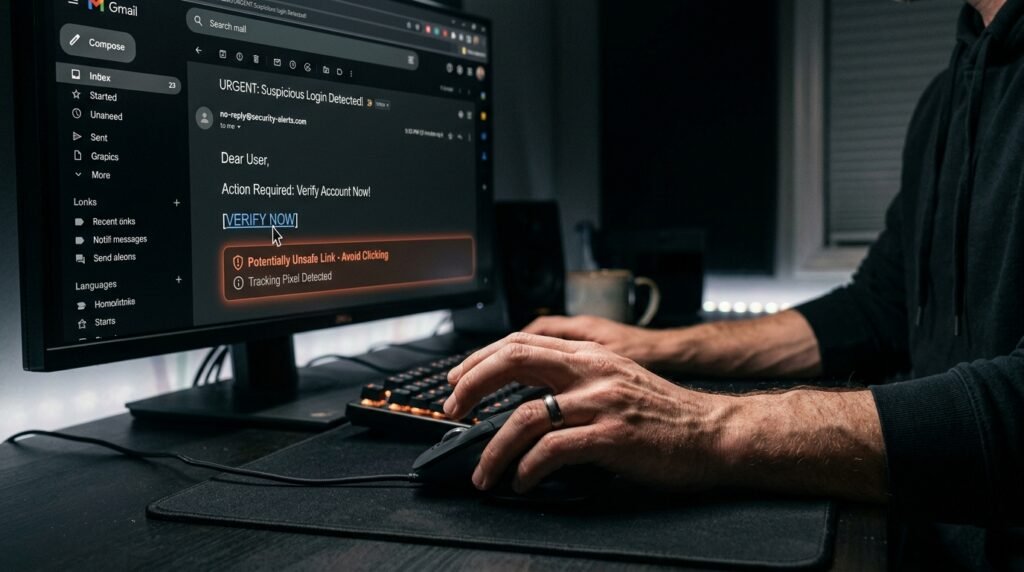
You may have to open an email or click on tiny little icons to select which ones to delete. The interaction with spam can cause a tracking pixel to be triggered, even when you delete it, according to security researchers at companies such as Proofpoint.
Protecting Your Primary Inbox

The spam folder is only meant to be a holding cell. The algorithm will continue to classify junk that looks similar to the one you don’t delete, helping to keep your primary inbox cleaner.
Verifying Sender Identity Trends

Spoofed addresses are another common tactic in spam, where addresses are created to look like legitimate brands. Gleaning these signals may make you more wary of possibly getting slightly off-brand emails in your regular inbox by mistake.
Checking for False Positives
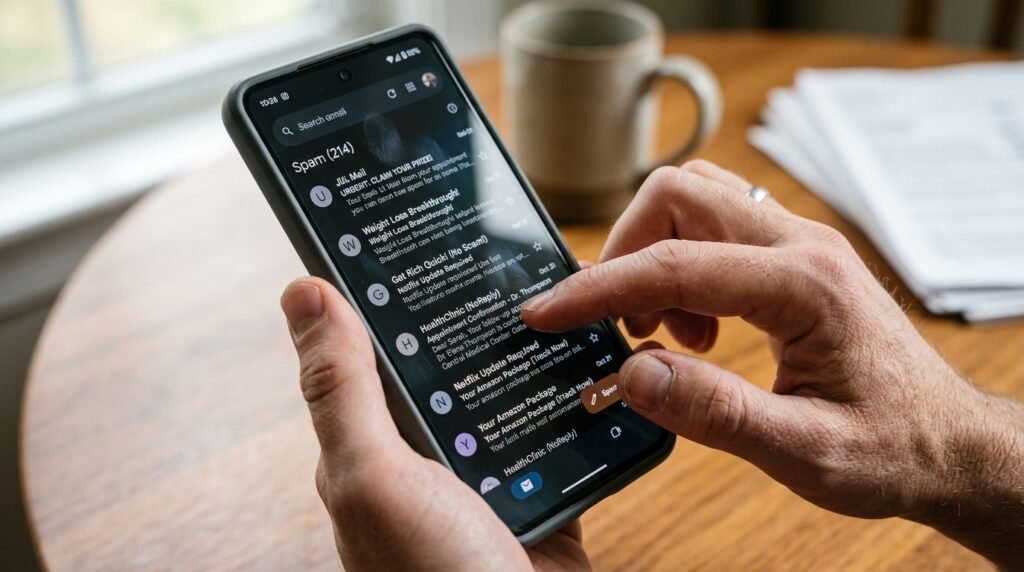
Email deliverability studies indicate that no matter how good they are, filters have a margin of error. Quickly checking the junk folder will make sure that an offer in error or a medical notification isn’t marked as junk.
Preventing Re-Subscription Loops

There’s spam that does well with involvement. If you delete messages right away, there is a risk that some mail is actually malicious and will confirm the activity of your email.
Helping Global Security Efforts

A lot of providers rely on anonymized spam data to safeguard everyone. Junk placed in the folder you marked for junk could be contributing to a wider junk database that helps block these senders for other users.
