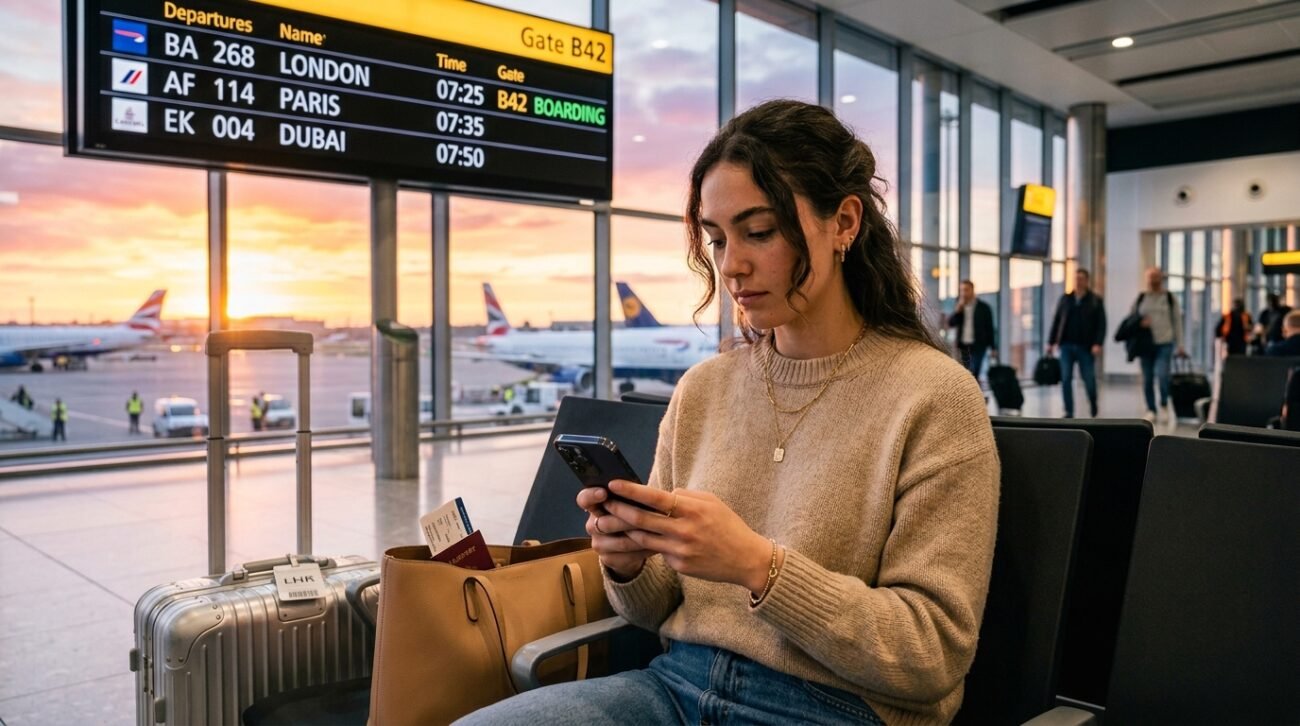
While we’re all familiar with the ride to a new destination, when it comes time to decide what shoes to pack, in 2026, protecting your digital life is nearly as important as getting a window seat. A little preparation goes a long way—as recent data from the Federal Trade Commission indicates, travelers are still frequently targets of data interference, and the theft of their cell phones is becoming a major crime in major transit hubs, as reported by The Guardian (2025).
Update Your Software Before Boarding
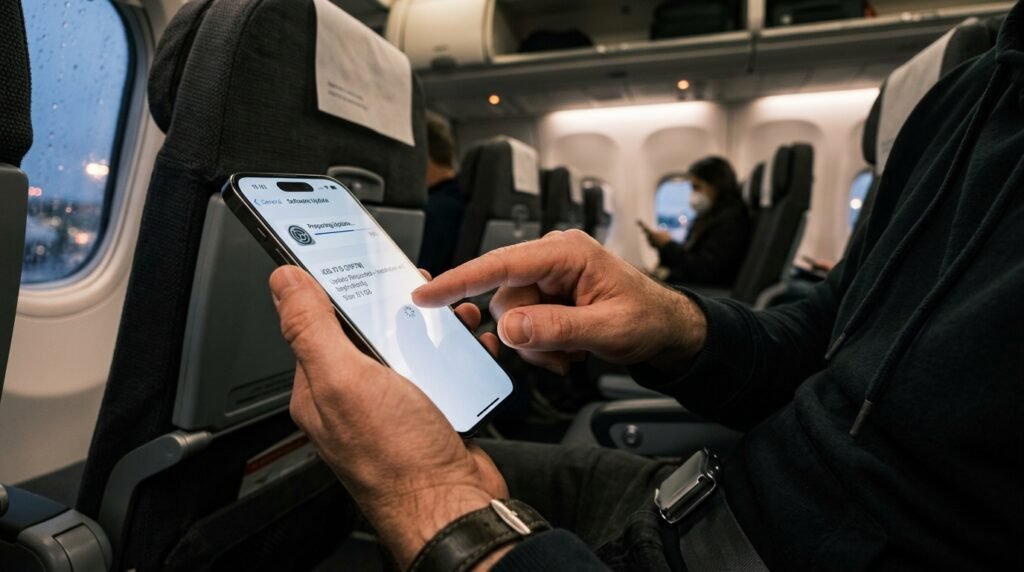
Installing the newest OS could address vulnerabilities that hackers frequently exploit. A key security tactic that large technology firms often employ is to issue a special security patch to protect against a new vulnerability that has been identified.
Activate Advanced Lock Screen Security
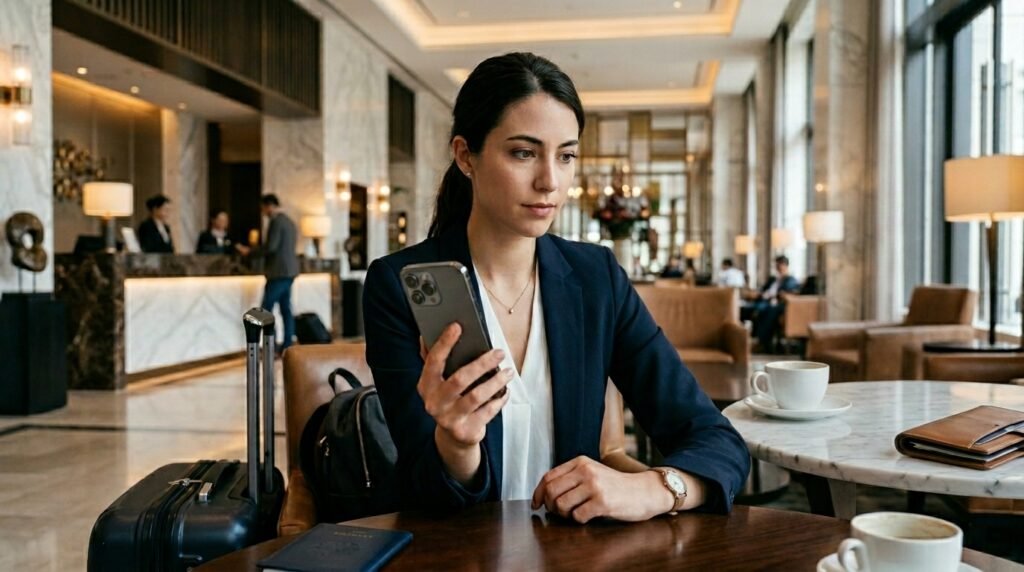
If a complex passcode or biometric security mechanism, such as facial recognition, is used, unauthorized access may be prevented if the device is lost. CISA research shows that multi-factor authentication is the most powerful personal defense.
Disable Automatic Network Connections
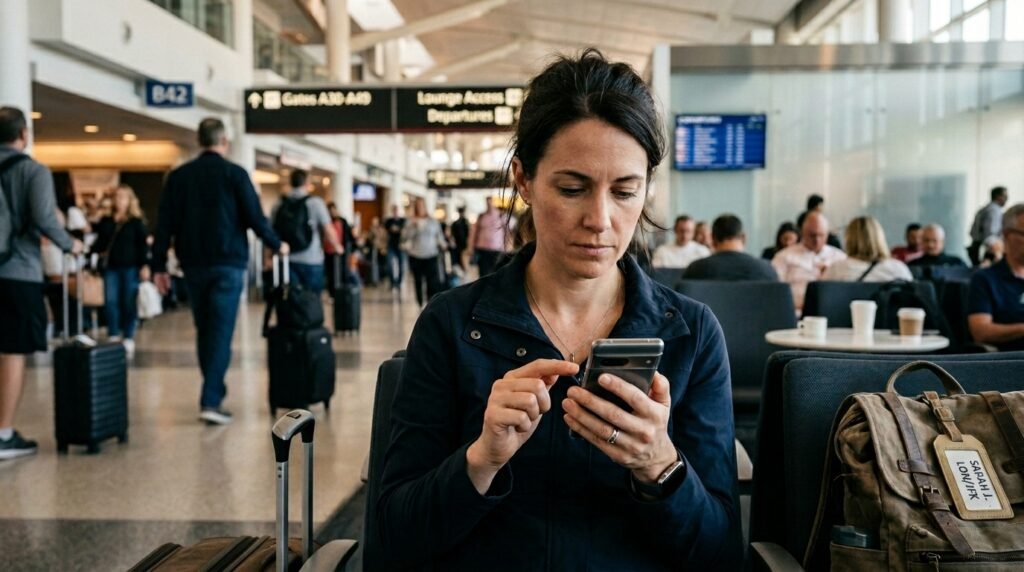
Your cell phone may attempt to connect you with networks you are familiar with but may actually end up having you connect to a “twin” hotspot. You can manually choose your connections and make sure you’re on a legitimate network before you do.
Enable Find My Device Features
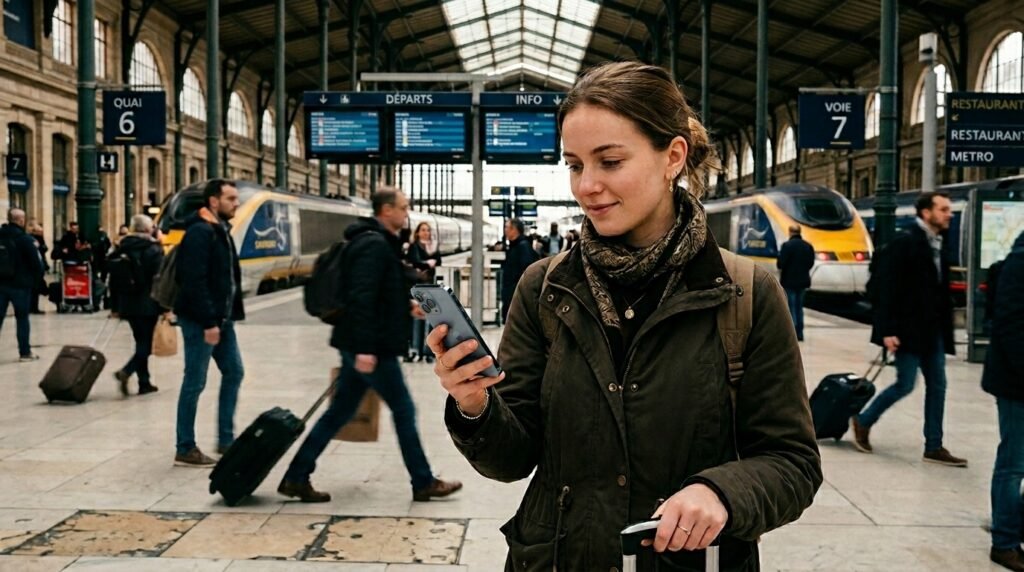
Modern smartphones have tracking capabilities that can assist in tracking down a lost phone on a map. These tools also give you a way to remotely delete your info should the telephone be totally lost.
Use a Virtual Private Network
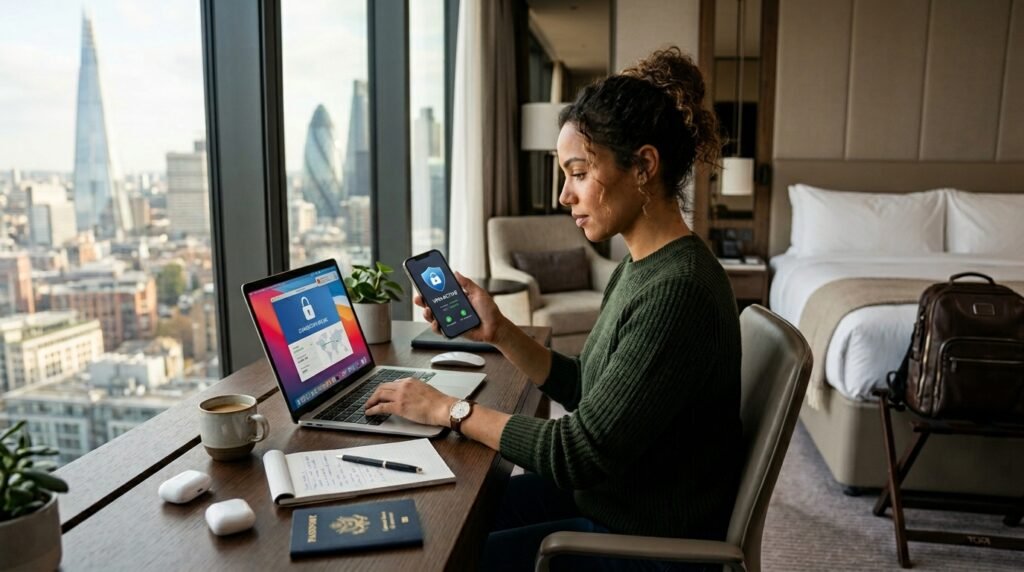
A VPN may help you encrypt internet traffic so that it will be far more difficult for others on the same network to observe what you are doing. Cybersecurity experts recommend the use of this for travelers who use the internet in hotels.
Be Mindful of Shoulder Surfing
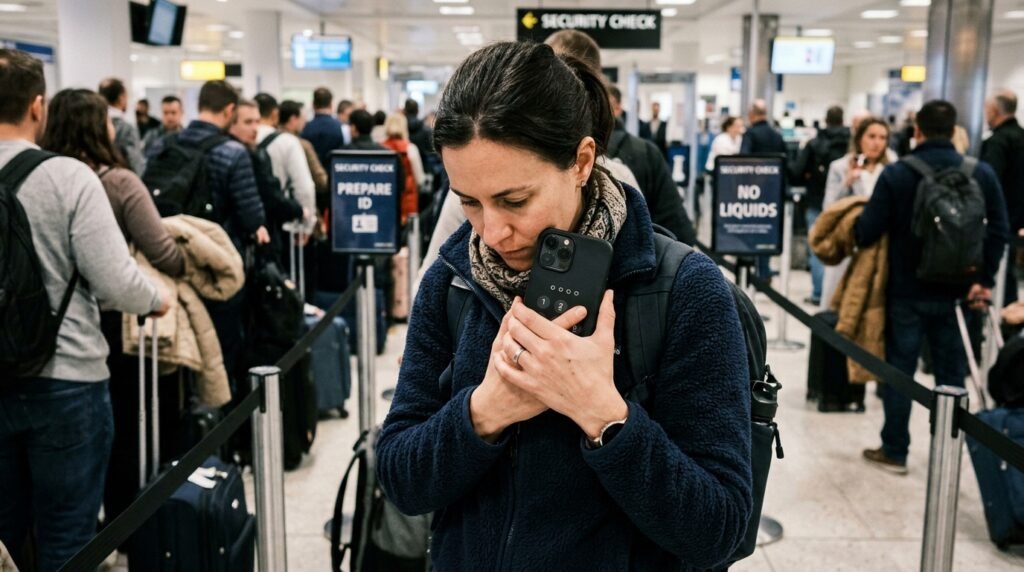
It’s surprisingly easy for someone to look over your shoulder and see your PIN number or your messages in a busier terminal. Knowing and understanding what occurs around you while you are typing out sensitive information could help avoid basic identity theft.
Store Your Phone in Secure Pockets

Putting your device in its zipped-up pocket, instead of your pocket, may ward off opportunistic pickpockets. Oftentimes, the thieves in high tourist areas target the easiest victims, as they can see the phones and reach them.
Keep a Physical Record of Details
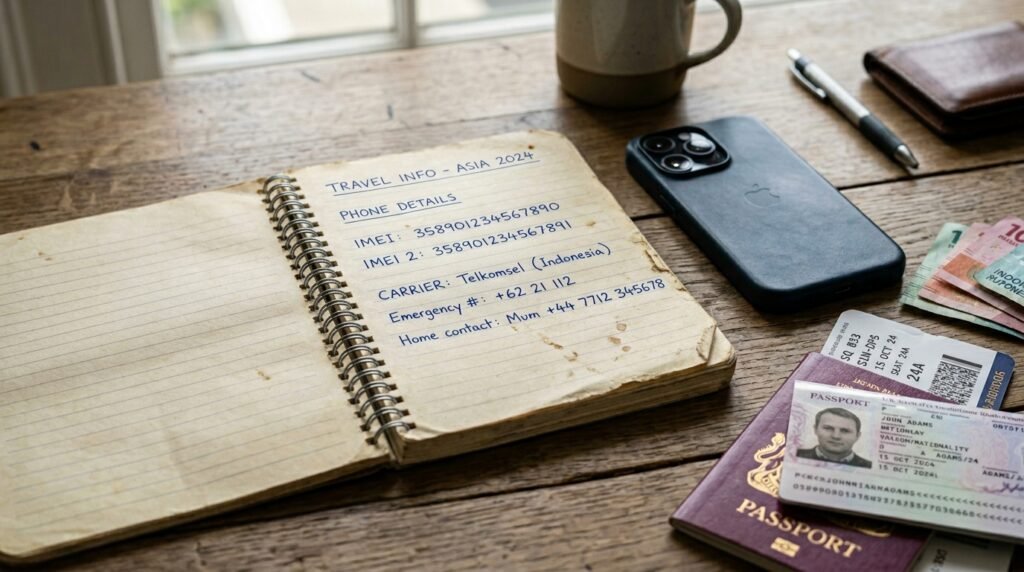
There is a lifesaving tip you can take advantage of: writing down your phone’s IMEI number and your service provider’s international help line. This information will be helpful when reporting stolen phones or destroying the signal if the phone is stolen.
