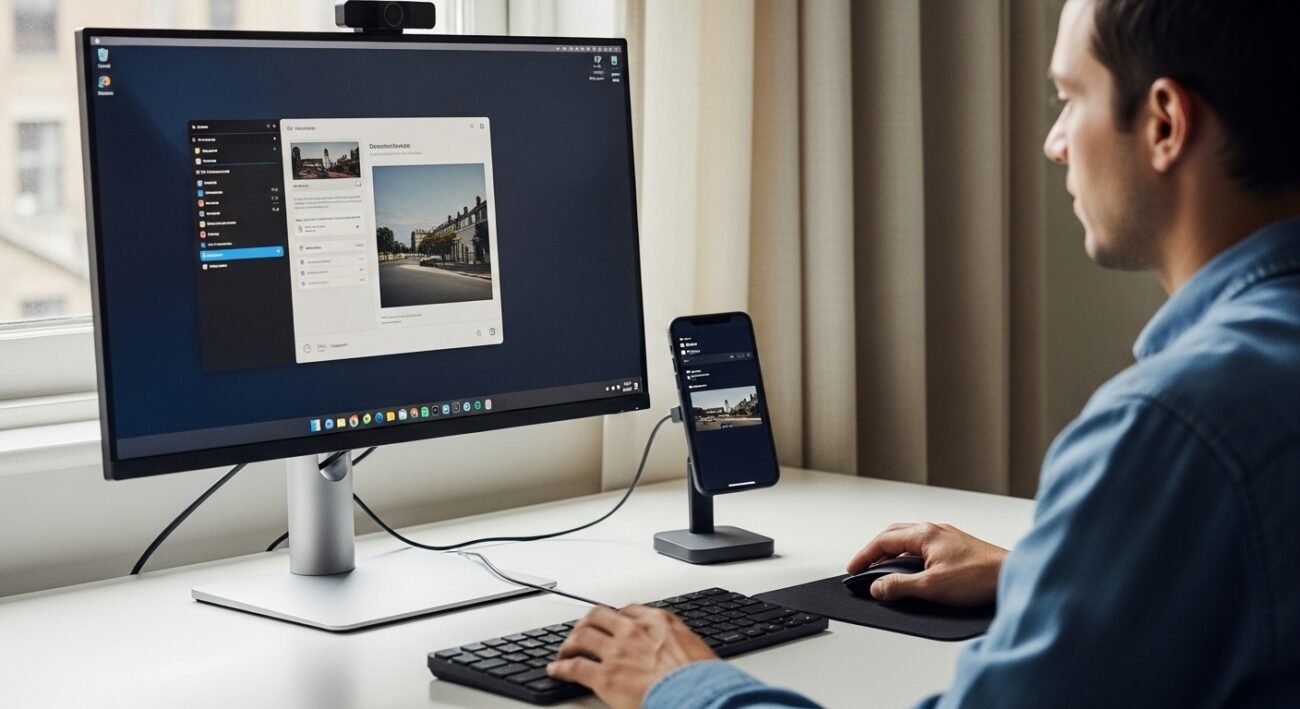
In 2015 Microsoft presented an innovative concept which allowed smartphones to function as complete desktop computers. The concept failed to achieve its goals yet current technological trends demonstrate that Microsoft envisioned a future which arrived too early for its time.
A Vision That Sounded Revolutionary
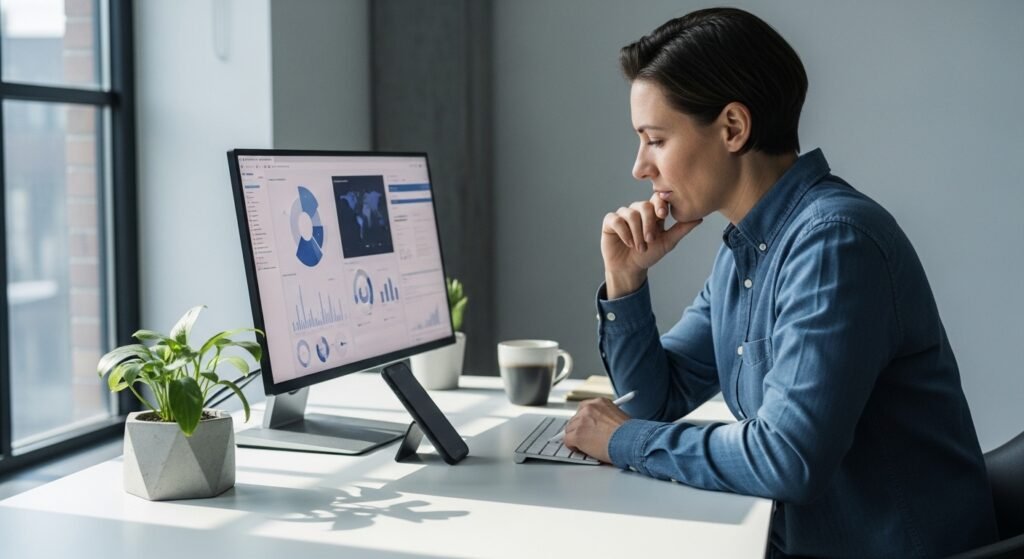
Microsoft’s Windows Continuum promised something futuristic—connect your phone to a monitor and use it like a desktop computer, complete with apps, keyboard, and mouse support.
The Idea: Your Phone Becomes Your PC
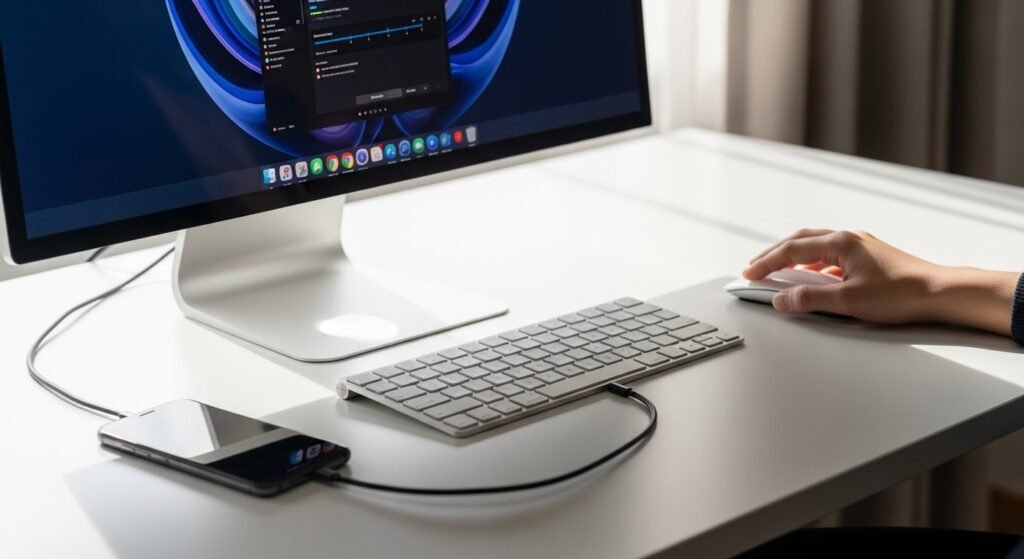
With just a dock or cable, users could plug their phone into a screen and get a desktop-like interface. The product aimed to eliminate the need for laptops by providing users with a single device that enabled them to work, browse, and stream.
It Wasn’t the First Attempt

Before Continuum, companies like Motorola and ASUS tried similar ideas. Microsoft established a strong competitive edge because it integrated Continuum into its Windows 10 Mobile operating system.
The Big Problem: It Looked Better on Paper
The system faced performance issues despite all the excitement surrounding its launch. The system lacked essential elements which prevented users from experiencing a complete desktop replacement.
Limited Features Held It Back
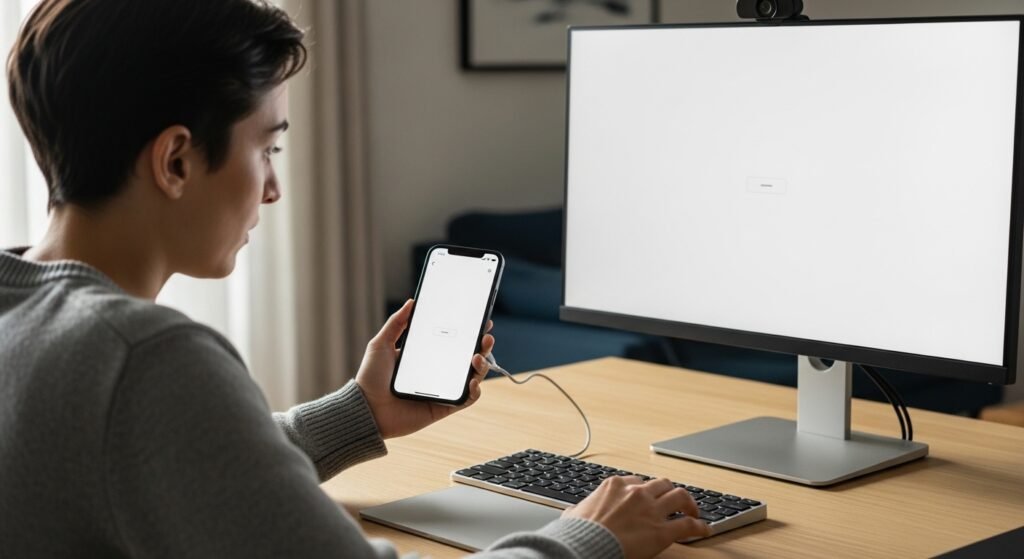
Users couldn’t multitask properly—apps only ran full-screen, and basic desktop functions were missing. The system presented itself as a basic platform which users could operate instead of providing them with complete access to a personal computer system.
App Support Was a Major Issue
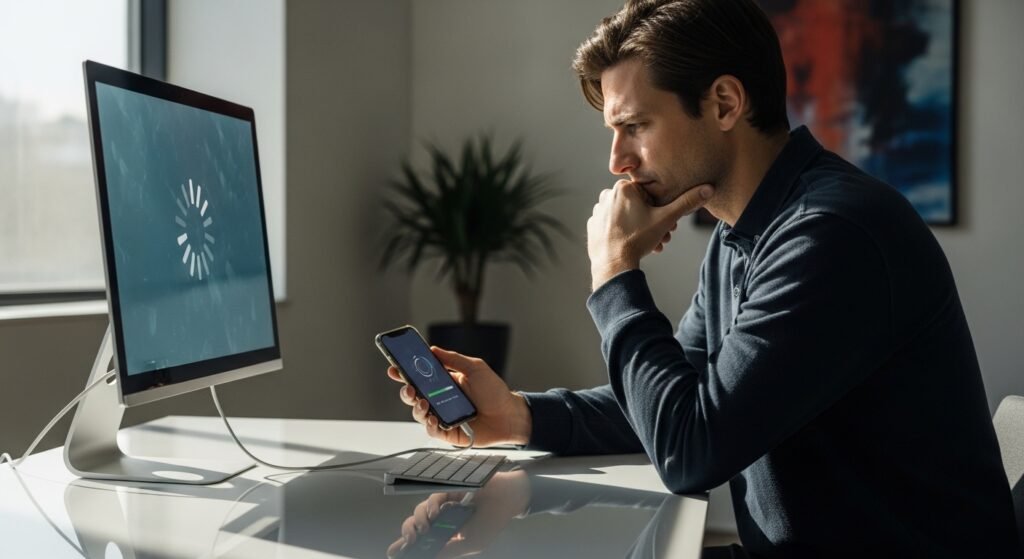
Continuum depended on special apps, but most developers didn’t adapt their software. The users ended up with a restricted selection of applications which consisted mostly of Microsoft products.
Hardware Wasn’t Ready Yet
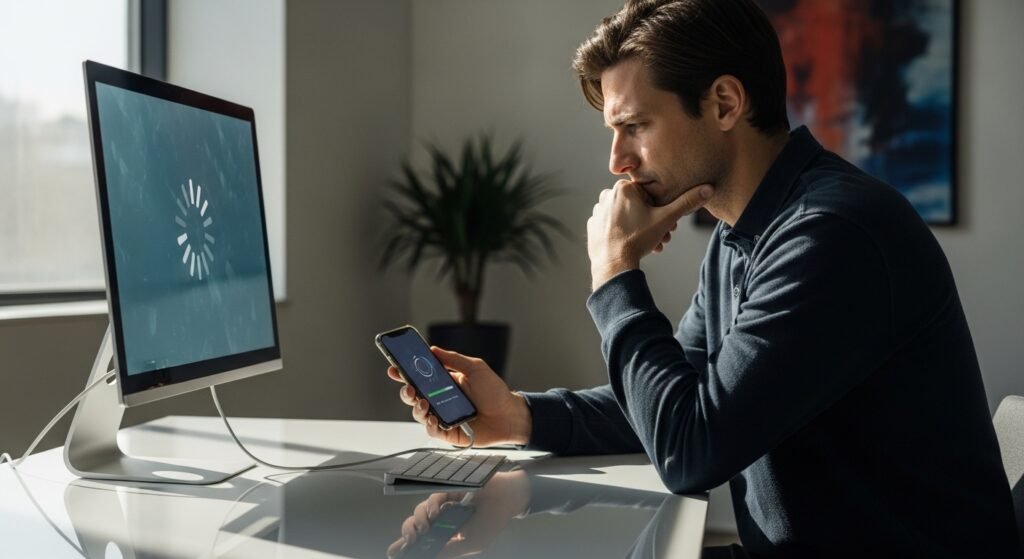
The smartphones available in 2015 lacked sufficient processing power for current demands. Users experienced frustrating navigation issues because multiple open tabs caused system performance problems during basic web browsing activities.
The Ecosystem Didn’t Exist
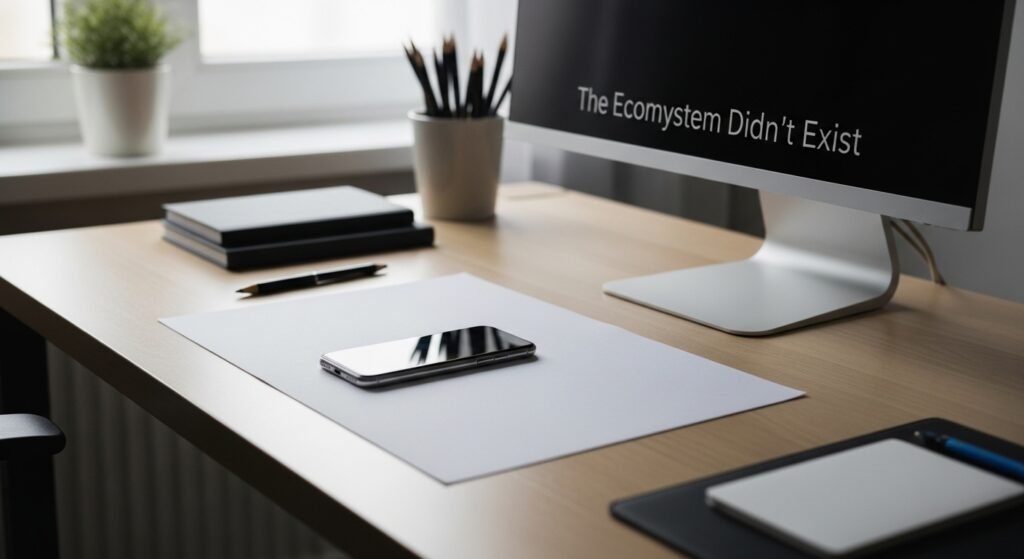
At that time, USB-C docks and compatible monitors with their accessories remained both unavailable and costly. The implementation of Continuum required users to face high expenses combined with technical challenges.
Windows Phone’s Decline Ended It
The market share loss for Windows Phone which initiated in 2015 led Microsoft to terminate Windows 10 Mobile development in 2017 which resulted in the permanent shutdown of Continuum.
Today’s Tech Proves Microsoft Was Right
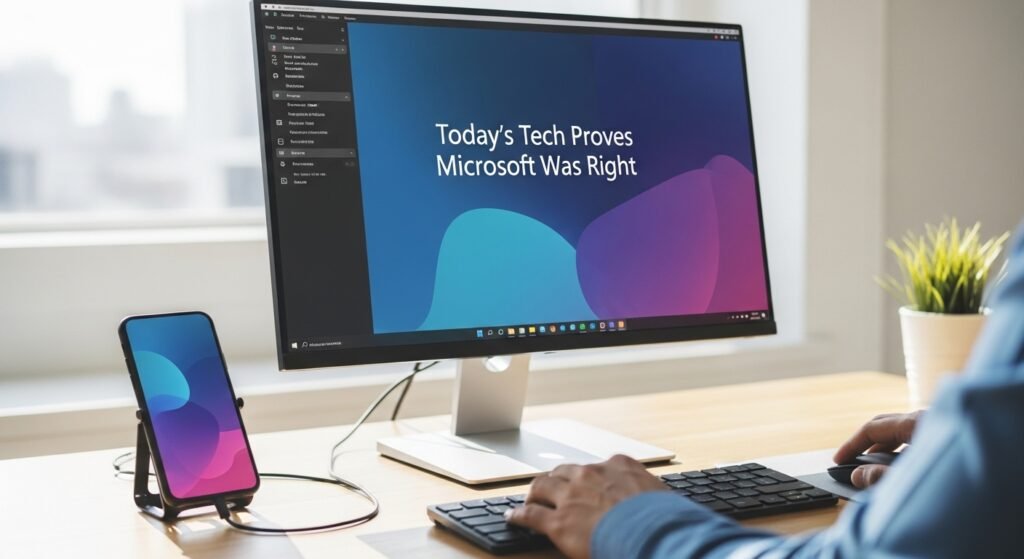
Modern technologies which include Samsung DeX together with Google upcoming desktop modes demonstrate the same concept which existed in earlier times. The combination of powerful smartphones with improved ecosystems finally validates the original vision of Continuum.
