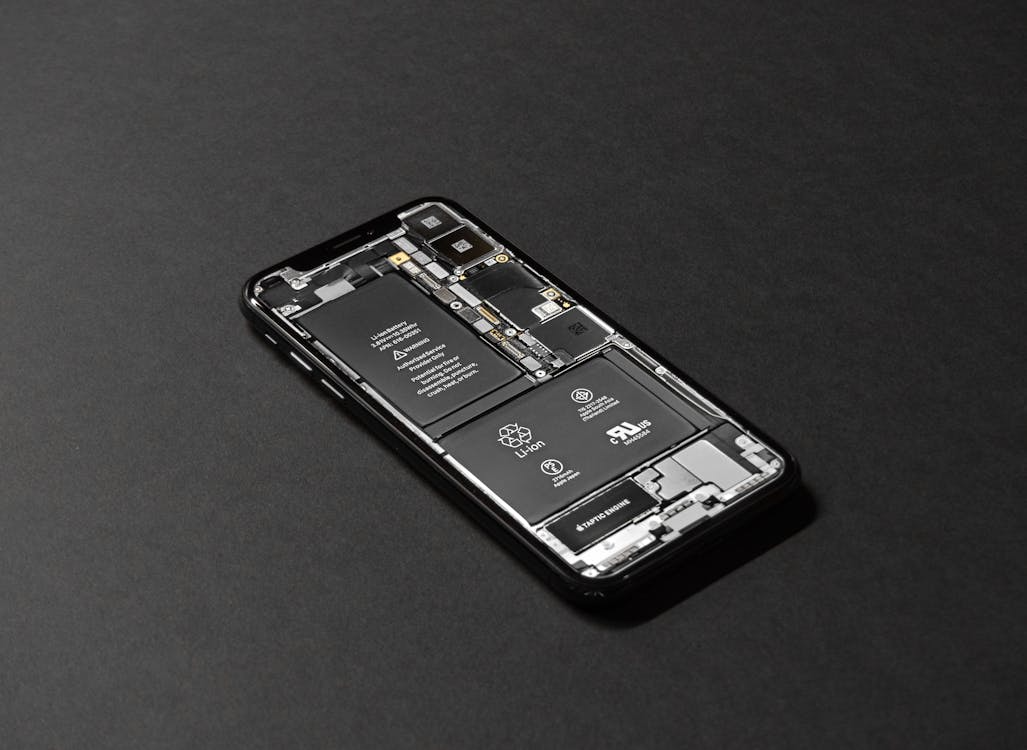
This is a commonplace exasperation: your own good phone begins to die at lunch, and you think of having it repaired at a high price, only to contemplate an upgrade instead. In an effort to address the problem of electronic waste, the European Union has enacted a regulation (EU) 2023/1542 requiring that the majority of smartphones have batteries that can easily be removed by 2027. The purpose of this transformation is to enable users to easily repair their devices, although even premium-level devices may simply miss out on the design makeover altogether.
Mandate for Easy Battery Swaps
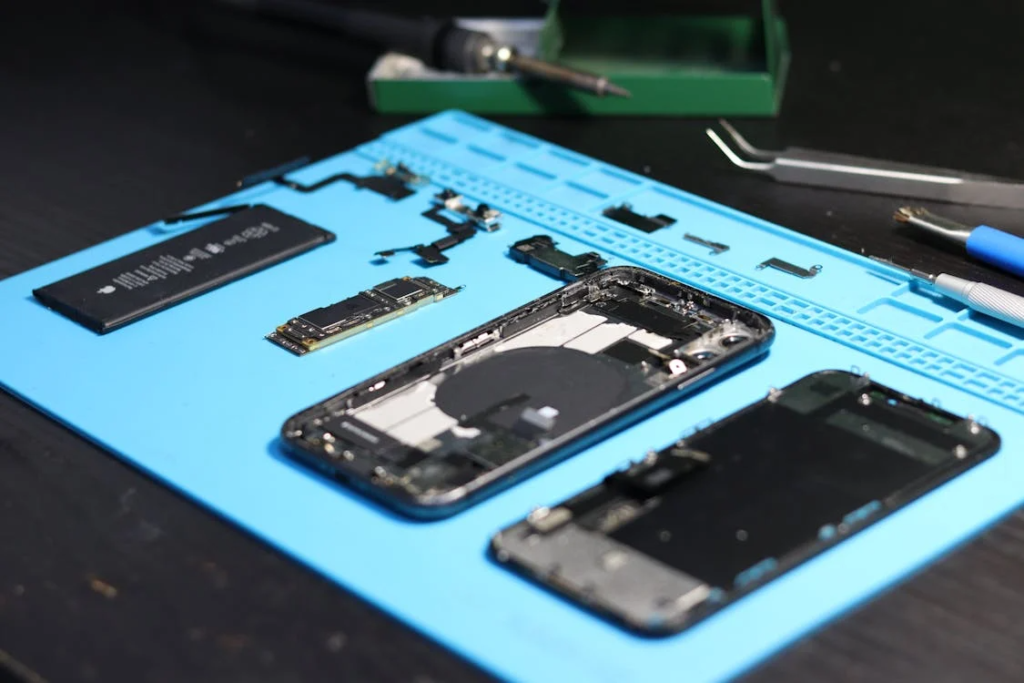
The new regulations stipulate that the manufacturers have to make sure that the batteries can be pulled out with simple tools that can be found in the market. The aim is to deter the so-called culture of throwaway that is currently adding to the millions of tons of e-waste.
Goodbye to Heavy Glues

The application of industrial adhesives and heat is a major challenge in repairing phones in the modern world. The EU regulation particularly does not require the use of thermal energy or solvents when removing the battery of most portable electronic products.
Spare Parts for Everyone
Companies beyond only the physical design will be mandated to supply replacement batteries for at least five years. This could mean that older models will be in use long after they have come out of store shelves.
High Performance Exemption Rule
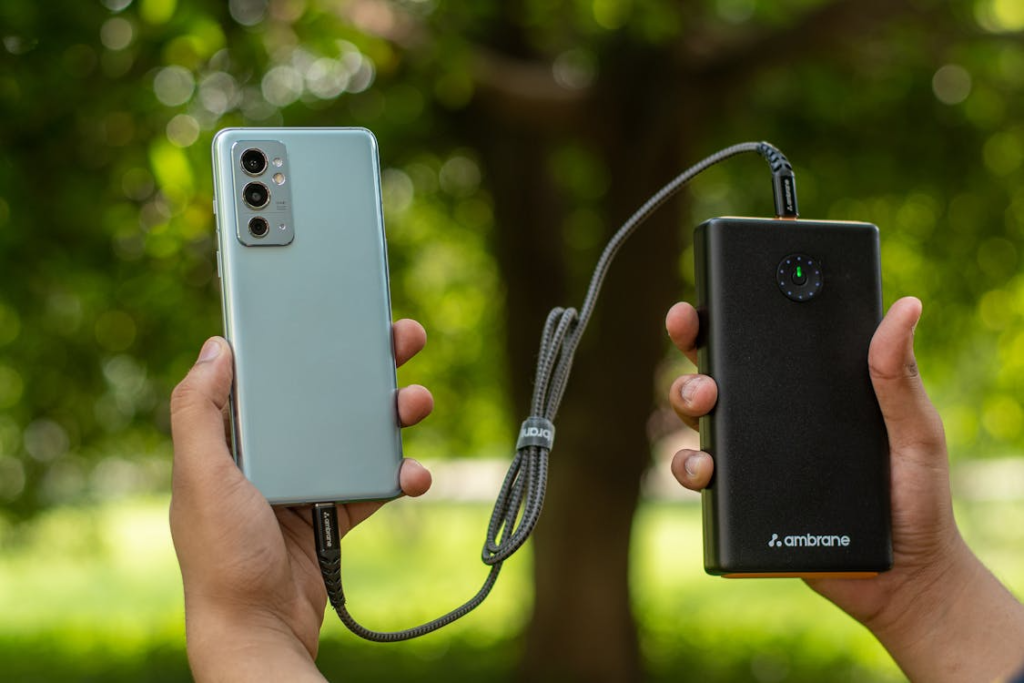
There is a catch: it may not apply to the devices that preserve 80 percent of battery capacity in 1,000 full charge cycles. Studies have shown that already certain high-end smartphones are close to this threshold, which might enable them to retain their sealed designs.
Water Resistance Trade-offs
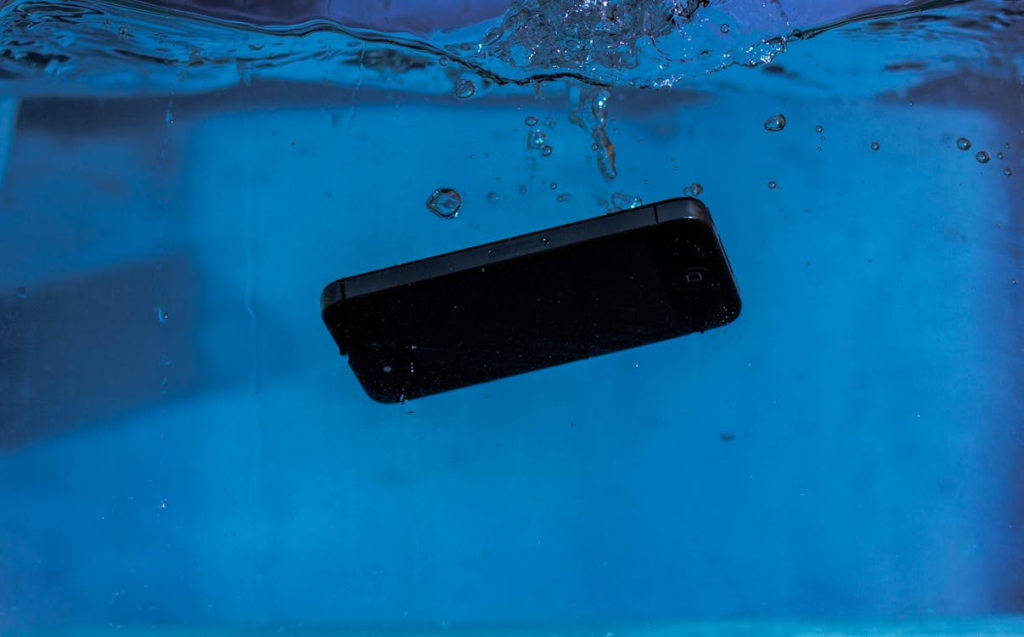
A high IP rating water and dust resistance is one of the major concerns of manufacturers. Design-sealed designs inherently are more airtight, and some professionals are concerned that removable backs may cause decreased device life in moist conditions.
Impact on Global Markets

Although these laws technically apply to the EU, the so-called Brussels Effect frequently implies manufacturers use the same standards all over the world. A brand can tend to be less expensive when creating a single global version instead of two differing designs.
Better Labels for Consumers
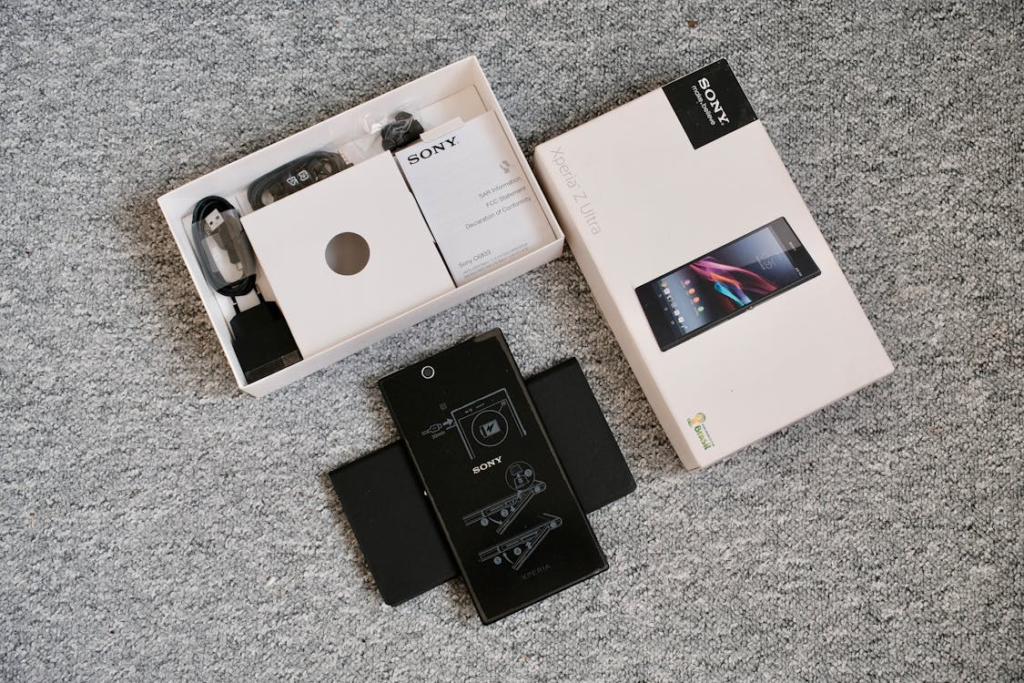
Beginning in 2027, the phones sold in the EU will probably have labels that specify battery life and a repairability rating. This could assist you in making a more considered decision on what the duration of a device may be.
Fighting Planned Obsolescence
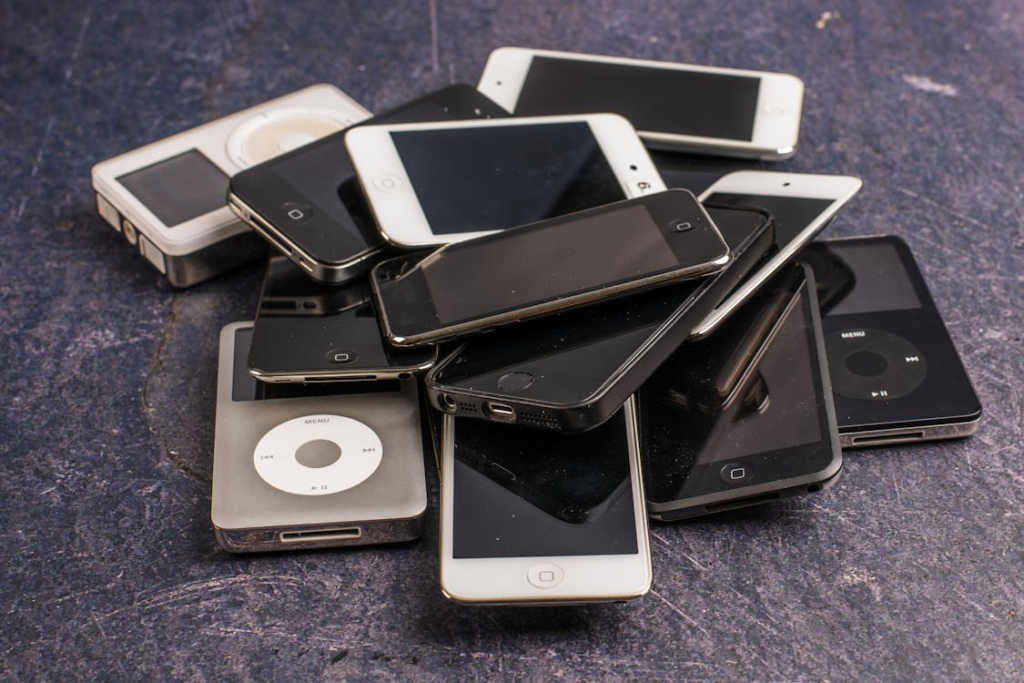
Consumer advocates believe that hard-to-repair products are a kind of planned obsolescence. The EU will be attempting to greatly increase the average lifespan of a standard smartphone by ensuring that the battery, the part that is most likely to fail, is replaceable.
Challenges for Slim Designs
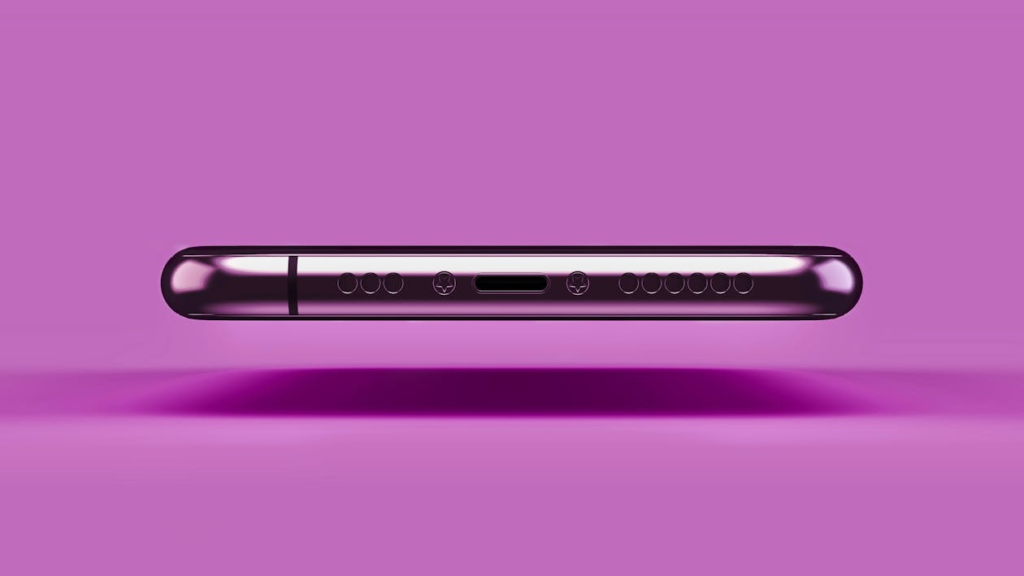
Manufacturers tend to glue in order to save invaluable millimeters of room within the chassis of a phone. Switching to mechanical fasteners could result in a little fatter device, but battery technology is being made more energy-concentrated to offset this.
Environmental Goals and Waste
The European Commission estimates that these measures will assist consumers to save billions of dollars by 2030. One of the pillars of their overall 2026 action plan on the circular economy is the reduction of discarded phones.
Future of the iPhone
Should Apple keep refining battery chemistry, they may not even have to provide a removable battery in the conventional sense of the word. It is yet to be established whether other flagship brands will pursue this high-durability route.
