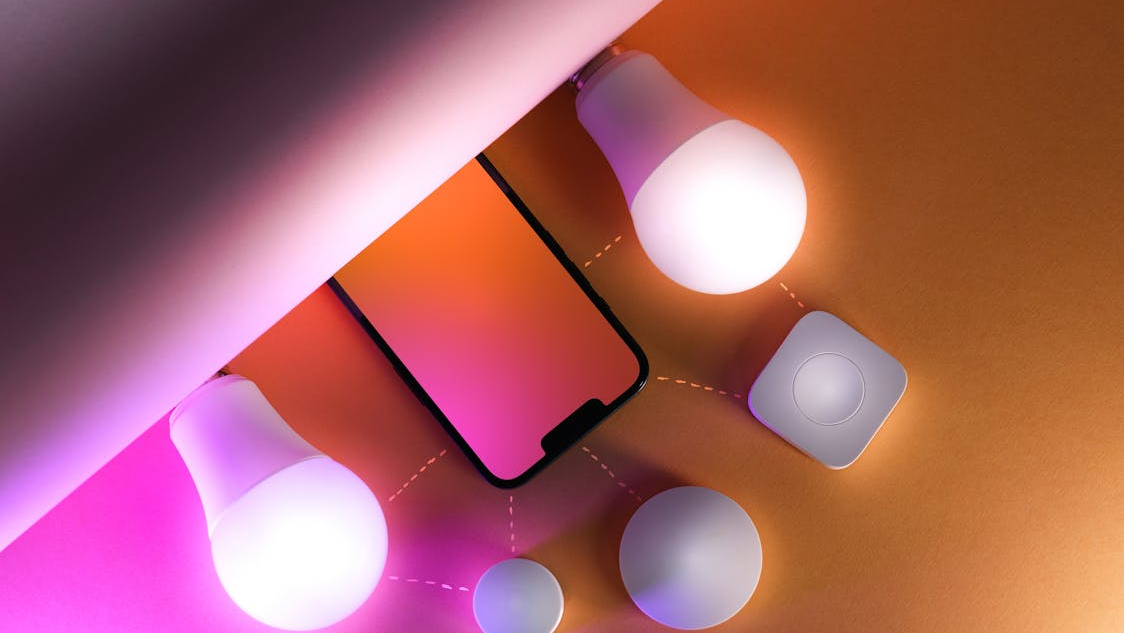
It seems like only yesterday we were blown away by smart bulbs you could switch off from your mobile phone. But today, with 2016 reports from groups such as the Consumer Technology Association, we see a move towards homes filled with AI. And these smart gadgets are no longer just high-tech “toys” but are becoming useful devices that can help us balance our time, save energy, and even keep us healthy with astonishingly accurate clinical-grade accuracy.
AI Ovens That Recognize Food

Recently launched countertop ovens with cameras and sensors to detect what food you are cooking. At recent technology shows, they were claimed to sense what you’re cooking and adjust the temperature in the oven accordingly.
Smart Rings for Better Sleep
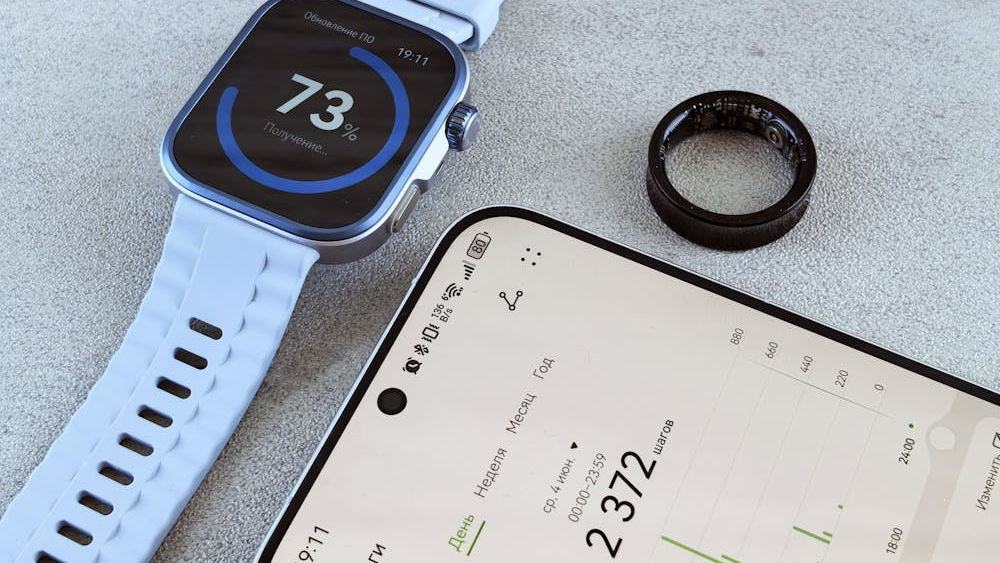
The newest smart rings are a hit with those who don’t like to wear watches to sleep. Frontiers in Technology shows that their small sensors can accurately track heart rate during sleep.
Dual-Zone Smart Air Fryers

New air fryers include two cooking chambers that can be set to cook at the same time. This could help the process of cooking for the family become more streamlined.
Smart Locks With Biometric Access

No more keys lost or stolen: the new locks use your fingerprint or palm print. Market data reveals they are evolving into an essential home device and may deliver safer, easier access.
Room-Aware Lighting Systems

Lights are now powered by AI to track your movement patterns. The color and intensity of the light change throughout the day, which could improve your circadian rhythm.
Satellite-Enabled Fitness Watches

The latest fitness trackers will have built-in satellite communications. This may offer some reassurance to those who are hiking and running in remote locations with no cell signal.
Smart Nugget Ice Makers
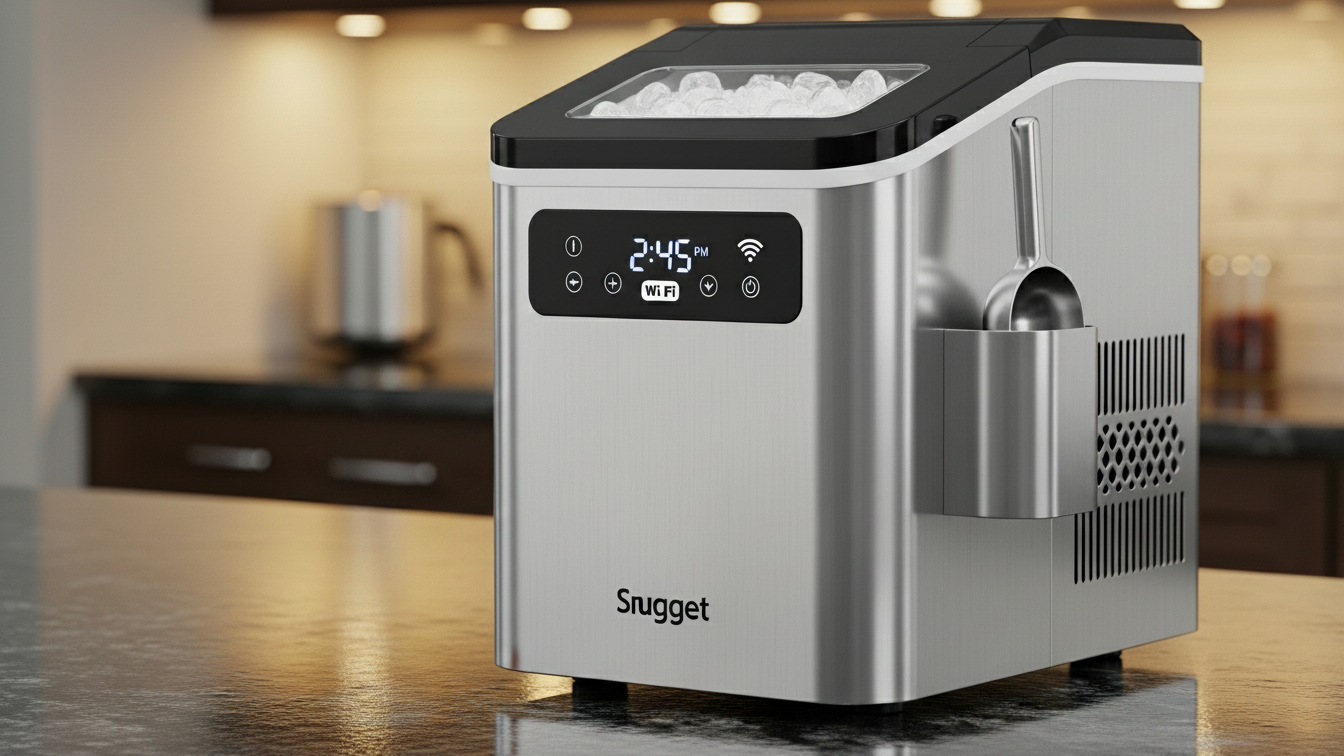
Compact ice makers creating “good ice” are all the rage in U.S. homes. These silent machines can be controlled by apps, so you may have the right ice for your next party.
Continuous Glucose Monitors for Wellness

Previously used only for medical purposes, stripped-down glucose monitors are popular for overall health. Research in Nature Medicine shows how they may help people understand the effects of certain foods on their energy.
AI-Powered Indoor Smokeless Grills

Thanks to sensors, indoor grills can tell how thick your steak is. They then regulate the grill’s temperature, which could just possibly free you from having to light charcoal to get that delicious grilled taste.
Smart Water Leak Detectors
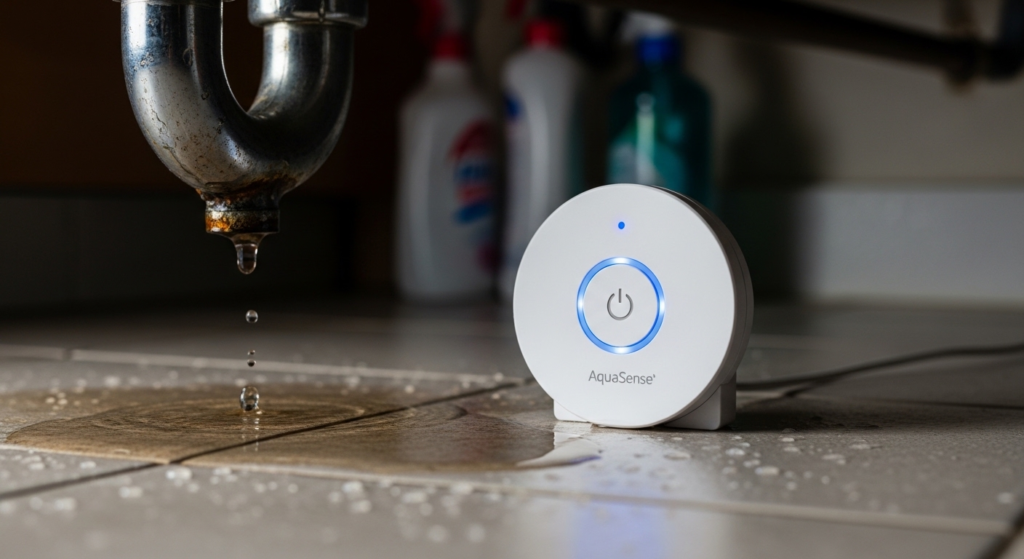
Sensors can now be placed under sinks to alert your phone if a leak occurs. The system could potentially save you a lot of money in water damage due to concealed leaks.
