
The promise of artificial intelligence, that it would usher in a shorter workweek, has been a hope of many, but data seems to indicate that a different story is unfolding. According to the large-scale study conducted by the Upwork Research Institute, almost 77% of the workers who have used AI say that it has made their jobs more challenging. Rather than resting, we’re using the very tools that were supposed to save us time each day more and more to manage them.
The Unexpected Productivity Paradox
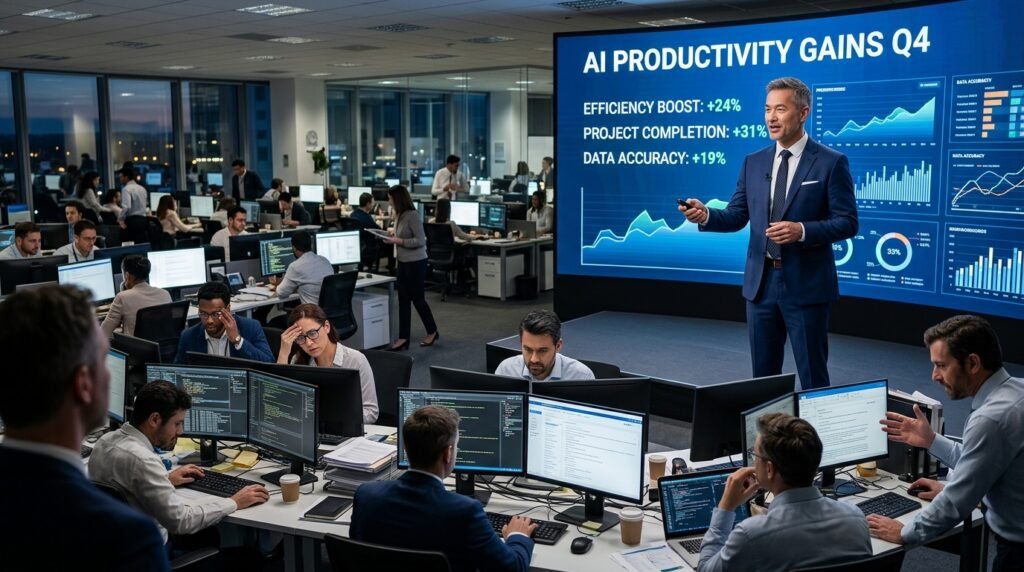
Executives are nearly unanimous in saying that AI will increase productivity (96%), but employees report that AI also adds new tasks that could lengthen their daily workload and workload in general.
Reviewing AI-Generated Content Takes Time

Upwork reports that approximately 39% of workers spend a considerable amount of time reviewing and editing AI-generated content. This “workhorse” scrub may be taking away the technology’s promised speed gains.
Learning Curves Are Steeper Than Expected

Some 23% of employees report spending additional hours just to understand how to get these new systems up and running effectively. We may be in a never-ending cycle of learning with constant software updates.
Higher Expectations From Leadership Roles

According to surveys, 81% of world leaders have raised the requirements of employees over the past year. It would appear that the faster a task becomes, the more of them some employers would add.
Fragmentation of Our Focused Attention

According to the data in the report by ActivTrak for 2026, the average amount of focused work sessions has shrunk by 9%. The constant alerts and AI interaction may be disrupting our natural workflow.
The Pressure to Perform Instantly
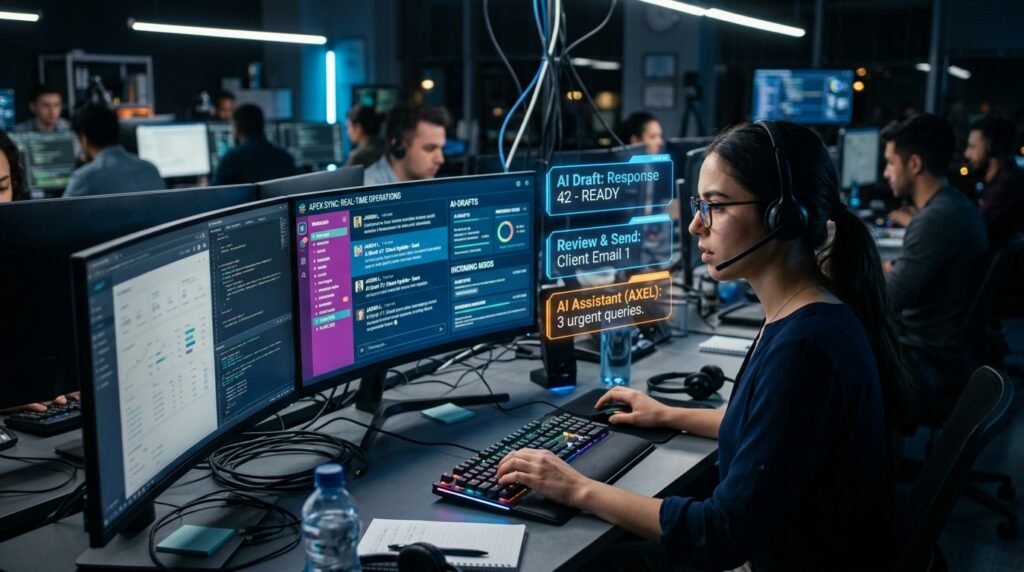
As AI-generated drafts speed up the creation process, there could be a shift in the work culture toward expecting quick answers. The “always on” environment may contribute to additional time spent on digital dashboard oversight.
New Responsibilities for Junior Staff

As AI takes over repetitive duties, entry-level positions are evolving, as outlined by research from McKinsey. Younger workers may now be expected to be in charge of complex AI oversight earlier in their careers than before.
Rising Levels of Employee Burnout

71% of full-time workers feel burned out. Learning new tech and production quotas may be hurting us as a people.
High Stakes for Skilled Workers

When an employee becomes an AI expert, he or she is frequently entrusted with even more responsibilities. They may end up working overtime to meet the demands of the organization, since their skills are in demand.
Shifting From Creators to Editors

Most of the professionals are more like curators/editors. This may seem like the easier option, but going through each and every detail of the website to ensure everything is accurate can be just as stressful as starting from scratch.
Looking Toward a Balanced Future

These developing pains can be temporary as we get used to them. What we all hoped to get as a result of lighter workloads in the first place may be realized in the future through rethinking what success means.
