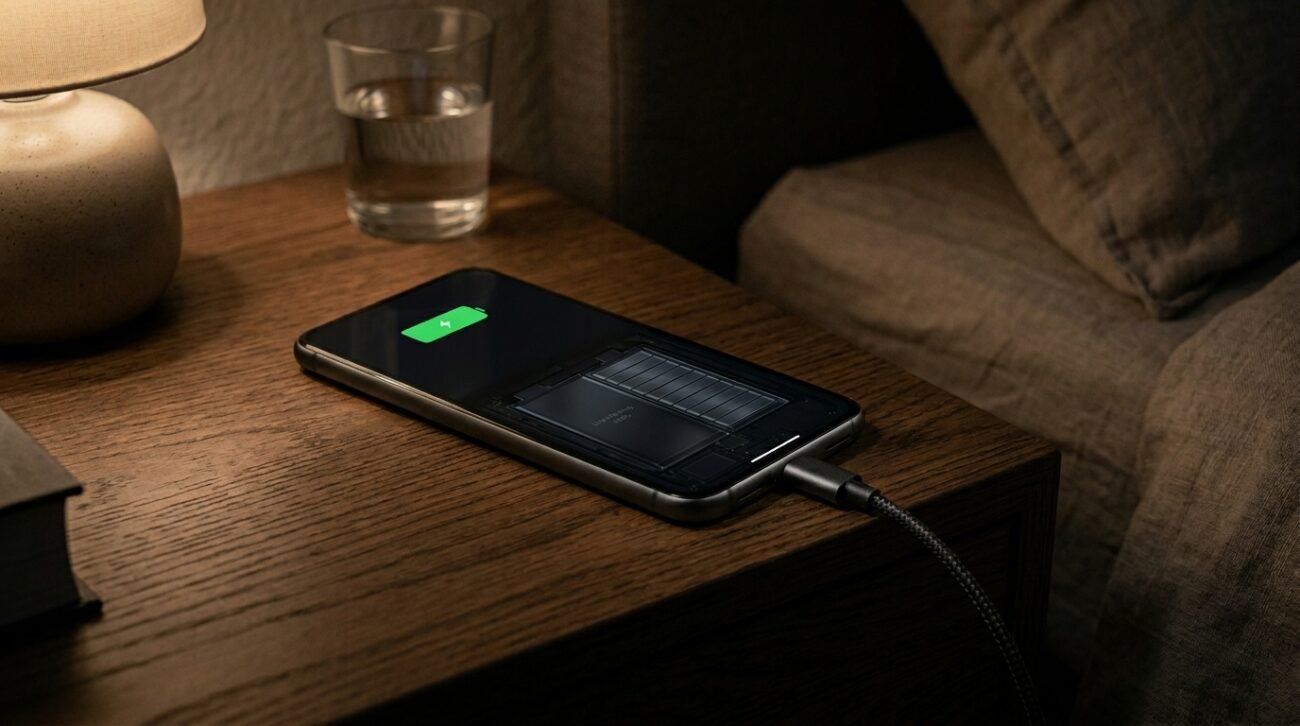
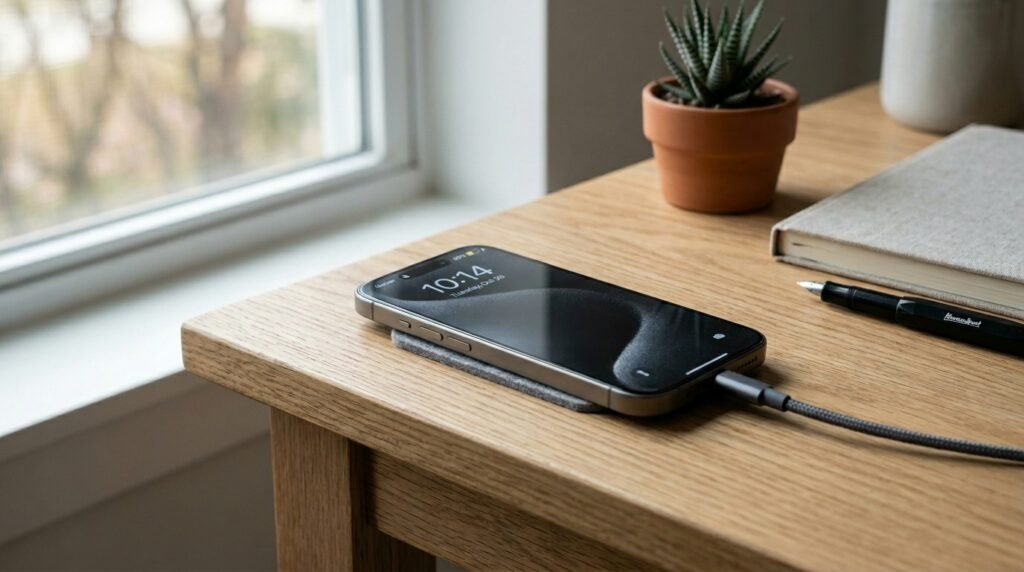
At some point, we’ve all been there, late at night, looking at a phone to ensure that little green bolt makes it 100% or more before we go to sleep. The idea of filling up the morning with a full tank sounds great, but research from sites such as Battery University indicates that lithium-ion batteries could suffer chemical damage at their full voltage. Knowing what these cells do in response to your daily habits may save you from a midday shutdown.
Lithium Ion Stress Levels

Most modern smartphones are lithium-ion-type, which work best when the ions within the device are not pushed to their limits. Maintaining the battery at full charge could have the effect of causing the battery to age faster than it should.
Overnight Charging Habits

If your phone is plugged in during sleep, the battery is kept in a high-voltage mode for extended periods. This “trickle” may lead to the battery wearing out much before its time.
Partial Charging Benefits

Small charges during the day (known as “snack charging”) are suggested as being gentler. This habit could help keep the ions less stressed than with one extended session.
The Eighty Percent Rule
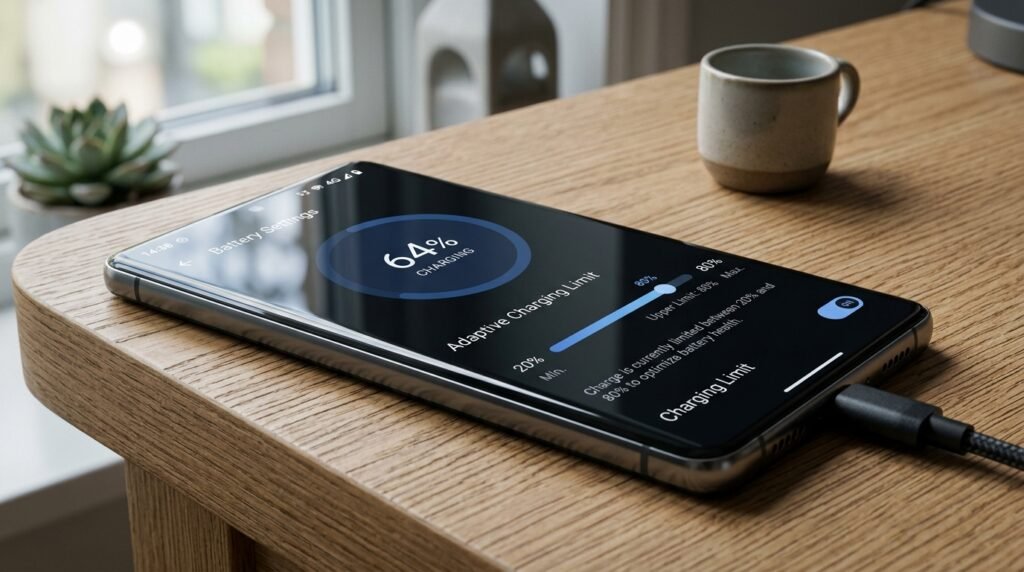
There is a rule among tech enthusiasts that they have to follow for longevity: 20 to 80. This middle zone could be enough to double the charge cycles your battery can endure before it begins to deteriorate.
Fast Charging Pressures
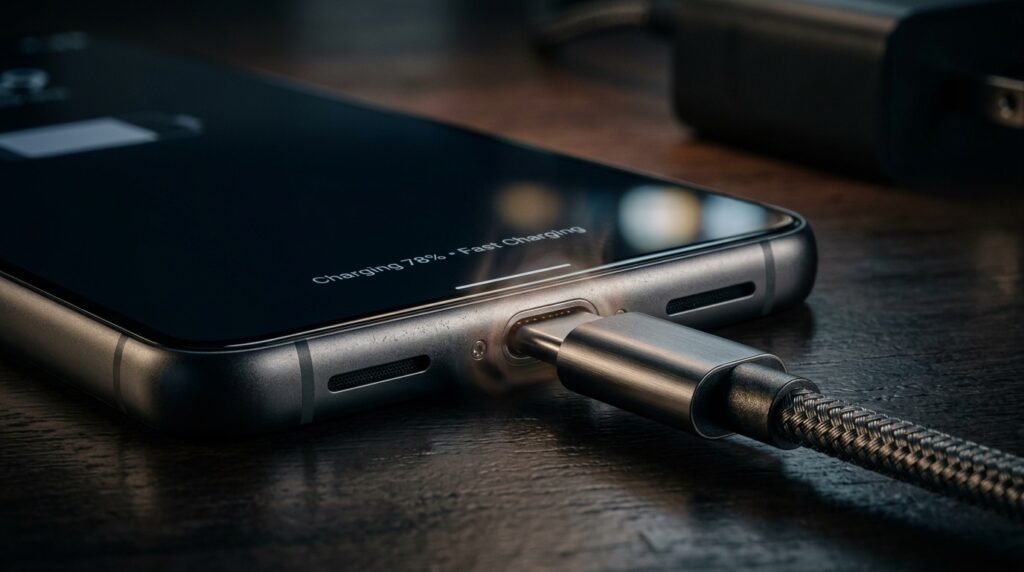
The more internal resistance, the higher wattage fast charger generates to reach 100 percent. This can add up to a fast-capacity battery, which may make your battery lose its “spring.”
Software Protection Features
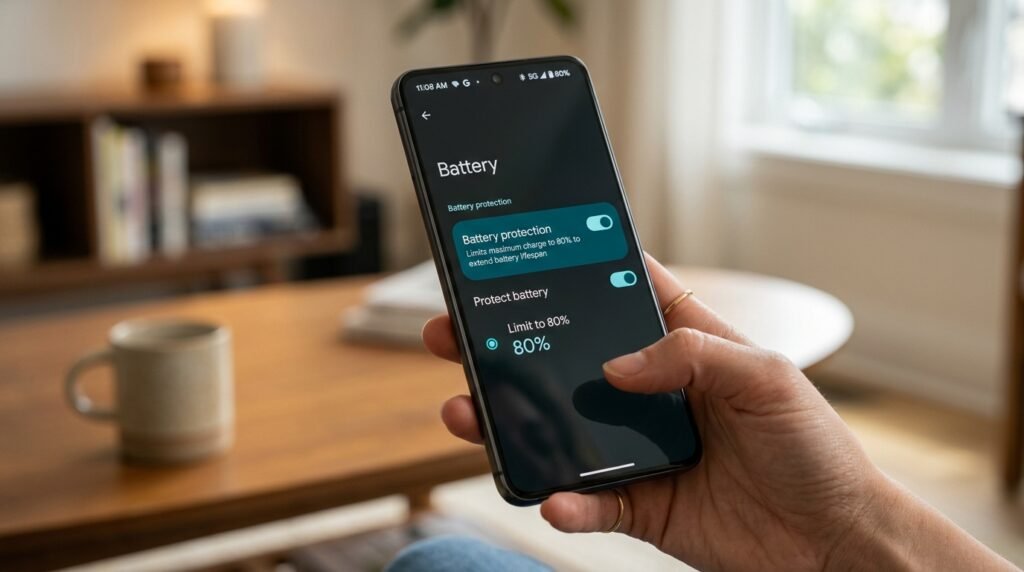
Some manufacturers, such as Apple and Samsung, now have a “Battery Protection” option, which limits charging to 80 percent. Using any of those built-in tools could be an easy and effortless means of hardware protection.
Parasitic Load Effects
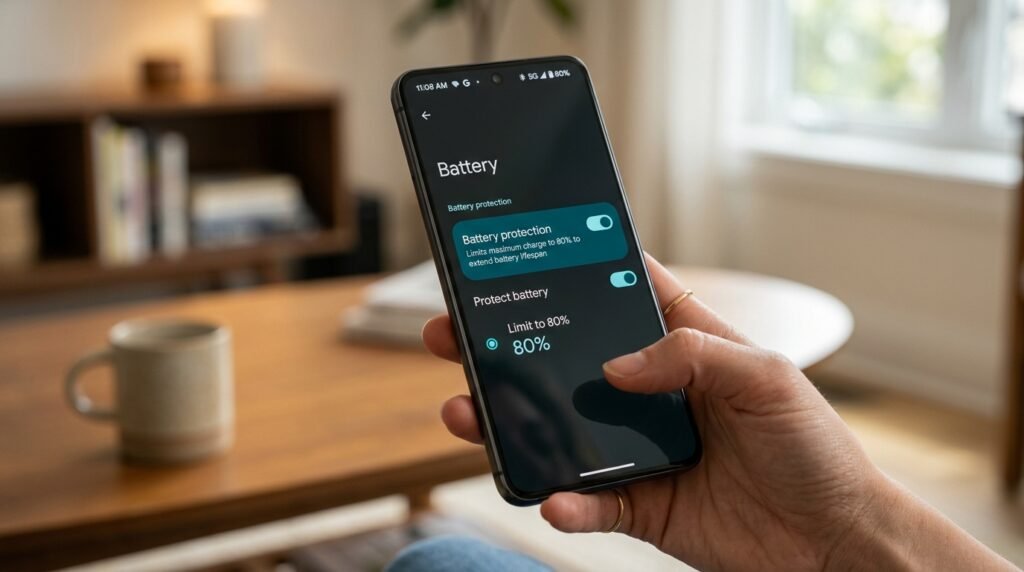
If your cell phone is plugged in at 100 percent, it generates a “parasitic load” as you use it. This eliminates situations where the battery is allowed to sit, which can lead to a distorted charging cycle and wear, researchers say.
Cycle Life Reality
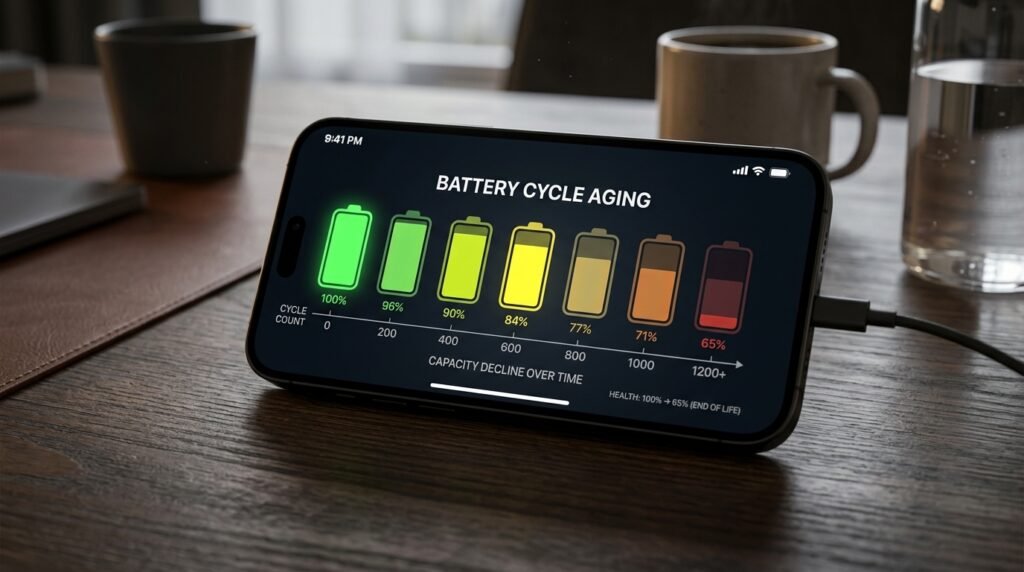
All batteries have a finite number of “full cycles” before they become appreciably degraded. You may have a chance to delay hitting the limits by not going to 100 percent.
Environmental Temperature Factors
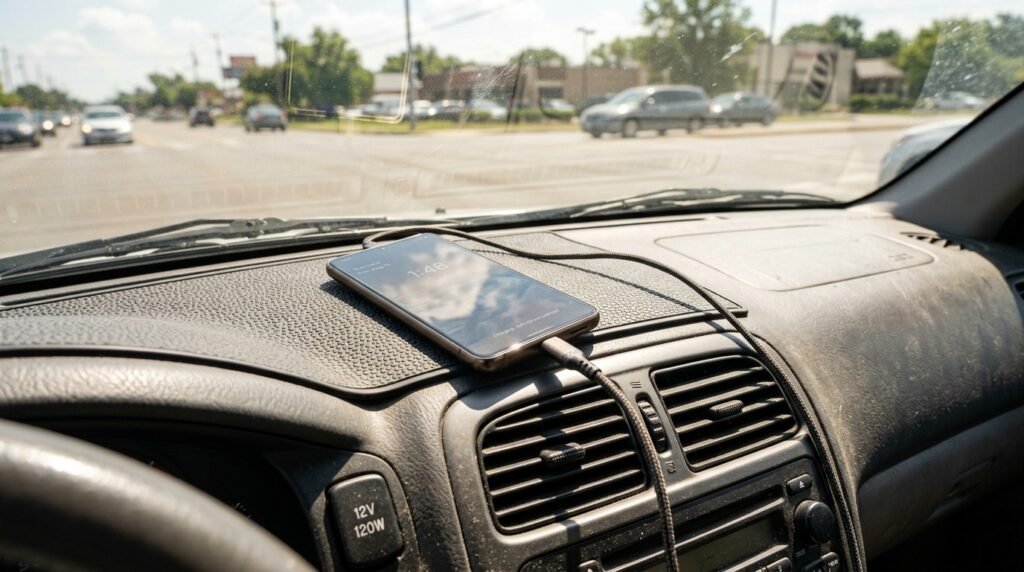
It’s especially dangerous to charge in hot conditions, such as a sunny car dashboard. Heat, along with high voltage, is the quickest method to kill a battery, according to scientific facts.
Cold Weather Impacts
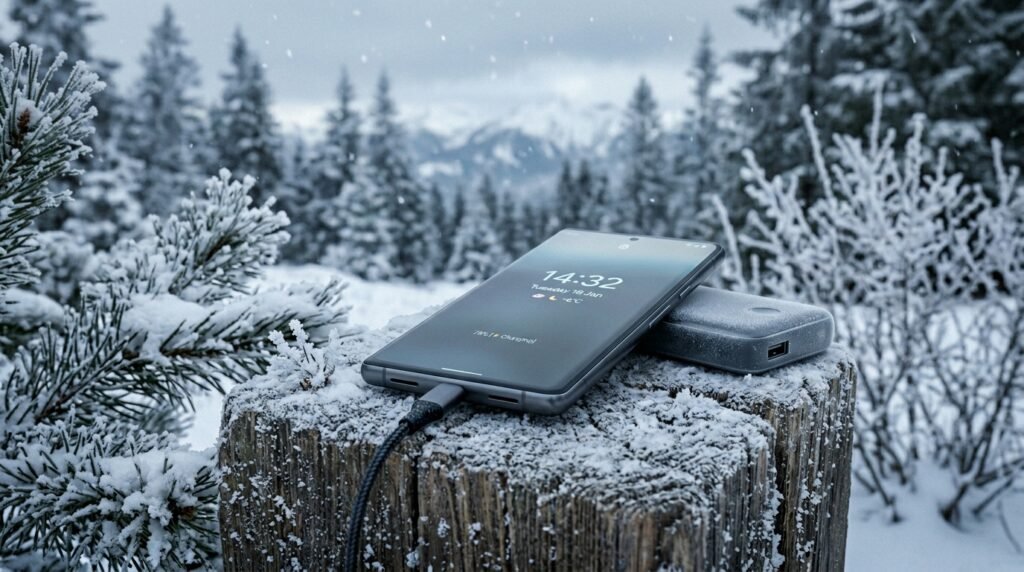
However, being able to reach full charge when it is very cold can also be stressful. Batteries will be most stable at room temperature, and they may be damaged if a cold charge is attempted to 100 percent.
Long-Term Storage
The experts recommend keeping the phone at 50 percent when it’s not in use for a while. A device stored at 100% may result in permanent loss of capacity.
