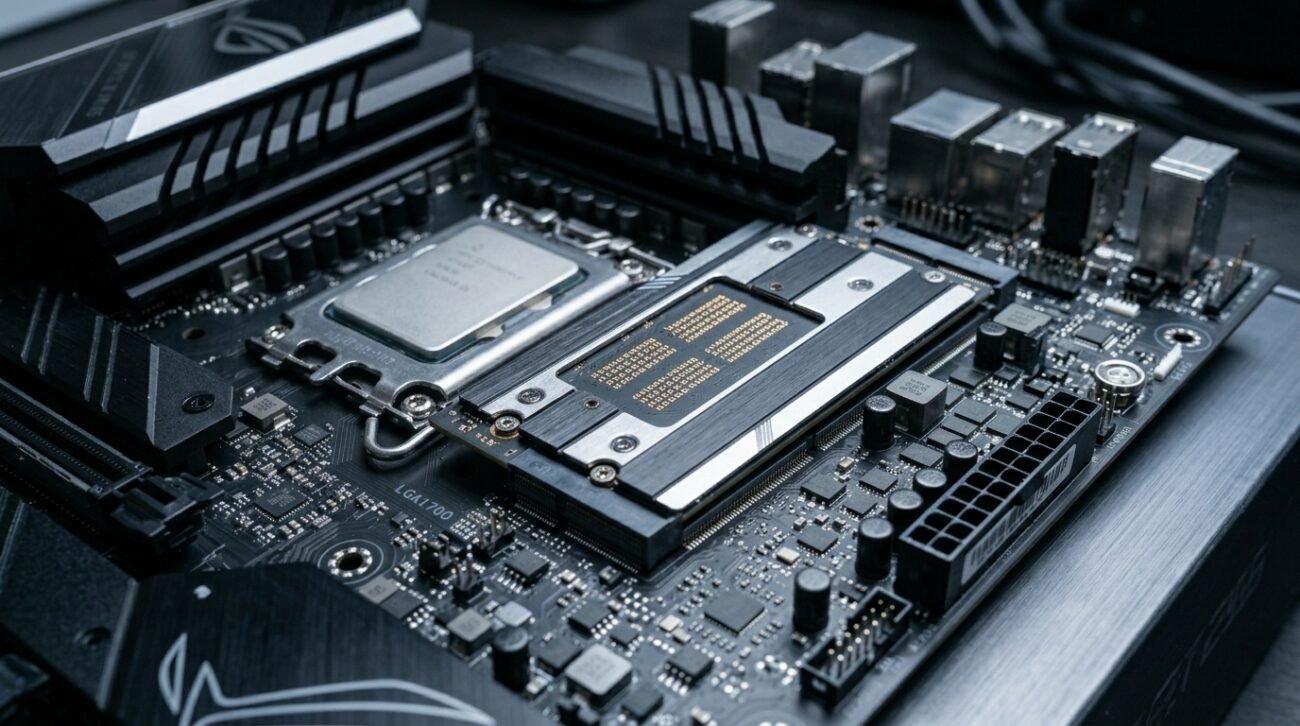
We’ve been using rectangular sticks in motherboards for a long time, but perhaps the days of the traditional DIMM are numbered. The final details of CAMM2 have been announced by JEDEC recently, indicating a monumental change in methodology in memory integration. This new design may be able to overcome the space and speed constraints and provide a snapshot of what the future of our computers might look like.
Saving Precious Internal Space
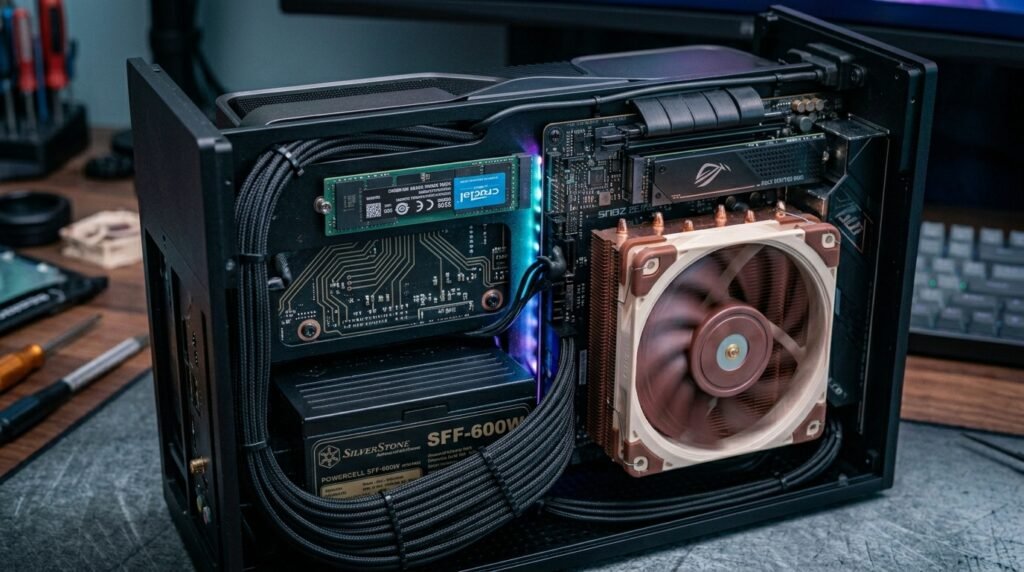
This new module sits flat against the motherboard, as opposed to the bulky RAM sticks, which stand up. This ingenious design may provide more space for bigger batteries or more effective air-cooling systems within mini cases.
Better Heat Management Potential
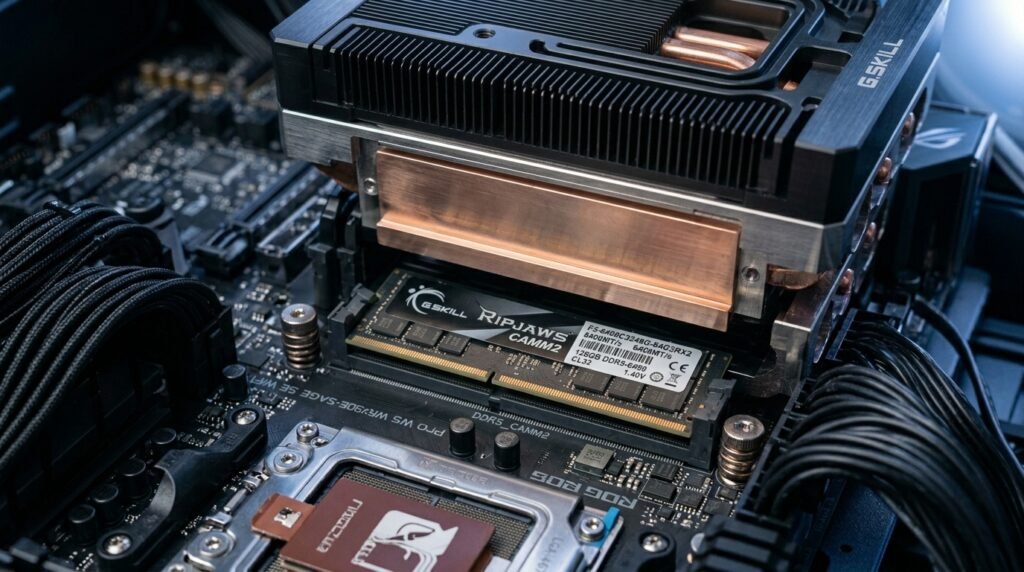
The flat surface size of the new modules could enable closer contact with the cooling plates. Better heat control might be able to stop performance reductions that occur when your system runs too hot.
Goodbye to Slot Limitations
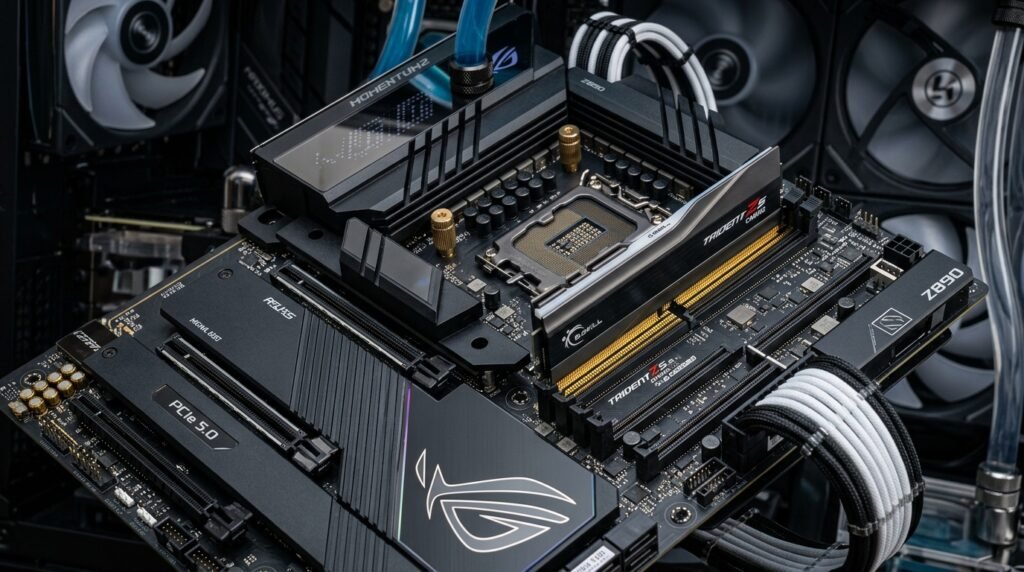
The standard motherboards typically come with only two or four memory slots. This new design could enable much higher capacities on a single module that may make 128 GB of RAM more common for those who enjoy overclocking.
Solving the Dual-Channel Headache
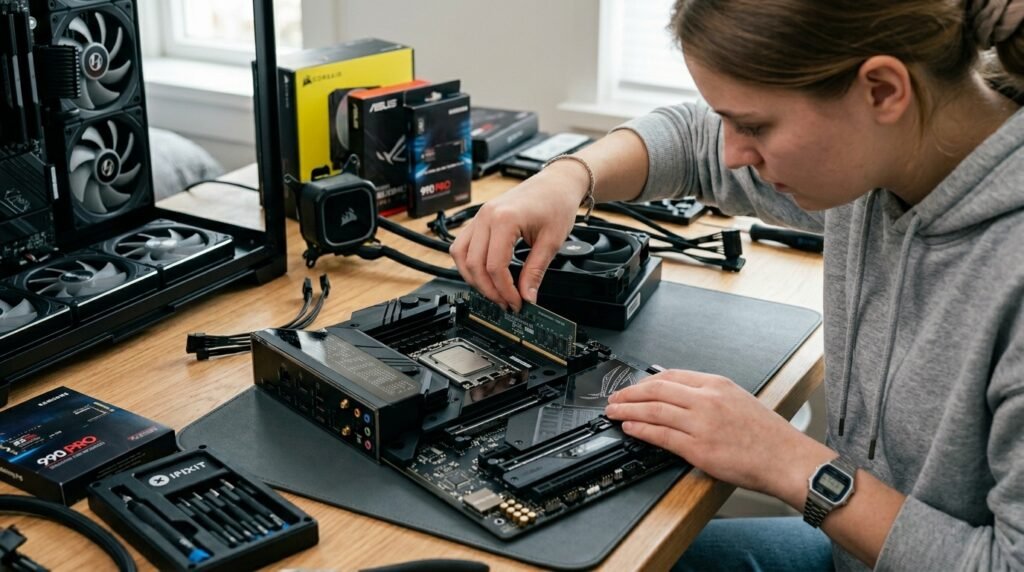
Typically, two sticks are required for best performance, although a single CAMM2 module will include dual-channel memory internally. This may make the building process easier for people new to the PC world.
Improving High-Frequency Stability
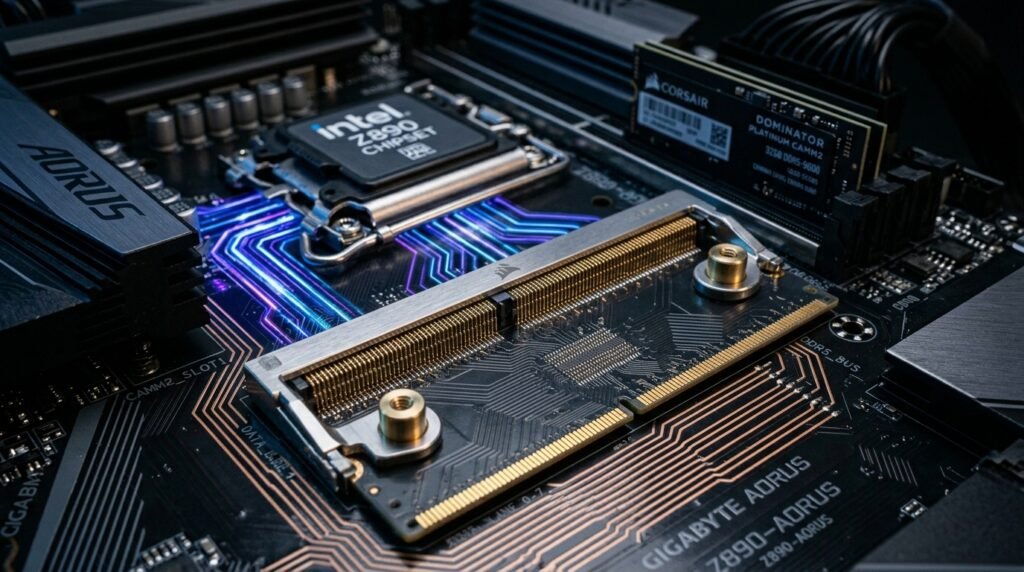
Since DDR5 is getting faster and faster, electrical interference is becoming a significant problem. These modules may be able to offer a direct connection that can significantly decrease signal noise, resulting in a much more stable system at high speeds.
Lower Power Consumption Possibilities
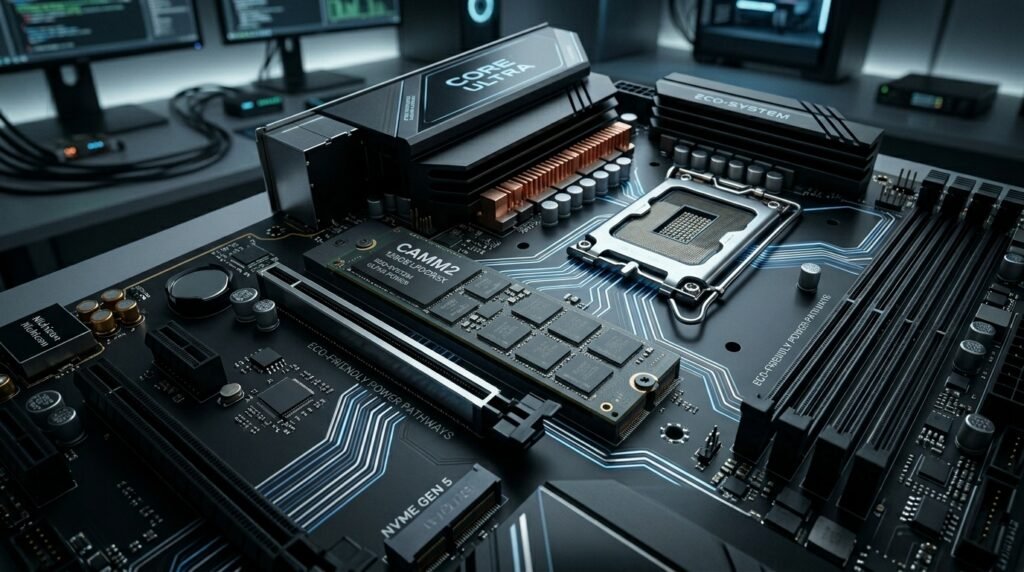
In the modern tech arena, the word is “efficiency.” These modules can help to minimize the complexity of the motherboard connections and can also help to reduce the overall power consumption of a computer system.
Bridging the Performance Gap
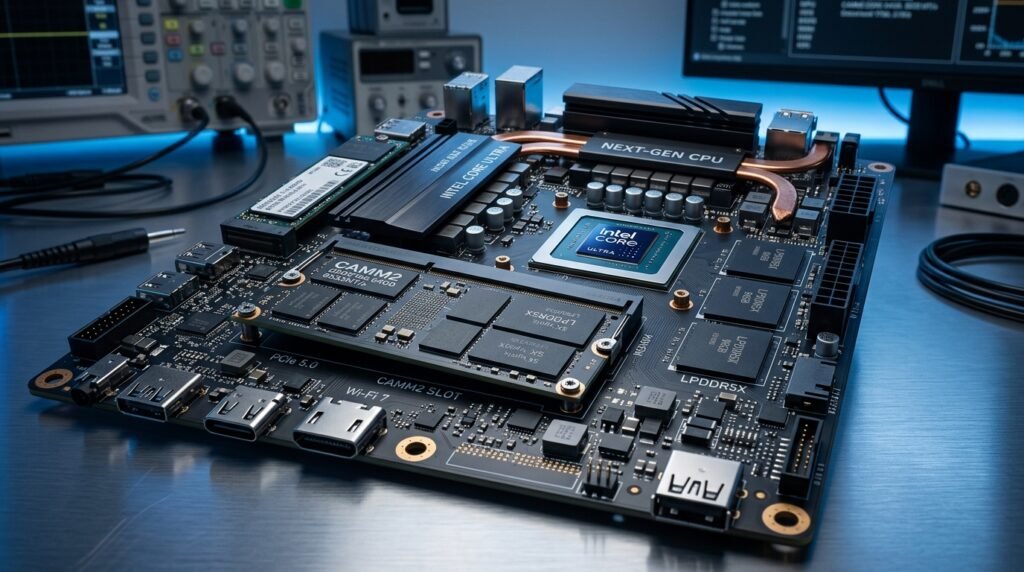
LPDDR5X memory is typically soldered down, but CAMM2 could enable the same performance in a modular format. This might provide a combination of speed and flexibility that could prove ideal for builders.
Support From Major Manufacturers
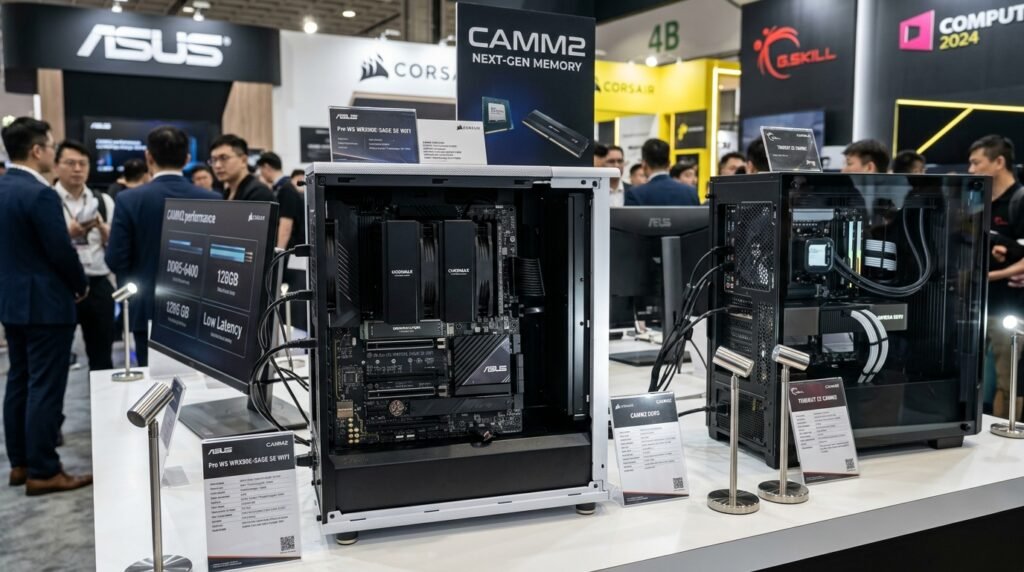
High-end systems are already heading in this direction with industry giants such as Dell and Kingston. They’ve pioneered its use, and that could mean it’s a viable option for all consumer computers in the future.
Potential Cost Challenges Initially
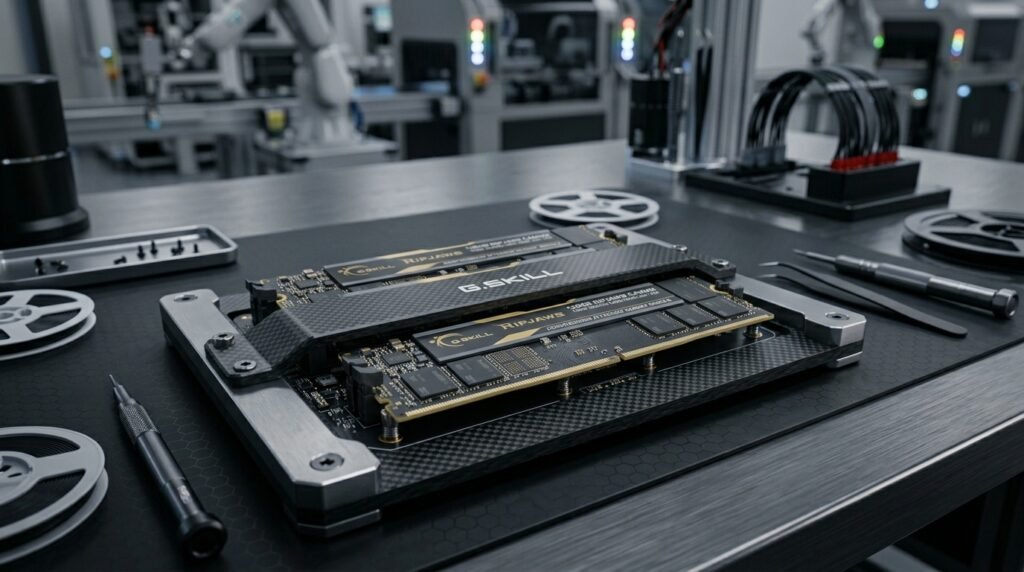
As with all new tech, these modules may come with a higher price tag when compared to normal RAM in the beginning. New entrants may have to pay a premium until the production becomes more efficient and popularized by other brands.
The Future of DIY Building
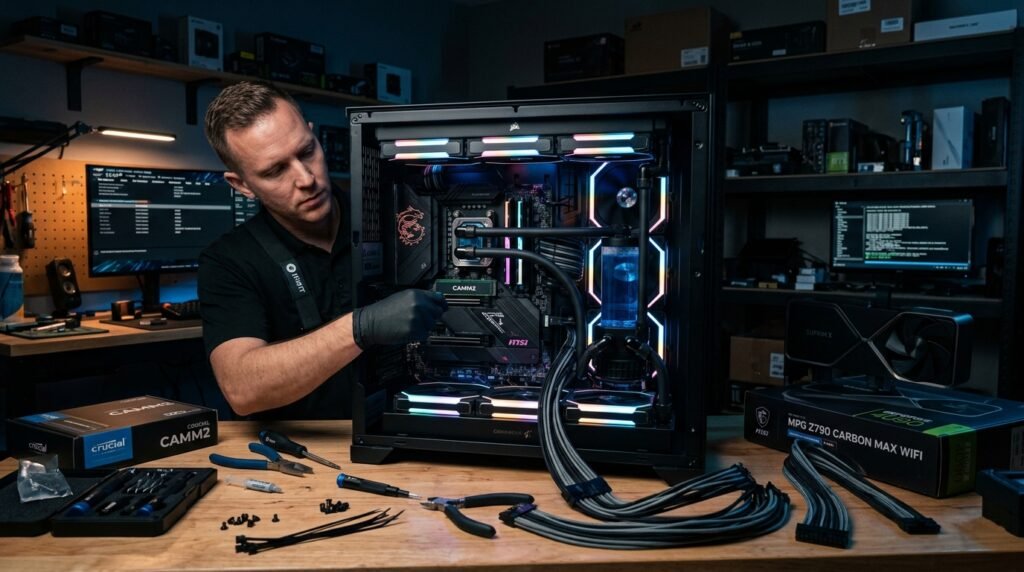
Although it’s a different style, the essence of building is the same. The new interfaces may be the next frontier in learning for all those who enjoy creating their own devices.
