
Mind reading has been science fiction for decades. However, with the progress in artificial intelligence and the technology of brain-imaging, we are getting closer to cracking the code of the human thoughts, not through magic, but through pattern recognition. Scientists are also training AI to understand the brain activities and converting them into words, images or intentions. The technology does not actually read your mind, but, based on the neural signals, can be used to recreate ideas with startling accuracy. This innovation could revolutionize communication of non-speaking people, however, it also creates significant ethical and privacy concerns. This is what is actually going on behind the headlines.
How AI Reads Brain Signals
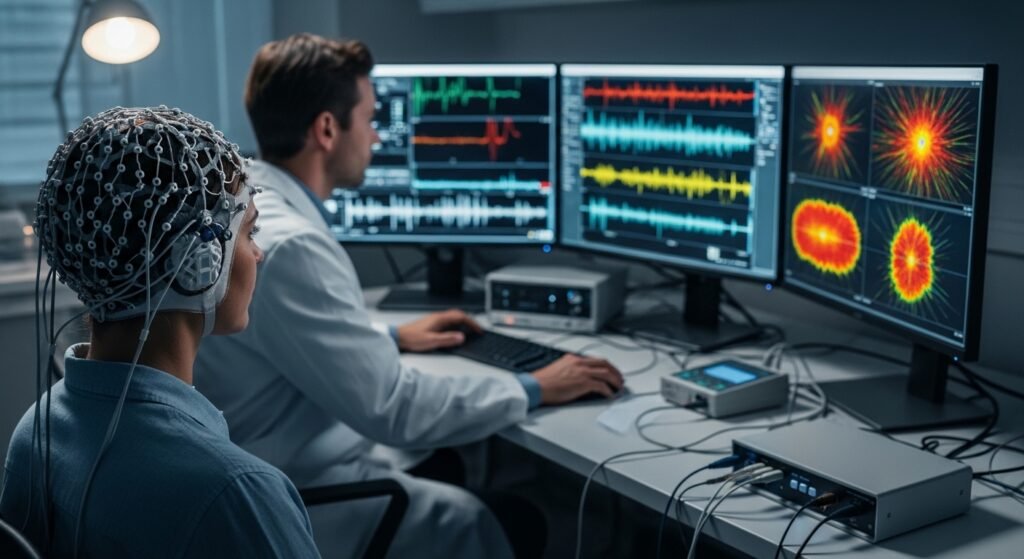
The contemporary systems are using AI models along with brain-imaging systems such as fMRI or EEG scans. The machines record the neural activity patterns. The AI is then trained to recognize the brain signal patterns that are associated with words, images or concepts.
It is Pattern Recognition – Not Telepathy

Thoughts do not enter AI. Rather, it examines the activity of the brain as an individual listens to narratives, watches photos, or contemplates certain challenges. The model makes predictions over time based on detected common signal patterns.
Actual Advances in Speech Reconstruction

Recent research has revealed AI reconstructions of rough versions of sentences that a person was hearing or picturing. The outputs are not flawless but the gist of thoughts are obtained quite well.
Potential Life Changing Medical

The technology would assist stroke survivors or individuals with paralysis to speak using brain-computer interfaces. AI can recover the lost voices by converting neural activity to text or speech.
The Concerns of privacy are on the rise
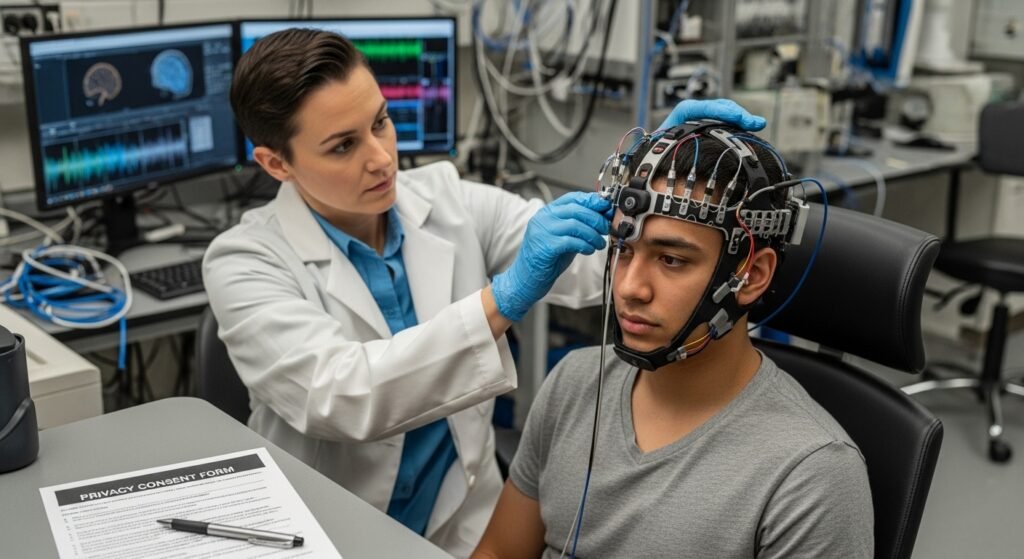
There are concerns that are raised with the concept of decoding thoughts. Scholars emphasize that the existing regimes have to cooperate with each other, train data, and have specialized equipment – they do not need to be able to read minds somewhere in the distance.
Accuracy Still Has Limits
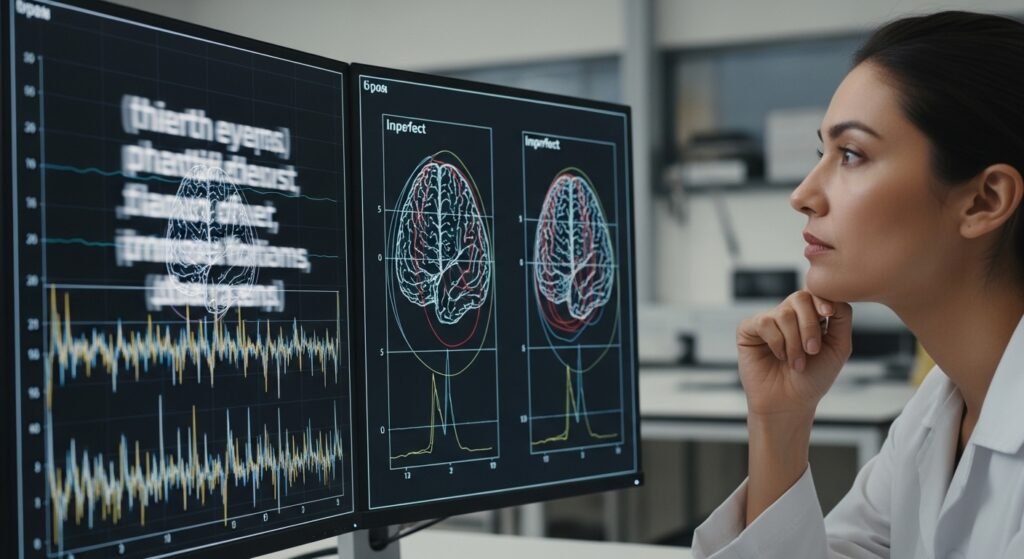
The interpretations of AI tend to be rough. They can generalize meaning but fail to capture nuance or see context. Brain signals are complicated and are different among people.
Ethical Questions Ahead

Who owns neural data? Is such technology being abused by employers, governments or advertisers? The regulation and the ethical frameworks will become more relevant as the capabilities are raised.
The future of This Technology
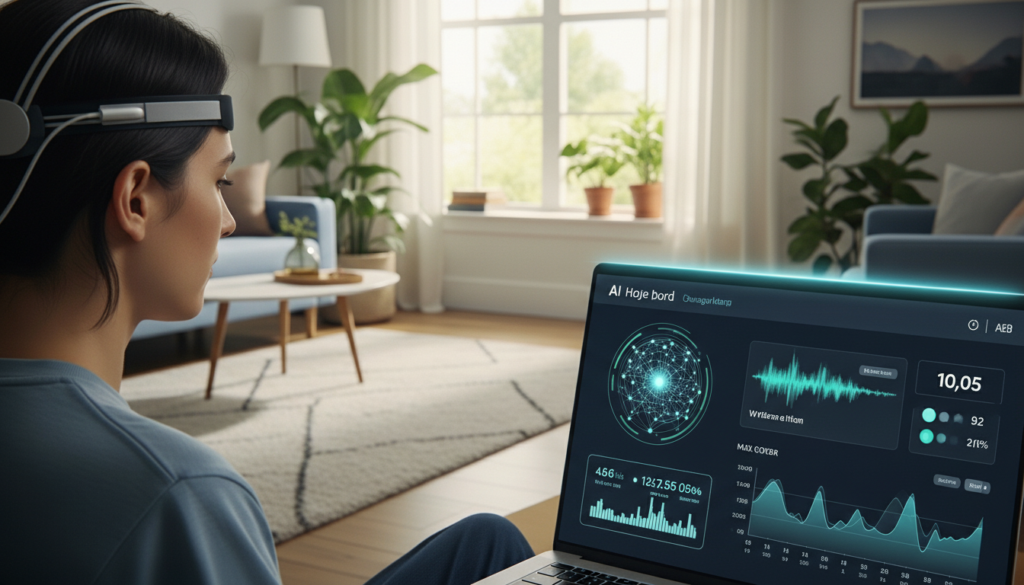
Scientists are making models more efficient by operating them more quickly and with less obtrusive machinery. There are also future systems which can be run with the help of wearable technology rather than using giant scanners.
The Bottom Line

AI is not yet able to read your secret thoughts, at least not literally. Yet it is rapidly becoming good at reading patterns in the controlled activity of the brain. It is an unbelievable healthcare and communication commitment. It is even more of a burden to use it wisely.
