
Children do not just develop under instructions but they have chances to accomplish things independently. Freedom can enable children to discover their potential, make choices and get to learn through practical experience. As much as parents are expected to protect and assist, age-related freedom develops confidence and strength among children. Being independent does not necessarily imply not being supported, it implies that the child is slowly being taught how to live and hopefully believe in themselves to do so independently. As children become competent, they gain better emotional equilibrium, problem solving skills as well as a proper sense of identity, which can sustain their lives in adulthood.
Self-Confidence is Built Independently
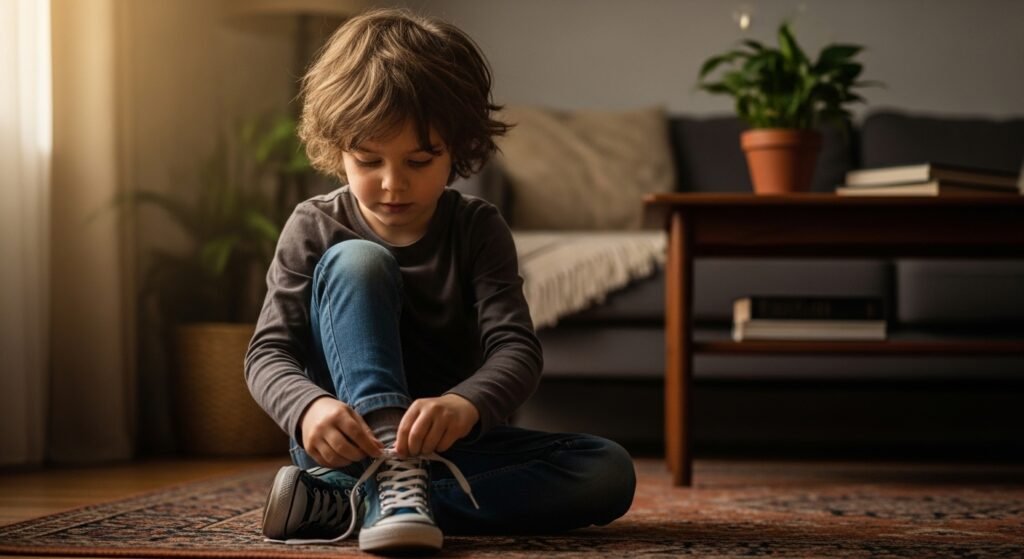
When they learn to do things themselves, children feel like they have attained some achievements. Little achievements such as tying the shoe or arranging school stuff give them confidence in their skills.
Decision Making is a Natural Development
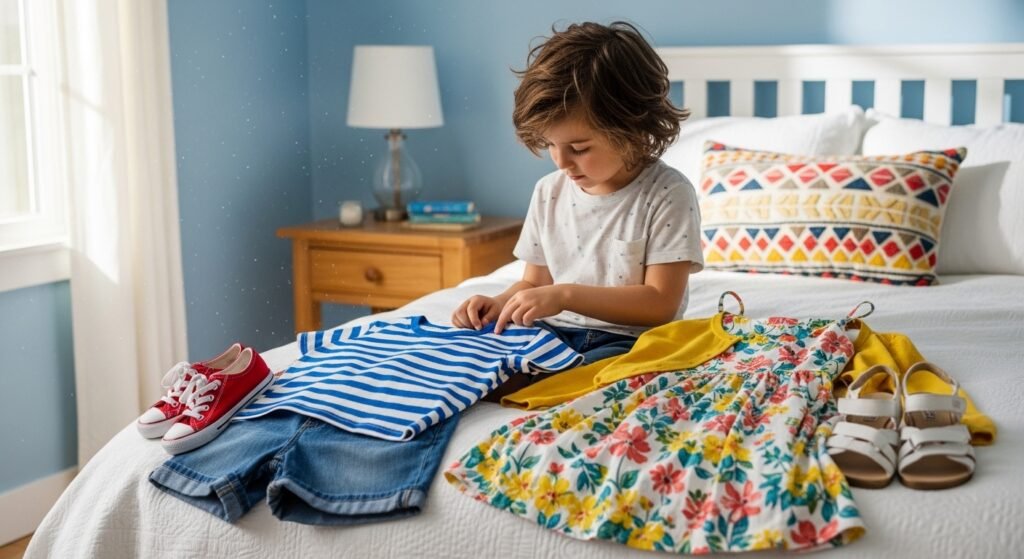
Giving children the opportunity to make easy decisions will aid them in knowing the consequences. Responsibility is taught through the choice of clothes, hobbies or activities. Children are taught to make a compromise.
Resolution of the problem is enhanced
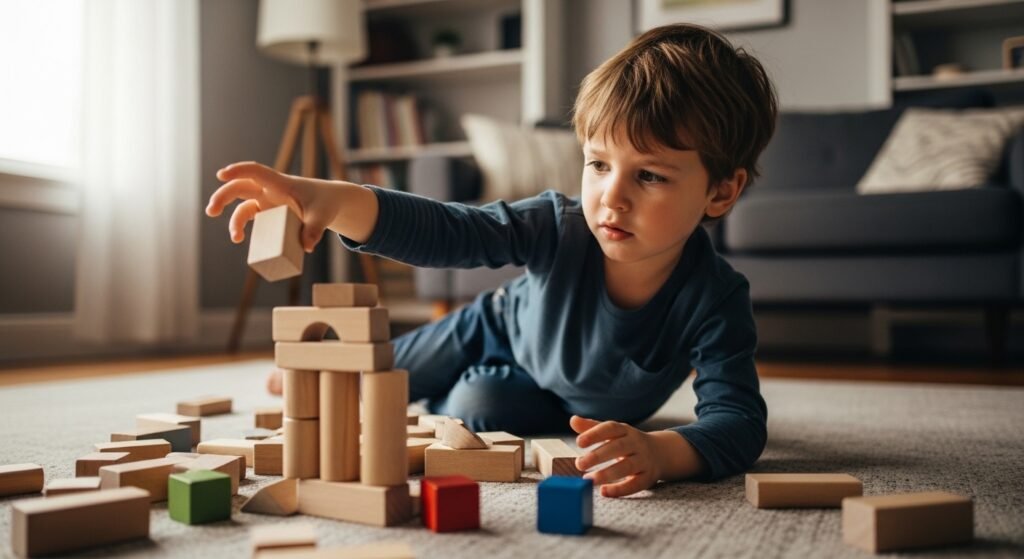
Children fail to obtain learning opportunities when parents solve all their problems. Experience of dealing with challenges that can be handled imparts perseverance. Children explore solutions and implement adjustments in case something does not work.
Accountability Develops on the basis of Daily activities

Handling little tasks also makes children realize giving and working in a team. The achievement of tasks alone brings about pride. The responsibility is developed as a habit and not as a rule.
Emotional Strength Enhances
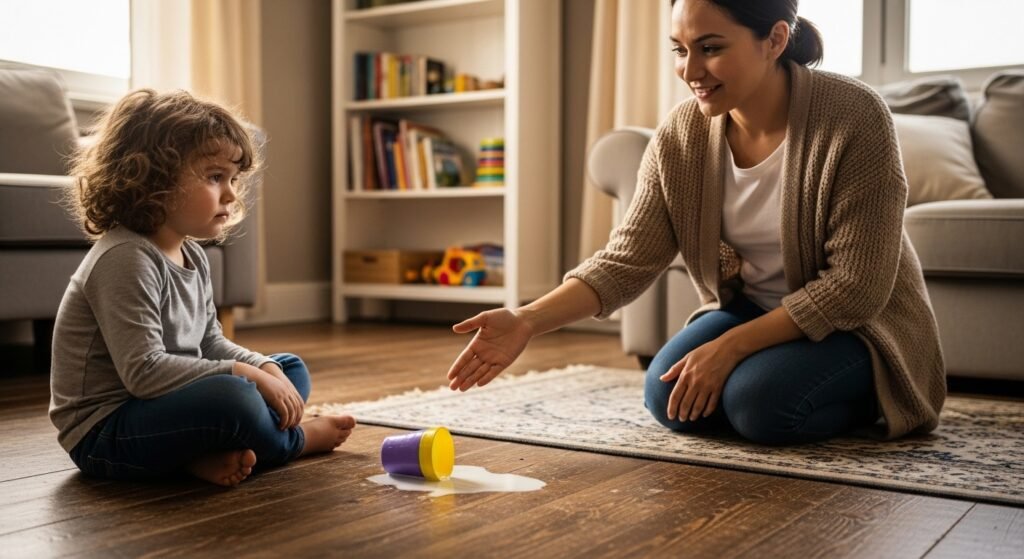
Independence enables the children to view disappointment and success in a safe way. Emotional strength is developed by learning to deal with minor disappointments. They know that errors are involved in learning.
Imagination and Inquisitiveness Grow
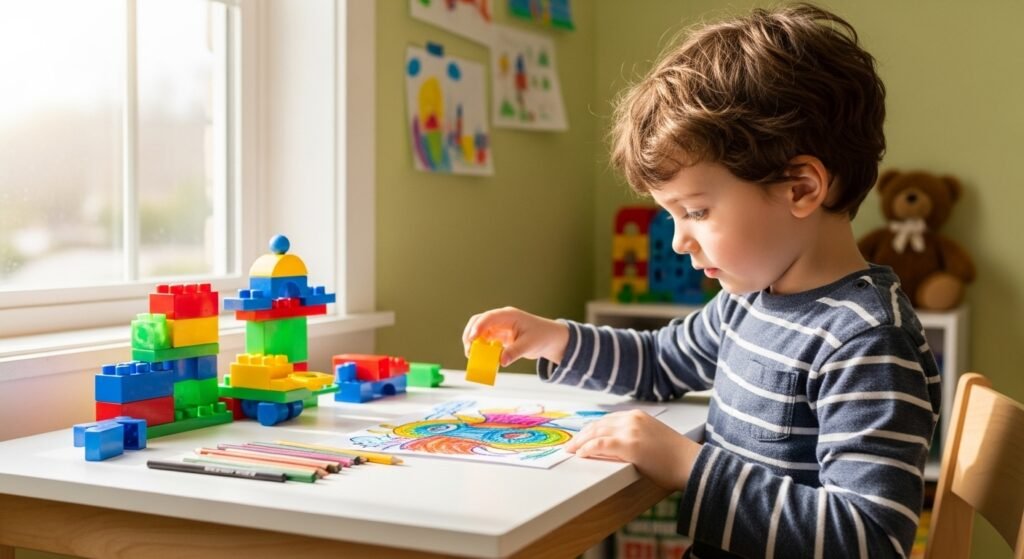
Imagination is promoted in independent play. The creativity is enhanced when children feel that they own their time. Discovery comes due to curiosity.
Delight Strengthens Communication

Children learn to articulate the needs when they are left to attend to them on their own. When a person asks another to assist, it becomes something one learns. Social interaction is enhanced by practice.
Time Management Starts at an Early Age
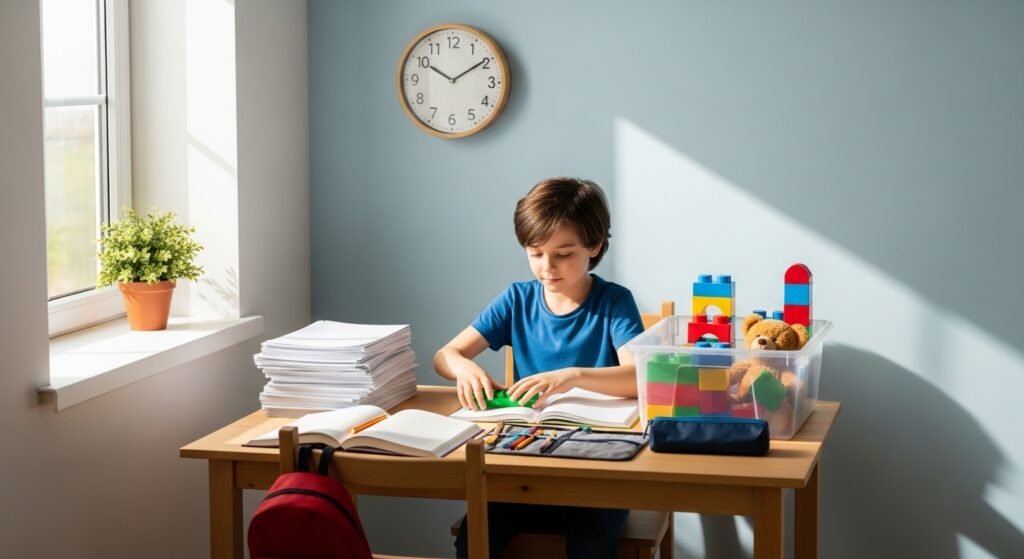
Allowing small routines to be controlled by children will also inculcate organization. Arranging homework or play time, makes them know what is important. Planning skills are acquired over time.
Parents Change into Leaders rather than Controllers
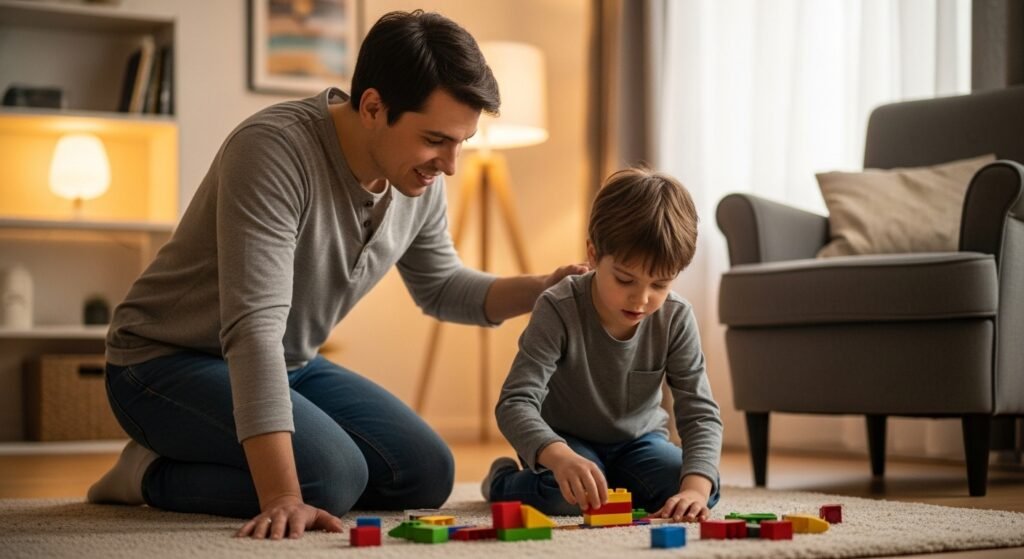
The encouragement of autonomy transforms parenting into mentoring as opposed to directing. Children do not feel constrained but a sense of trust. Instructions are not that intrusive.
Laying Down Groundwork of Future Problems

Independent children are also able to adapt easily to the new environments such as school transitions or social change. Life skills develop early. Flexibility is built up as an asset. He or she is taught independence and independence is a gradual process that makes them ready to face the adult world.
