
Life online moves faster now than anyone thought possible, yet countless individuals find themselves stuck between ease and nonstop pulls. Because talk spreads about concentration, stability, trust, and steering one’s path grows more intense, older ways of doing things begin standing out. These methods tend to interrupt less, make intentions easier to follow, and open space for better balance across work, talk, and leisure.
Rising Digital Fatigue

Always on, never off – updates never stop, draining focus. Tools that ask less tend to get used more. Devices from past eras handle tasks quietly, without chasing time or likes. One function, steady output, attention left alone.
Desire for Deeper Focus
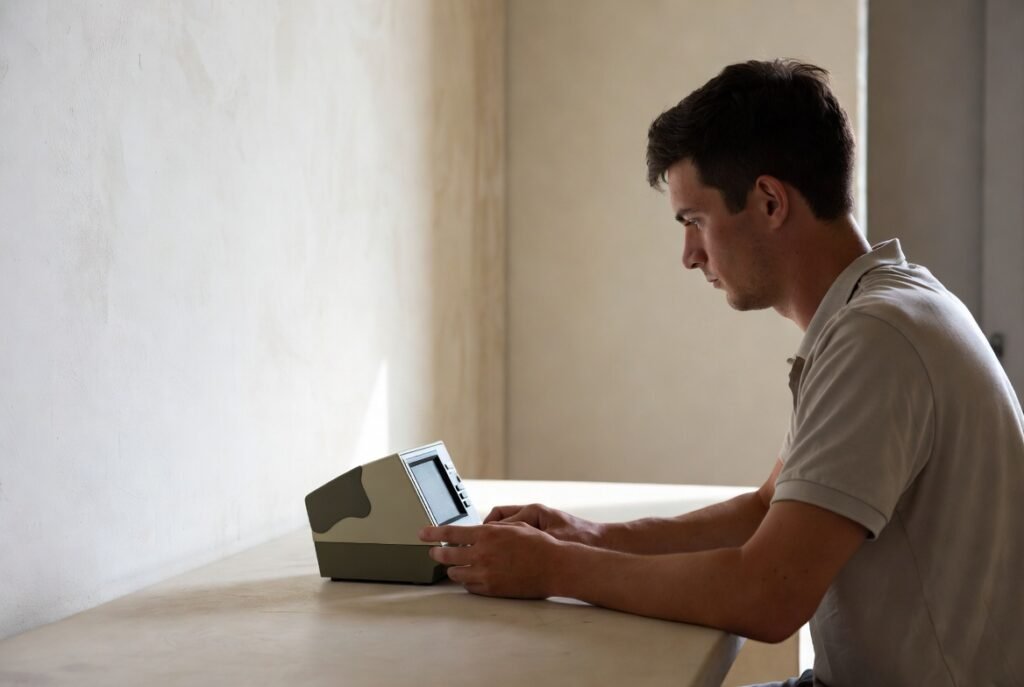
Focusing stays stronger when simpler tools are used, especially among workers who need concentration. Without extra functions getting in the way, older equipment quietly supports task work instead of drawing attention to screen menus.
Concerns Over Data Privacy
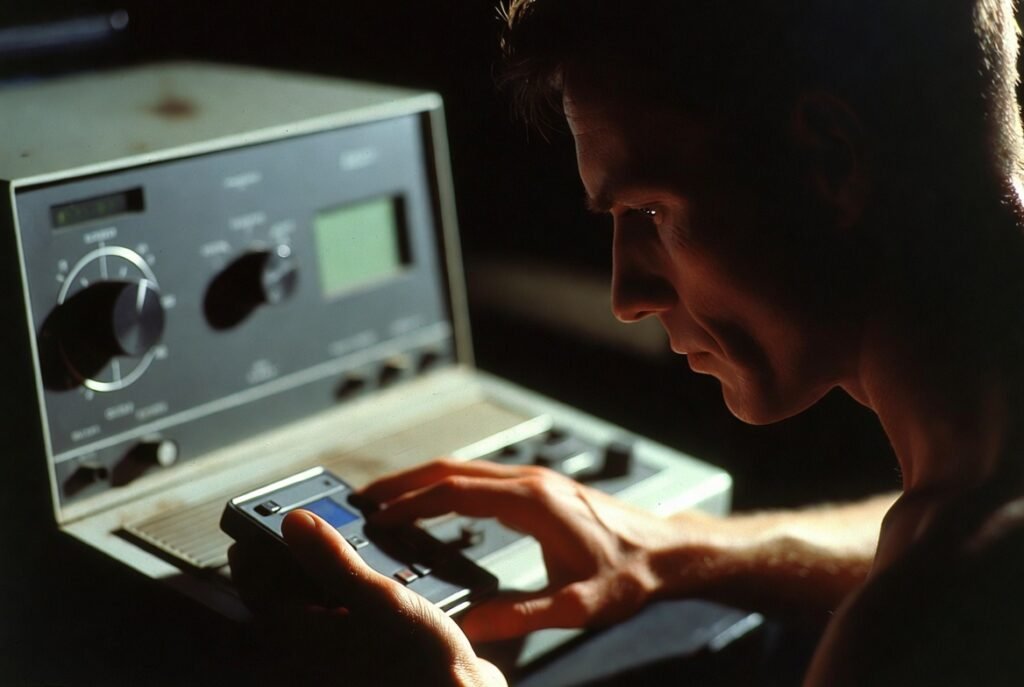
These days, more folks realize their gadgets watch their every move. Misuse of personal info has become too common to ignore. Devices now linked to everything tend to erode personal space. What worked before often runs on its own power source, not on reliance on networks. Control feels sharper when machines do less listening. Privacy sometimes comes not from walls but silence – from tools that do not send signals nightly.
Frustration With Planned Obsolescence
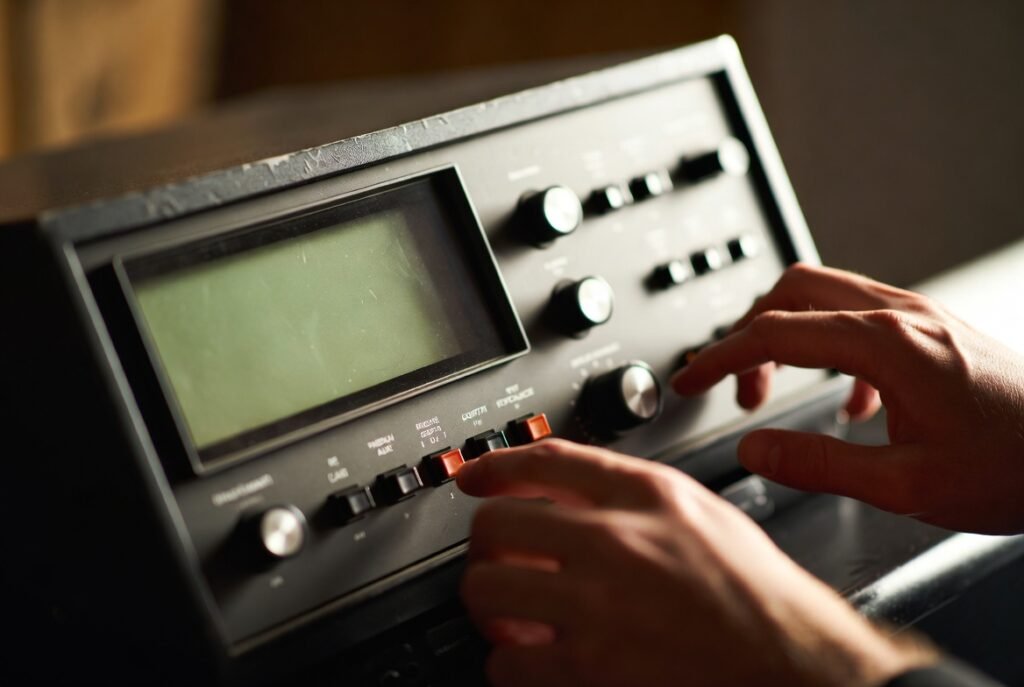
What used to be rare is now common: people feel pushed to upgrade too soon. Devices from past decades often keep working well, long after they were left alone. Trust grows when nothing breaks down just because time passes.
Economic Practicality
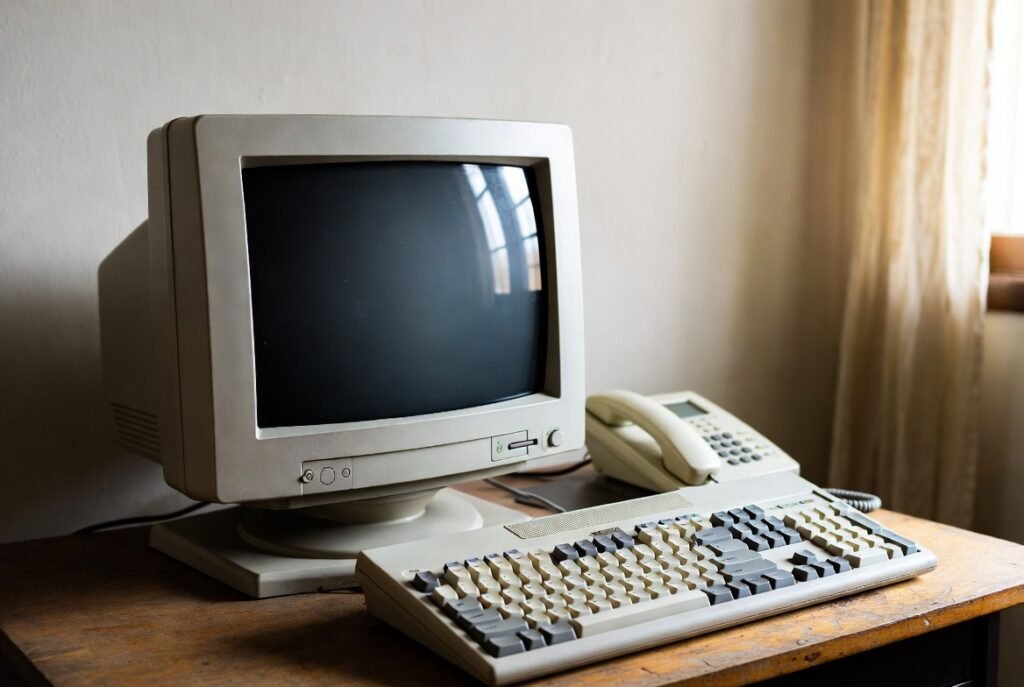
These days, the price of fresh gadgets makes folks think back to simpler times – cheaper, sturdy stuff that lasts. Going with what’s already around means saving cash while keeping key features intact.
Nostalgia and Familiarity

What feels natural to use is shaping how things unfold now. People tend to lean into tech they recognize, not forced to learn each time it changes.
Reliability Over Complexity

When systems stay simple, they tend to run without hiccups – fewer parts means less to go wrong. In places where interruptions matter, steady performance isn’t just helpful – it’s necessary.
Cultural Push Toward Mindful Living

Life moves slower now, leaning into simplicity rather than speed. Old gadgets fit this rhythm because they invite hands, not endless scrolls. Presence matters more when screens fade into background tasks.
Control Over Personal Time
More folks now guard their schedule each hour. Tools that quietly fit in – without constant prompts – help people pull back fragments once swallowed by devices.
