But First, Read This Strange, really – seeing these words on the screen everyone says to avoid. This contradiction is nudging something quiet into motion among scattered users. Not reflexive scrolling, but a breath held mid-swipe, showing up more often. It’s not about abandoning screens altogether. Instead, fitting them in only where they belong, not using them simply because there’s an opening.These days, screens pull attention before thought kicks in. Often, it happens without even deciding – thumb moving across glass, eyes darting to lights blinking for notice. Lately, a small change creeps in here and there. Not rules carved in stone, mind you – rather, slight nudges away from constant reach.
Awareness over elimination
Putting the phone down forever misses the idea. It counts more to see when you grab it, sense what hooks you, yet cut seconds that bring little. Not an end – just softer changes.
Constant Scrolling Happens Without Thinking
Out of nowhere, hands reach for screens without a thought. Time vanishes, piece by piece, while staring at glowing rectangles. Little sticks after the scrolling stops.
Most usage comes from notifications
A sound snaps attention toward the screen, needing immediate response. Over time, the act becomes automatic – hand moving to grab the phone, again and again, without pause.
Less Screen Time Could Improve Focus
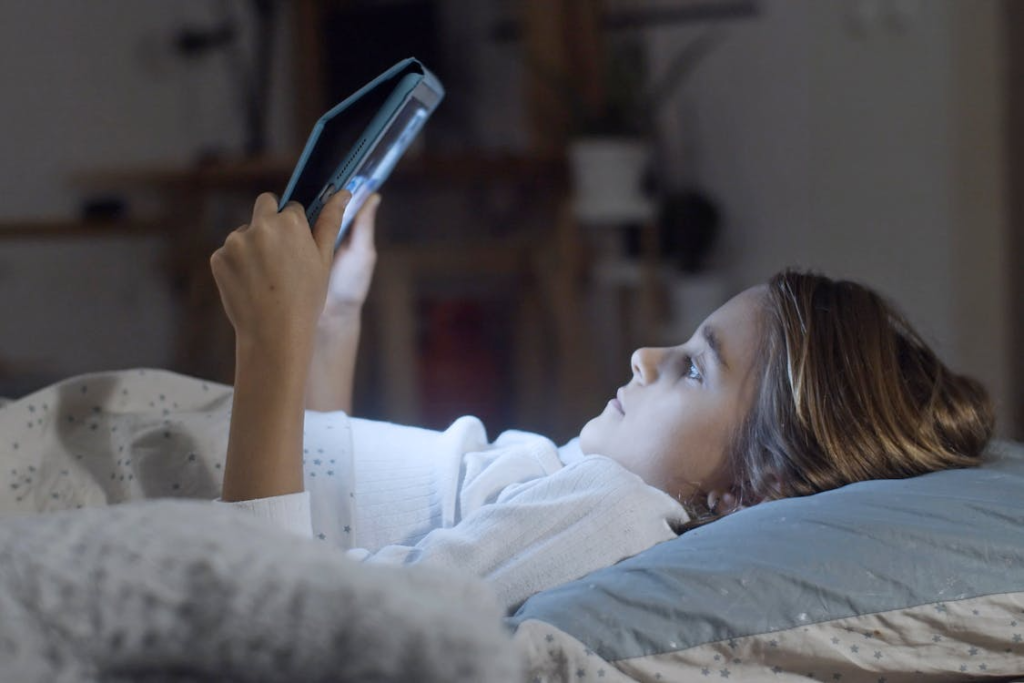
Out here, where noise drops off, the mind sticks with one thing longer. Step back from bright screens and clarity thickens – work gains depth along with it. Still spaces twist the flow of thinking in ways not expected.
Sleep Quality Often Improves

Later hours bring trouble when phones stay close by. Without bright screens, thoughts settle easier into rest.
Quiet moments get filled fast, not by choice, but habit shaped by endless scrolling.
You Notice Your Surroundings More
When screens fade, notice how focus drifts to things close by. Lift your gaze from bright displays, let moments breathe without interruption. Once the hum of devices slips away, presence feels less forced.
Small Steps Make It Work
Here’s how it plays out: leave the phone aside during meals. Small screen-free moments appear throughout the day, linked to short pauses in routine tasks. Slowly, one still moment leads to another, forming patterns without fanfare.
Technology works when used wisely

Phones come along most places simply since others have them too. Still, they work best when used on purpose rather than swiped at each hour. Sending something real beats drifting past post after post.
Slow steady growth
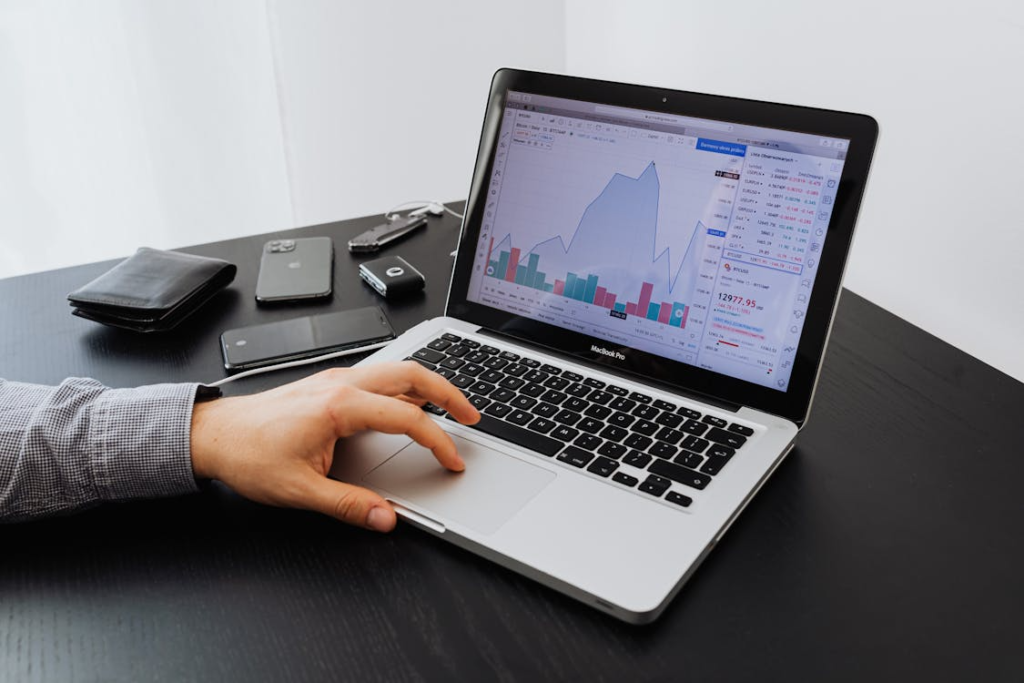
This change isn’t pushed by rules or restrictions. Bit by bit, it takes hold – people notice the difference it makes in their lives.
