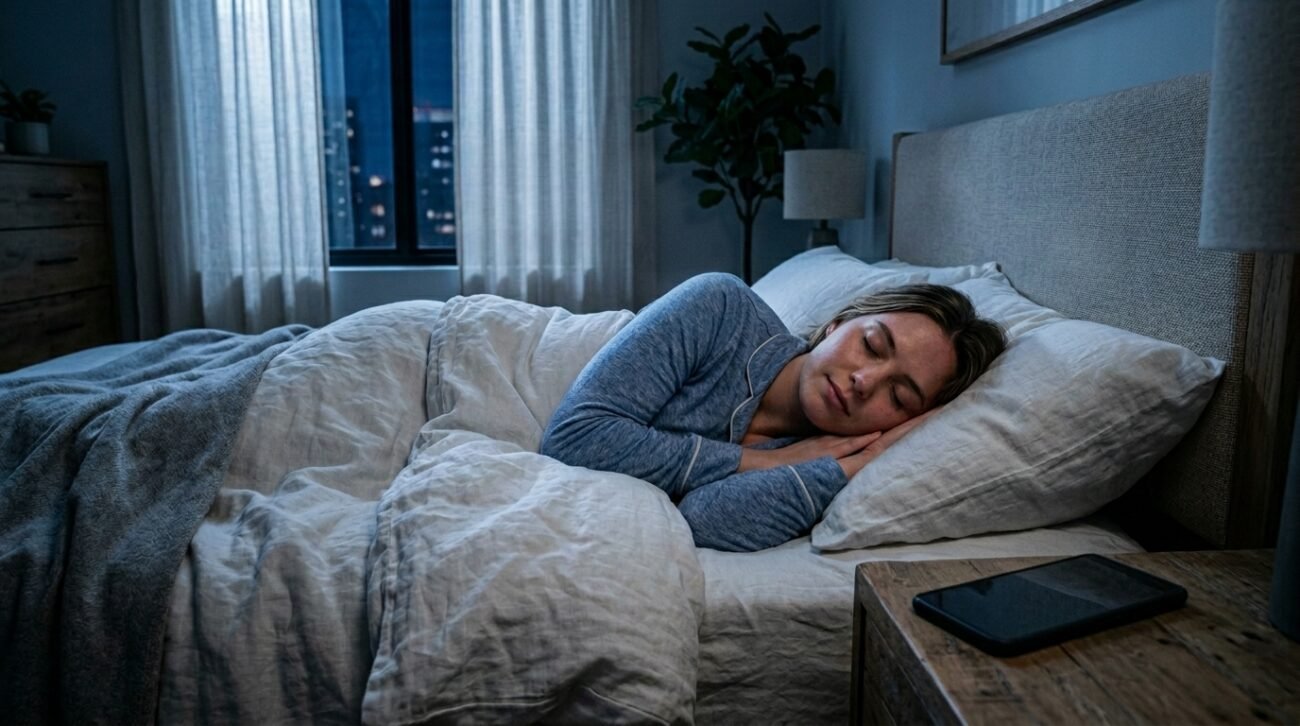
Locating the ideal night’s rest can be quite a challenge, like trying to catch a ghost, especially with our digital lives constantly in our ears. Nonetheless, a recent shift in science indicates that the same gadgets we most often blame for lack of sleep could become our best help if used properly. Studies appearing in Nature Medicine last year show that sleep analysis based on artificial intelligence can accurately predict the overall condition of health.
Trying Temperature Regulating Covers
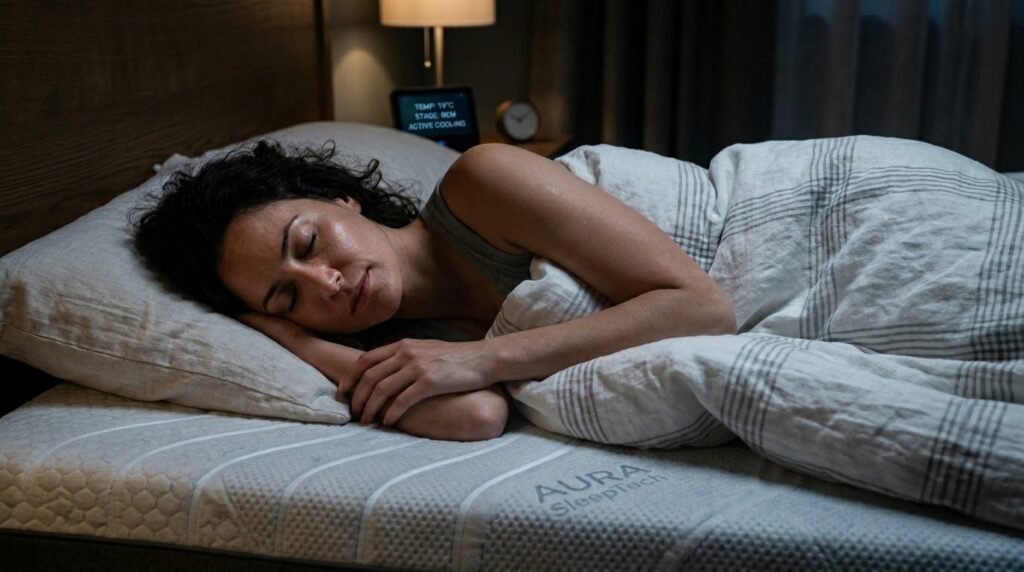
Active cooling is a key feature of the Eight Sleep Pod 4, a technology that could help with your sleep, as it is a fact that the body temperature needs to go down for better sleep.
Learning From Acoustic Headbands
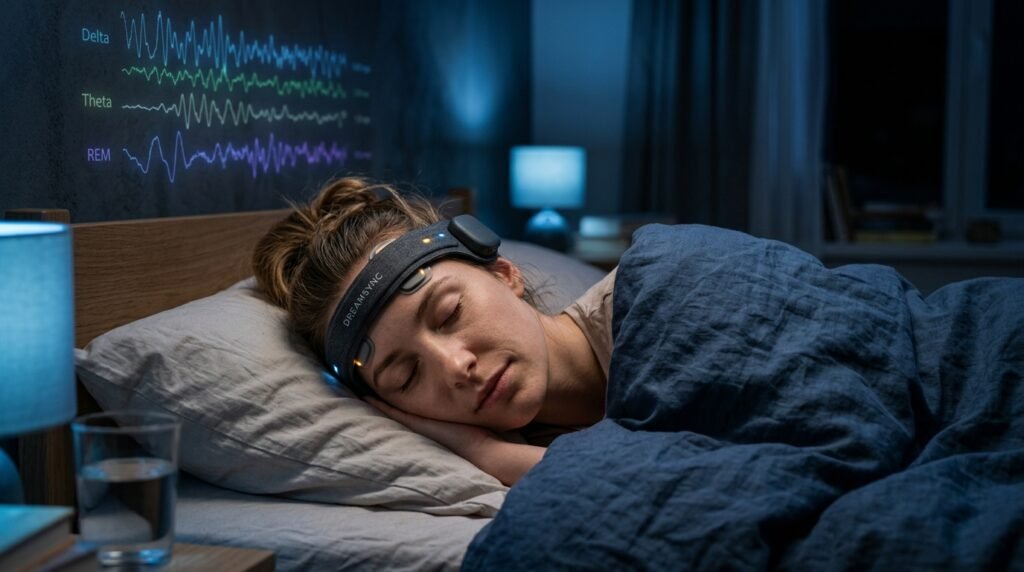
Using EEG sensors, the Elemind headband and other similar devices keep track of brainwaves and may even gently play sound tones that gradually move the brain into a restful theta wave state.
Relying on Smart Ring Tech
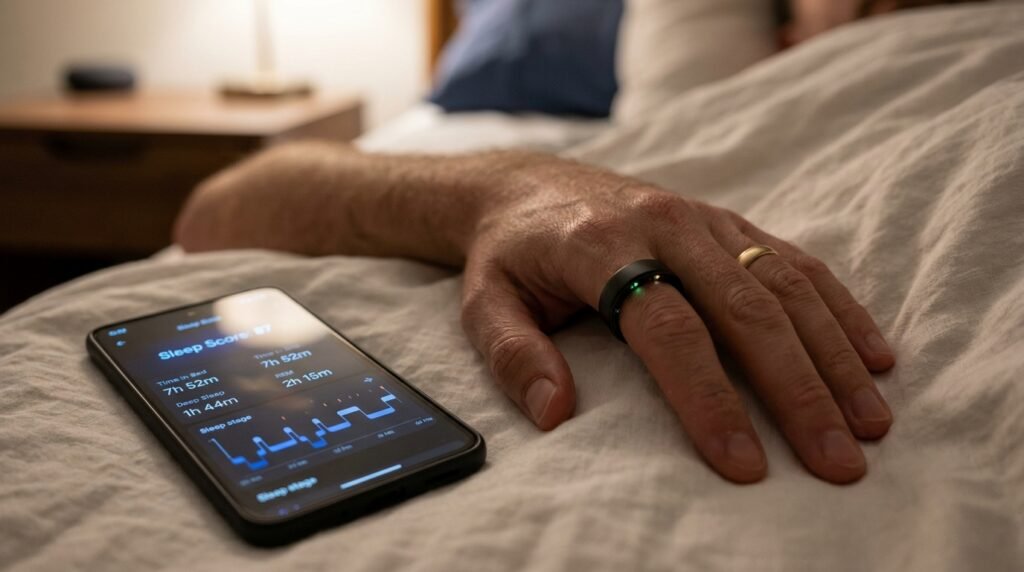
Many have come to love the Oura Ring 4 because its miniature sensors quietly gauge heart rate variability without the bulky or brightly lit faces of conventional wristwatches.
Checking for Sleep Apnea
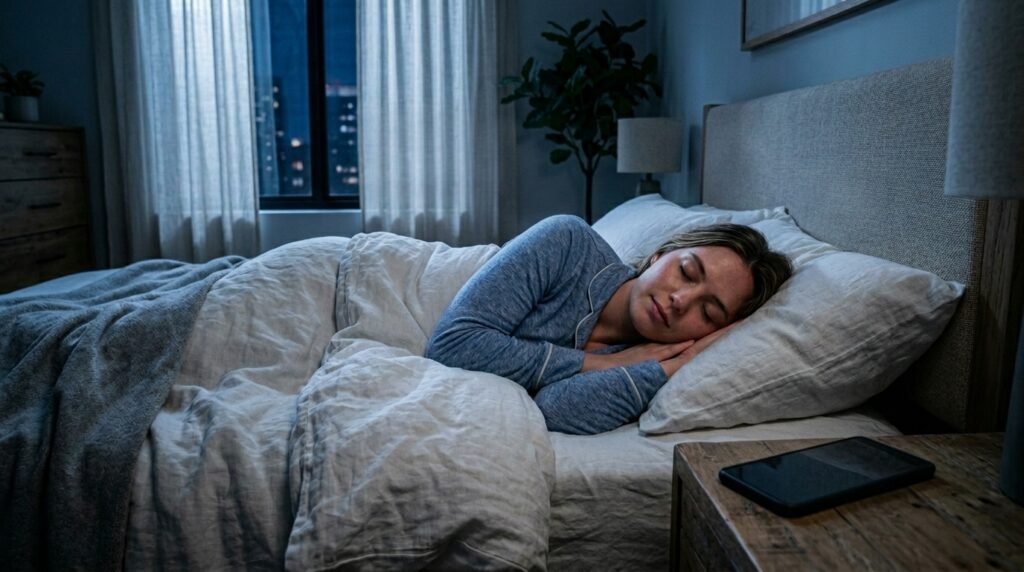
A recent Galaxy Watch update comes equipped with FDA-approved features that could indicate signs of moderate sleep apnea, alerting users to breathing disturbances during sleep that they weren’t aware of.
Reducing Your Sleep Debt
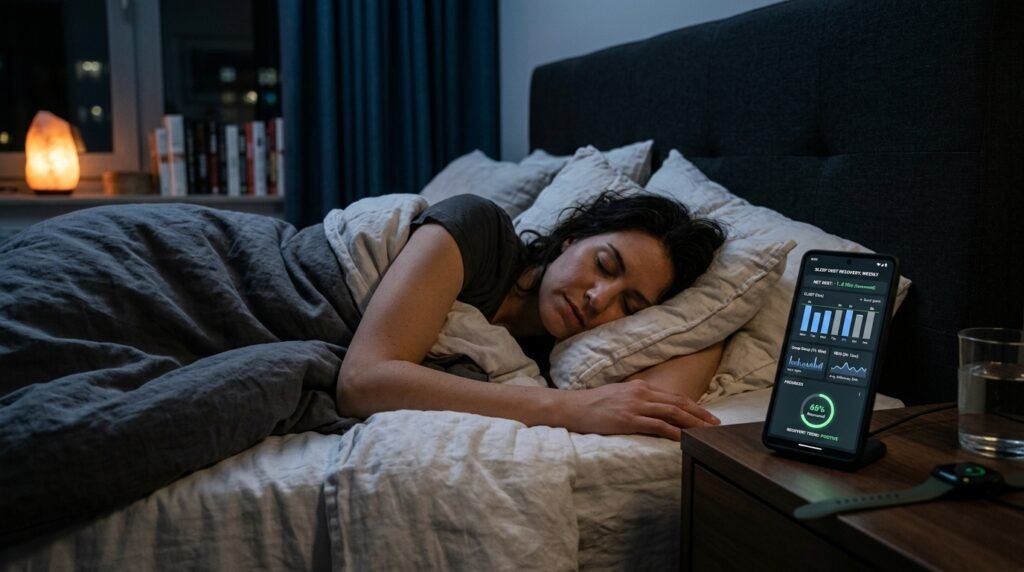
Programs like RISE are centered around the idea of sleep debt, figuring out the exact amount of sleep your body needs so that you can be more energetic.
Using Passive Bedside Sensors
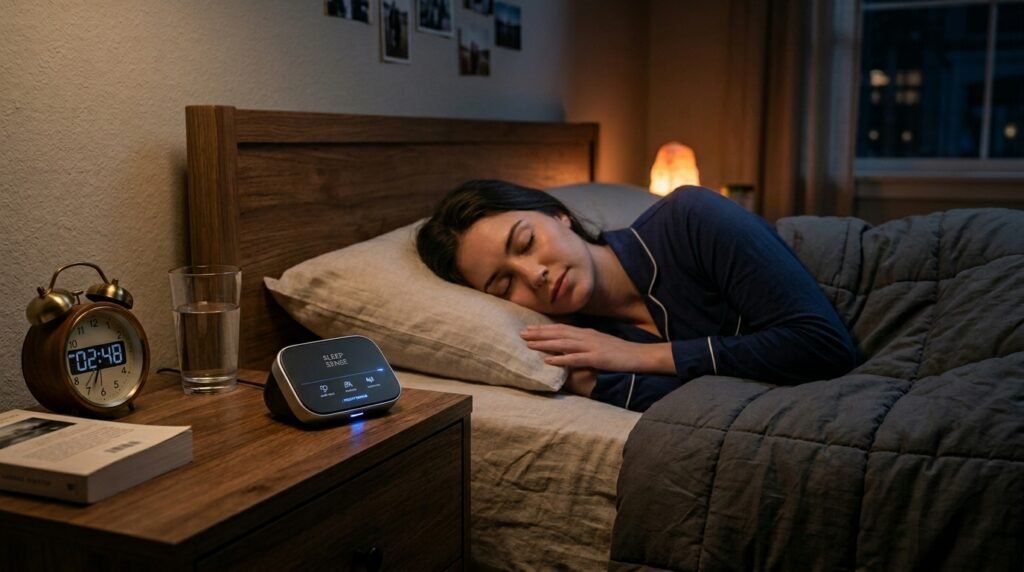
There are already non-contact sensors available nowadays that are placed on your nightstand and use low-power radar to monitor your movements and breathing without you having to wear anything.
Monitoring Nightly Skin Temperature
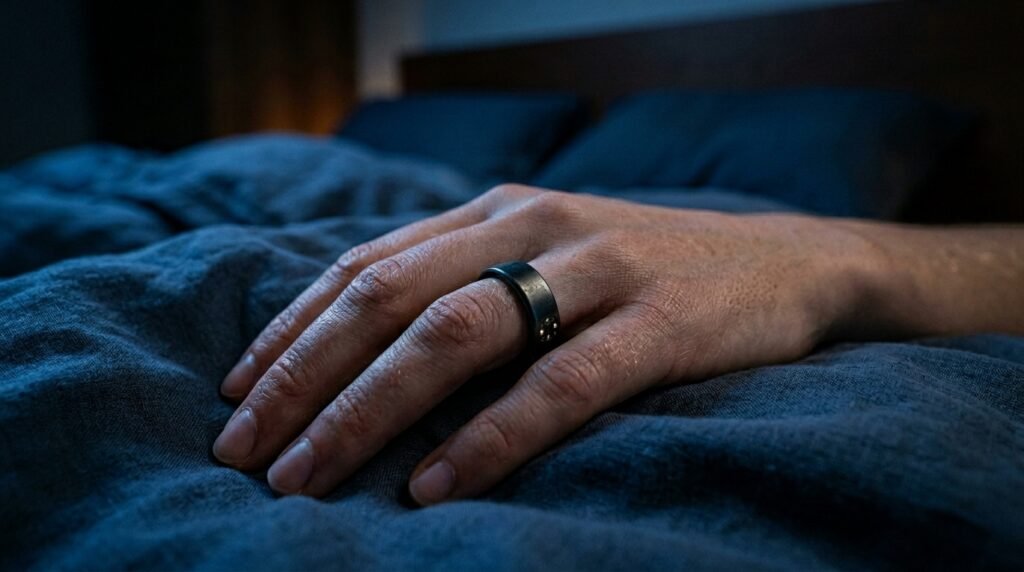
Your skin temperature changes may be useful, especially when a smart ring records them. These patterns may serve as a sign, alerting you that you are going to get sick even before you notice the symptoms of your first sniffle.
Understanding Restless Leg Patterns
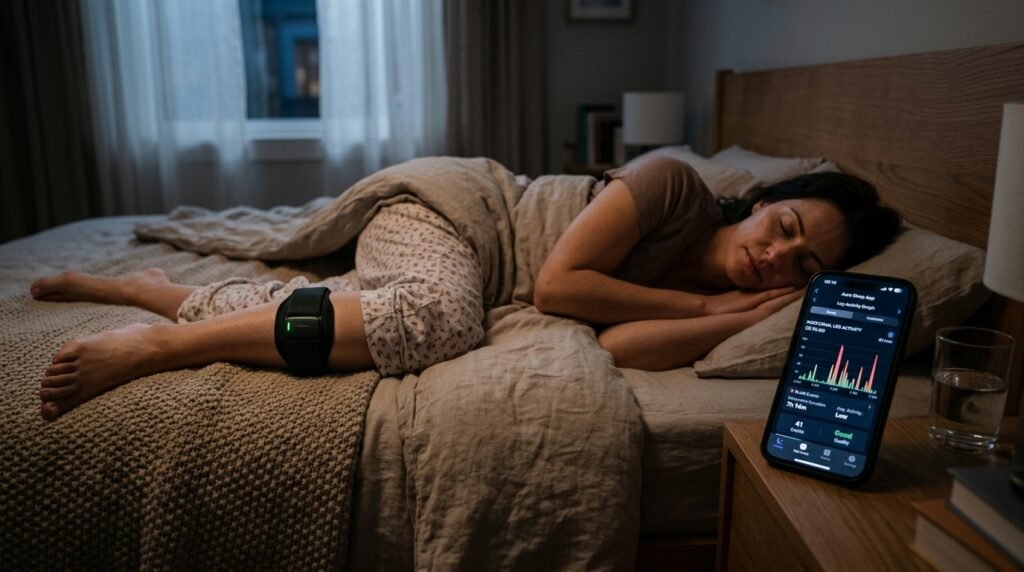
Top-quality sensors embedded in new wearables can recognize minute leg movements, which can be a helpful piece of information while consulting with the doctor about restlessness during sleep.
Evaluating Your Circadian Rhythm
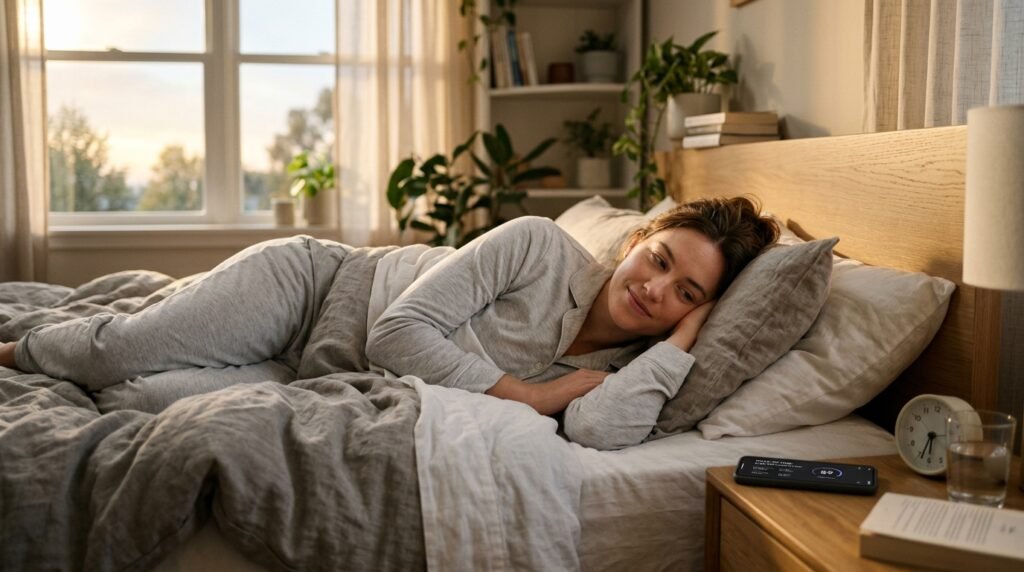
Today’s apps not only track your light exposure and physical activities but also help establish your ideal “sleep window” based on your internal clock. This makes it simpler to sleep.
Prioritizing Long-Term Consistency
A most recent study by the University of Oulu points out that having a regular bedtime may be a more crucial factor for your heart health than the exact time of your waking up.
