
A snail could win a race against your PC when it’s stuck grinding through simple work. When blame gets handed around, RAM usually takes the hit. Stuff crammed into memory forces the machine to trip over itself handling what’s running. Swapping out hardware? Not automatically needed. Breathing space shows up when memory routines change – no extra hardware needed. Once RAM works more like a careful planner, things start moving again. Gains slip in quietly. Soon enough, clicks meet screens faster than before.
Close Unnecessary Applications

Heavy app usage fills up system memory quick. Shutting off background ones clears space almost right away. Speed improves faster like this compared to nearly every other approach.
Disable Startup Programs
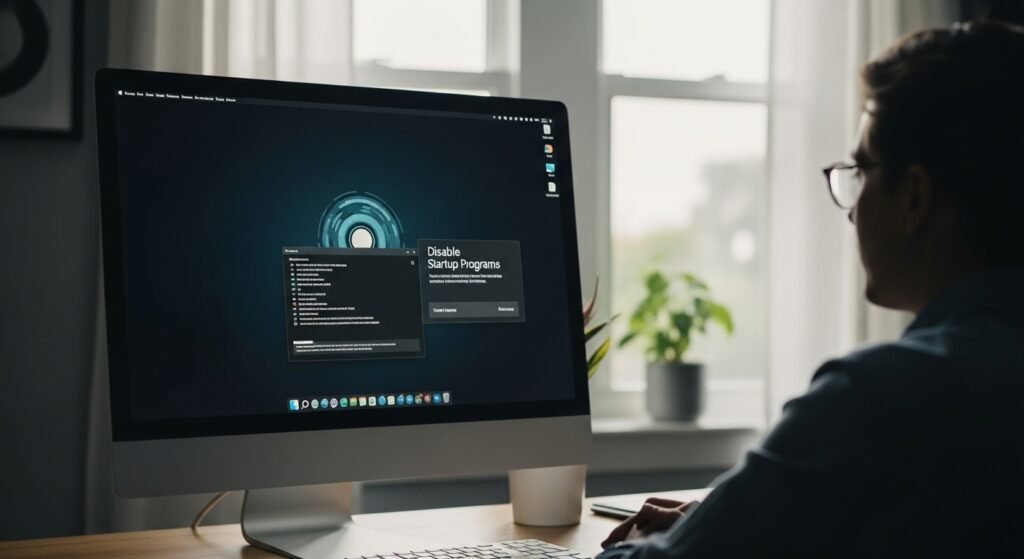
Powering up the machine stirs a crowd of programs to life. Though left alone, these quiet guests cling to system memory. Shutting down unnecessary starters eases the silent drain.
Look at Task Manager to find programs using too much

Every now and then, peeking inside Task Manager shows which apps hog memory. Those greedy programs stand out more if you look regularly. Instead of slowing things down, they get closed fast once found. With practice, the whole system runs less bumpy most days.
Extra tabs closed unneeded extensions removed

Web browsers grab more memory than most people notice. When tabs stay open, they pile up quietly, slowing everything. Close each once finished, remove the ones hanging around unused. That tiny shift usually returns what seemed gone. Space appears, smooth and simple.
Restart your computer often

Now and again, starting over clears away the noise that builds up fast. When it does, hidden jobs reload step by step. Once things settle, performance tends to come back. Speed shows up again after the quiet.
Uninstall Unused Programs

Sometimes old software sticks around, doing jobs you never asked for. Removing them frees up room on your storage, also giving memory more freedom to work. With less weight pulling at the system, unseen background actions lose their grip on speed.
Adjust how your system uses temporary storage space

Should memory dip too low, some storage chips in. Extra room lets heavier jobs move smoother. Pushed hard, the system stays steady longer.Things run smoother when invisible helpers stop hogging resources.
Turn Off Background Apps

Sometimes, apps stay busy even when you’re not touching them. Shutting down idle ones frees up space in memory. Things run smoother after that happens.
Check for harmful or unwanted programs

Out of nowhere, sluggish performance can point to rogue programs eating up system resources. Security scans catch what regular checks miss, quietly revealing buried issues. Over days, removing those intruders helps everything respond faster.
