
Many men learn early that strength means control. Emotions are kept to oneself, not expressed out loud. Gradually, it comes to feel like the norm. Yet suppressed feelings do not disappear. They become inward-looking and fractious. That tension determines what we think, how we react, and whether or not we believe in ourselves. It affects work, relationships, and one’s own peace of mind. Sound is not made with emotional suppression. It works slowly and privately. Men can perform from the outside in when they’re struggling on the inside. These internal conflicts frequently have no name. Understanding them helps explain why silence can feel heavy. It also shows why expression is not a weakness. It is balanced.
Identity Confusion
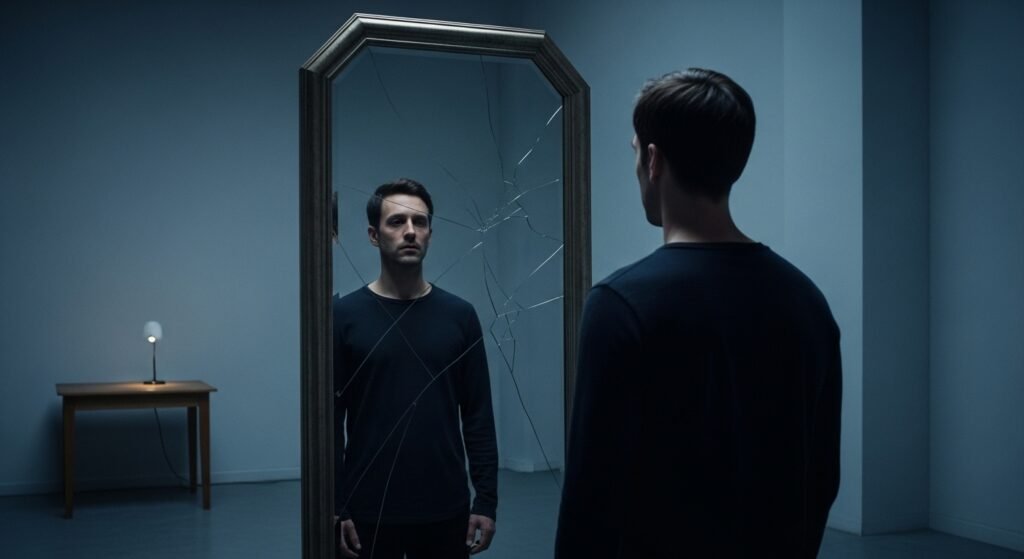
When emotions stay hidden, men struggle to define themselves clearly. Emotions provide data on values and needs. Ignoring them creates an emptiness between who they present and who they sense themselves to be within.
Chronic Inner Tension

Unexpressed emotions create constant mental pressure. Men may feel restless without knowing why. This kind of tension squanders energy and focus. It becomes a background hum that never entirely dampens or resolves.
Emotional Numbness

Keeping these feelings in check over and over can block emotional awareness. Joy, pleasure, and satisfaction seem dulled down. Life appears functional but flat. Men can equate numbness with peace, even though accomplishment seems far away.
Difficulty Trusting Others

Men obscure their emotions, openness seems unsafe. Trust becomes limited. They assume others may judge or misunderstand them. This belief keeps relationships guarded and prevents a deeper emotional connection.
Internalized Self-Criticism
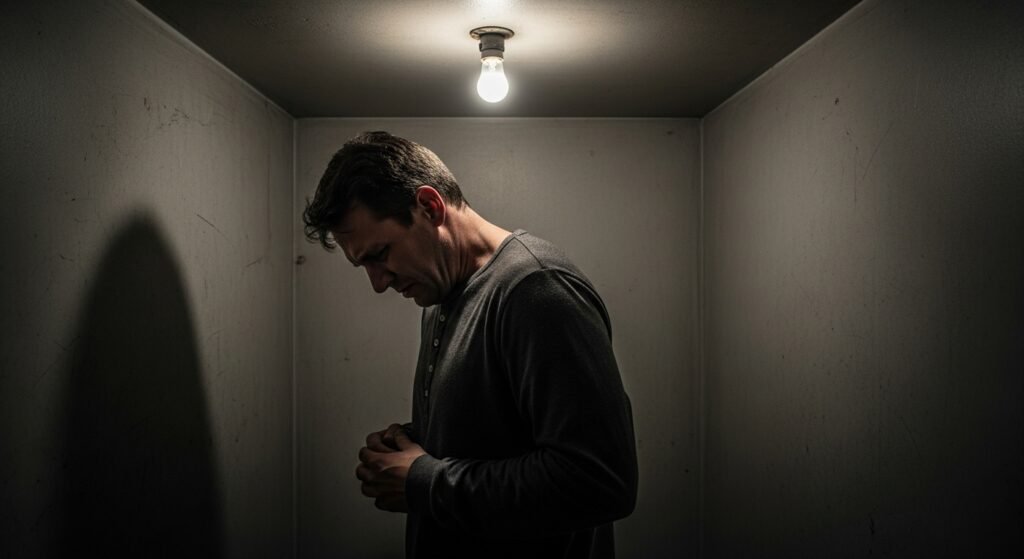
Unacknowledged feelings commonly become self-criticism. Men are mad at themselves for being discombobulated. Rather than feeling emotions directly, they may question who they are, their worth or how competent they are at what they do, forming a Critical Inner Voice.
Unclear Emotional Signals

Emotions guide decisions. When suppressed, signals become confusing. Men can mistake stress for anger or fatigue for disinterest. This confusion goes for work and personal-life decisions
Reduced Conflict Resolution

Avoiding emotions limits healthy disagreement. Men may withdraw instead of discussing issues. Problems remain unresolved. Over time, small concerns grow into larger internal conflicts that feel harder to manage.
Strained Personal Relationships

Emotional distance affects closeness. Partners and family sense something missing. Conversations stay practical, not personal. This gap can lead to misunderstandings, even when intentions remain good.
Heightened Irritability

Unexpressed feelings frequently materialise as frustration. Small issues feel overwhelming. Reactions seem sudden or misplaced. Men cannot relate this irritability to feelings below the level of consciousness.
Loss of Emotional Resilience
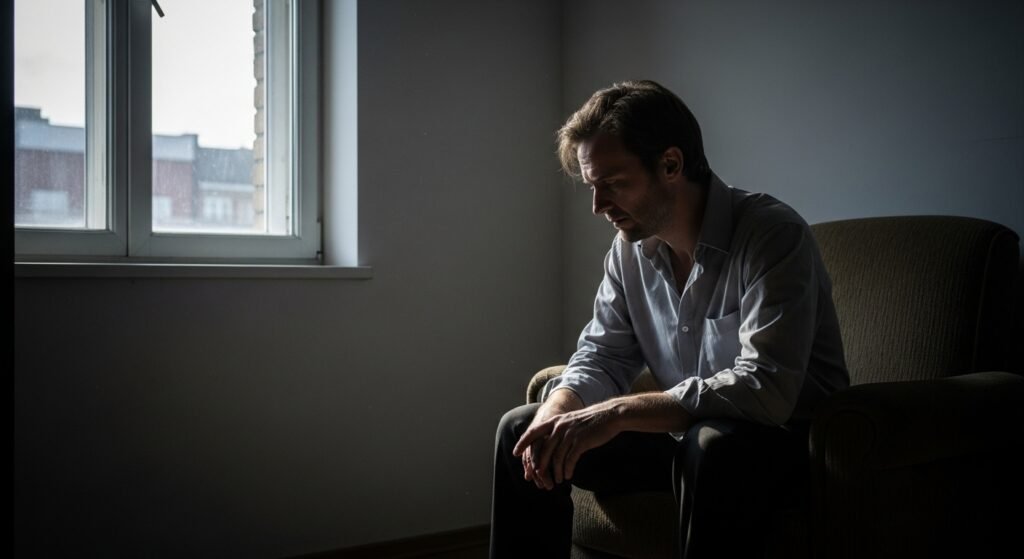
Expression builds resilience. Suppression weakens it. Without processing emotions, men struggle to recover from setbacks. Challenges feel heavier because emotions remain stored rather than released.
Disconnection From Inner Needs

Emotions highlight personal needs. Ignoring them causes men to overlook rest, support, or change. Life continues on routine, while inner needs remain unmet and quietly demanding attention.
