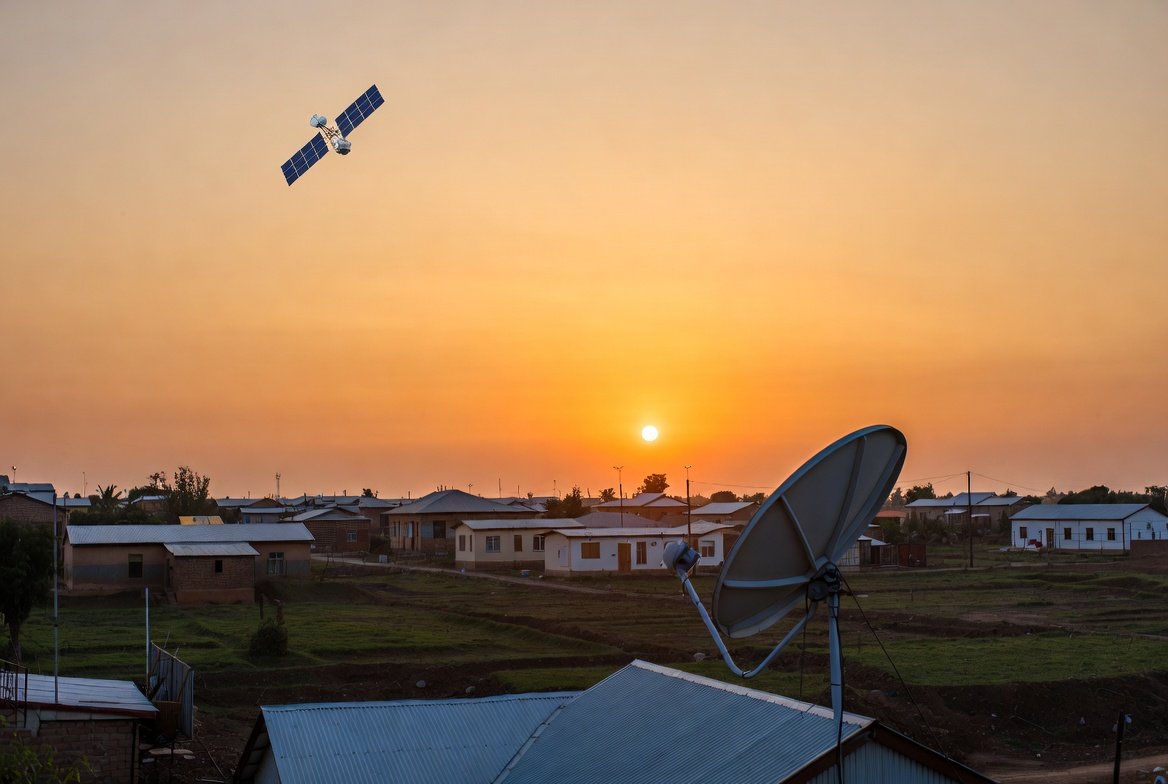
Talking about the internet connectivity then it becomes critical to learning, medical care, enterprise, and daily communication. Nevertheless, the problem of inadequate connectivity in most rural spaces remains because of geographical and infrastructural constraints. Satellite technology is increasingly finding application in bridging this divide by providing internet connectivity in areas where conventional networks fail to provide any coverage.
Breaking Geographic Barriers

The rural regions usually have mountains, forests and expansive open land, which complicate cable installation and make it very expensive. The physical barriers are overcome through satellites that provide the internet signals directly through space. This is the ability to connect remote areas without a large ground infrastructure.
Quicker Implementation Compared to Ground Networks
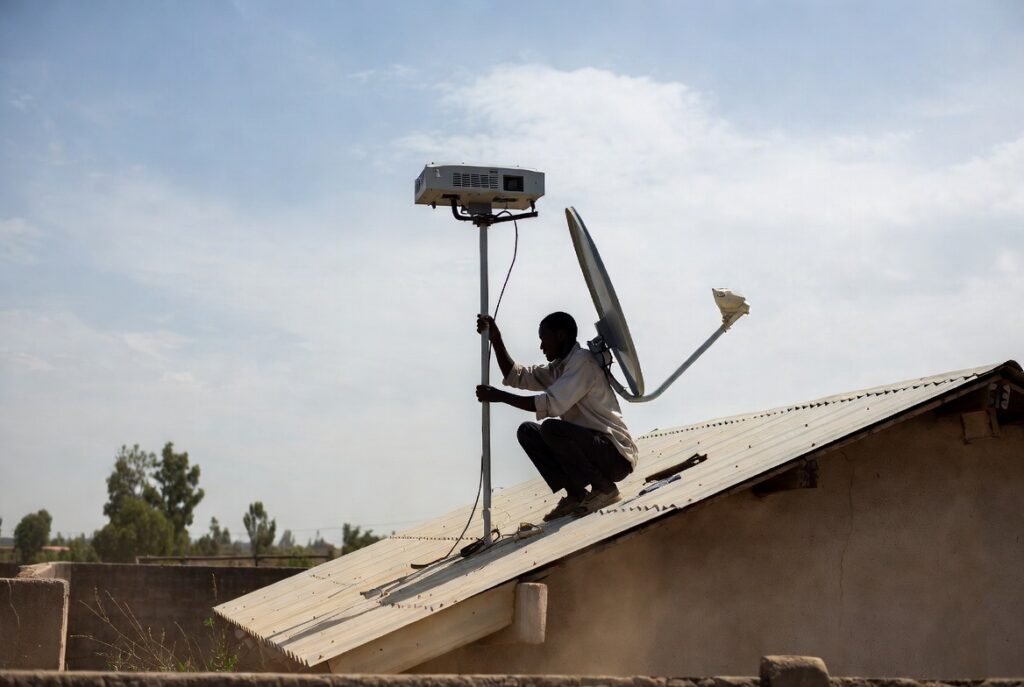
The construction of fibre or cable connections in rural areas may require years. Once equipment is installed, it is possible to roll out satellite internet at an accelerated pace. This pace is particularly significant to populations that have been waiting many years to be connected.
Enhancing Healthcare Accessibility
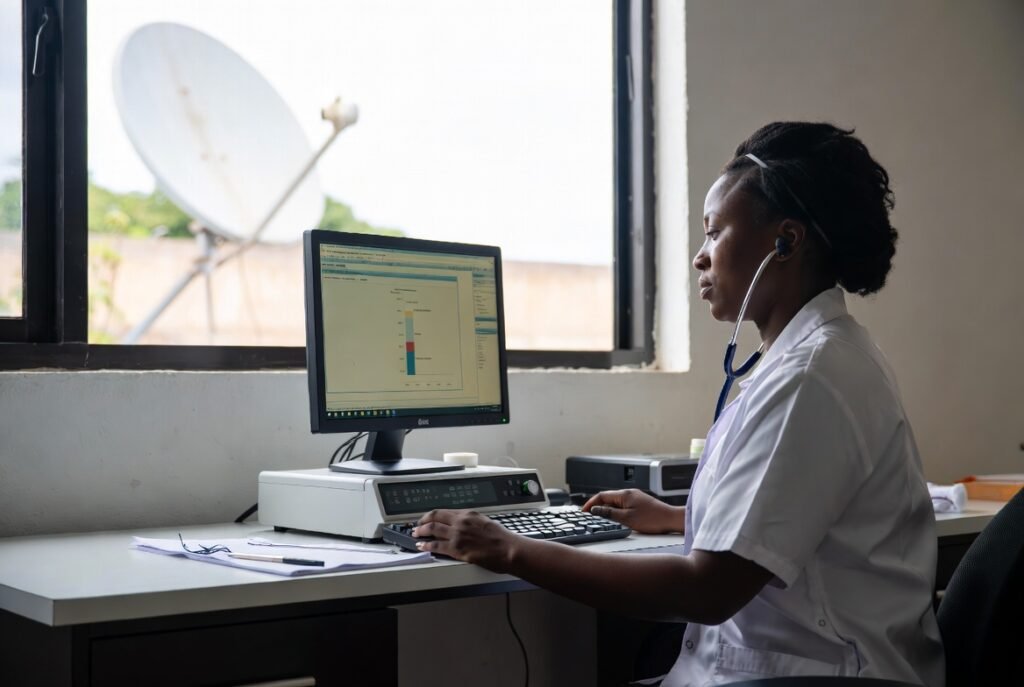
Internet connections need to be stable in telemedicine. Satellite technologies enable rural inhabitants to make calls to the doctor, review medical history, and get medical advice via the internet. This saves travelling distances to healthcare facilities.
Boosting Local Economies
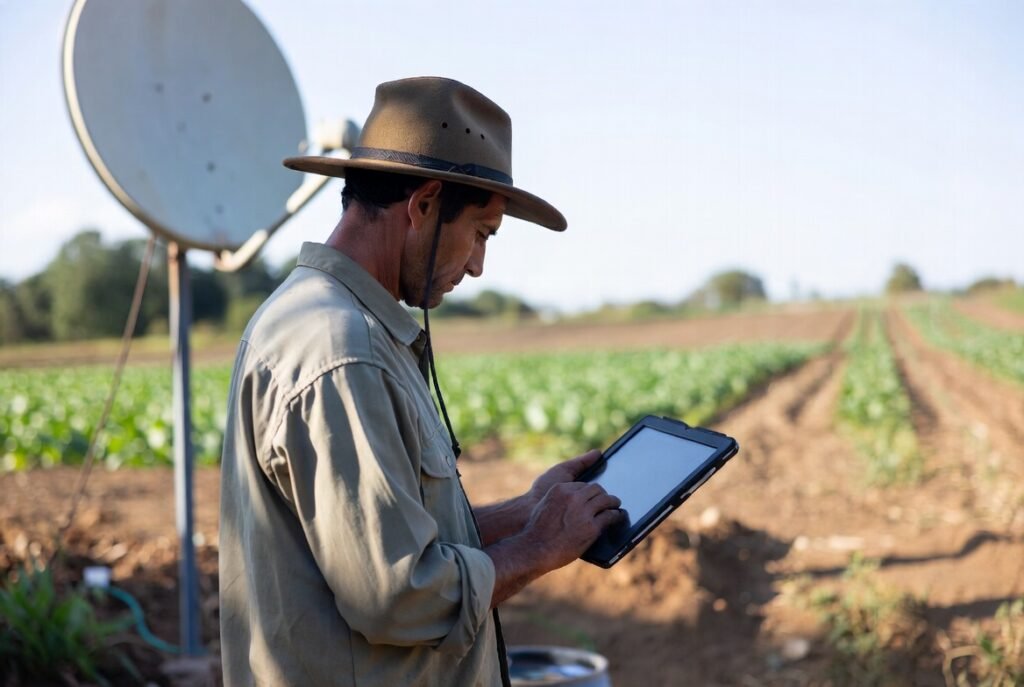
Internet usage facilitates entrepreneurship and telecommuting. The rural business can access a broader market and digital tools due to satellite connectivity. Farmers can get access to supply management systems, weather, and market prices.
Improving Emergency Communication
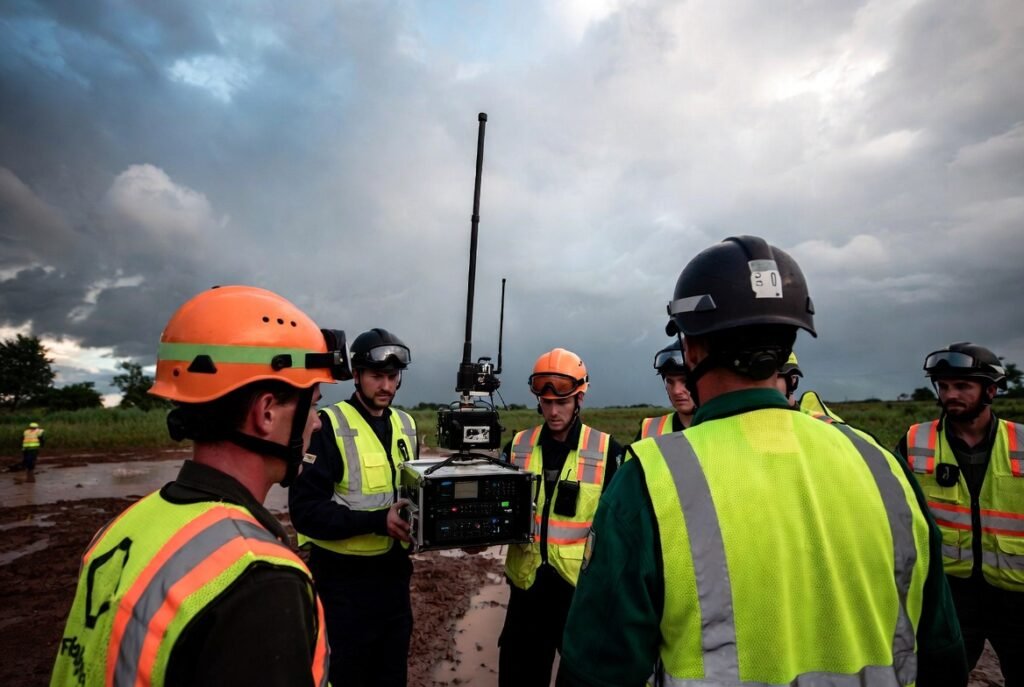
Ground-based networks can be destroyed in case of natural disasters. Satellite internet offers another channel of communication, which is still in use. This dependability is essential to emergency response, coordination and safety of the public.
Government and Public Service Advocacy
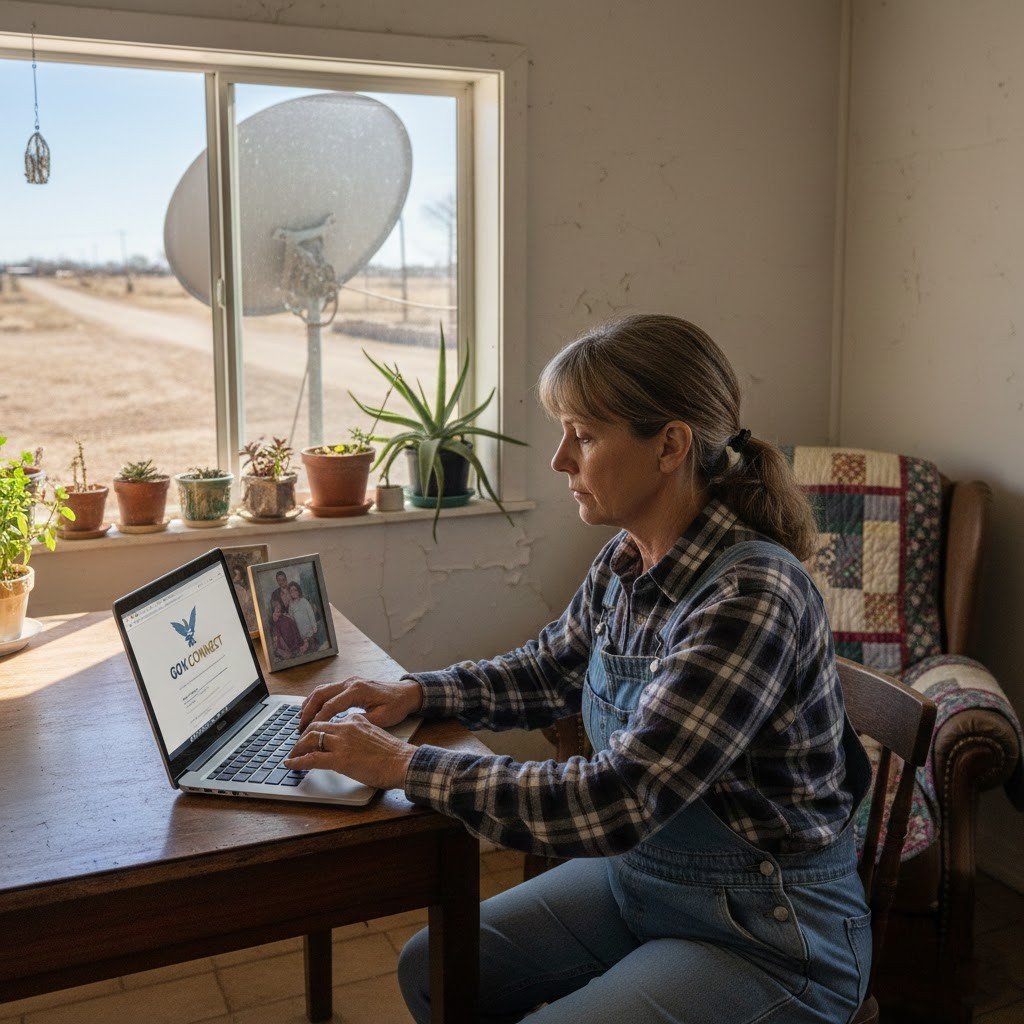
Much of the services offered by the government are now provided online. Satellite internet will make sure that the rural residents are connected to the public portals, can make submissions, and that information is provided to them. This addition enhances civic engagement and minimises administration.
Infrastructure Cost Minimisation

It is costly to construct physical internet infrastructure in rural regions. The satellite networks make construction on the ground less extensive. This efficiency in cost gives service providers an opportunity to provide connectivity in areas where the conventional models cannot be implemented.
In favour of Remote Work Opportunities

Satellite internet enables rural people to be employed by other companies elsewhere, working remotely. This flexibility helps in the workforce without relocation. Telecommuting expands the range of income and makes it possible to retain the population in rural areas.
Enhancing Reliability with the use of new technology

The satellite technology has enhanced speed and reliability. The satellites in the low Earth orbit lower the latency and improve performance. For daily usage of satellite internet, these advancements make the internet more appropriate.
Sustaining Small and Remote Communities

Traditional providers usually ignore very small communities. These areas can be effectively served by satellites, irrespective of the number of people they serve. This is so that even the most distant places have access to the digital world.
