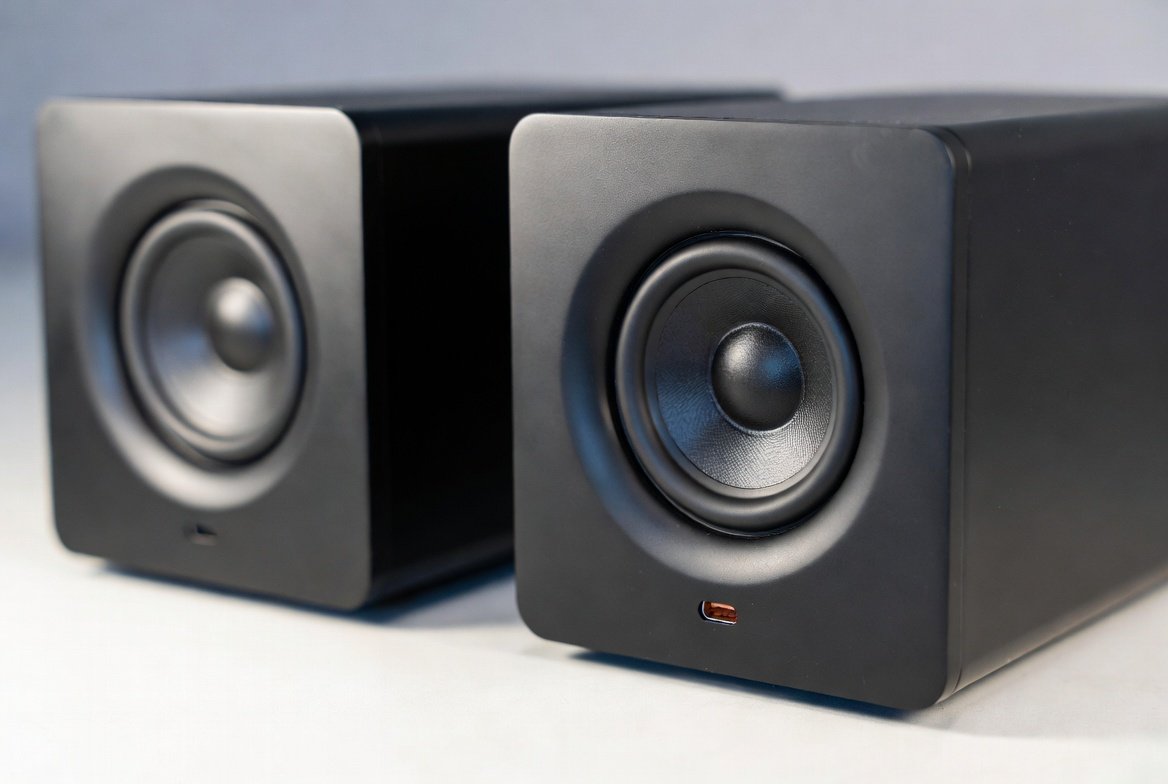
Modern speakers often include a small USB port that many owners overlook. This simple feature adds practical flexibility to everyday listening. It supports direct music playback, power delivery, firmware updates, and easier sharing between devices. A USB connection also improves reliability because files play without wireless dropouts. Homes, offices, and outdoor gatherings benefit from quick access to stored tracks and charging options. When internet service is limited, a flash drive keeps playlists available. Maintenance gets easier, and compatibility extends between phones, laptops and tablets. Being aware of these uses helps individuals select better accessories, arrange their libraries and ensure consistent performance during practices.
Flash Drive Playback
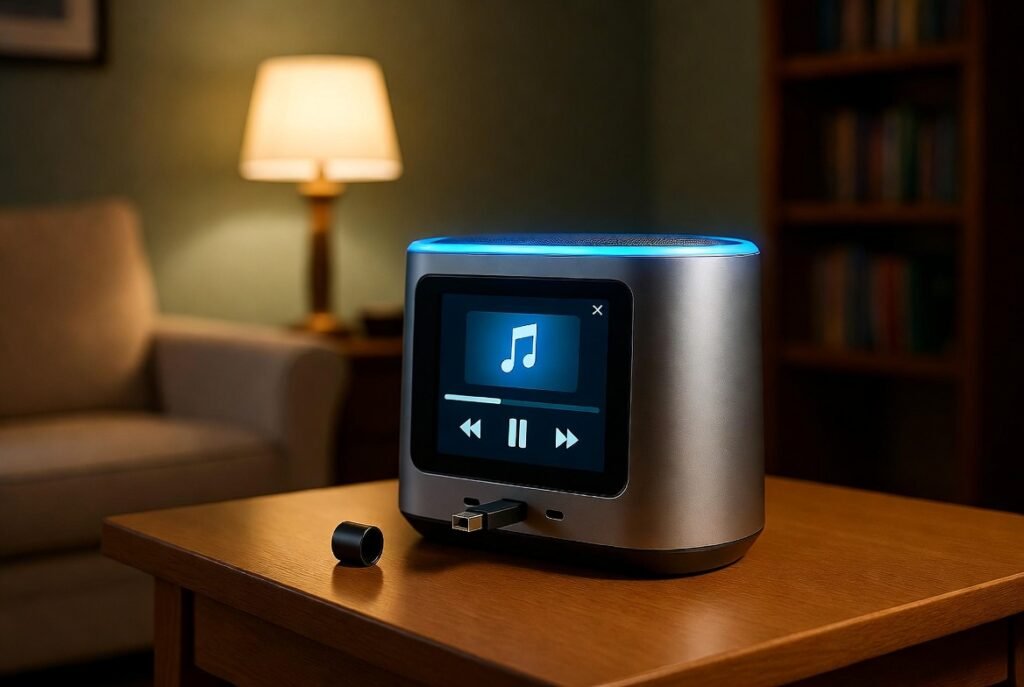
Plug a flash drive into the port to play stored songs directly. This avoids pairing steps, works without internet service, and keeps favourite albums available during travel, power cuts, or locations with.
Device Charging
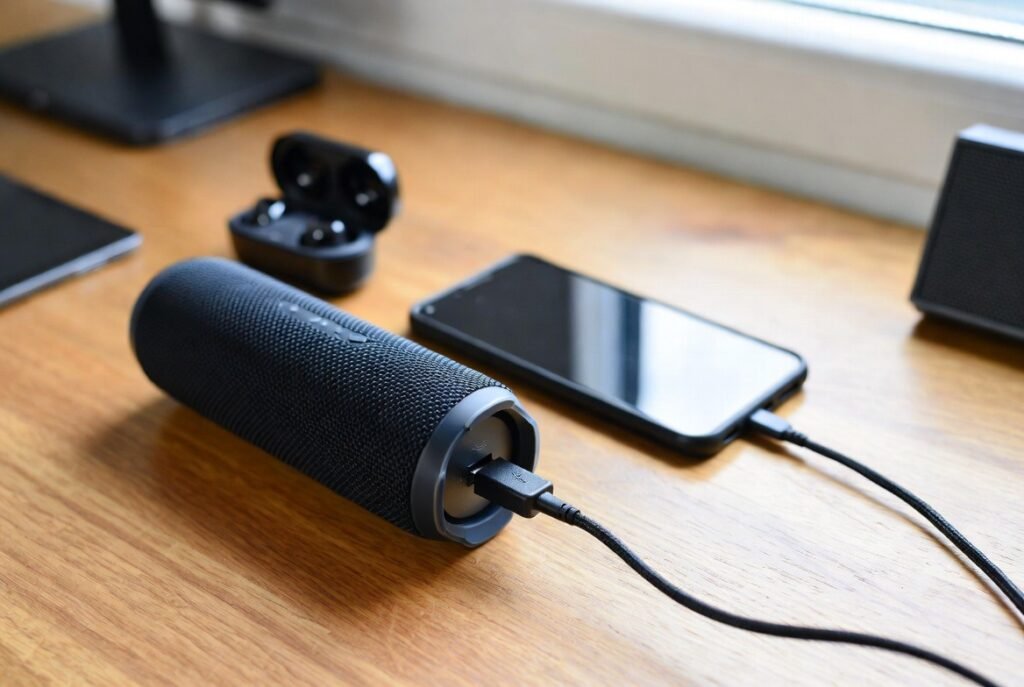
Many speakers provide a five-volt output, letting phones, earbuds, or lamps recharge while music plays. It reduces cable clutter, keeps essentials powered during gatherings, and prevents interruptions when nearby sockets are limited.
Firmware Updates
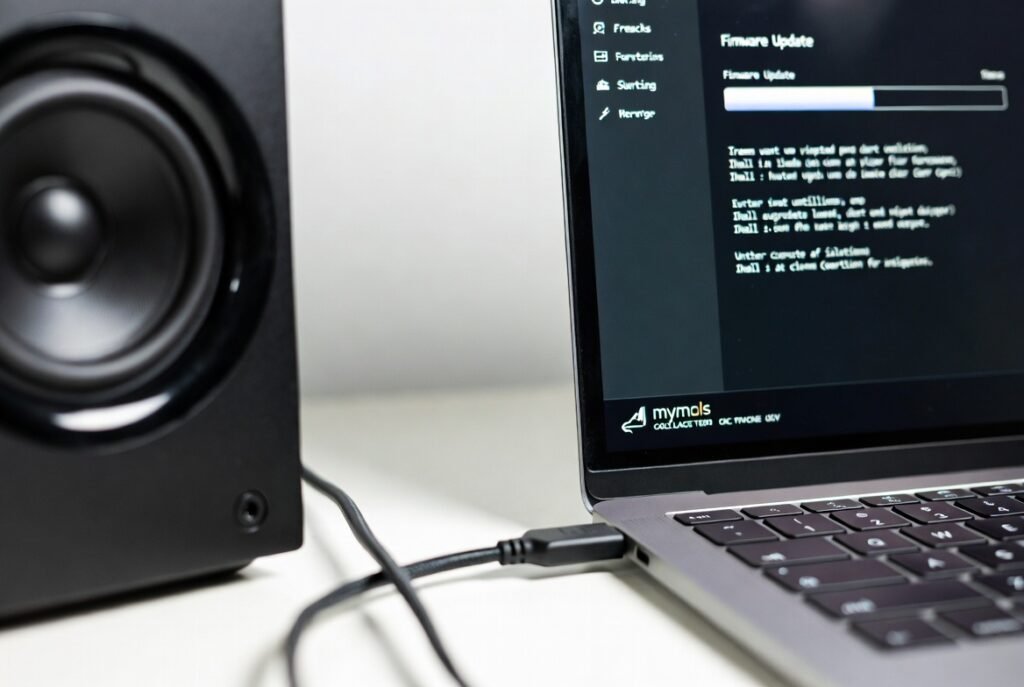
Manufacturers release small update files that install through the USB port. Updating improves stability, fixes audio glitches, adds codec support, and maintains compatibility with newer phones, ensuring smoother operation across software environments.
Offline Playlists
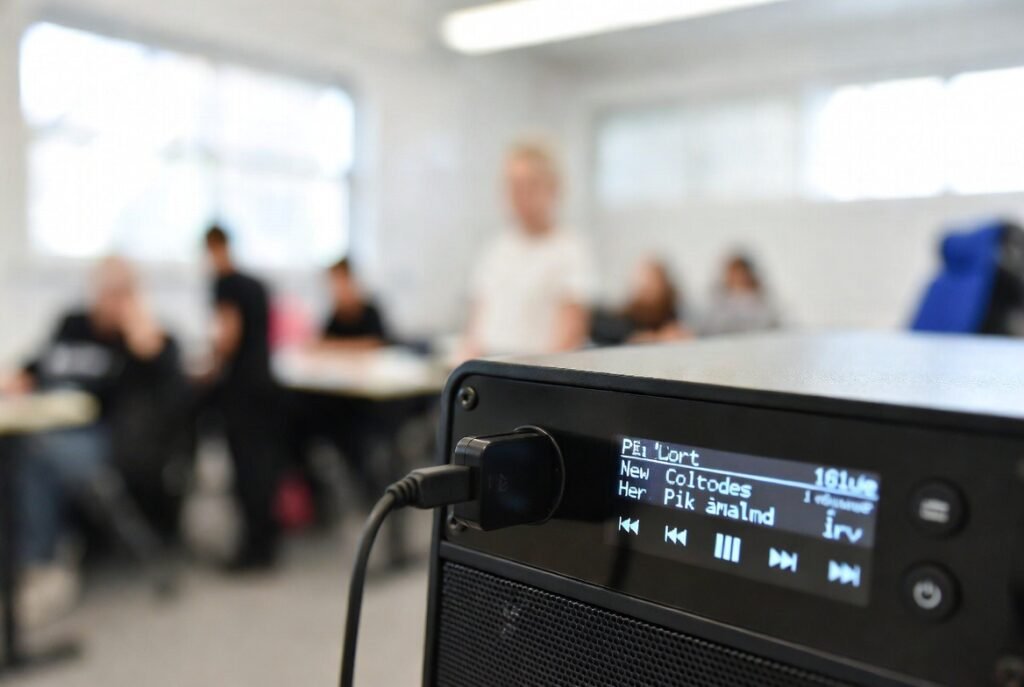
A prepared memory stick stores curated playlists for offices, shops, or classrooms. Staff can start music instantly, maintain a consistent ambience, and avoid streaming charges while ensuring reliable playback during busy hours.
Recording Input
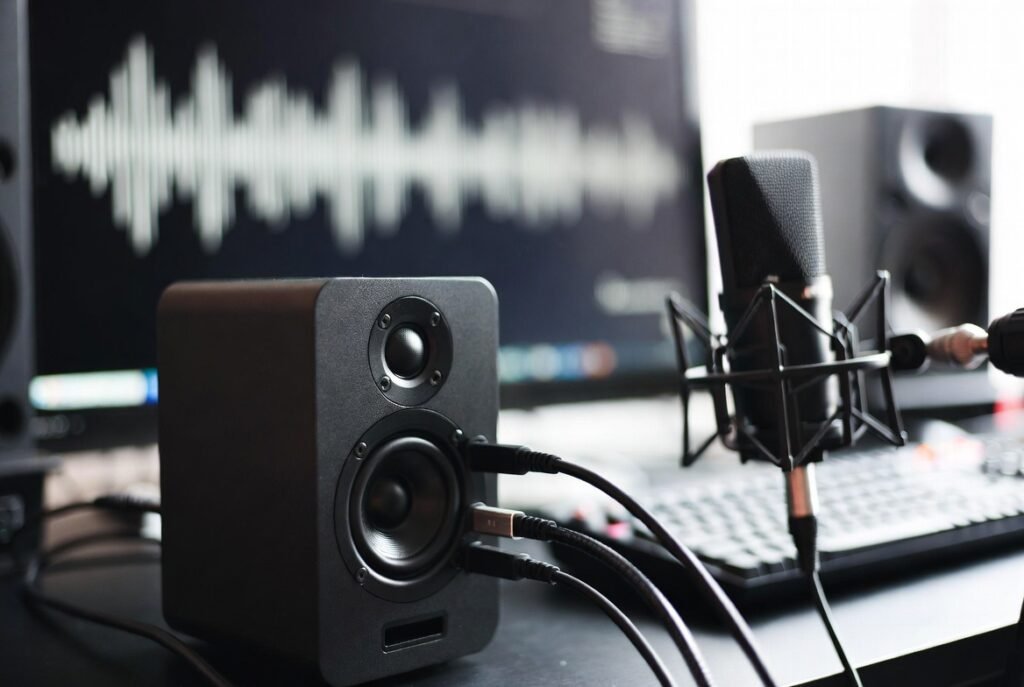
Some models accept microphones or mixers through supported adapters, allowing simple voice notes, announcements, or practice sessions. The USB path offers cleaner capture than analogue jacks, improving clarity for meetings and events.
Media Library Sharing
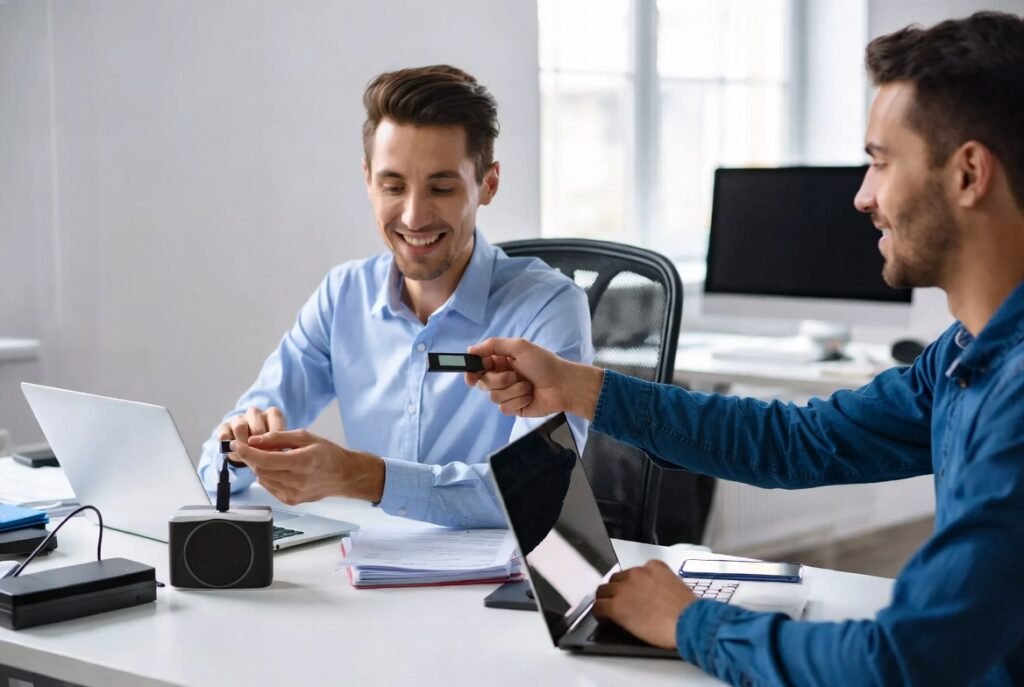
Colleagues can share a prepared drive containing presentations, jingles, or background tracks. This avoids messaging limits, keeps versions consistent, and speeds setup when several rooms need identical audio during coordinated activities sessions.
Car and RV Use
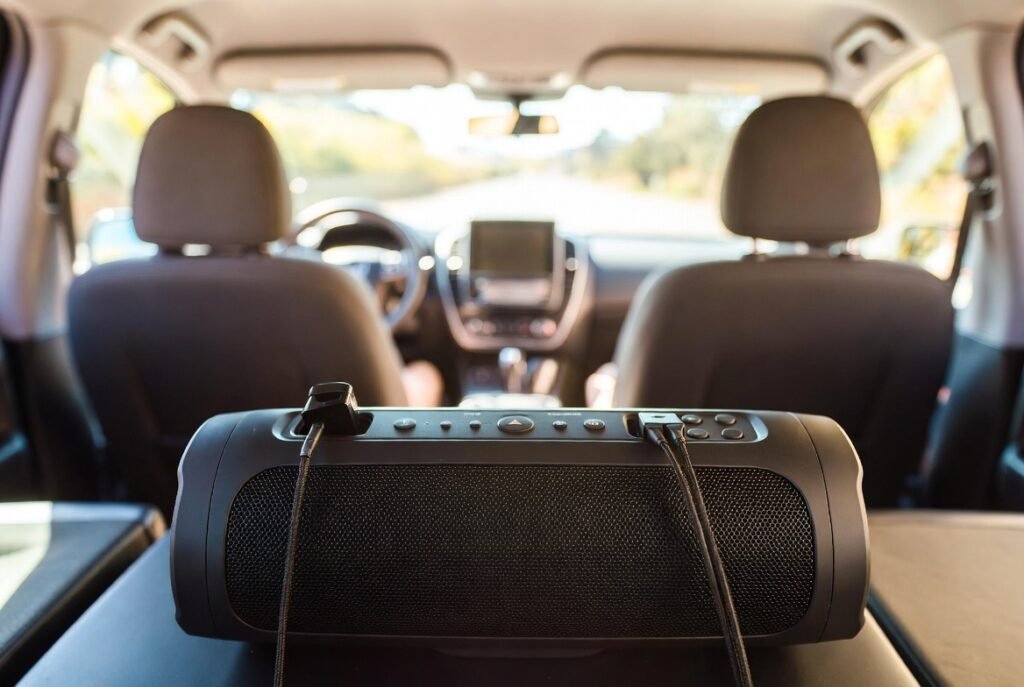
Portable speakers used in vehicles benefit from USB power and playback. Drivers can plug storage directly, reduce phone handling, and keep passengers entertained on long routes where network coverage changes frequently.
Secure Event Music
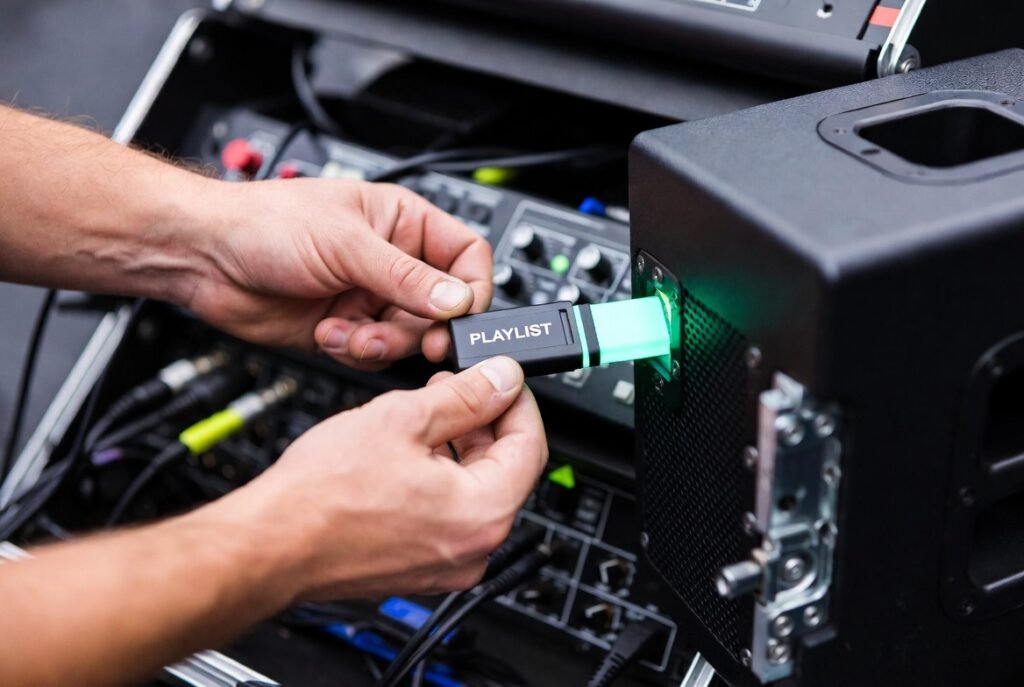
Events often require approved playlists. A labelled USB stick ensures only selected tracks play, prevents accidental changes, and provides a physical handover between organisers, technicians, and venue teams for dependable scheduling coordination.
Emergency Readiness
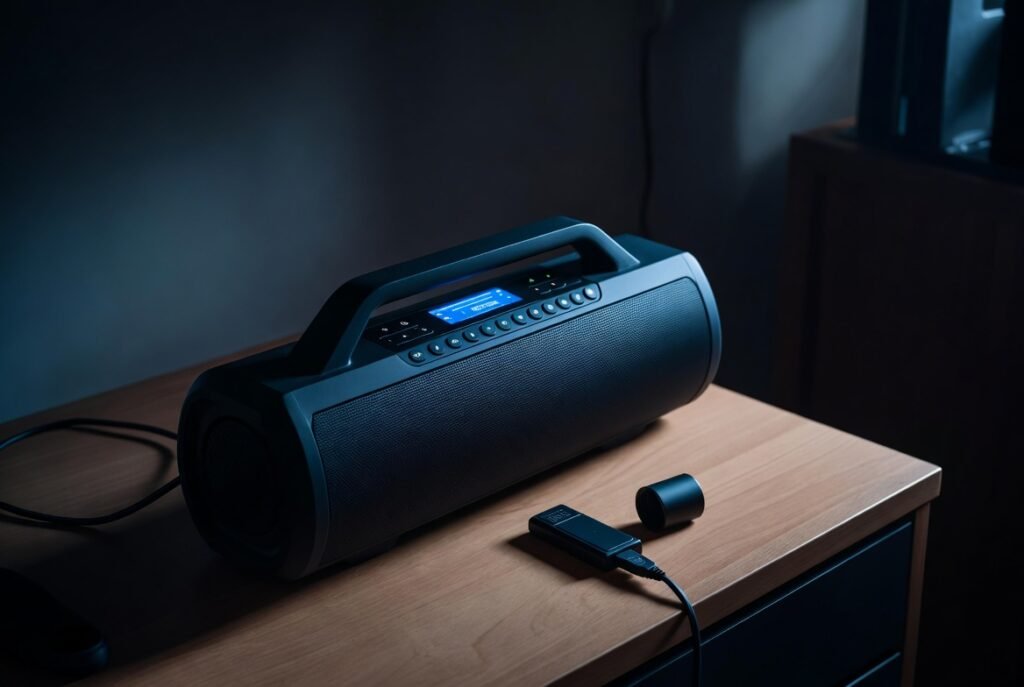
Prepared audio files can store instructions, alerts, or calming messages. During outages, a battery speaker plus USB storage delivers guidance without relying on networks, helping communities maintain order and clear communication channels.
Classroom Support

Teachers use USB drives to carry lessons, pronunciation tracks, and short talks. Plugging into a speaker saves time, keeps content consistent, and avoids wireless pairing delays during tightly planned periods of daily sessions.
Backup Connectivity
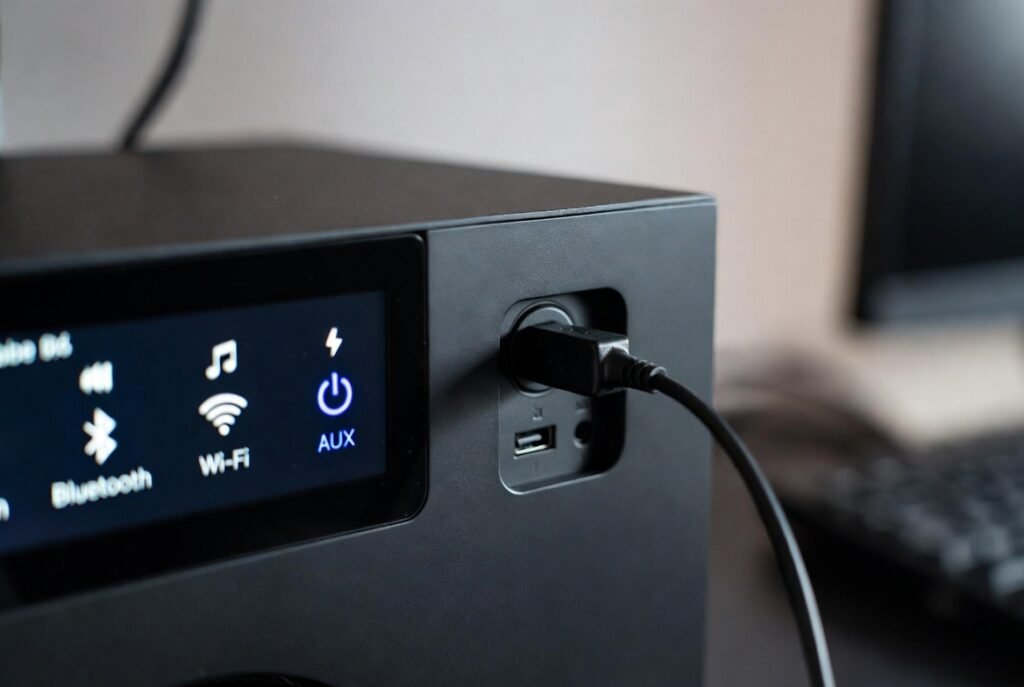
When wireless features fail, the USB port provides a dependable alternative. Keeping a small drive nearby ensures music continues, announcements remain audible, and activities proceed smoothly until normal connections return again reliably.
