
We exist in the era of digitalisation, where our personal data has been distributed across thousands of websites, apps, and platforms. Though you may not be online, there may be some information about you that exists without your consent. It is not hiding, but protecting privacy, avoiding abuse and getting a peaceful mind, we should get off the internet. Although this step might appear daunting, the process can be broken down into steps and thus made manageable. Capturing your online presence will help minimise the chances of identity theft, curtail the ability of online pushers to track your online actions, and reclaim your personal data. The following are a few useful solutions that will help you regain privacy and security on the Internet.
Audit Your Online Presence

The first thing to do is to enter your name in search engines, social media, and data aggregator websites. Mark the location of your information and accounts that you do not use anymore. The inventory gives you a straightforward view of your online presence.
Close Unused Accounts

Discover email, social media, and shopping accounts that you do not need. By deleting these accounts, you will minimise exposure and chances of unauthorised access. Make sure to go through the deletion procedure of the platform.
Update Privacy Settings

On the accounts that you would like to maintain, check up privacy settings. Minimise exposing yourself to others (Personal Information), limit the number of people who can reach you, and turn off location tracking whenever you can. This assists in keeping your information in check.
Remove Personal Information from Data Brokers

The collection and sale of personal information are carried out by many companies. Go to the large websites of data brokers and demand to be removed. This step is time-consuming, but it goes a long way in minimising the risk of sharing your details without permission.
Request Search Engine Removal
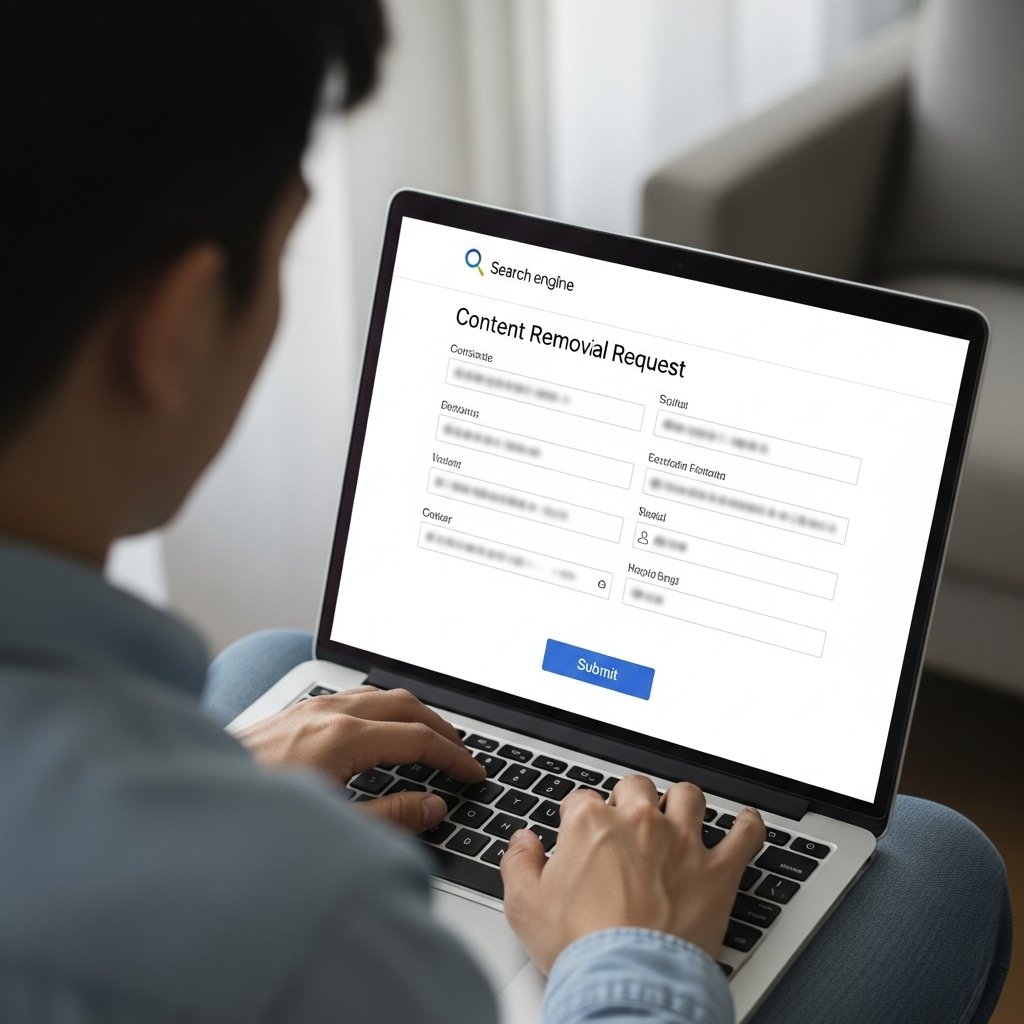
In case the personal information is found on the search results, address the search engine to remove it. On other websites, specialist forms are offered where sensitive data like addresses or phone numbers tends to be concealed by the search engine.
Delete Old Content

See what you have shared as a review, comment, photos, or videos. Deleting old or redundant information will make sure that there are only a few footprints left on the Internet and less risk of misuse of your data in the future.
Use Strong, Unique Passwords

Ensure that all accounts have a strong password containing letters, numbers and symbols. Special passwords will help guard against hackers breaking into multiple accounts if just one password slips from a user. The best is to use a password manager.
Enable Two-Factor Authentication

Two-factor authentication is an extra layer of security. Even if someone steals your password, they can’t get into your account without the second step, typically a text message sent to your phone or a signal from an authentication app.
Monitor Digital Footprint Regularly

If you like, encourage him or her to return online from time to time. New entries, references or open records may emerge as time goes by. Frequent check-ups will mean that you will be able to deal with problems promptly before your personal data becomes more exposed to the general public.
Consider Professional Assistance

The digital privacy specialists will be able to assist with deleting information that is difficult to delete and give advice on future protection. Although optional, professional assistance will not only save time but also ensure of comprehensive elimination of sensitive data.
Embrace a Minimal Digital Life

Lastly, think about sharing less on the web in the future. Minimising the posted personal information lowers the costs of future removals and provides long-term privacy and security.
