
Technology has always moved forward in steady steps, but sometimes progress accelerates in ways few anticipate. When intelligent systems evolve faster than expected, their impact can ripple across daily routines, workplaces, and decision-making processes. From subtle automation to major shifts in how information is processed, these changes may influence everything from communication to creativity. While such advancements can bring convenience and efficiency, they also raise thoughtful questions about control, responsibility, and adaptation. Understanding these possibilities helps individuals stay prepared, make informed choices, and embrace innovation with clarity rather than uncertainty in an increasingly connected and responsive digital environment.
Faster Decision Cycles

As intelligent systems improve, decisions that once took hours or days can happen in seconds. This speed may streamline operations, reduce delays, and allow people to focus on strategic thinking rather than repetitive analysis tasks.
Changing Nature of Work

Workplaces could shift toward roles that emphasize creativity, problem-solving, and human judgment. Routine tasks may gradually decline, encouraging professionals to adapt, learn new skills, and stay relevant in evolving industries.
Personalized Experiences Everywhere

From shopping to entertainment, services may become more tailored to individual preferences. Systems could anticipate needs based on patterns, offering recommendations that feel intuitive and aligned with personal habits and interests.
Smarter Communication Tools

Communication platforms might become more responsive, helping users draft messages, summarize conversations, and translate languages instantly. This could reduce misunderstandings and make global interactions smoother and more accessible.
Improved Healthcare Support

Healthcare systems could benefit from faster data analysis, helping professionals identify patterns and improve patient care. Early detection tools and efficient record management may contribute to better outcomes and more organized services.
Education Becomes More Adaptive
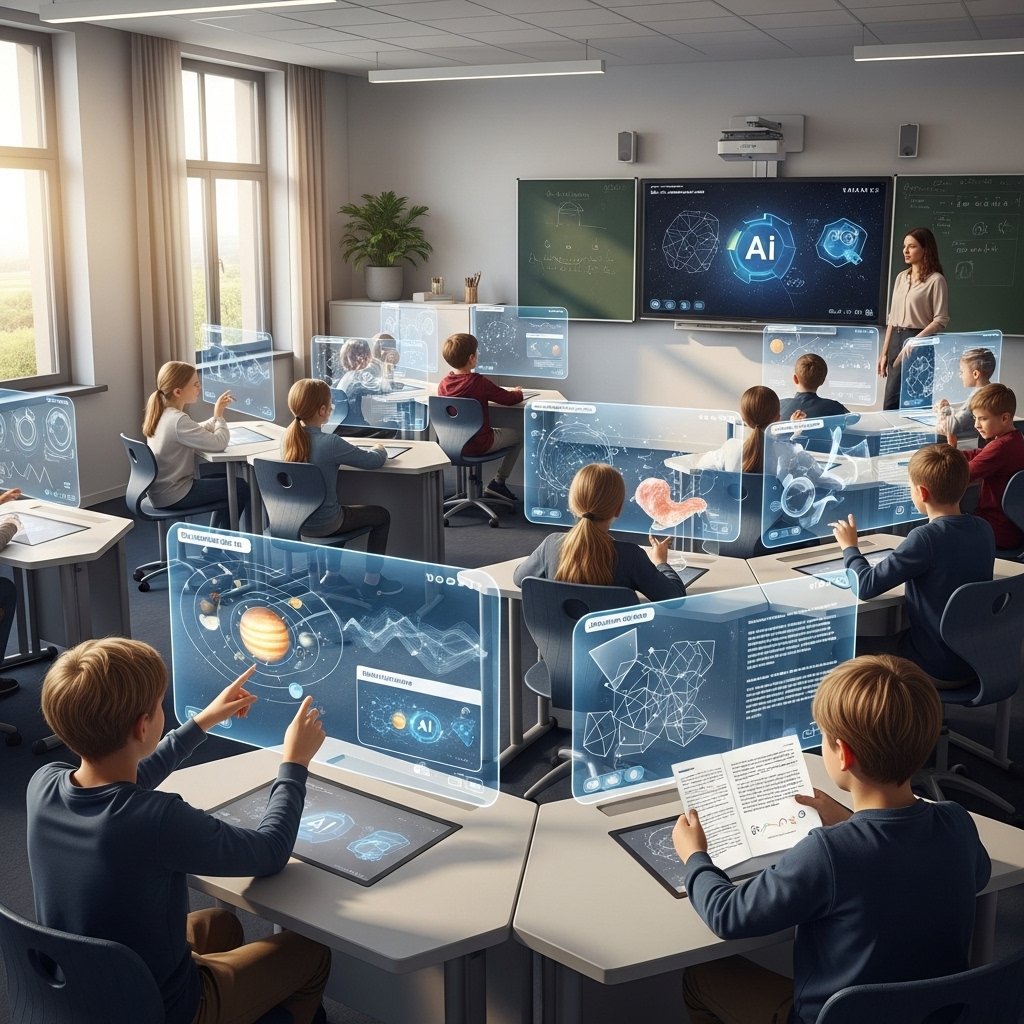
Learning environments may adjust to individual pace and understanding. Students could receive customized lessons, making education more engaging while helping learners strengthen weak areas without feeling overwhelmed or left behind.
Greater Efficiency in Daily Tasks

From managing schedules to organizing information, everyday tasks might become simpler. Intelligent assistants could handle reminders, planning, and routine coordination, giving individuals more time to focus on meaningful activities.
Increased Dependence on Technology

As systems grow more capable, reliance on them may increase. While convenience improves, it becomes important to maintain awareness and ensure that critical thinking and independent decision-making remain strong and active.
New Ethical Considerations
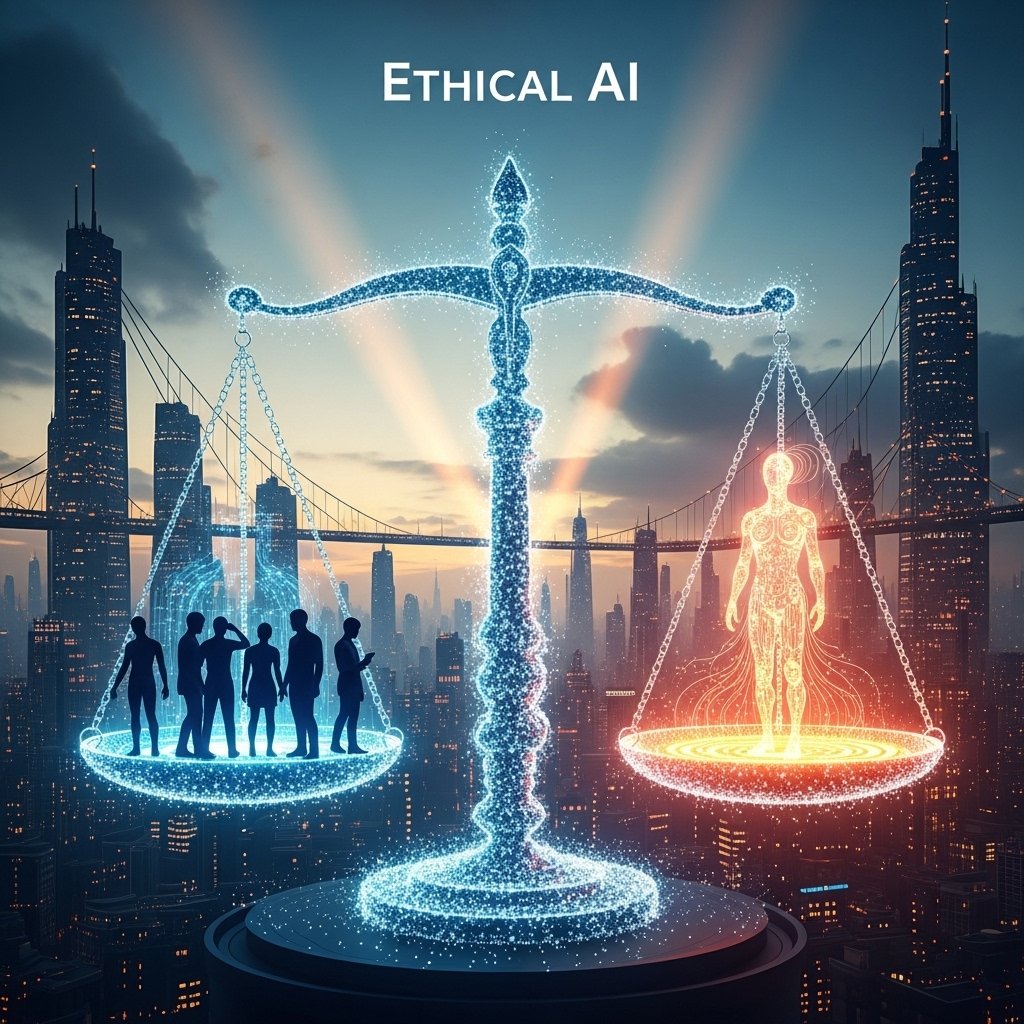
Faster advancements may introduce questions about fairness, transparency, and accountability. Ensuring responsible use and clear guidelines becomes essential to maintain trust and ensure that benefits are shared across society.
Enhanced Creativity Support

Creative fields could see tools that assist with brainstorming, design, and content creation. Rather than replacing creativity, these systems may act as collaborators, helping individuals explore ideas and refine their work efficiently.
