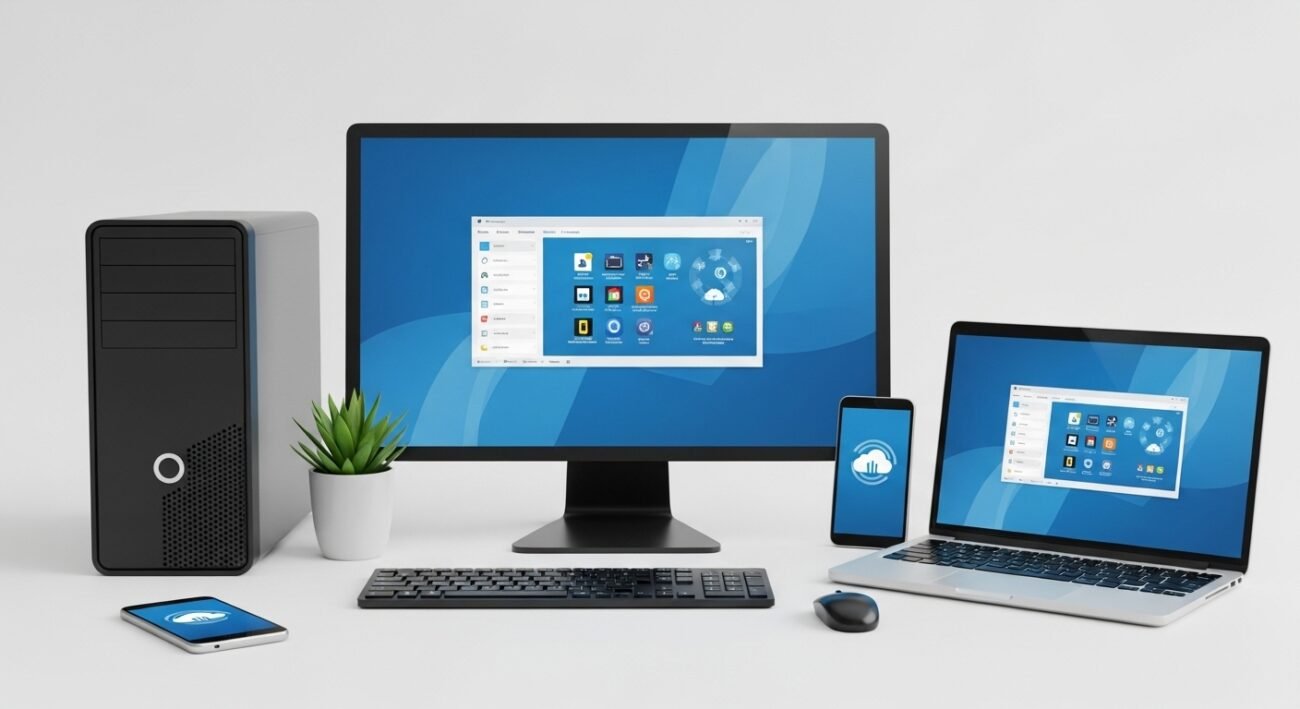
For decades, traditional desktop computers and laptops defined how we worked, communicated, and accessed information. However, technology is shifting rapidly toward smarter, more flexible alternatives that blend seamlessly into everyday life. From wearable devices to cloud-powered platforms, modern innovations are changing how people interact with digital tools. These advancements prioritize convenience, mobility, and real-time connectivity over bulky hardware. As lifestyles evolve and digital demands increase, reliance on conventional computers is gradually declining. The transformation is not sudden but steady, driven by practical needs and smarter design. Today, computing is no longer limited to a desk it is becoming an invisible, integrated part of daily living.
Smartphones as Powerhouses
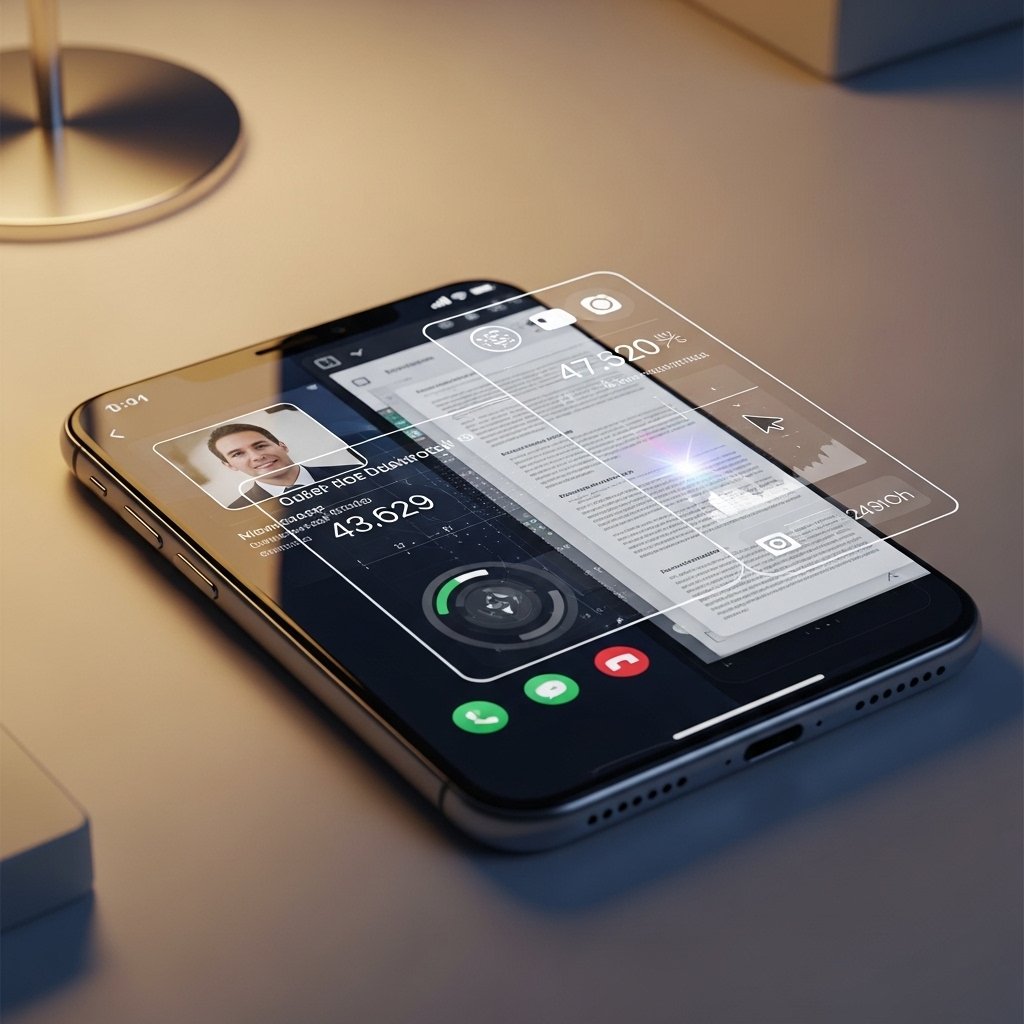
Modern smartphones now perform tasks once reserved for computers, including editing documents, video conferencing, and managing finances. Their portability and constant connectivity make them a preferred choice for everyday computing needs across personal and professional use.
Tablets Bridging the Gap
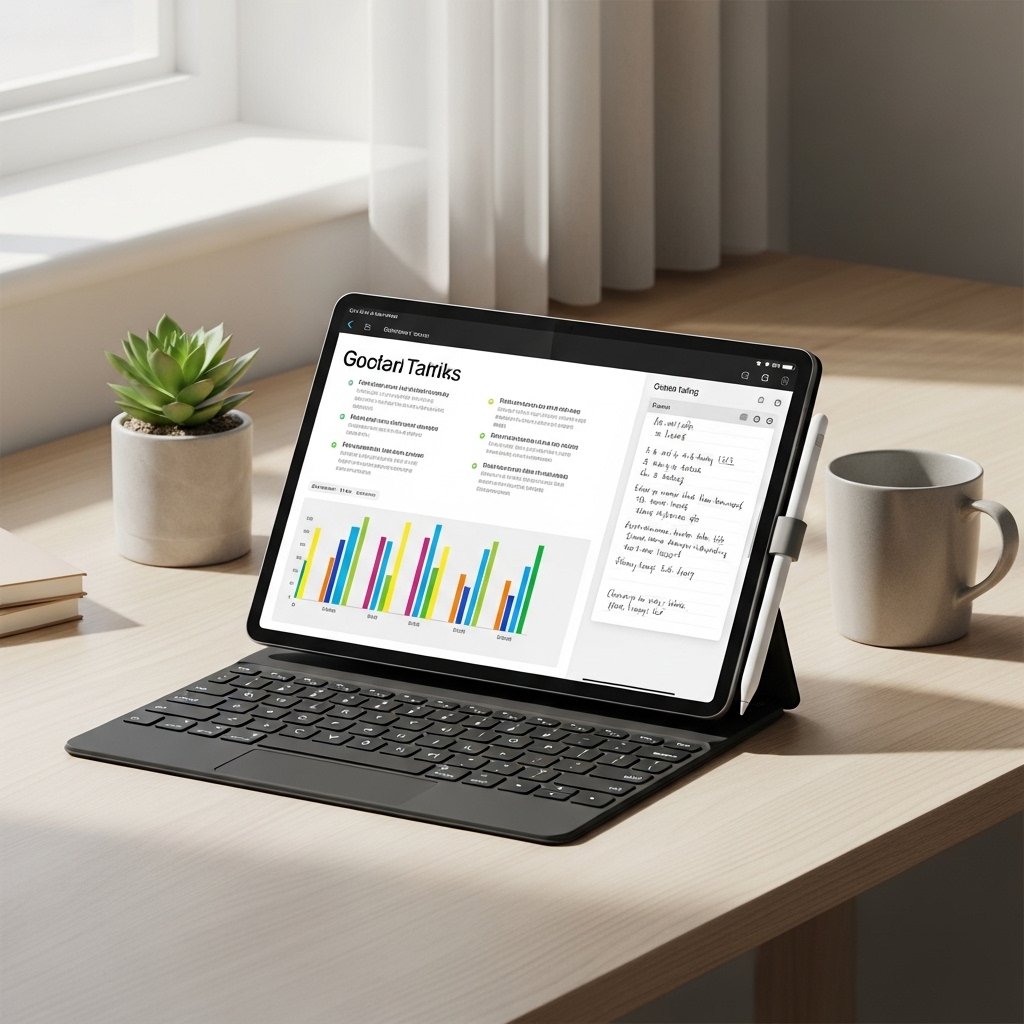
Tablets combine the portability of phones with larger screens, making them ideal for reading, presentations, and light productivity. With detachable keyboards and stylus support, they are gradually replacing laptops for many routine tasks and activities.
Cloud Computing Platforms

Cloud technology allows users to store, access, and process data online without relying on physical devices. This reduces the need for high-performance computers, as most heavy tasks are handled remotely through secure and scalable systems.
Smart TVs and Media Devices

Entertainment and browsing are shifting to smart TVs and streaming devices. These platforms allow users to access apps, browse the internet, and even attend virtual meetings without needing a traditional computer setup at home.
Wearable Technology Growth

Smartwatches and fitness trackers now offer messaging, notifications, and health tracking. While not full replacements, they reduce dependence on computers by handling quick tasks efficiently and keeping users connected throughout the day.
Voice-Activated Assistants

Devices powered by voice assistants enable users to perform searches, control home systems, and manage schedules without typing. This hands-free interaction reduces the need for conventional computer interfaces in daily routines.
Augmented Reality Interfaces

Augmented reality devices are introducing new ways to interact with digital content. By overlaying information onto the real world, they eliminate the need for screens in certain professional and creative applications.
Virtual Workspaces

Remote desktops and virtual environments allow users to access complete systems from any device. This flexibility means people no longer need powerful personal computers to perform complex tasks or access specialized software.
Gaming Consoles Expanding Roles

Modern gaming consoles now support streaming, browsing, and communication features. They are evolving into multifunctional entertainment hubs that can replace traditional computers for leisure and media-related activities.
Internet of Things Devices

Connected home devices manage lighting, security, and appliances through apps or voice commands. These systems reduce the need for computers by automating everyday tasks and centralizing control within simple interfaces.
Foldable and Hybrid Devices
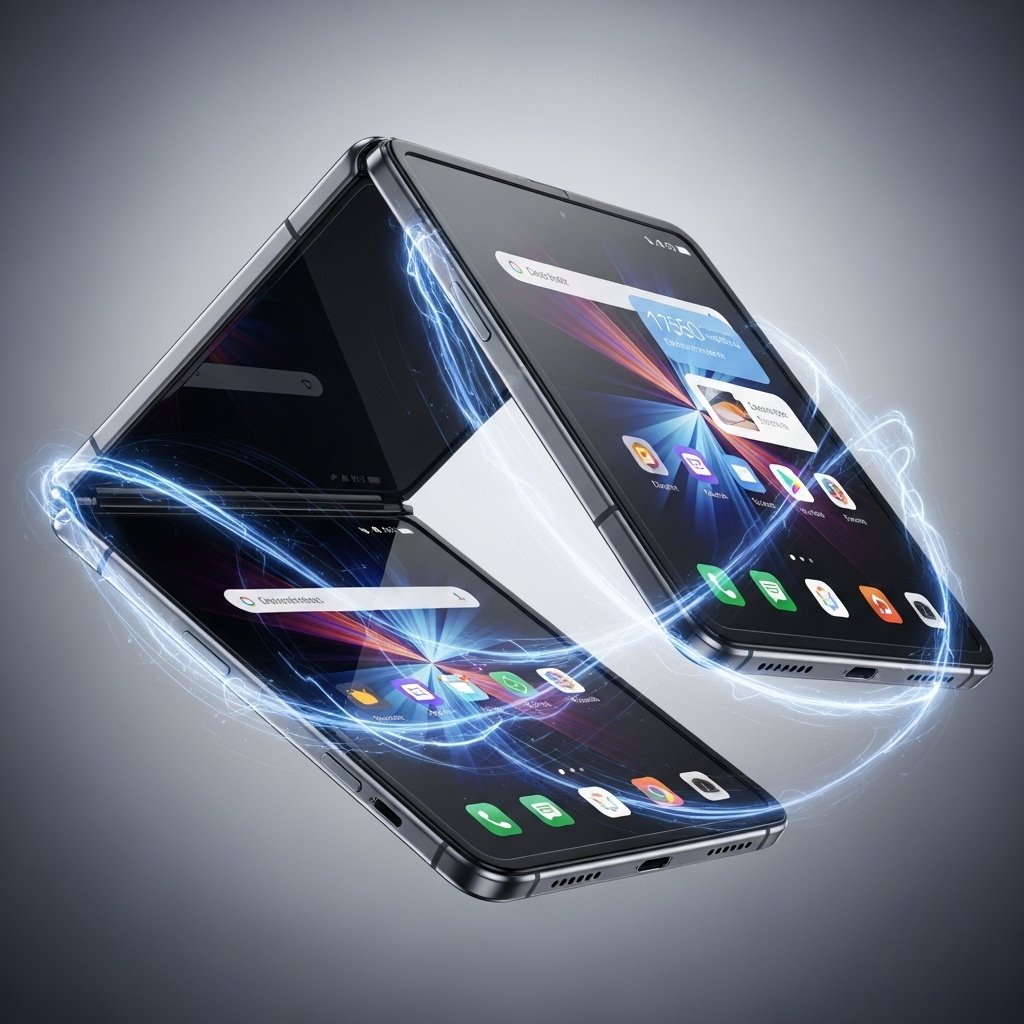
New foldable devices and hybrids combine phone and tablet features into one. Their adaptability allows users to switch between modes, reducing the need to carry multiple devices or rely on traditional computers.
Edge Computing Systems
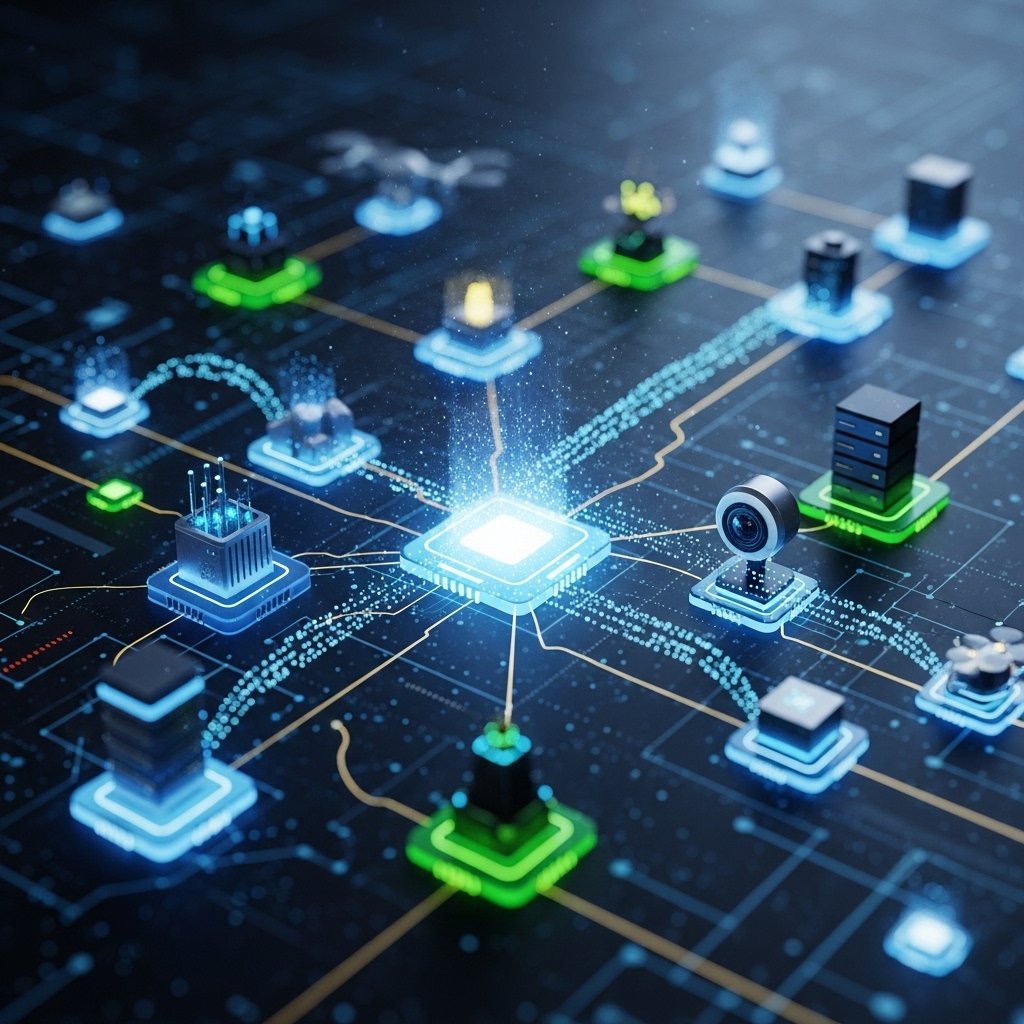
Edge computing processes data closer to the source, improving speed and efficiency. This reduces dependence on centralized systems and allows smaller devices to handle complex operations without requiring full-scale computers.
AI-Driven Smart Interfaces
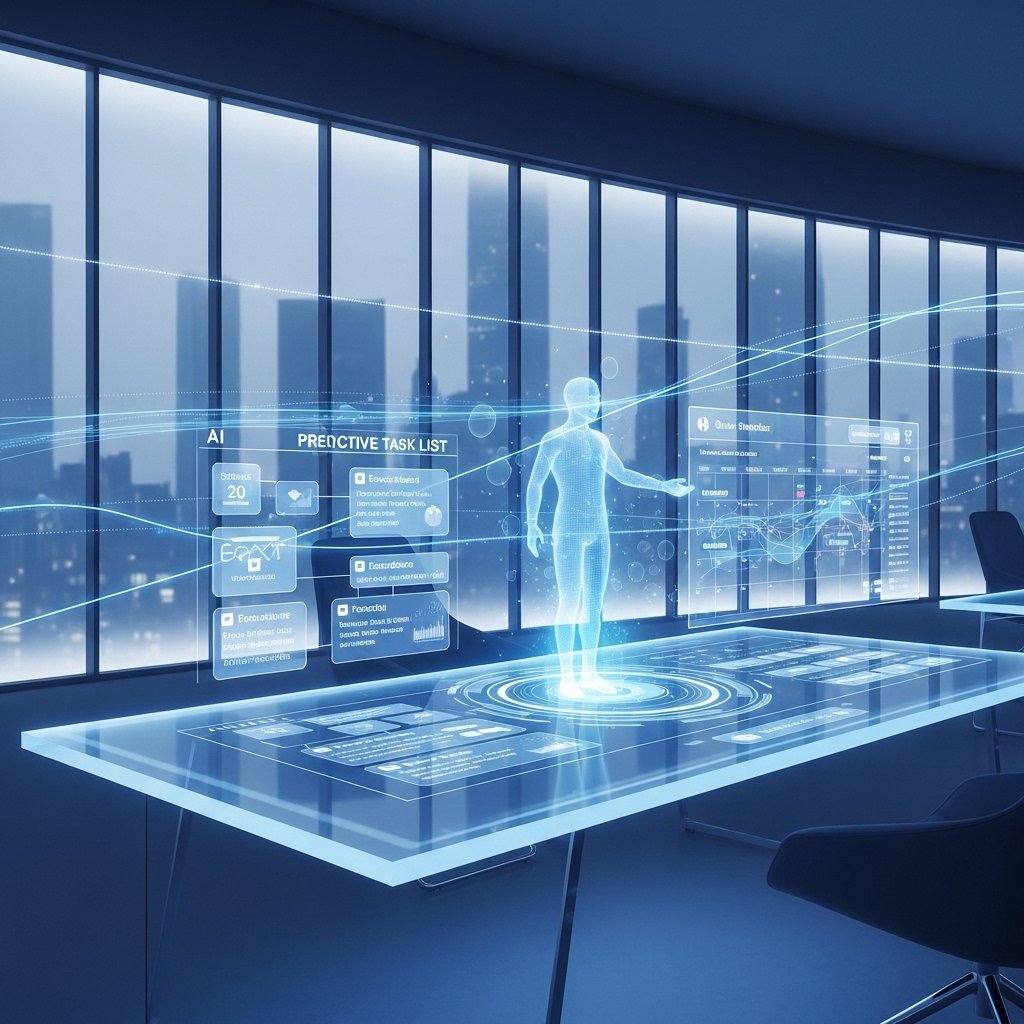
Intelligent interfaces simplify tasks by predicting user needs and automating processes. These systems reduce manual input and make computing more intuitive, gradually shifting focus away from traditional computer-based workflows.
